
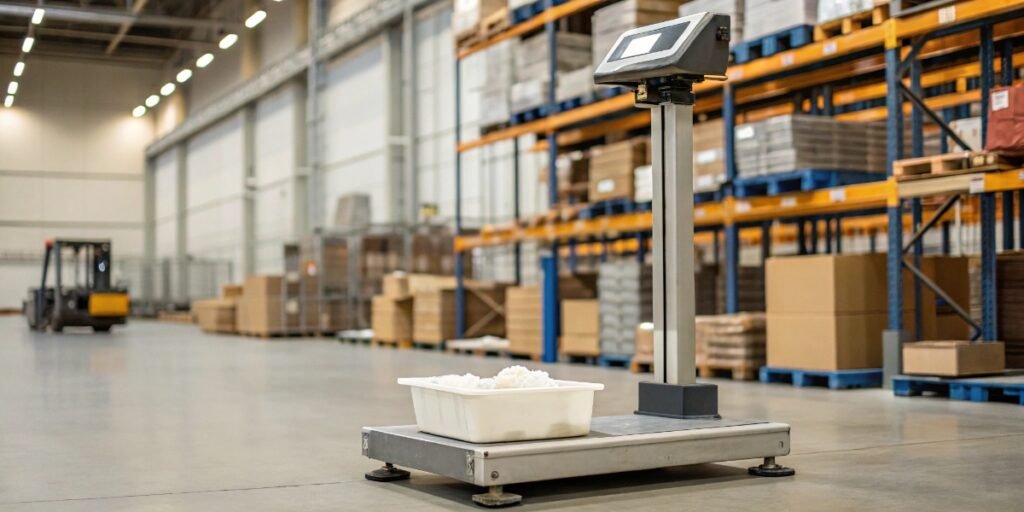
Inaccurate readings cost you money and trust. You've invested in a quality scale, but the numbers just don't add up, causing production errors and damaging your credibility.
Your industrial scale's inaccuracy often isn't about its core quality. Common culprits include sensor aging, environmental shifts, poor calibration, incorrect usage, or electronic interference. Understanding these helps you pinpoint the real problem and ensure reliable measurements.
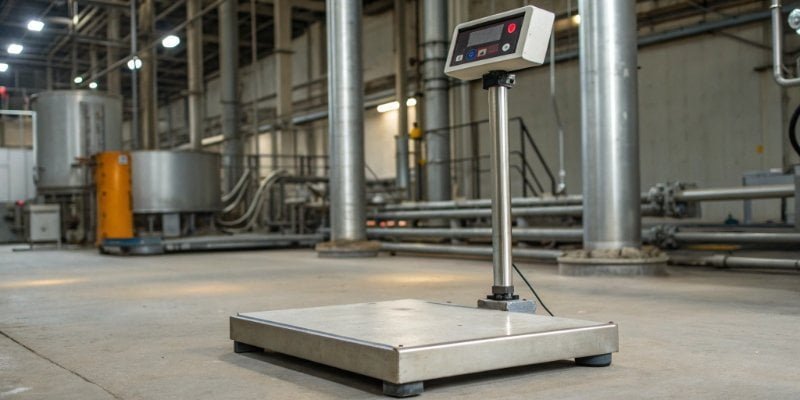
It's a frustrating moment when you realize a key piece of equipment isn't performing as expected. You start to question the hardware, the process, and everything in between. But before you blame the scale itself, let's explore these issues one by one. You might be surprised to find the solution is simpler than you think. Let's dive into the details and find out what's really going on with your measurements.
Why do scales "lie" in the first place?
Your team is blaming the equipment for bad data. This creates distrust and slows down operations, making diagnostics a difficult task. Let's clarify why a scale might give false readings.
Scales don't intentionally "lie." Inaccurate readings happen when external factors or internal wear affect its sensitive components. It's a signal that something needs attention, like calibration or environmental control, rather than a fundamental flaw in the device itself.
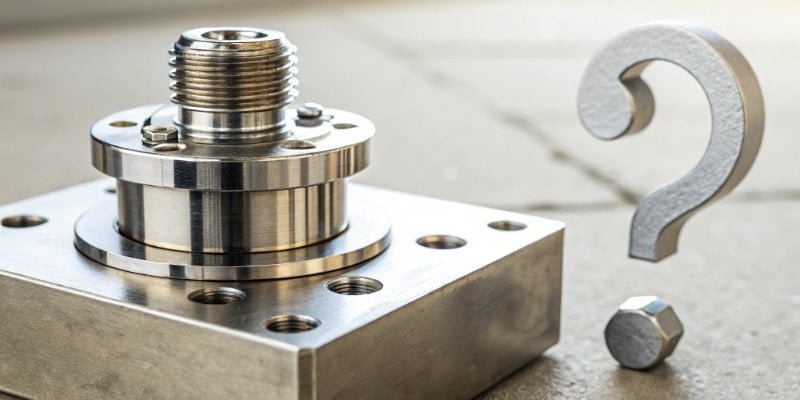
When we say a scale is "lying," we're really talking about measurement inaccuracy. In my 18 years in this industry, I have seen it all. It’s almost never a case of a scale being built to deceive. Instead, it’s a symptom of an underlying issue. The scale is a high-precision instrument. Like any such tool, its accuracy depends on both its internal health and its operating environment. Think of it as a sensitive conversation; any "noise" can disrupt the message. This "noise" is what causes the scale to give you a reading that doesn't match reality. The good news is that once you identify the source of the noise, you can almost always fix it.
The Main Sources of "Noise"
These five areas are where I usually start my diagnosis:
- Component Health: Are the sensors or load cell1s getting old?
- The Environment: Is it too hot, cold, or windy?
- Upkeep: When was the last time it was calibrated?
- Human Factor: Is everyone using it correctly?
- Signal Interference: Is other electronic equipment causing problems?
What makes an industrial scale inaccurate?
You see fluctuating numbers, making consistent production impossible. This can lead to wasted materials, compliance failures, and lost profits. You need to understand the physical factors causing this.
Inaccuracy stems from two primary areas: the scale's internal components and its external environment. Sensor degradation is a key internal factor. Externally, things like temperature fluctuations, air drafts, and vibrations can throw off a precise reading.
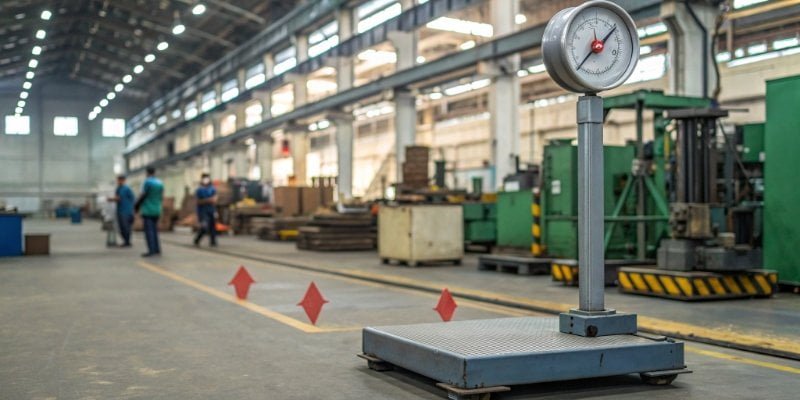
Let’s get into the specifics. The heart of any modern scale is its load cell, or sensor. Over time, these components can age. Constant use, overloading, or shock from dropping heavy items can cause them to lose their original sensitivity. This is a gradual process, but it's a primary reason for accuracy drift. However, I often find the issue is external. Many of our clients, especially those in busy production facilities, underestimate the impact of the environment. A scale placed near an open bay door, a large motor, or an HVAC vent is constantly fighting invisible forces that disrupt its stability. As a manufacturer, we build our scales to be robust. But no scale is completely immune to a challenging environment.
Common Environmental Culprits
| Factor | Effect on Scale | Simple Solution |
|---|---|---|
| Temperature Swings | Causes metal parts to expand/contract, altering readings. | Keep in a climate-controlled area. |
| Vibrations | Nearby machinery can create "noise" that the sensor picks up. | Use a vibration-dampening mat or table. |
| Air Drafts | Even slight air movement can affect highly sensitive scales. | Use a draft shield or relocate the scale. |
| RFI/EMI | Radio or electromagnetic interference can disrupt electronics. | Keep away from large motors or two-way radios. |
Why do readings differ between different digital scales?
You verify a weight on one scale, but a different scale shows another number. This inconsistency erodes confidence in your entire quality control process and leaves you wondering which to trust.
Discrepancies between digital scales usually point to differences in calibration, not quality. One scale might be improperly calibrated or overdue for service. Improper operator use, like not zeroing the scale, also causes significant variations in readings.
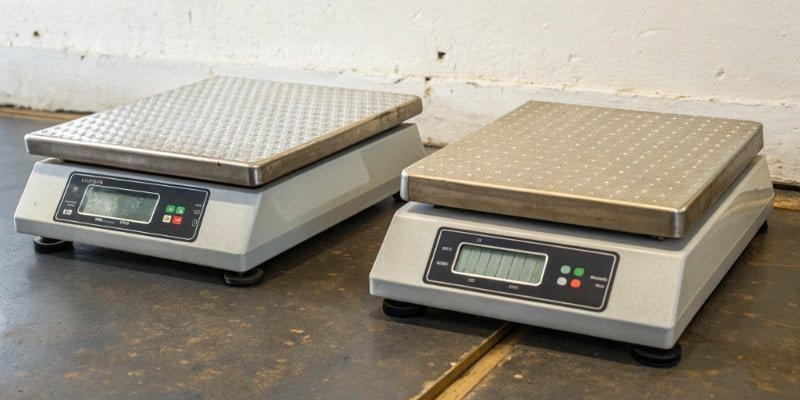
This is a question I get a lot. A client will call and say, "My old scale says 10.0 kg, but your new one says 10.1 kg. Which one is right?" The answer nearly always lies in calibration2 and proper use. A scale isn't a "set it and forget it" tool. It requires regular check-ups. Calibration is the process of adjusting the scale against a known, certified weight to ensure it reads correctly. If this isn't done regularly, the scale's accuracy will drift. Operator error is just as common. At Weigherps, we provide training because we know technology is only half the battle. A well-trained operator is just as important as a well-made scale for achieving accurate results.
Operator Best Practices
Improper use is a frequent cause of errors. Here are some common user mistakes we often see:
- Not Levelling: Most industrial scale3s have a spirit level bubble. If the scale is not perfectly level, readings will be off.
- Forgetting to Tare/Zero: Not zeroing the scale before each unique use is a simple but costly mistake.
- Off-Center Loading: Placing the item on the corner of the platform instead of the center can cause errors.
- Shock Loading: Dropping items onto the scale can damage the sensitive load cells over time.
How accurate are industrial weighing scales, really?
You need to guarantee precision for your clients, but you're unsure what to expect. Doubting your scale's accuracy can make you second-guess your entire operation's reliability and reputation.
High-quality industrial scales, like those compliant with CE certifications, are incredibly accurate. Accuracy is defined by readability and repeatability within specified tolerances. However, this precision is only maintained through proper calibration, operation, and environmental control.

This is the million-dollar question. The answer is: a well-made, properly maintained industrial scale is extremely accurate. At Weigherps, our products meet international standards like CE, which guarantees a high level of performance and safety. Accuracy isn't just one number. It's about concepts like readability4—the smallest increment a scale can display—and repeatability5, which is getting the same result every time you weigh the same item. A good manufacturer provides a specification sheet detailing these tolerances.
The Invisible Problem: Electronic Interference
But there's one last factor that can undermine even the best scale: electronic interference6. A high-powered two-way radio, a large variable frequency drive (VFD) motor, or even faulty wiring can create an electromagnetic field that disrupts the scale's delicate internal electronics. We design our scales with shielding to minimize this. But in environments with heavy electronic "noise," extra care is needed. This is why a site assessment is so important. A reliable weighing partner doesn’t just sell you a box. We help you integrate it successfully into your specific environment.
Conclusion
Inaccurate scales are rarely faulty. The problem usually lies in the environment, calibration, or use. Understanding this empowers you to find the right fix and ensure continuous, reliable measurements.
-
Understanding load cells is key to maintaining scale precision; explore this resource for in-depth insights. ↩
-
Regular calibration is crucial for accuracy; this resource provides guidelines on calibration frequency. ↩
-
Explore this resource to learn how to keep your industrial scale accurate and reliable, ensuring optimal performance. ↩
-
Learn about readability and its importance in ensuring accurate measurements with your scales. ↩
-
This resource clarifies repeatability and its significance in achieving consistent results with your scales. ↩
-
Find out how electronic interference can disrupt scale readings and what steps you can take to minimize its effects. ↩


Comments (0)