
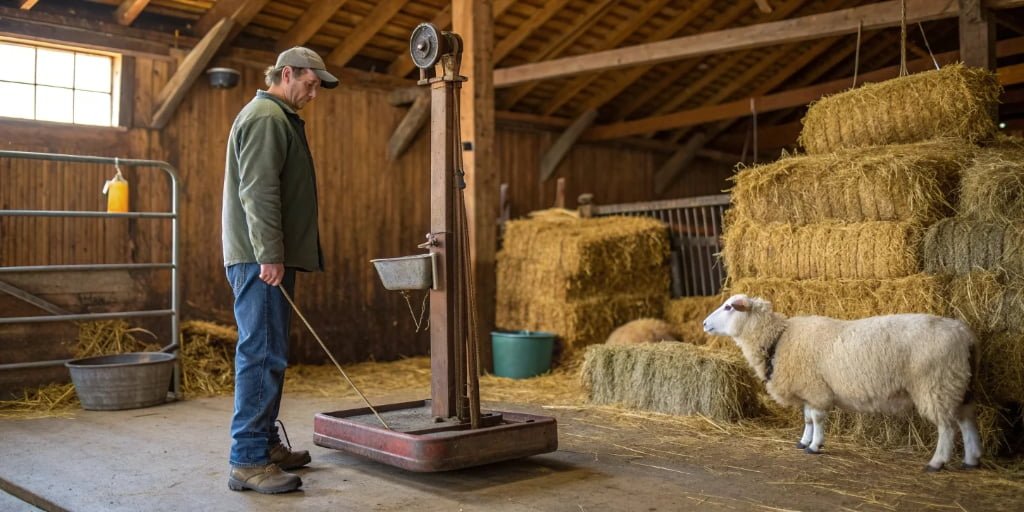
You want to raise healthy, profitable sheep, but tracking their progress is a struggle. Without accurate weights, you’re just guessing about their health, feed conversion, and market readiness.
To buy your first sheep scale, first match the capacity to your chosen breed's maximum weight. Then, look for models with an "animal averaging" function for stable readings. A portable scale is great for beginners, while a fixed platform scale works best for larger, growing flocks.
You've made the big decision to get serious about your flock's health, and that's a fantastic first step. As a manufacturer of industrial scales for 18 years, I've helped countless farmers move from guessing to knowing. But I know that buying the right equipment can feel like a huge challenge. To help you succeed, we need to look at more than just the scale. Let’s answer some basic questions every new homesteader has. This will help you choose the perfect scale for your unique journey.
How many sheep should a beginner start with?
Starting a flock is exciting, but you're worried about getting overwhelmed. Buying too many or too few sheep can create problems with grazing, daily management, and your budget.
A beginner should start with a small flock of 3 to 5 ewes. This is a manageable number that lets you learn the ropes. Sheep are flock animals, so never start with just one. This small starting size directly influences the type of scale you'll need.
Your initial flock size is the number one factor in choosing your first scale. When I first started consulting with small farm owners, many thought they could skip a scale at the beginning. They learned quickly that weighing is not a task for "later." It's a foundational tool for success, but you don't need a massive, expensive setup for a handful of sheep.
Choosing a Scale for a Small Flock
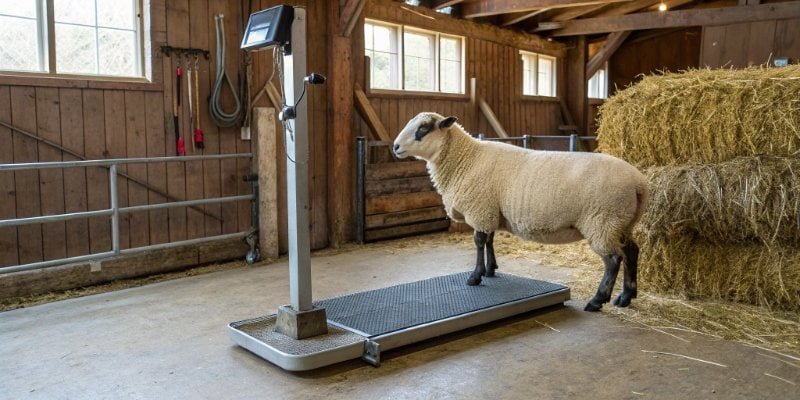
For a flock of 3 to 10 sheep, a portable scale1 is your best friend. You don't need a permanent station that takes up valuable space in your barn. Look for a model like our SSH series, which weighs about 30 kg and comes with handles and wheels. You can easily bring it out on weighing day and store it away when you're done. This flexibility is perfect for a small operation that needs to be nimble and budget-conscious.
Why Weighing is Critical for Beginners
Even with just a few animals, a scale provides essential data.
- Health Monitoring: A sudden drop in weight is the first sign of illness.
- Growth Tracking: Are your lambs hitting their growth targets?
- Feed Efficiency: How much feed does it take to get 1 kg of gain?
- Medication Dosage: Accurate weight is required for correct dosing of dewormers and medicines.
Starting with good data habits from day one sets you up for long-term success.
| Feature | Portable Scale (e.g., SSH Series) | Fixed Platform Scale |
|---|---|---|
| Best For | Beginners, small flocks (3-10 sheep) | Larger operations (>20 sheep) |
| Installation | None, use it anywhere | Permanent, requires a dedicated space |
| Cost | Lower initial investment | Higher initial investment |
| Mobility | High, can be moved and stored easily | Low, fixed in one location |
What does F1, F2, F3 mean in sheep?
You are reading about sheep genetics and keep seeing terms like F1, F2, and F3. This scientific jargon is confusing and makes it hard to choose the right animals.
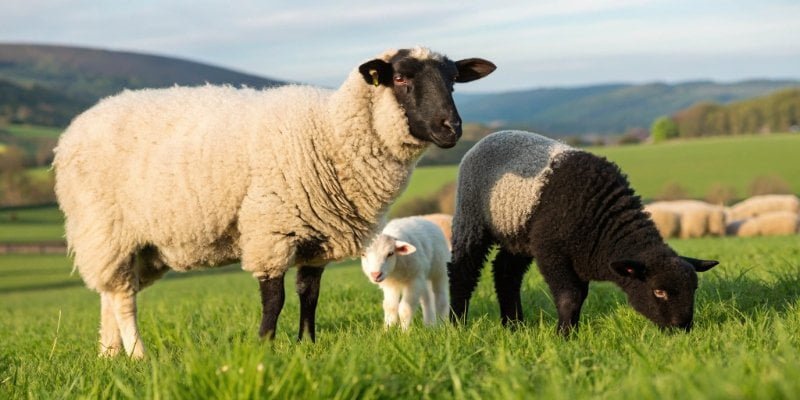
F1, F2, and F3 are terms used in genetics to describe generations of crossbreeding. An F1 is the first-generation offspring from two different purebred parents. This is essential for tracking genetic traits and performance.
If you're interested in breeding, these terms are important. More importantly, they signal that you're moving into a phase of homesteading where data is king. You can't just look at an F1 lamb and know if it’s better than its parents. You have to measure its performance, and the most basic measurement is weight. This is where a simple scale becomes a powerful breeding tool.
Weighing for Breeding Success
Tracking the weights of your F1, F2, and subsequent generations is how you measure progress. Are your F1 lambs gaining weight faster than the purebred parent stock? Do they reach market weight sooner? Your scale provides the answers. This data proves whether your breeding program is working and helps you select the best animals to keep for future breeding. For our clients focused on genetic improvement, the scale is their most-used piece of equipment.
Key Scale Features for Breeders
When breeding is the goal, your scale needs more than just a basic readout.
- High Accuracy: You need to measure small weight changes in newborn lambs. Look for a scale with an accuracy of 0.1 kg, like our SH series.
- Data Storage: This is a game-changer. A scale with data storage2 lets you link a weight reading to a specific animal's ear tag number. This builds a performance history for each sheep and its descendants. You can easily compare the growth of different genetic lines.
- Animal Averaging: Sheep move around. This function takes multiple readings in seconds and displays a stable, average weight, ensuring accuracy.
| Feature | Why It Matters for Breeding | Recommended Spec |
|---|---|---|
| High Accuracy | Measures small gains in lambs, tracks feed conversion. | ±0.1 kg or better |
| Data Storage | Links weight data to specific animal IDs (e.g., F1, F2). | Built-in memory or Bluetooth connectivity |
| Animal Averaging | Gets a stable reading even if the sheep moves. | Standard on most quality livestock scales |
| Durability | Will be used frequently, especially during lambing season. | Stainless steel platform, waterproof parts |
What is the best sheep for beginners?
You're ready to buy your first sheep, but the number of breeds is overwhelming. Choosing a breed that isn't suited to your climate or skill level can lead to heartbreak.
Hardy, dual-purpose breeds like Katahdin or Dorper are excellent for beginners. They are parasite-resistant, good mothers, and adapt well to many climates. Their manageable size also makes them easier to handle and weigh.
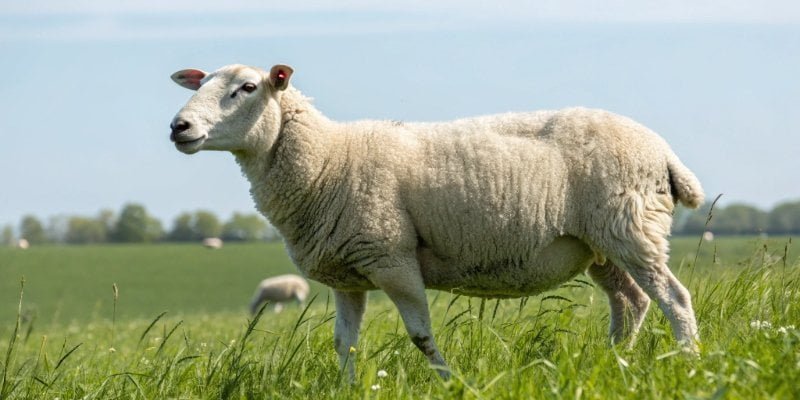
The breed you choose has a direct impact on the scale you need to buy. I learned this years ago when a client bought a scale designed for small goats, only to realize his new Lincoln rams were going to be twice the weight. He had to buy a second scale within a year. Don't make that mistake. Plan your scale purchase around the maximum weight of the breed you intend to raise.
Matching Scale Capacity to Your Breed
Different sheep breeds3 have vastly different adult weights. A smaller breed like a Cheviot might top out around 75 kg, but a large Suffolk ram can easily exceed 150 kg. Your scale must be able to handle the heaviest animal on your farm, which is typically a mature ram. Always check the breed standard for typical weight ranges before you buy a scale.
Plan for Growth
My best advice is to buy a scale with a capacity that is higher than your expected maximum weight. For most beginners raising wool or meat sheep, a platform scale with a capacity of at least 200 kg is a safe bet. This gives you a buffer. It ensures the scale will continue to serve you as your flock grows, or if you decide to switch to a larger breed later. You only want to buy a scale once.
| Breed | Typical Ewe Weight | Typical Ram Weight | Recommended Scale Capacity |
|---|---|---|---|
| Katahdin | 55-75 kg (120-165 lbs) | 80-115 kg (180-250 lbs) | 200 kg+ |
| Dorper | 80-100 kg (175-220 lbs) | 100-120 kg (220-265 lbs) | 200 kg+ |
| Southdown | 60-80 kg (130-180 lbs) | 85-105 kg (190-230 lbs) | 200 kg+ |
| Lincoln | 90-115 kg (200-250 lbs) | 115-160 kg (250-350 lbs) | 400 kg+ |
How many sheep can 1 acre support?
You have a plot of land and want to raise sheep, but you are not sure how many it can handle. Overstocking can destroy your pasture and your sheep's health.
On average, one acre of good-quality pasture can support 2 to 4 sheep. This number changes a lot based on your location's rainfall, soil quality, and grazing management style.
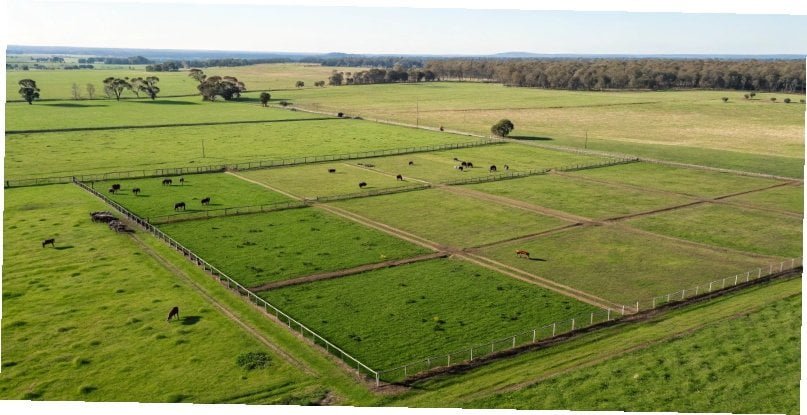
The carrying capacity4 of your land determines your maximum flock size. A homesteader with one acre may have 4 sheep, while someone with ten acres might have 40. As your flock grows, your management needs to become more efficient. Weighing 4 sheep with a portable scale is easy. Weighing 40 sheep one by one becomes a long, difficult chore. Your weighing system needs to scale with your operation.
Weighing Solutions for Different Farm Sizes
If you are managing a larger flock (more than 20 sheep), it's time to think about a fixed weighing station5. The time you save can be spent on other important farm tasks. A permanent setup is also much safer for both you and the animals, as it reduces the wrestling match that can happen with a simple portable scale. It turns a dreaded chore into a smooth, efficient process.
Designing a Fixed Weighing Station
A fixed station is more than just a scale. It's a system. We recommend starting with a durable platform scale like the Rice Lake MAS-LC, which is certified for accuracy (NTEP certified). You'll install this scale in a high-traffic area, like an alleyway leading from a pen. The crucial addition is a pen or cage built onto the scale platform. This keeps the animal contained and still, making the process fast and stress-free. It's the mark of a professional operation and ensures you get reliable data every single time. And remember, electronic scales like these should be calibrated every 6 months to maintain their accuracy.
| Setup Type | Best for Acreage/Flock Size | Key Components | Pros |
|---|---|---|---|
| Portable | < 5 acres / < 20 sheep | Portable scale with handles/wheels | Flexible, lower cost, easy storage |
| Fixed Station | > 5 acres / > 20 sheep | Platform scale, pen/cage, fixed location | Efficient, safe, handles large volume |
Conclusion
Choosing the right sheep scale depends on your flock size, breed, and goals. Start small, get comfortable with your system, and invest in quality equipment that helps you grow.
-
Discover the advantages of portable scales for sheep, perfect for small flocks and easy to store. ↩
-
Discover how data storage in scales can help you track individual animal performance over time. ↩
-
Discover the best sheep breeds for beginners, ensuring a successful start to your sheep farming journey. ↩
-
Learn how to assess your land's carrying capacity to ensure healthy grazing for your sheep. ↩
-
Understand the concept of a fixed weighing station and its advantages for managing larger flocks. ↩



Comments (0)