
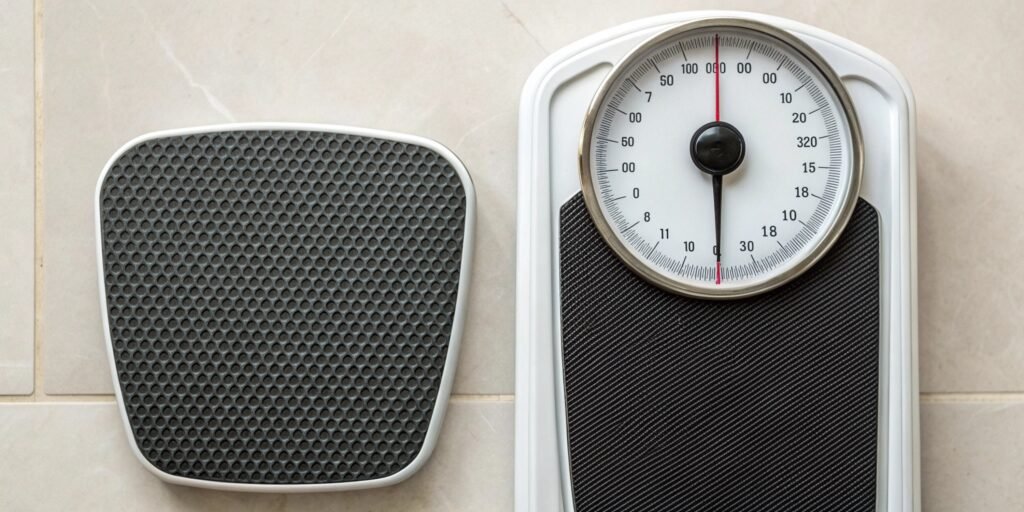
Struggling to decide between traditional analog and modern digital scales? The wrong choice can lead to inaccurate measurements, costing you time and money. You need a reliable solution for your business.
The reliability of a scale, whether analog or digital, truly depends on your specific needs and how well it is maintained. For high precision and data integration, a digital scale is more reliable. For durability in harsh environments, an analog scale often proves more dependable.
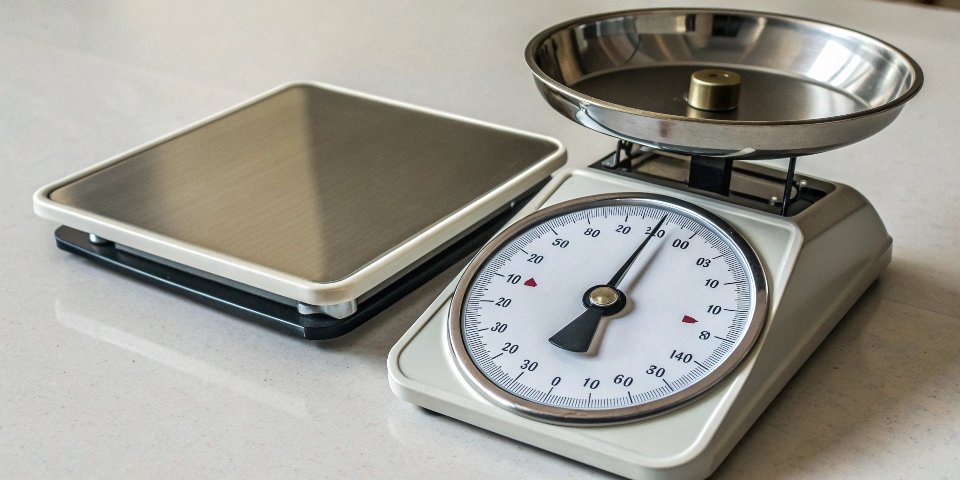
Choosing the right scale is a critical decision. In my 18 years in the industrial scale business, I've helped countless clients navigate this choice. It’s not just about new versus old technology. It's about finding the perfect fit for your specific job. Let’s break down the key factors to help you understand which type of scale will be the most reliable partner for your operations. We will look at their differences, accuracy, pros and cons, and the best situations for each.
What are the main differences between analog and digital scales?
You see two scales that do the same job, but one has a dial and the other a screen. This simple difference hides a lot of technical variation that can impact your work.
The main difference is their core mechanism. Analog scales use springs and a physical dial to show weight. Digital scales use electronic sensors called load cells and display the weight numerically on an LCD screen, often offering more features.

In my experience, the choice often comes down to how they operate and what they offer beyond just a weight reading. Digital scales are part of the modern, connected world. They can talk to other devices, which is a huge advantage for businesses that rely on data, like software providers integrating with smart hardware. Analog scales are self-contained and don't need external power. This makes them incredibly resilient in certain situations. To really understand which is better for you, we need to compare them side-by-side.
| Feature | Analog Scale (Mechanical) | Digital Scale (Electronic) |
|---|---|---|
| Mechanism | Springs and levers | Electronic load cells1/sensors |
| Display | Physical dial with a needle | Digital screen (LCD/LED) |
| Power Source | None required | Battery or AC power |
| Precision | Lower (e.g., to the nearest kg/lb) | Higher (e.g., to fractions of a gram) |
| Connectivity | None | Can connect to computers, printers, IoT |
This table gives a basic overview. The choice impacts everything from your daily workflow to your long-term maintenance costs.
Which type of scale offers better accuracy: analog or digital?
You need precise measurements for your inventory or production. An inaccurate scale can throw off your entire process. So, which one can you trust more for accuracy?
Digital scales almost always offer better accuracy and precision. Their electronic sensors can detect tiny weight variations, providing readings to multiple decimal places (like 0.1 grams), while analog scales are typically only accurate to the nearest larger unit (like 0.1 kilograms).

Let's dive deeper into why this is the case. An analog scale's accuracy depends on a spring. Over time, this spring can stretch or weaken from use or temperature changes. This leads to a gradual loss of accuracy. You can recalibrate it, but it will never match the fine resolution of an electronic sensor.
A digital scale measures weight using a load cell. This device converts force into an electrical signal. This signal is then processed and displayed as a precise number. Because it's an electronic process, it can be calibrated to be extremely accurate for tasks like chemical formulation or parts counting. However, this accuracy depends on stable conditions. Factors like temperature fluctuations, low battery power, or even radio frequency interference can cause the readings to drift. That's why regular calibration2 is so important for digital scales, especially in professional environments. So, while digital scales are inherently more accurate, their reliability depends on a controlled environment and proper upkeep.
What are the pros and cons of using a digital scale versus an analog one?
Choosing a scale isn't just about accuracy. You're worried about cost, durability, and ease of use. Every technology has its trade-offs, and weighing scales are no exception.
Digital scales offer high precision and data connectivity but require power and are more sensitive. Analog scales are durable and power-free but lack precision and advanced features. The right choice balances these pros and cons against your specific operational needs.

I often advise clients to think about their entire workflow. A scale is a tool, and the best tool is the one that makes your job easiest. For a client in software, the pros of a digital scale are often deal-breakers.
Digital Scales: The Modern Choice
The biggest advantage of a digital scale, especially for a tech-focused company, is connectivity. Our IoT scales can send weight data directly to your software, inventory management system, or the cloud. This automates data entry, eliminates human error, and provides real-time insights. The precision is another major plus. However, they have downsides. They need a power source, which means dealing with batteries or cables. They are also more susceptible to damage from moisture and dust, although many of our industrial models come with IP67 protection to guard against this. Finally, repairs can be more complex and costly than with a simple mechanical scale.
Analog Scales: The Traditional Workhorse
The beauty of an analog scale is its simplicity and durability. With no electronic parts, it doesn’t need batteries and is less likely to fail in dusty or damp environments. Maintenance is straightforward, often just needing a simple tune-up. I've seen analog scales3 last for decades on farms and construction sites. The main con is their lack of precision. For rough estimates, they are fine. But for anything requiring exact measurements, they fall short. They also offer no data output, which makes them a poor fit for any automated or data-driven process.
When should you choose an analog scale over a digital scale?
You have a limited budget and a tough working environment. A sophisticated digital scale seems like overkill and might not even survive. Is this a situation where old technology is better?
You should choose an analog scale when durability, simplicity, and cost are more important than high precision. They are ideal for harsh environments without stable power, such as construction sites, farms, or for basic, high-volume weighing tasks.
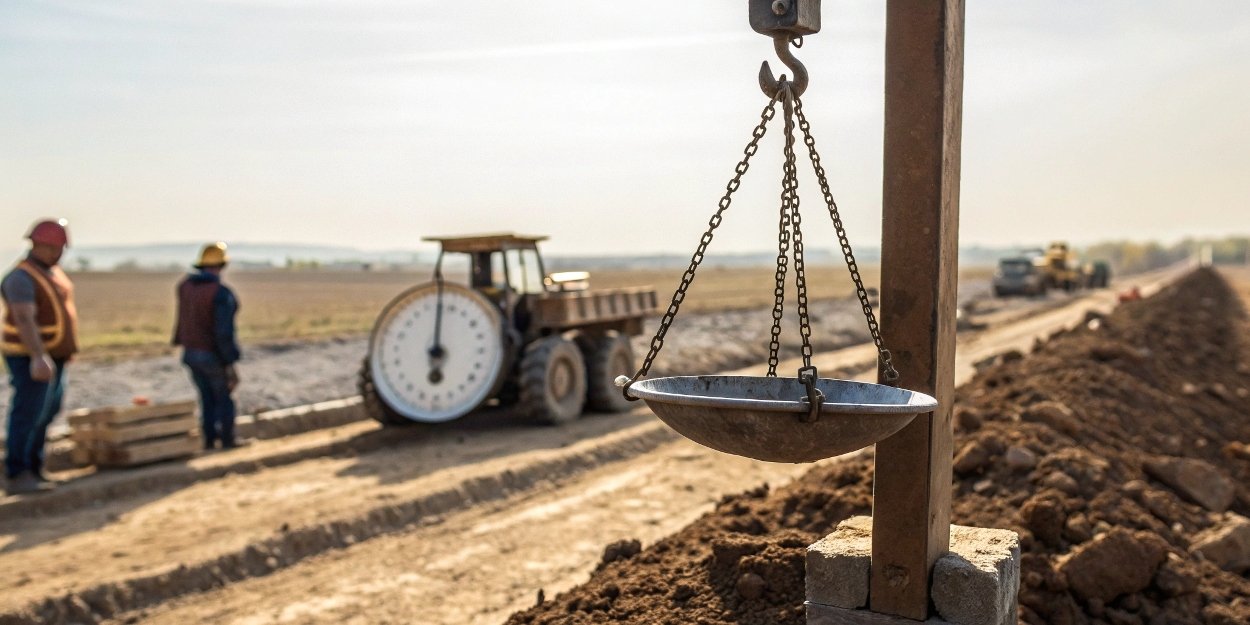
There are absolutely times when I recommend an analog scale. A few years ago, we worked with a client who managed waste collection at remote construction sites. They didn't need gram-level accuracy; they needed to know the approximate tonnage of debris. The sites were dusty, muddy, and had no reliable electricity. A high-tech digital scale would have been a disaster. An analog platform scale was the perfect solution. It was tough, required no power, and gave them the reliable, "good enough" measurements they needed.
Here are a few scenarios where analog might be the smarter choice:
- Budget-Constraint Projects: Analog scales are significantly cheaper upfront.
- No Power Access: Perfect for fieldwork, agriculture, or temporary job sites.
- Harsh Conditions: When a scale will be exposed to dirt, impacts, and moisture, a simple mechanical design is often more resilient.
- Basic Weighing: If you're just checking produce at a market or weighing large, non-critical items, the lower precision of an analog scale is perfectly acceptable.
However, if your process requires precise ingredient mixing, quality control checks, transaction records, or integration with software, you must choose digital. The decision hinges on the question: is "close enough" good enough for you?
Conclusion
So, for reliability, choose digital scales for precision and data needs, and analog scales for durability in tough, power-free settings. Remember, regular maintenance is key to any scale’s performance.


Comments (0)