
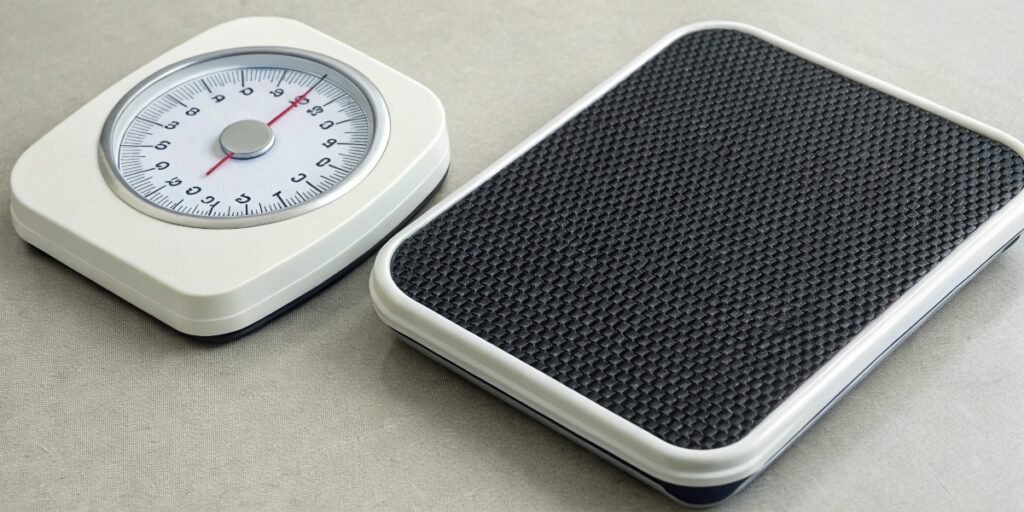
Choosing the right scale can be confusing. An incorrect choice leads to inaccurate measurements and workflow issues. We'll break down which scale type is truly better for your needs.
Yes, for most applications, digital scales are better than analog scales. They offer superior accuracy, advanced features like data logging and unit conversion, and are much easier to read, which reduces human error. Analog scales are simpler and don't require a power source, making them useful in specific situations.
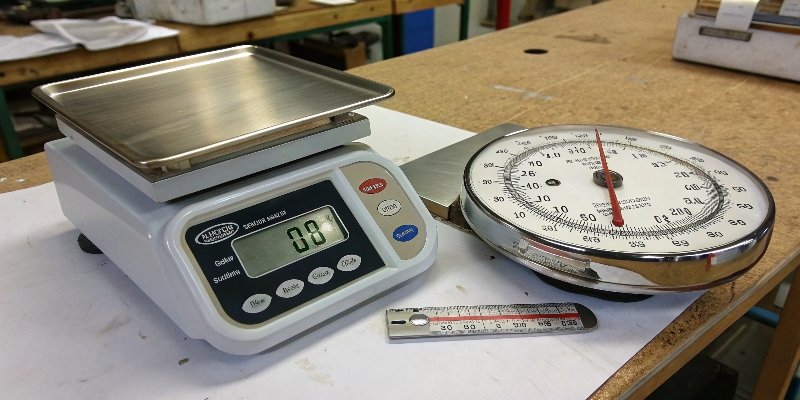
That's the quick answer, but the "best" scale truly depends on what you're using it for. The clear winner for a high-tech lab might be the wrong choice for a rugged outdoor market. To make the right decision, you need to understand the specific strengths and weaknesses of each. Let's dig deeper into the details to see which one is the perfect fit for you.
What are the main advantages of digital scales over analog scales?
You're wondering if upgrading to a digital scale is really worth it. Sticking with an old analog scale could mean falling behind with inefficient workflows and questionable accuracy in your operations.
The main advantages of digital scales are their exceptional precision, expanded functionality, and ease of use. They provide instant, easy-to-read results and can offer features like auto-tare, data memory, and even Bluetooth connectivity for seamless integration with other systems, which analog scales simply cannot do.
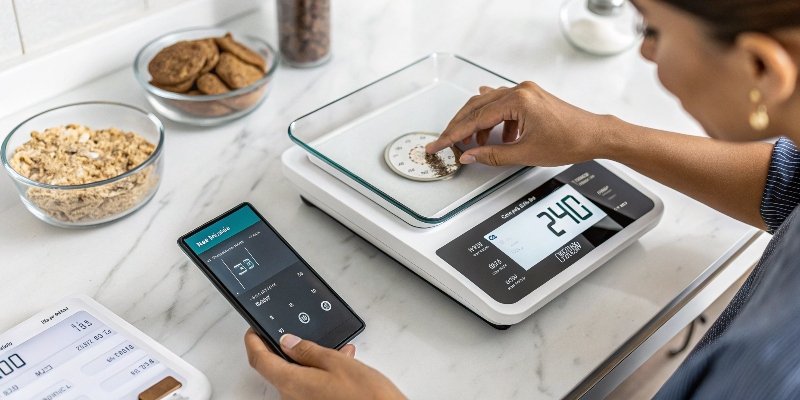
In my 18 years of manufacturing industrial scales1, the shift to digital has been a game-changer for our clients. It's not just about getting a number; it's about what you can do with that number.
Unmatched Accuracy and Functionality
Digital scales are built around electronic load cells, which provide a level of precision2 that mechanical springs can rarely match. Where an analog scale might have an error margin of 0.25%, a standard digital scale easily achieves 0.1% or better. For our clients in labs or quality control, this difference is critical. But the real advantage lies in the features. With digital scales3, you can:
- Log Data: Automatically record weights for inventory management or quality audits. This is huge for our commercial clients who need to track everything.
- Connect Devices: Many of our IoT scales4 integrate directly with company software, sending weight data5 to the cloud. This helps software vendors create powerful, connected solutions for their customers.
- Switch Units: Instantly convert from grams to ounces to pounds with the press of a button.
Here’s a quick comparison based on what we see every day:
| Feature | Digital Scale | Analog Scale |
|---|---|---|
| Precision | High (Error ≤0.1%) | Lower (Error ~0.25%-0.5%) |
| Functionality | Data logging, unit conversion6, connectivity | Basic weighing only |
| Readability | Clear digital display, no guesswork | Manual reading, prone to human error |
| Stability | Highly resistant to environmental changes | Affected by temperature and wear |
This level of performance is why digital now dominates most professional and home environments.
In what situations might analog scales outperform digital scales?
You assume digital is always the answer. But what happens when you're in a tough environment without power, or you just need a simple tool that won't break your budget?
Analog scales are better in situations without a reliable power source, such as outdoor field work, remote agricultural settings, or markets. They are also a great budget-friendly option for basic weighing tasks where pinpoint accuracy and advanced features are not necessary.

Despite our focus on high-tech digital and IoT solutions, I always tell clients not to completely dismiss analog scales7. They have a rugged simplicity that electronics can't always replicate. I remember a customer who worked in a remote mining operation where consistent electricity was a luxury. For their rough, on-site material estimates, a durable, purely mechanical scale was far more reliable than a digital one that could run out of battery or get damaged by power surges.
Simplicity and Durability
The strength of an analog scale lies in its simplicity.
- No Power Needed: This is their number one advantage. They can operate anywhere, anytime, making them indispensable for fieldwork or as a backup during power outages.
- Cost-Effective: Their simple mechanical design makes them significantly cheaper to produce and purchase. If all you need is a basic weight reading, an analog scale gets the job done for a fraction of the cost.
- Durability in Certain Conditions: While a high-IP-rated digital scale can handle dust and water, a fully mechanical scale has no sensitive electronics to fry in extreme humidity or electrical storms.
So, while digital scales win on features, analog scales win on raw, power-free simplicity and cost for basic needs.
How do accuracy and reliability compare between digital and traditional analog scales?
You need measurements you can trust every single time. Inaccurate data leads to wasted materials, poor quality control, and lost profits, making reliability a non-negotiable part of your work.
Digital scales are fundamentally more accurate, with laboratory models reaching 0.001% precision, while analog scales typically have an error rate of 0.25%-0.5%. For reliability, digital scales maintain their accuracy over time, whereas analog scales can degrade due to mechanical wear and tear.
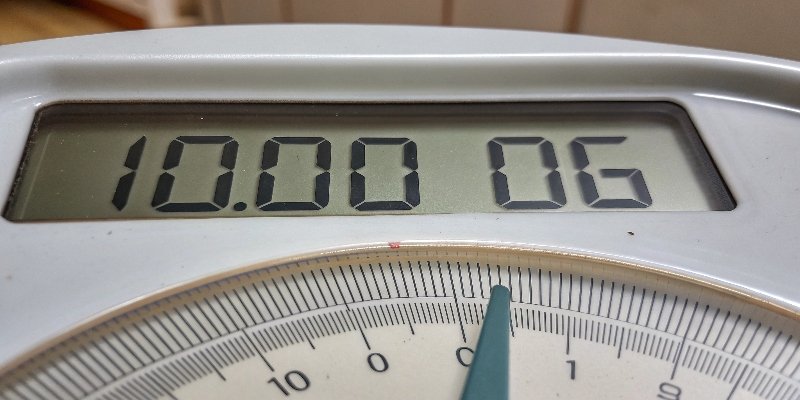
At Weigherps, every scale we ship goes through rigorous testing in our quality control department, so I see the performance differences firsthand. A digital scale's accuracy comes from its load cell and processor, which translates force into a precise electrical signal. An analog scale relies on a spring or a system of levers; these parts can stretch, rust, or wear down over time, causing the readings to drift.
A Closer Look at Performance
- Initial Accuracy: Right out of the box, a digital scale is calibrated to a much finer degree. This is essential for industries where small variations matter, like pharmaceuticals or chemical mixing.
- Long-Term Reliability: Digital scales are very stable, but their reliability depends on the quality of their electronic components. A well-made digital scale will give you consistent readings for years. At our company, we back this with a 12-month service guarantee. An analog scale's reliability is tied to its physical condition. If it gets dropped or overloaded, the mechanism can be permanently damaged, and it will require frequent recalibration to stay remotely accurate.
The bottom line is that for professional applications requiring trustworthy, repeatable results, digital scales are the more reliable choice.
What factors should be considered when choosing between digital and analog weighing scales?
You're ready to buy a scale, but you're not sure how to make the final choice. Choosing the wrong one is an expensive mistake you'll have to deal with every day.
When choosing, you must consider four key factors: your required accuracy, the features you need (like data transfer), your work environment (is power available?), and your budget. The most important factor is your specific application—a kitchen scale has different needs than an industrial one.
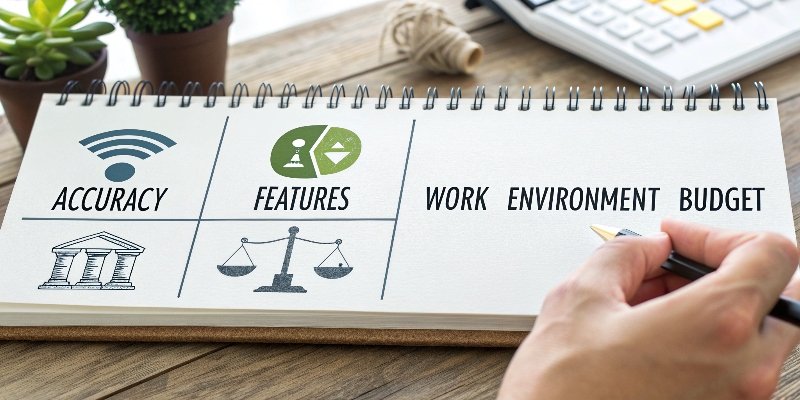
Helping clients choose the right scale is a huge part of what we do. It’s about tailoring the solution to their unique market needs. Based on my experience, here’s a simple framework to guide your decision-making process.
For Home Users
For everyday kitchen use, a basic digital scale is your best bet. It offers great accuracy for recipes and is very affordable. If you have kids or need portion control, look for one with easy unit conversion and an auto-off feature to save battery.
For Industrial and Commercial Users
In a professional setting, the choice almost always leans toward digital.
- High-Precision Digital Scales: For labs, manufacturing, or shipping, you need accuracy and data. Consider a scale with a high IP rating8 (like IP67 or IP68) if it will be used in dusty or wet environments.
- IoT and System Integration: For tech-forward businesses like software providers, an IoT-enabled scale is a must. The ability to push weight data directly into your inventory or logistics software is a massive efficiency booster. We specialize in building these custom systems for our clients.
Final Purchase Tips
Before you buy, think about maintenance. For digital scales, check the battery life and consider a rechargeable model for convenience. For analog scales, especially if buying used, check the lever's responsiveness to ensure it hasn't worn out.
Conclusion
Digital scales offer superior precision and features for modern needs. Analog scales provide simple, power-free weighing. Your specific application and environment will always determine the best choice for you.
-
Explore the essential features of industrial scales that cater to professional and commercial use. ↩
-
Learn why precision is vital in various applications and how digital scales excel in this area. ↩
-
Explore the advantages of digital scales, including accuracy and advanced features that can enhance your workflow. ↩
-
Discover the innovative features of IoT scales and how they can enhance your business operations. ↩
-
Discover how accurate weight data can optimize your inventory management processes. ↩
-
Find out how easy unit conversion can simplify your weighing tasks and enhance usability. ↩
-
Learn about the unique situations where analog scales outperform digital options, especially in rugged environments. ↩
-
Understanding IP ratings can help you choose scales that withstand harsh environments. ↩


[…] Getting that perfect measurement seems simple, but there is a science to it. I have spent 19 years in the weighing industry, and I have seen how tiny mistakes lead to big problems. Let's break down the process step-by-step. Proper technique is not just about getting the right number. It is about reliability and trust in your data. Are you ready to master your digital scale1? […]