
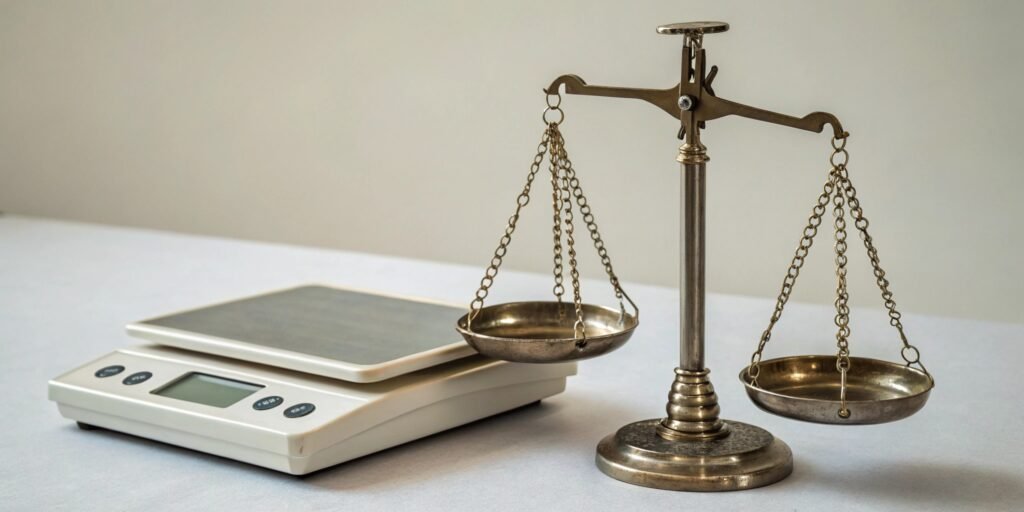
Are you confused by the terms "weighing scale" and "weighing machine"? Using the wrong word in our industry can lead to misunderstandings. Let me help clarify the key differences.
In daily use, these terms are nearly interchangeable. But in a professional context, a "weighing scale" typically refers to a smaller, simpler device. A "weighing machine" is used for larger, more complex industrial systems that may be automated or integrated with other equipment.
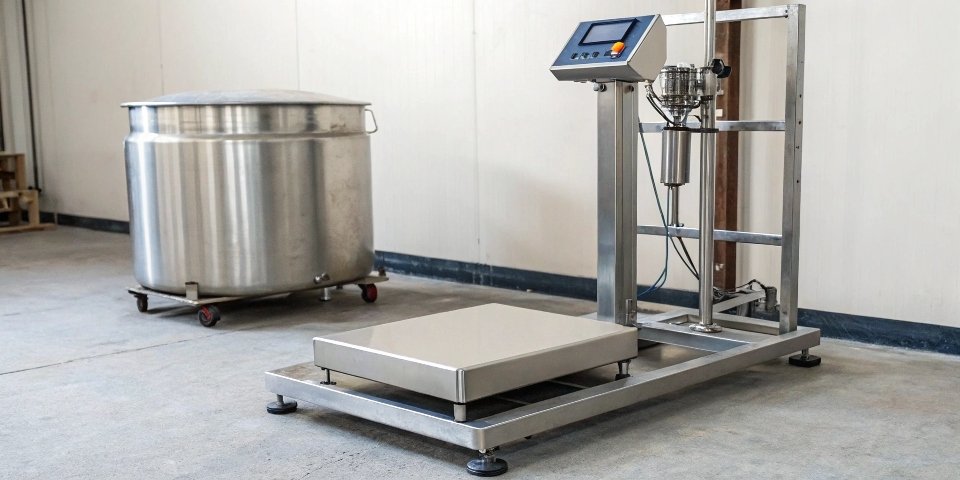
This distinction might seem small, but it's very important in the world of industrial weighing1. As a manufacturer for over 18 years, I've seen how a small mix-up in terminology can lead to big problems in a project quote or system design. It can mean the difference between getting a simple device and a complex, integrated solution. Let's look closer at what sets them apart, so you can always communicate your needs with perfect clarity.
What is the difference between a weighing scale and a weighing machine?
Do you need a simple scale or a complex machine? Choosing the wrong one can waste your budget and hurt your production line's efficiency. Let's break down the main differences.
The key difference lies in complexity and application. Scales are generally smaller, portable devices for basic weight measurement. Weighing machines are larger, often automated systems designed for heavy-duty industrial tasks and integration.

Let's dive deeper into what these terms mean in practice. At my company, Weigherps, we produce both, and guiding our clients to the right choice is a huge part of what we do. The decision always comes down to the specific job you need the equipment to perform.
Characteristics of a Weighing Scale
Think of a "weighing scale" as a straightforward tool. Its main job is to tell you how much something weighs, and that's it. These devices are typically smaller and sometimes portable. Examples include kitchen scales, bathroom scales, or the bench scales you see in a local market or a lab. Their design is focused on simplicity and providing an immediate, clear weight reading. They use sensors to measure the force of gravity on an object and display it as weight. Their strength is in their ease of use and directness.
Characteristics of a Weighing Machine
A "weighing machine2" is more like a complete system. This term is better for large, heavy-duty, or automated equipment. Think of the massive platform scales used for weighing pallets in a warehouse, the weighbridges3 for trucks, or the dynamic checkweighers4 on a conveyor belt. These are not just measuring weight; they are part of a larger process. They often include extra functions like data logging, connecting to a network, or controlling other machinery. For example, a sorting machine might weigh a package and then use that data to divert it to the correct chute. It's a "machine" because it's performing an automated task based on weight.
| Feature | Weighing Scale | Weighing Machine |
|---|---|---|
| Size & Portability | Typically small, compact, often portable. | Usually large, heavy, and permanently installed. |
| Complexity | Simple, with a primary function of weighing. | Complex, often with multiple components and functions. |
| Application | Retail, home, lab, light commercial use. | Industrial, logistics, automation, heavy-duty tasks5. |
| Integration | Standalone, rarely integrated. | Designed for integration with software6 and other systems. |
Are the terms 'scale' and 'weighing machine' used interchangeably?
Have you ever worried that you might be using the wrong term when talking to a supplier? This can sometimes cause confusion. Let’s discuss when you can swap these terms and when it’s better not to.
Yes, in casual, everyday conversation, most people use "scale" and "weighing machine" interchangeably. However, in technical or professional settings like ours, using the specific term adds precision and avoids costly mix-ups.

The context you are in really determines whether the two terms mean the same thing. If you are baking at home and ask for a weighing machine, you will still end up with a kitchen scale. The meaning is clear from the situation. But in our business, that flexibility disappears.
Casual vs. Professional Language
In daily life, no one will correct you. If you say, "I need a weighing machine to check my luggage," everyone knows you mean a portable luggage scale. The context of travel and personal use makes your intention clear. But when you are a Purchasing Manager or a Technical Director sourcing equipment for a factory, the stakes are much higher. I once had a client request a quote for "weighing scales" for their new warehouse. My team prepared a quote for several high-capacity floor scales. It turned out they needed a fully automated "weighing machine" that could weigh, label, and sort hundreds of packages per hour and integrate with their management software. The initial quote was completely wrong because of that one-word difference. That experience taught me to always clarify the application from the very beginning.
Why Precision Matters in Our Industry
For a software vendor looking to integrate your product with weighing hardware, precision in language is critical. Describing your need as a "machine" signals that you require a system with communication protocols, APIs, and potential for automation. Saying you need a "scale" might suggest a simple device with just a display. This distinction directly impacts:
- Project Scope: It defines whether we are just supplying hardware or designing a full solution.
- Quotation: A machine with software integration will have a very different cost from a standalone scale.
- Technical Requirements: It tells our engineers what kind of connectivity and data output is needed.
Using the right term shows you understand the technical landscape and helps suppliers like us give you a faster, more accurate response.
In what contexts is the term 'weighing machine' more appropriate?
Are you unsure when you should specifically use the term "weighing machine"? Using "scale" for a complex system can understate its capabilities and your real needs. Let's look at the scenarios where "weighing machine" is the best choice.
You should use "weighing machine" when talking about large industrial systems, automated production line equipment, or any weighing device that is integrated with software for data processing and control, like in an IoT system.
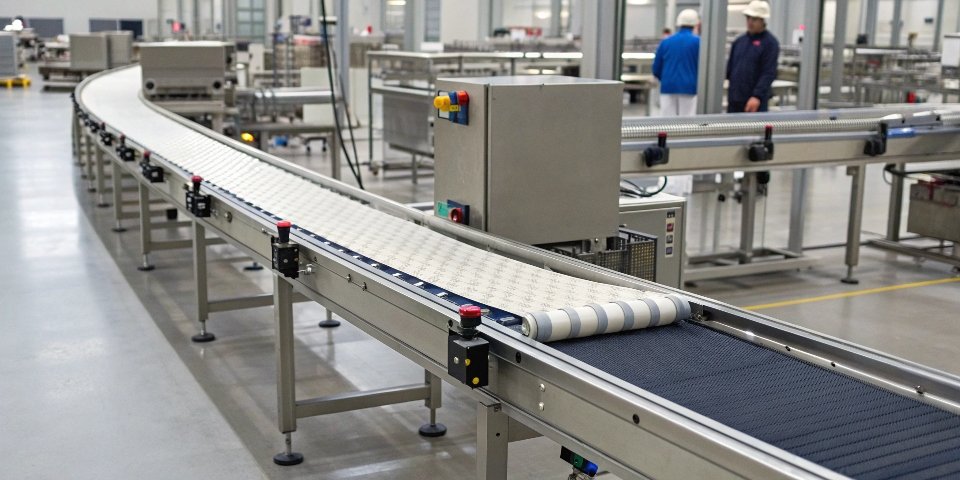
When the equipment does more than just display a number, it has graduated from a simple scale to a machine. After 18 years of building these systems, I can tell you the distinction is all about function and integration.
Industrial and Logistics Systems
In industrial settings, you deal with heavy loads and large items. Here, "weighing machine" is the standard term. This includes:
- Truck Scales (Weighbridges): These are massive installations for weighing entire vehicles. They are complex machines embedded in the ground.
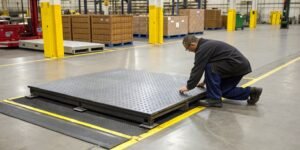
- Floor and Platform Scales: While some may call them scales, they are often part of a larger logistics workflow for weighing pallets and containers, so "machine" is also very appropriate.
Automated Production Lines
This is where the term "machine" is most fitting. In a factory, weighing is often one step in a longer automated process.
- Checkweighers: These machines are installed on conveyor belts. They weigh every product that passes over them at high speed and can reject items that are over or under the target weight. They are actively sorting and controlling quality.
- Filling and Dosing Machines: These machines use a weighing component to fill bags, boxes, or bottles to a precise weight. Weighing is part of their mechanical function.
IoT and Integrated Solutions
This is especially relevant for you as a software vendor. When a weighing device connects to a network to send and receive data, it is an active part of your IT infrastructure. It's no longer just a passive tool. We call this an IoT weighing machine7. It might track inventory levels in real-time, provide data for production analytics, or integrate with your enterprise resource planning (ERP) software. In this context, calling it a "machine" or a "weighing system" properly reflects its advanced capabilities and its role within a larger technological ecosystem.
How is a 'weighing balance' different from a 'weighing scale'?
Now another term comes into play: "weighing balance." Are you feeling confused again? Using the wrong term here could mean ordering a device with completely the wrong level of precision for your needs.
A "weighing balance" is a high-precision instrument that measures mass, often used in scientific or laboratory settings. A "weighing scale" measures weight (the force of gravity) and is generally used for commercial and industrial purposes where super-high precision isn't necessary.
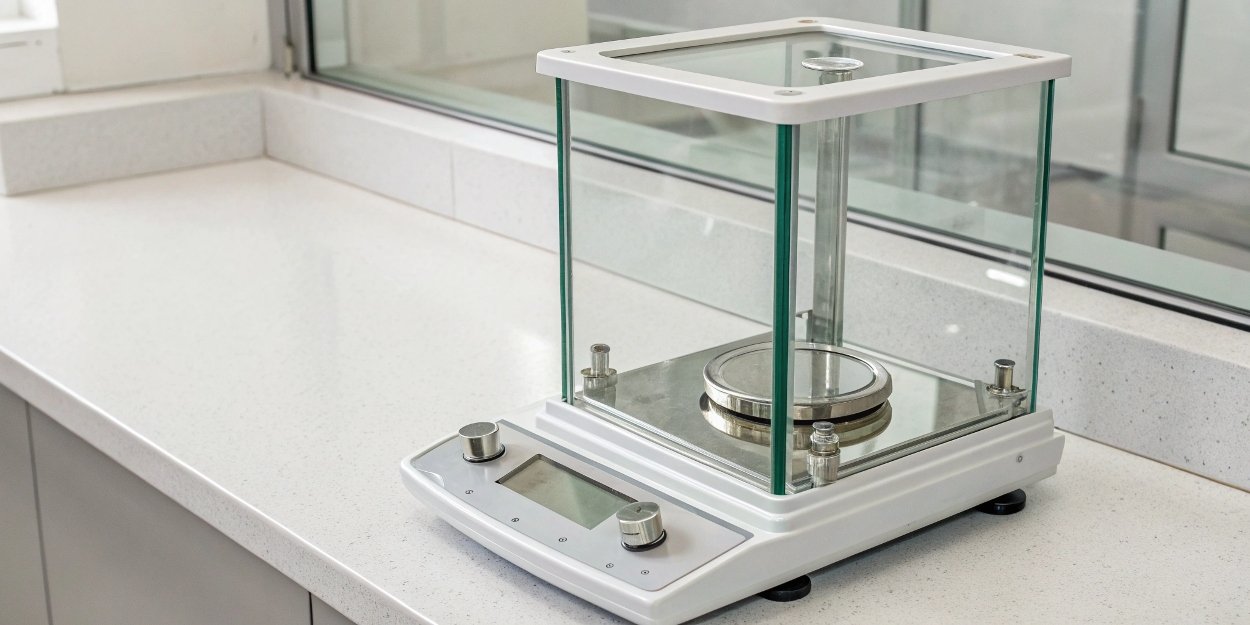
The difference between a balance and a scale is the most technical one we've discussed, but it's also one of the most important. It comes down to what is being measured and how accurately.
Mass vs. Weight
This is the core scientific difference. A "weighing scale" measures weight, which is the force exerted on an object by gravity. This is why an object's weight can technically change slightly depending on where you are on Earth. A "weighing balance8," on the other hand, measures mass. It does this by comparing an unknown mass to a known mass. Because it's a comparison, it is not affected by local variations in gravity. For almost all industrial and commercial purposes, this difference is academic. But in a scientific setting, it's crucial.
Precision and Application
The practical difference is all about precision.
- Balances are built for extreme accuracy. They are used in laboratories, pharmaceutical development, and research to measure very small quantities with high readability (e.g., to 0.001g or even smaller). They are very sensitive and often have a glass enclosure, called a draft shield, to prevent air currents from affecting the measurement.
- Scales are built for durability and practical use in environments like warehouses, factories, and stores. Their precision is fit for their purpose—measuring in kilograms or grams, not milligrams.
| Feature | Weighing Balance | Weighing Scale |
|---|---|---|
| Measures | Mass (comparison) | Weight (force of gravity) |
| Precision | Extremely high (e.g., 0.001g) | Good to moderate (e.g., 1g, 10g, or 0.1kg) |
| Application | Laboratory, scientific research, pharmaceuticals. | Industrial, commercial, logistics, home use. |
| Environment | Controlled, clean lab environment. | Can be used in harsh industrial environments. |
Conclusion
While often used interchangeably, "machine" implies industrial complexity, and "balance" means scientific precision. Choosing the right term ensures you get the right tool and a more accurate quote for your job.
-
Learn about the critical role of industrial weighing systems in manufacturing and logistics. ↩
-
This resource clarifies the distinctions between weighing machines and scales, essential for accurate communication in industrial contexts. ↩
-
Discover the significance of weighbridges in logistics and transportation. ↩
-
Understand the function of checkweighers in quality control and production efficiency. ↩
-
Explore the types of heavy-duty tasks that require specialized weighing machines. ↩
-
Learn about the integration of weighing machines with software for enhanced functionality. ↩
-
Learn about the integration of IoT technology in weighing machines and its impact on data management. ↩
-
This resource explains the critical differences between balances and scales for accurate measurements. ↩


Comments (0)