
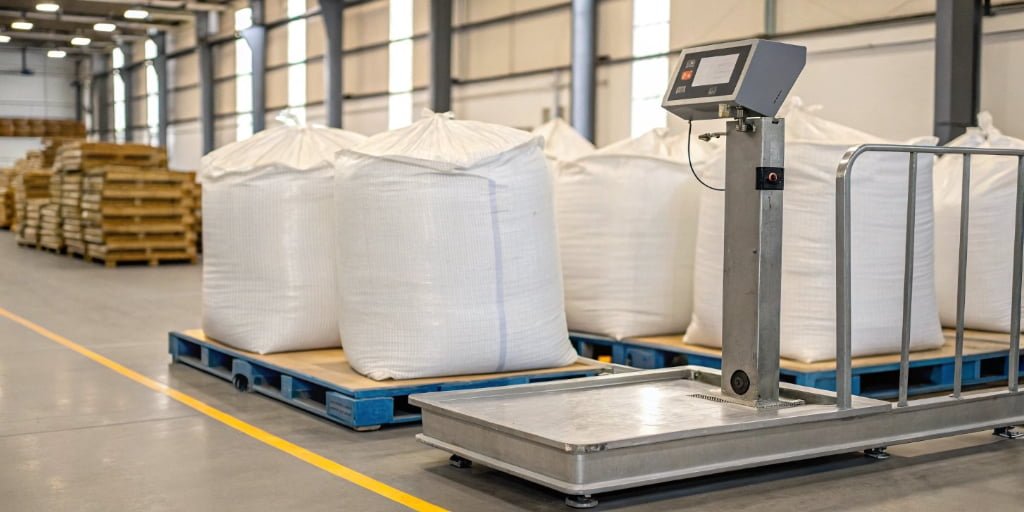
Struggling with inaccurate measurements that eat into your profits? These small errors compound with every shipment, creating huge losses and damaging partner trust. Mastering tare weight is the key.
Tare weight is the weight of an empty container, pallet, or packaging. It's crucial because you must subtract it from the total (gross) weight to find the net weight of the product itself. This ensures accurate pricing, inventory control, and regulatory compliance.

This concept seems straightforward, but its impact on your bottom line is massive. In my 18 years of manufacturing industrial scales, I've seen how overlooking the details of taring can lead to significant financial leakage1. For software vendors like you, ensuring your systems can accurately process this data is non-negotiable. It's the bedrock of any logistics, warehousing, or ERP software. Let's delve deeper into why this simple measurement is so powerful and how you can perfect it in your operations.
What is tare weight and why is it important?
You think you are paying for the product, but are you also paying for the box? Without correct taring, these costs add up, silently eroding your profits.
Tare weight is the weight of packaging, like a container or pallet. It's important because it allows you to calculate the net weight—the actual weight of your product. This ensures fair pricing, accurate shipping costs, and compliance with trade regulations.

In my experience, the importance of tare weight breaks down into three core areas. Getting this right isn't just about good practice; it's fundamental to running a profitable and efficient business. For your software, this data is the input that drives countless calculations, from billing to inventory management.
For Financial Accuracy
The most direct impact is on cost. Your customers pay for the product (net weight2), not the pallet it sits on. If you incorrectly calculate tare weight, you are either overcharging your client, which erodes trust, or undercharging, which hurts your bottom line. We design our scales with high-precision sensors3 to capture this data reliably, so the information flowing into your software is always correct.
For Operational Efficiency
Imagine a busy warehouse. Manually noting down container weights, then the gross weight4s, and doing the math for every pallet is slow and prone to human error. Modern industrial scales with an automatic tare function streamline this process. An operator can place an empty container, press 'TARE,' and the scale automatically subtracts that weight from subsequent measurements. This data can be sent directly to your Warehouse Management System5 (WMS) via an API6, dramatically increasing throughput and accuracy.
For Regulatory Compliance
Many industries are governed by strict weights and measures regulations. Shipping documents, like the Bill of Lading, must list the gross, tare, and net weights accurately. Discrepancies can lead to fines, shipment delays, and legal issues. Reliable tare weight measurement is your first line of defense, ensuring every shipment is compliant from the start.
How to determine tare weight?
Need to find the product's true weight, but the container's weight is in the way? Guesswork leads to disputes and costly errors that your systems will amplify.
To determine tare weight, you can weigh the empty container on a scale. Alternatively, you can place the empty container on the scale and press the "TARE" button. This sets the display to zero, so only the weight of the product added afterward is shown.

Determining tare weight seems simple, but choosing the right method depends on your workflow. The method you choose directly impacts speed, accuracy, and how easily the data integrates with management software. As a software provider, understanding these physical workflows helps you design more intuitive and effective solutions for your clients.
Methods for Determining Tare Weight
There are a few common methods we see our clients use. Each has its place.
| Method | Description | Best For |
|---|---|---|
| Direct Weighing | Weigh the empty container, pallet, or vehicle first. Record this weight as the tare weight. Then, weigh the loaded container to get the gross weight. | Highest accuracy, situations where pre-weighing is possible, and when manually tracking weights. |
| Using the Tare Function | Place the empty container on the scale and press the 'TARE' key. The scale's display resets to zero. When you add the product, the scale shows the net weight directly. | Fast-paced environments like packaging lines or logistics hubs. It reduces calculation errors. |
| Stored Tare (Preset Tare) | If you use standardized containers (e.g., all your pallets are identical), you can pre-program this known weight into the scale's memory. | Highly repetitive tasks with uniform packaging. It's the fastest method but relies on container consistency. |
For your technical directors and purchasing managers, the key is integration. Our IoT-enabled scales7 can execute these functions and transmit the results—gross, tare, and net—directly to your software. This removes the chance of manual entry errors and creates a seamless data trail from the physical world to your digital ledger. This is the kind of efficiency our OEM partners build their brands on.
What is the formula for tare weight?
You see gross, net, and tare on every shipping document, but what's the real math? Confusing them can cause major accounting headaches and logistics failures for your clients.
The formula isn't for tare weight itself, but how it's used: Net Weight = Gross Weight - Tare Weight. Here, Gross Weight is the total combined weight, and Tare Weight is the container's weight.
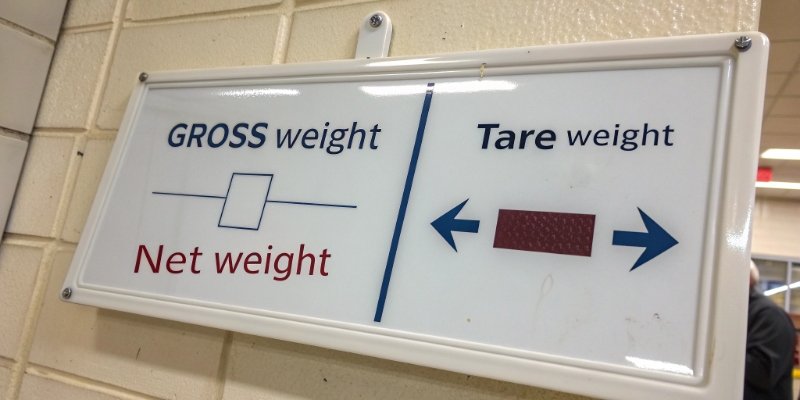
This basic equation is the language of commerce and logistics. As a software vendor, your systems must handle these three variables flawlessly. Incorrectly defining or calculating one of them can ripple through a company's entire supply chain. Let's break down each component, as we often explain to our new clients.
The Three Key Variables
- Gross Weight: This is the total weight of everything. It includes the product, the packaging, the pallet, and any wrapping or strapping. When a truck drives onto one of our weighbridges, the first reading is its gross weight.
- Tare Weight: This is the weight of all the packaging and a vehicle without the product. For that same truck, its weight after unloading the goods is the tare weight. This is the figure you must isolate and subtract.
- Net Weight: This is the weight of the product alone. It is the most important number for commercial transactions, as it represents what the customer is buying. It is a calculated value, not a directly measured one in most bulk applications.
Here is a practical example:
| Item | Weight | Description |
|---|---|---|
| Gross Weight | 25,000 kg | A truck full of gravel drives onto the scale. |
| Tare Weight | - 10,000 kg | The same truck, after dumping the gravel, is weighed again. |
| Net Weight | = 15,000 kg | The calculated weight of the gravel that was delivered. |
Our weighing systems are designed to automate this. The scale can store the first weight (gross), measure the second (tare), and automatically calculate and transmit the net weight to your software. This automation prevents costly errors and fraud.
What is the tare weight of a 40ft container?
Planning a big international shipment but don't know the container's weight? Underestimating it can lead to overloading fines, while overestimating it means shipping less product than you could.
The tare weight of a standard 40-foot dry cargo container is typically between 3,500 kg and 4,200 kg (about 7,700 to 9,260 lbs). For the exact weight, you must always check the CSC plate on the container's door.
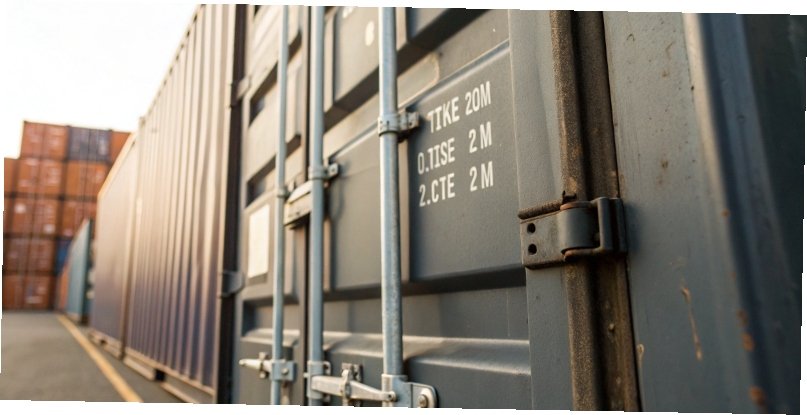
As a manufacturer who ships products globally, this is a question I deal with weekly. While a general range is useful for initial planning, you cannot rely on an estimate for final documentation. The exact tare weight is critical, and it varies more than people think.
Why Container Tare Weights Vary
The tare weight of a 40ft container isn't a single standard number. It changes based on several factors:
- Container Type: A standard dry container is the lightest. A "high cube" container is taller and slightly heavier. A refrigerated container ("reefer") is significantly heavier due to its insulation and cooling machinery.
- Materials and Construction: Different manufacturers use slightly different designs and steel thicknesses, affecting the final weight.
- Repairs: Over its life, a container might undergo repairs that add weight.
Finding the Exact Weight: The CSC Plate
Every shipping container has a Container Safety Convention (CSC) plate, usually on the left door. This plate is the legal source of truth. It lists critical data, including:
- Manufacturer information
- Date of manufacture
- Maximum Gross Weight
- Tare Weight
Here is a table of typical tare weights to give you an idea of the variation:
| Container Type | Typical Tare Weight (kg) | Typical Tare Weight (lbs) |
|---|---|---|
| 40' Standard Dry | 3,750 kg | 8,267 lbs |
| 40' High Cube (HC) | 3,900 kg | 8,598 lbs |
| 40' Refrigerated (Reefer) | 4,800 kg | 10,582 lbs |
For your software, having a field for the user to input the exact tare weight from the CSC plate8 is essential for accurate load planning9 and legal compliance. Verifying the final gross weight with a vehicle scale, like our weighbridges, before dispatch closes the loop and ensures the data in your system matches the physical reality of the shipment.
Conclusion
Mastering tare weight ensures financial accuracy and operational efficiency. It's a simple step that is fundamental to modern industry, building trust and protecting profits for you and your customers.
- Understanding financial leakage can help you implement measures to protect your profits. ↩
- Learn how net weight impacts pricing and compliance, making it essential for your business operations. ↩
- Learn how high-precision sensors improve measurement accuracy, crucial for financial success. ↩
- Understanding gross weight is vital for accurate shipping and billing, preventing costly errors. ↩
- Discover how a WMS can streamline your operations and improve accuracy in inventory management. ↩
- Understanding APIs can enhance your software's integration capabilities, improving operational efficiency. ↩
- Discover how IoT technology can revolutionize your weighing processes and data management. ↩
- The CSC plate is crucial for verifying tare weight and ensuring compliance in shipping. ↩
- Effective load planning is crucial for maximizing shipping efficiency and minimizing costs. ↩



Comments (0)