
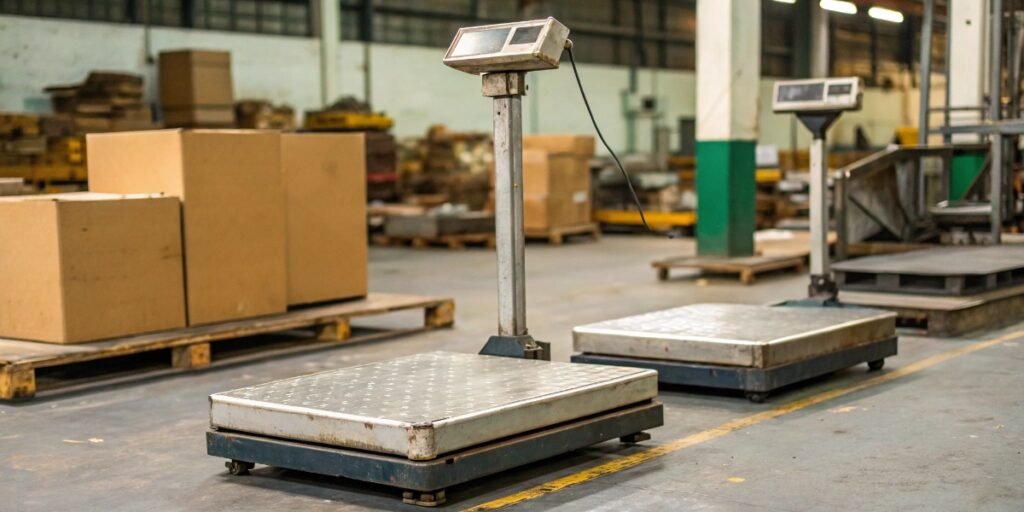
Inaccurate scales cost you money and sabotage your quality control. You are not sure if the issue is serious, but waiting to find out could lead to even bigger problems.
The most common signs it’s time for a replacement are inconsistent readings, constant drift from zero, visible physical damage, frequent error codes, and a repair cost that is over half the price of a new scale. When these appear, replacement is often the best choice.
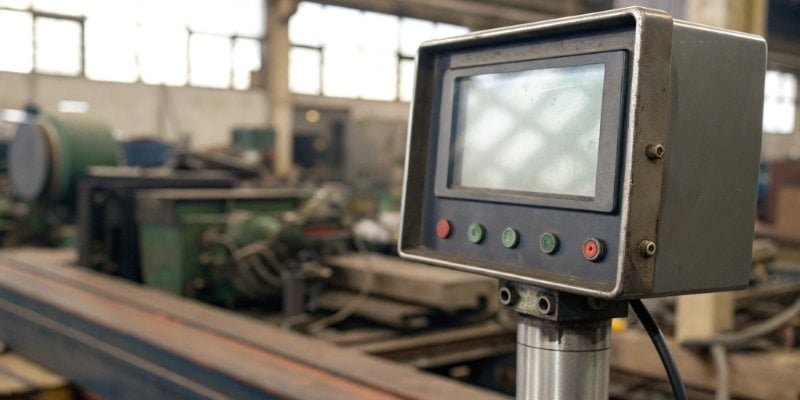
These warning signs are your scale's way of telling you it needs attention. Ignoring them can lead to production downtime, wasted materials, and unhappy customers. But if you know what to look for, you can make a smart decision that protects your business. Let's look closer at these issues.
How do you know if your scale is broken?
Your scale gives a different reading for the same item. This makes your inventory and production data unreliable. You need to know if the scale is truly broken or just needs a simple fix.
You can tell your scale is broken if it consistently fails a repeatability test using a certified weight, shows persistent error codes, or has obvious physical damage like a cracked display or dented platform. These issues go beyond simple calibration and point to a deeper hardware failure.
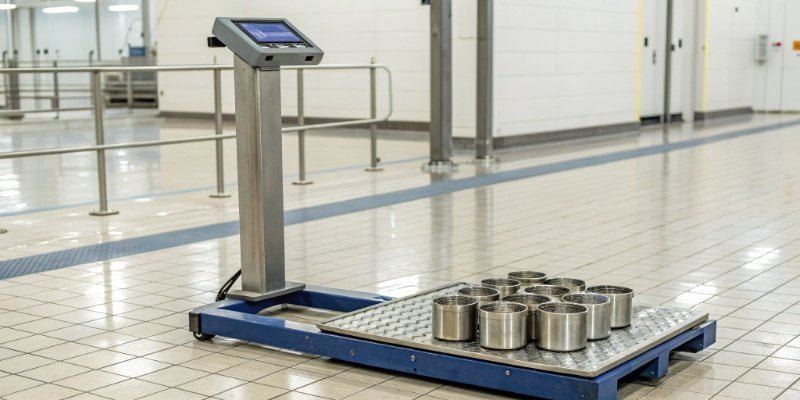
There are a few simple ways to check for a serious problem. You do not need to be a technician to spot the biggest red flags. I have seen many clients save themselves from a major production headache by doing these quick checks. It’s all about knowing what to look for and understanding what it means.
Basic Diagnostic Checks
The first step is to perform a simple test. Take a weight you know is accurate, like a certified test weight, and place it on the scale. Remove it, then place it on the scale again. Do this five times. If you get a different reading each time, the scale has a repeatability problem. This is a common sign that the internal load cell is failing.
Visual Inspection and Error Codes
Next, do a quick visual check. Look for frayed cables, cracks in the housing, or damage to the weighing platform. I once had a client who ignored a small crack on their floor scale. A forklift later drove over it, the crack worsened, and moisture got inside, completely ruining the electronics. Also, pay attention to the display. Modern scales will show error codes when something is wrong. Your user manual can tell you what these codes mean. Some are simple fixes, but others indicate a critical hardware failure.
| Symptom | Potential Problem | Action |
|---|---|---|
| Unstable Readings | Damaged Load Cell | Call Technician |
| Drifting Zero | Debris or Levelling Issue | Check and Clean |
| Error Code | Electronic Fault | Check Manual / Call Us |
| No Power | Bad Cable or Power Supply | Check Power Source |
When should you replace your scale?
Your old scale needs another repair. You are spending more and more money to keep it running. You wonder if it is better to just buy a new one.
You should replace your scale when the estimated repair cost exceeds 50% of the price of a new, comparable model. It is also time to replace it if it lacks modern features you need, like data connectivity, or if spare parts are no longer available.
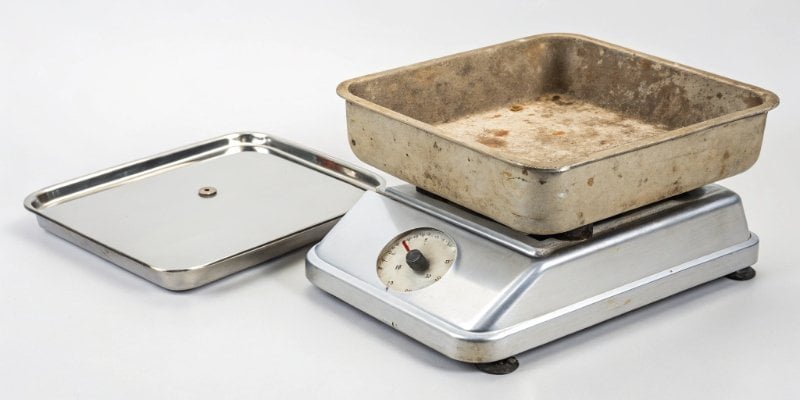
Deciding between repair and replacement is a financial calculation. At our company, we help customers with this choice every day. The answer is not always obvious, but a simple rule can make it much clearer. You have to think about more than just the immediate repair bill. The long-term costs and benefits are just as important.
The 50% Rule for Repairs
Here is a practical rule we advise our clients to follow. If a new scale costs $3,000, and a repair for your old one is quoted at $1,600, you should strongly consider a replacement. Pouring that much money into old equipment is risky. The old scale might have other parts that are close to failing. A new scale comes with a full warranty, the latest technology, and peace of mind. Investing in new equipment is often a smarter long-term financial decision.
Technology and Parts Availability
Sometimes the decision is not about cost. It is about capability. Many of our customers are upgrading their factories with IoT devices and automated systems. An old scale without a digital output or network connectivity cannot be part of that system. A replacement is not just a fix; it is an upgrade that improves your entire operation. Also, for scales that are over 10 years old, it can be very difficult for us to find the right spare parts. At that point, a replacement becomes the only practical option.
Can weighing scales break?
You bought a heavy-duty industrial scale. It looks strong and you expect it to last forever. But even the toughest machines can fail if they are not used correctly.
Yes, absolutely. Weighing scales can and do break. The most common causes are sudden impacts from dropping heavy items, consistent overloading beyond their capacity, and environmental damage from water or corrosive chemicals. These actions can permanently damage the sensitive internal load cell.
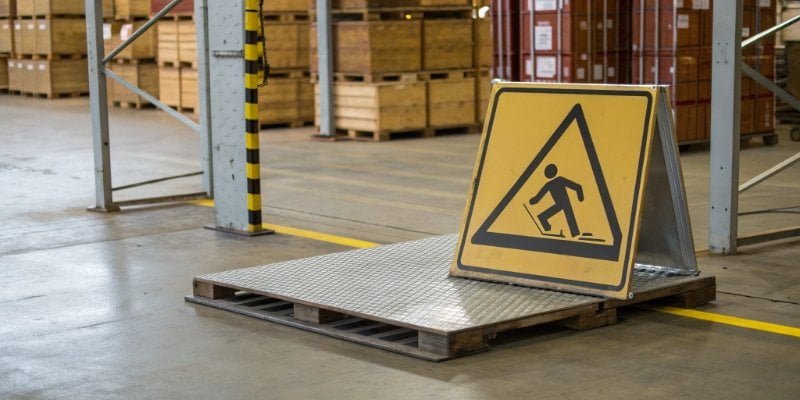
I have been in this business for 18 years, and I have seen scales break in many ways. While our products are built to be tough, they are still precise measuring instruments. Understanding how they can break is the first step to preventing it from happening. Protecting your investment is easy if you know the main risks.
Load Cell Damage
The load cell is the heart of your scale. It is a highly sensitive sensor that measures the force of the weight. When you drop a heavy pallet on the scale or consistently load it beyond its maximum rated capacity, you can cause permanent damage to the load cell. I visited a client’s facility where the operators were dropping heavy metal castings onto the scale from a small height. This shock loading eventually caused the load cell to fail, and the readings became completely unreliable. Training your staff on proper loading procedures is crucial.
Environmental and Electrical Issues
Your work environment plays a big role in the lifespan of your scale. Water is the enemy of electronics. In food processing or chemical plants, we always recommend scales with a high IP rating, like IP67 or IP68, to protect against moisture. Dust and corrosive materials can also get inside and cause damage over time. Another common issue is electrical surges. A simple power surge can fry the main circuit board. Using a surge protector1 is a small, inexpensive way to prevent a very costly repair.
How to fix a broken weighing scale?
Your main production scale just stopped working. Every minute of downtime is costing you money. You need to get it running again, but you are not sure where to start.
First, perform basic checks. Ensure the scale is level, plugged in, and there is no debris under the platform. Then, try recalibrating it with known test weights. If these simple steps do not work or you see an error code, it is best to call a professional technician.
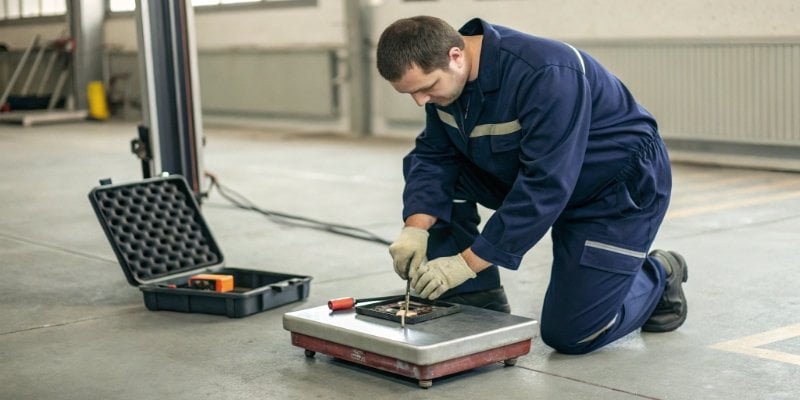
When a scale goes down, the first instinct is to try and fix it immediately. While there are a few things you can safely check yourself, it is important to know when to stop and call for help. Trying to fix a complex electronic issue without the right training can often make the problem much worse. As a manufacturer, our goal is to get you back up and running as quickly as possible.
What You Can Do First
Before you call for service, run through a quick checklist. First, check the power cord and outlet to make sure the scale is receiving power. Second, use a spirit level to confirm the scale is perfectly flat. An unlevel surface will cause inaccurate readings. Third, look underneath the weighing platform for any dirt, loose bolts, or other objects that could be interfering with the mechanism. These simple things solve a surprising number of issues. If you have certified test weights, you can also try running the calibration procedure2 as described in your manual.
When to Call a Professional
If you have done all the basic checks and the scale is still not working correctly, it is time to call for professional help. If the display is showing an error code, or if you suspect there is internal damage, do not attempt to open the scale housing. You could void your warranty or cause further damage. Our technicians have the diagnostic tools3 and expertise to find the root cause of the problem safely and efficiently. Regular preventative maintenance4 from a qualified technician is the best "fix" because it stops problems before they start.
Conclusion
Know the signs of a failing scale. Compare repair costs to replacement costs to make a smart choice. A reliable scale is not an expense; it is a core part of your business.
-
Learn how surge protectors can prevent costly damage to your scales from electrical surges. ↩
-
Mastering the calibration procedure ensures your scales provide accurate and reliable measurements. ↩
-
Familiarizing yourself with diagnostic tools can help you troubleshoot and resolve scale issues effectively. ↩
-
Regular maintenance can prevent issues before they arise, saving you time and money in the long run. ↩


Comments (0)