

A project's success hinges on its weakest link. When that link is faulty hardware, it can derail timelines and damage your reputation, even when it's not your fault.
The best way to ensure hardware quality is to partner directly with a proven original equipment manufacturer (OEM). This manufacturer should offer full technical support for seamless integration with your software, cutting out middlemen and guaranteeing accountability from a single, reliable source.
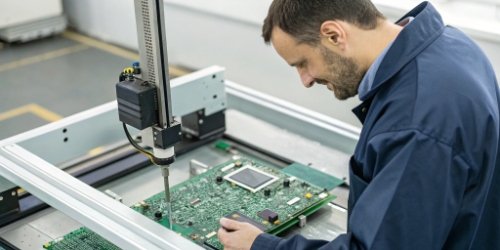
We all know the pressure of delivering a flawless system integration project. The client's expectations are high, and the technical challenges are complex. The hardware you choose forms the physical foundation of the entire system. If that foundation is shaky, everything you build on top of it is at risk. Let's break down how to build that solid foundation and ensure every project is a success story for you and your client.
How will you ensure that system integration is successful?
A project looks perfect on paper. Then, a single hardware integration failure can derail the entire timeline, leading to endless troubleshooting and unhappy clients. Success starts long before you write any code.
Successful system integration depends on three pillars: selecting reliable hardware from a true manufacturer, ensuring open communication with their technical team, and conducting thorough pre-launch testing. This proactive approach prevents common pitfalls and guarantees a smooth rollout for your clients.

A successful integration is not an accident; it's the result of a deliberate strategy. It's about mitigating risks early and building partnerships that support your project from start to finish. I've been in the weighing industry for nearly 20 years, and I've seen firsthand what separates the smooth projects from the chaotic ones. It almost always comes down to the quality of the hardware partner1ship. You need more than just a device in a box; you need a collaborator who is invested in your project's outcome.
The Foundation of Hardware Reliability
The most critical step is choosing the right partner. In China, where I am based, I see many software companies that present themselves as hardware manufacturers. They are just resellers. They lack control over production, quality, and the core technology. As an integrator, you must work directly with an OEM/ODM manufacturer. This gives you direct access to the source, ensuring the product quality is high and that it has passed rigorous tests and holds certifications like CE2. A true manufacturer controls the entire process, from raw materials to final pre-shipment testing. This direct line of accountability is your best defense against hardware failure.
The Communication Bridge for Integration
Once you have a reliable manufacturer, open communication is key. A good hardware partner will provide comprehensive SDKs3, clear API documentation4, and direct access to their engineering team. When your developers have a question about a data protocol, they shouldn't have to go through a salesperson or a reseller's support desk. They need to talk to the people who actually designed the hardware. This direct communication can turn a week-long roadblock into a one-hour solution. It transforms the relationship from a simple transaction into a true technical partnership, which is essential for complex integration projects.
What are some examples of good practices when selecting hardware and software?
Choosing the wrong components can create a cascade of compatibility nightmares. You're left with a system that's clunky, insecure, and impossible to scale for your client's future needs.
Good practices include prioritizing hardware with clear API documentation and strong technical support. Always verify manufacturer credentials to avoid resellers. For software, choose solutions known for stability and compatibility. Finally, conduct small-scale pilot tests before committing to a full deployment.

Selecting the right components is part science, part experience. It's about looking beyond the spec sheet and understanding how a piece of hardware or software will behave within your specific ecosystem. Over the years, I've learned that the "best" product isn't always the one with the most features. It's the one that is the most reliable, best supported, and easiest to integrate. Your goal as an integrator is to build a robust, cohesive system, and that starts with making smart choices about every single component. Here's a more structured way to look at it.
Your Vendor Selection Checklist
The single most important practice is vetting your vendor. Is the company you're talking to a genuine manufacturer with its own factory and R&D team, or are they a trading company or software house that just rebrands products? Ask for a factory tour, even a virtual one. Ask to speak directly with their engineers. In my experience, a true manufacturer is proud to show their production capabilities and technical expertise. They will have a dedicated team ready to support system integrators. A reseller, on the other hand, will often be a black box, unable to provide the deep technical support5 you'll inevitably need.
Here is a table to simplify the process:
| Practice | Hardware Considerations | Software Considerations |
|---|---|---|
| Vet Your Vendor | Is it a true manufacturer or a reseller? | Does it have a strong track record of stability? |
| Check Support | Is there a dedicated technical team for integrators? | Is documentation clear and is support responsive? |
| Test for Scale | Can it handle increased production demands? | Can it manage more users/data without slowing down? |
| Plan for Future | Is the hardware firmware easily updatable? | Are there regular updates and a clear roadmap? |
What is system integration in project management?
Many people see system integration as just a technical task that happens late in the project. This view leads to budget overruns and missed deadlines when different parts fail to connect as planned.
In project management, system integration is the process of coordinating all subsystems and components to function together as a unified whole. It's not just a technical step; it's a continuous management activity that ensures all parts meet the project's overall objectives.

Thinking of integration as a core part of project management6 changes your entire approach. It forces you to consider how components will work together from the very beginning, during the planning phase, rather than trying to force them together at the end. It's the difference between building a house from a single, coherent blueprint versus trying to staple together four different rooms designed by four different architects. A project manager's job is to oversee that blueprint from start to finish.
Integration During the Planning Phase
Success starts here. During planning, you are not just defining features; you are defining your technology stack and your partners. This is the stage where you should select your hardware manufacturer. By choosing an OEM partner who understands the needs of system integrators, you can build your project plan on a solid foundation. You can define communication protocols7, establish direct lines of contact between your technical team and theirs, and get access to the necessary documentation early. This proactive approach eliminates a huge amount of uncertainty and risk from the project schedule. It makes the integration process a known, manageable task instead of a future problem.
Execution and Monitoring
During the execution phase, the actual work of connecting systems begins. If you chose the right hardware partner in the planning phase, this part becomes much smoother. Your team has the APIs, SDKs, and engineering support they need to build the connections efficiently. As a project manager, your role here is to monitor progress and facilitate communication. Regular check-ins between your software developers and the hardware provider's engineers are critical. They help solve small issues before they become major roadblocks, keeping the project on time and within budget. This collaborative process8 is the heart of a successful integration.
What is the role of an integrator in control systems?
As an integrator, your clients see you as the magician who makes everything work together seamlessly. But when one small sensor fails to communicate, the entire "magic" show can fall apart quickly.
The integrator's role in control systems is to be the central hub that connects disparate hardware and software components. You are responsible for designing, implementing, and verifying that all parts—from sensors to software—communicate effectively to achieve a specific operational goal.

Your role extends far beyond just writing code or connecting cables. You are the architect, the problem-solver, and ultimately, the one who delivers value to the client. The control system you build might manage a manufacturing line, a logistics warehouse, or a complex piece of scientific equipment. Its reliability is paramount, and that reliability rests on your ability to make every component speak the same language. This is a huge responsibility, which is why your choice of hardware partner is so impactful.
The Architect of Communication
Your first job is to design the entire system's data flow9. You decide how a signal from a weighing scale on the factory floor gets to the inventory management software in the office. This requires a deep understanding of both your software's capabilities and the hardware's communication protocols. I've found that the best hardware partners make this easy. They provide weighing equipment with clear, well-documented protocols and flexible data output options. This allows you, the architect, to design an elegant and efficient communication structure, rather than fighting with proprietary, poorly documented hardware.
The Ultimate Problem-Solver
No matter how well you plan, problems will arise. When they do, you are the first person the client calls. Your value is measured by how quickly you can diagnose and solve these issues. This is where having a direct line to your hardware manufacturer is a game-changer. Instead of wasting days navigating a reseller's support system, you can connect directly with an engineer who understands the product intimately. What could have been a project-threatening issue can often be resolved in a single call. This ability to solve problems quickly is what builds trust with your clients and establishes your reputation as a reliable integrator.
Conclusion
Ensuring hardware quality starts with one key decision: partnering with a true manufacturer. This single choice simplifies integration, guarantees support, and lays the foundation for project success.
-
Discover the key qualities that make a hardware partner reliable and effective for your projects. ↩
-
Understanding CE certification can help you assess the quality and safety of hardware components. ↩
-
Learn how Software Development Kits (SDKs) can streamline the integration process. ↩
-
Explore how clear API documentation can simplify integration and enhance collaboration. ↩
-
Explore how technical support can enhance your integration process and prevent costly delays. ↩
-
Understanding project management's role can improve your integration strategy and execution. ↩
-
Understanding communication protocols is vital for ensuring all components work together effectively. ↩
-
Learn how collaboration can lead to more successful integration outcomes and client relationships. ↩
-
Explore strategies for designing efficient data flow to ensure seamless communication between components. ↩



[…] a software vendor or a tech director, "API4" is a familiar term. It is the modern language of system integration. While built-in reports […]
[…] OEM/ODM experience3, certifications (e.g., CE), strict testing […]