
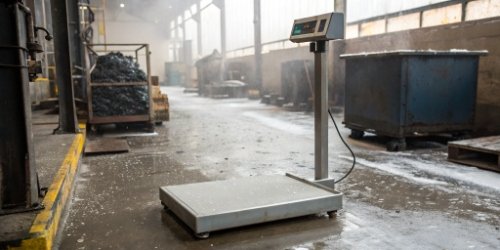
Worried your scales will fail in tough factory settings? Downtime costs money and creates chaos. The right label printing scales are built specifically to withstand wet, dusty, and cold environments.
Yes, they can operate effectively in these challenging conditions. Industrial-grade label printing scales use specific features like high IP ratings for water and dust resistance, durable stainless steel housing, and internal components designed for extreme temperatures. This ensures reliable performance where standard scales would quickly fail.
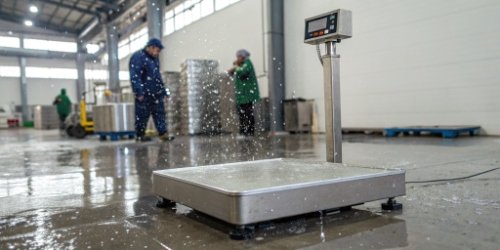
So, the short answer is yes. But you probably want to know how they do it. It’s not just about a tough exterior. Many specific design choices and features allow these scales to perform reliably day after day, no matter the conditions. Let's look closer at what makes these scales so resilient and how they adapt to different challenges. We’ll break down the features that matter most for your operations.
What features enable label printing scales to function in harsh industrial settings?
Buying a new scale feels like a gamble. Will it really survive your factory floor? The wrong choice means endless repairs. Look for specific features that prove its toughness.
Critical features include high IP ratings (like IP67/IP68) for complete water and dust proofing, stainless steel construction for corrosion resistance, and fully sealed keypads, load cells, and displays. These elements protect sensitive electronics from damage and ensure long-term operational reliability.
It's not just about picking a scale off the shelf. Real industrial strength comes from specific design choices. As a manufacturer with 19 years of OEM/ODM experience1, we've learned that every detail matters for our clients.
Material and Structural Integrity
The first line of defense is the material. We often use 304 or even 316-grade stainless steel for the scale's housing. This isn't just for looks; it actively resists rust and corrosion from water, cleaning agents, and industrial chemicals. The frame is also built to absorb impacts, protecting the delicate load cells2 inside from accidental drops or bumps from moving equipment.
Sealing and Protection Ratings
You will often see an "IP rating" on industrial scales. This tells you exactly how well it's protected against dust and water. We ensure our key components are completely sealed to meet these high standards.
| IP Rating | Dust Protection | Water Protection |
|---|---|---|
| IP65 | Dust-tight | Protected against low-pressure water jets |
| IP67 | Dust-tight | Protected against temporary immersion in water |
| IP68 | Dust-tight | Protected against continuous immersion in water |
Customized Hardware Protection
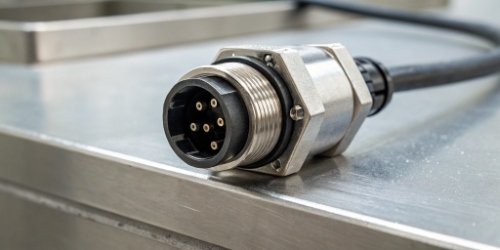
This is where we go a step further. Based on your specific environment, we can customize the physical protection measures. For example, in a food processing plant with harsh chemical washdowns3, we will add extra shielding around the load cell and use fully waterproof connectors. We can apply special coatings to the circuit boards, creating a robust barrier against moisture. This tailored approach, a core part of our service, ensures the most critical hardware survives your unique challenges.
How do label printing scales adapt to wet, dusty, and cold environments?
Your facility is a triple threat: wet, dusty, and cold. Standard scales freeze up or get clogged, stopping work. You need a scale that adapts to all these challenges.
They adapt through targeted solutions. For wet areas, they use waterproof enclosures and smart drainage. For dust, sealed components prevent internal contamination. For cold, internal heaters or temperature-resistant LCDs are used to keep electronics and displays functioning correctly within their operational range.
A good industrial scale doesn't just resist the environment; it adapts. Each challenge requires a different engineering solution. At Weigherps, we engineer our scales to tackle these issues head-on, drawing from our deep expertise in industrial weighing, automation, and IoT technology.
Dealing with Wetness
In places like meatpacking plants or fisheries, daily high-pressure washdowns4 are normal. Our scales handle this with more than just an IP rating. The housing is designed with sloped surfaces to prevent water from pooling on top. We use high-quality, continuous gaskets instead of simple seals, creating a truly watertight barrier. All cable entry points are sealed with waterproof glands, so moisture can't creep in and short-circuit the electronics.
Fighting Off Dust
For dusty places like bakeries, flour mills, or chemical plants, the biggest enemy is fine particulate matter. Dust can clog the printing mechanism and coat sensitive electronics, causing overheating and eventual failure. We use fully sealed enclosures to keep dust out completely. For extremely fine or combustible dust, we can even design systems with positive air pressure, where a fan pushes filtered air into the housing, making it physically impossible for dust to enter.
Surviving the Cold
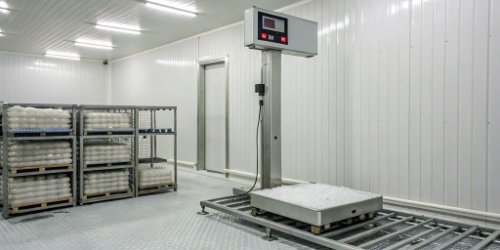
In cold storage, the problem isn't just the low temperature; it's condensation. When the scale is moved or the freezer door is opened, warmer, moist air can get inside and freeze on the circuit boards. We integrate low-wattage internal heaters that maintain a stable temperature inside the scale's enclosure. This prevents both condensation and keeps LCD displays from becoming slow or unreadable. The printer mechanism also uses special lubricants that don't thicken in the cold, ensuring labels feed smoothly.
What environmental conditions are label printing scales designed to withstand?
The term 'durable' is vague. You need to know the specific limits. Guessing if a scale can handle your environment is a big risk, one that could cost you dearly.
Typically, they are designed for temperatures from -10°C to 40°C (14°F to 104°F) and in humidity up to 95% non-condensing. They also withstand exposure to common industrial cleaning agents and resist vibrations found near heavy machinery in manufacturing and logistics settings.
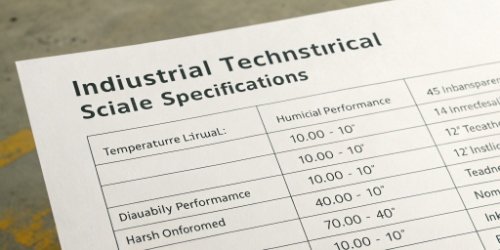
To make an informed decision as a purchasing manager or technical director, you need to look at the technical specifications. We are always transparent about what our scales can handle because we want you to have the right tool for the job. Our quality control department rigorously tests every unit to ensure it meets these standards before it ships.
Core Operating Parameters
Most of our industrial label printing scales5 are built to perform reliably within a specific set of conditions. These are the typical benchmarks we test for:
| Parameter | Standard Operating Range | Notes |
|---|---|---|
| Temperature | -10°C to 40°C (14°F to 104°F) | Custom models with heaters available for colder environments. |
| Humidity | Up to 95% RH (non-condensing) | Sealed design and internal heating prevent condensation damage. |
| Ingress Protection | IP65 to IP68 | Customized based on the specific model and your needs. |
Chemical and Physical Stresses
An industrial environment is more than just temperature and moisture. Our scales are designed to resist a range of other stresses. The stainless steel we use can withstand exposure to common industrial cleaning solutions and mild chemicals without corroding. We also test for vibration resistance6. This ensures that the scale provides a stable, accurate reading even when it's placed next to a running conveyor belt or other machinery. I remember a client in the chemical processing sector who was worried about acidic splashes. We provided them with a scale using 316-grade stainless steel and sealed electronics, which has now operated flawlessly for years in that corrosive environment.
What maintenance practices ensure label printing scales operate in tough conditions?
Even the toughest scale needs care. Ignoring simple maintenance can lead to sudden failures, bringing your line to a halt. A few easy checks can keep it running perfectly.
Key practices include regular cleaning according to manufacturer guidelines, inspecting cables and seals for damage, and performing periodic calibration checks. Also, keep the printhead clean to prevent label jams and verify that any drainage holes are not blocked by debris.
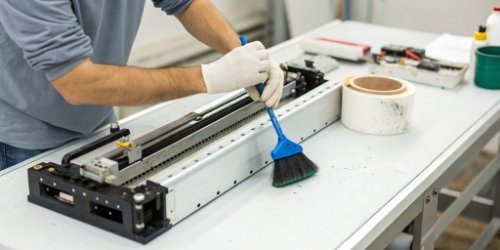
A rugged scale is a great start, but proper maintenance is what guarantees long-term performance and accuracy. Think of it like a heavy-duty truck; it's built to last, but it still needs routine checks. We provide clear documentation and can offer training to help your team. Here is a simple routine to follow.
Daily and Weekly Checks
These are quick tasks that prevent the most common problems from developing. At the end of each shift, wipe down the scale's exterior, especially the display and keypad. Use only manufacturer-approved cleaning agents that won't harm the stainless steel or seals. Once a week, your operator should gently clean the thermal printhead7 with an alcohol wipe. This ensures clear, crisp labels and prevents adhesive buildup that causes jams.
Monthly Inspections
Once a month, take a closer look. Inspect the power and data cables for any signs of fraying or damage from impact or chemical exposure. Check the rubber gaskets and seals around the display and housing to make sure they are intact. It's also a great practice to place a known test weight on the scale to quickly verify that its calibration is still accurate. If it's off, it might be time for a professional recalibration.
Professional Service and Support
While your team can handle daily care, some things are best left to our experts. As part of our commitment to being your most reliable weighing expert, we offer a 12-month after-sales service guarantee. Our professional technical team can perform scheduled preventative maintenance, conduct certified calibrations, and diagnose any complex issues. This partnership ensures you get the most out of your investment for years to come.
Conclusion
Yes, industrial label printing scales thrive in harsh conditions. With the right features, materials, and regular maintenance, they provide the reliable, accurate performance your production line depends on.
-
Explore the importance of OEM/ODM experience in ensuring quality and reliability in industrial equipment. ↩
-
Understanding load cells is key to knowing how scales measure weight accurately; this link provides insights. ↩
-
Understand the effects of chemical washdowns on scales and how to protect them effectively. ↩
-
This resource explains the impact of high-pressure washdowns on equipment and how to mitigate risks. ↩
-
Explore this link to find top-rated label printing scales that can withstand tough industrial environments. ↩
-
Discover the engineering behind vibration resistance in scales to ensure stable readings in dynamic environments. ↩
-
This resource provides tips on maintaining thermal printheads to prevent jams and ensure clear labels. ↩


Comments (0)