

Are you frustrated when your "waterproof" equipment fails from water damage? You picked stainless steel for durability, but it's not enough. The reality is more complex than just the material.
No, a waterproof industrial scale cannot be made watertight using only stainless steel. The material itself is water-resistant, but true waterproofing relies on a complete system of gaskets, seals, and specialized connectors to protect joints, seams, and cable entry points from liquid getting inside.
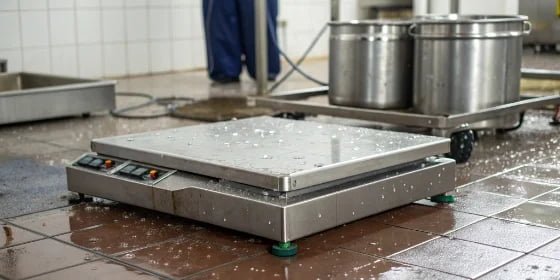
You chose stainless steel1 thinking it was the ultimate solution for wet or harsh environments. But as I've seen over 19 years in this industry, the material is just the starting point. A truly reliable waterproof scale is a product of careful engineering, not just a choice of metal. The real secret lies in how all the parts come together to create an impenetrable barrier. Let’s break down what it really takes to keep the water out and ensure your operations run without costly interruptions.
How to make stainless steel water resistant?
Think your stainless steel parts are automatically safe from water? Using the wrong grade or a poor finish can lead to rust and failure, defeating the whole purpose.
To make stainless steel truly water-resistant, we start by selecting the right grade, like 304 or 316. Then, we ensure it has a smooth, polished surface finish. The final design must eliminate crevices where water and contaminants can collect, as this is crucial for long-term durability.
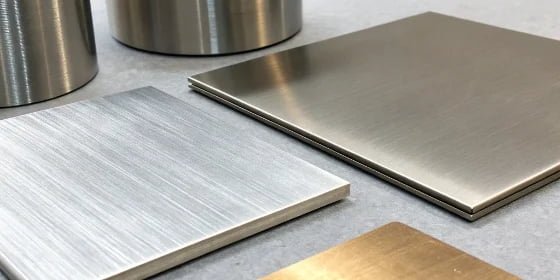
The magic of stainless steel comes from a thin, invisible layer of chromium oxide that forms on its surface. This "passive layer" is what blocks rust. But not all stainless steel is created equal. Making it perform well in wet conditions is a deliberate process.
Choosing the Right Grade
The grade of stainless steel is the most critical factor. For general-purpose water resistance, Grade 3042 is a common, cost-effective choice. But for more corrosive environments, like those with salt or cleaning chemicals, we must use Grade 3163. It contains molybdenum, which significantly boosts its resistance to chlorides and other harsh agents.
| Feature | Grade 304 Stainless Steel | Grade 316 Stainless Steel |
|---|---|---|
| Primary Use | General purpose, fresh water | Marine, chemical, food processing |
| Corrosion Resistance | Good | Excellent |
| Key Element | Chromium, Nickel | Chromium, Nickel, Molybdenum |
| Cost | Lower | Higher |
Surface Finish and Design
The surface of the steel also matters. A rough surface with tiny pits or scratches can trap water and break down the protective layer, leading to rust. That's why we ensure our scales have a smooth, polished finish. It's not just for looks; it makes the surface easier to clean and harder for corrosion to start. Poor welds can also create crevices that trap moisture, so high-quality welding and finishing at the joints are essential for true water resistance.
Does stainless steel water proof?
Are you confused why your stainless steel equipment is failing? You're not alone. The term "stainless steel" often suggests it's completely immune to water, but there's a critical difference.
Stainless steel is water-resistant, not waterproof. The material itself resists rust when exposed to water. However, an assembled product like a scale is only waterproof if its design prevents water from getting through seams, gaps, or cable entry points. The steel alone can't do this.
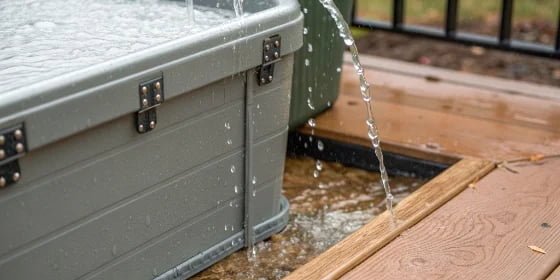
It's a common point of confusion that I discuss with clients all the time. Thinking of stainless steel as "waterproof" can lead to expensive mistakes. It's better to think of it as an excellent building block for a waterproof system.
Material vs. Assembly
Think of it this way: a single brick is waterproof. You can leave it in the rain, and water won't soak through it. But if you build a wall with just bricks and no mortar, the rain will pour right through the gaps. Stainless steel is the brick. The gaskets4, seals, and welded seams are the mortar. Without them, the entire structure is not waterproof. A scale has many potential entry points: the display housing, the load cell compartment5, and where the cables connect. Each one is a potential point of failure.
The Weakest Link Principle
In any waterproof design, water will always find the weakest spot. At Weigherps, we pay special attention to these vulnerable areas. For example, where power and data cables enter the scale housing is a major weak point. To solve this, our waterproof industrial scale6s have many connection cables and hardware interfaces that are equipped with a stainless steel screw connection design. This design includes rubber O-rings7 that compress as you tighten the connector, creating a truly watertight seal. It protects the sensitive electronics inside from moisture, ensuring the scale remains accurate and reliable even in the wettest conditions.
Can stainless steel be submerged in water?
Do you need equipment for a washdown area or full submersion? Assuming any stainless steel product can handle it is a risky gamble. There's a specific standard for this.
Yes, components made from a high-quality stainless steel grade like 316 can be submerged in water. However, for a complex product like an industrial scale, its ability to be submerged depends on its IP rating (e.g., IP68 or IP69K), which certifies the entire sealed enclosure, not just the material.
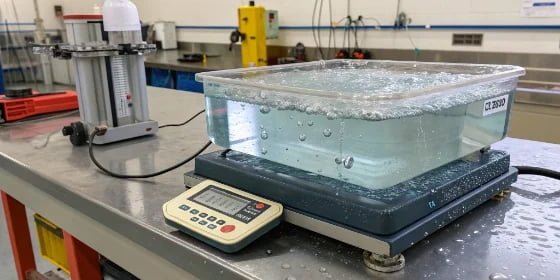
When customers ask me if our scales can be submerged or pressure-washed, my answer is always, "It depends on the IP rating8 you need." The Ingress Protection (IP) rating is an international standard that tells you exactly how protected a device is against solids and liquids.
Understanding IP Ratings
The IP rating consists of two numbers. The first number (0-6) indicates protection against solids like dust. The second number (0-9) indicates protection against liquids like water. For wet environments, the second number is what you need to watch. A higher number means better protection.
| IP Rating | Protection Against Water | Common Application |
|---|---|---|
| IP65 | Jets of water from any direction | Light spray, general cleaning |
| IP67 | Immersion up to 1 meter deep | Temporary submersion |
| IP68 | Continuous immersion beyond 1 meter | Permanent underwater use |
| IP69K | High-pressure, high-temperature jets | Heavy-duty washdown (food industry) |
Beyond the Material
Achieving a high IP rating like IP68 or IP69K is all about system engineering. We use seamless enclosures9, high-grade silicone gaskets, and hermetically sealed load cells and connectors. Every single component and joint is designed and tested to withstand intense pressure. This is why you can't just take any stainless steel scale and expect it to survive a high-pressure washdown. It must be built for that specific purpose from the ground up. As a software vendor, ensuring your solution integrates with hardware certified for the end-user's environment is key to project success.
What happens if stainless steel gets wet?
Did you find a spot of rust on your stainless steel equipment and panic? You were told it was "stainless," after all. Understanding what’s happening can help you prevent it.
When high-quality stainless steel gets wet, its protective chromium oxide layer typically prevents any rust from forming. However, lower grades or exposure to harsh substances like saltwater or bleach can cause localized issues like pitting or surface rust over time.
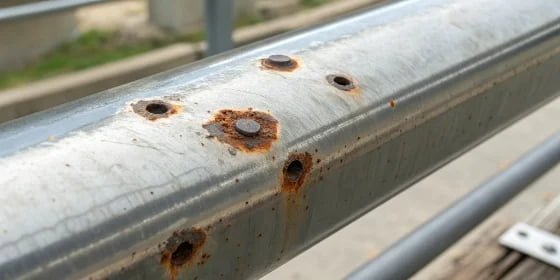
"Stainless" doesn't mean "stain-proof." It just stains less easily than other steels. Under the right (or wrong) conditions, even the best stainless steel can show signs of corrosion. This is especially true in demanding industrial environments10 where more than just water is present.
Types of Corrosion to Watch For
The passive layer on stainless steel is tough, but it can be broken down. When this happens, a few types of corrosion can occur:
- Pitting Corrosion: This happens when the passive layer is compromised in a tiny spot, often by chlorides (from salt or certain cleaners). It creates small, deep holes that can weaken the structure over time.
- Crevice Corrosion: This occurs in tight spaces, like under bolt heads or in unsealed joints. Stagnant water in these crevices becomes depleted of oxygen, preventing the passive layer from reforming and allowing corrosion to start.
- Galvanic Corrosion: This can happen if two different types of metal are in direct contact in water. The water acts as an electrolyte, and one metal will corrode faster to protect the other. This is why using all stainless steel hardware is important.
Maintenance is Key
The good news is that you can easily maintain stainless steel. Regular cleaning to remove dirt, salt, and chemical residues11 is the best way to protect the passive layer. A simple wipe-down with clean water and a mild detergent is often enough to keep your equipment in prime condition. A well-designed scale with smooth surfaces is easier to keep clean, which in turn extends its operational life.
Conclusion
In summary, stainless steel is a vital material for waterproof scales, but true waterproofing comes from thoughtful design, including seals, connectors, and assembly, to create a fully protected system.
- Learn about the benefits of stainless steel in industrial settings and its properties. ↩
- Explore the characteristics and applications of Grade 304 stainless steel. ↩
- Understand why Grade 316 is ideal for corrosive environments like marine applications. ↩
- Discover the role of gaskets in creating waterproof seals in industrial equipment. ↩
- Learn about the importance of load cell compartments in industrial scales. ↩
- Explore how engineering and design contribute to the effectiveness of waterproof industrial scales. ↩
- Explore the role of rubber O-rings in creating watertight seals. ↩
- Learn how IP ratings determine the protection level of equipment against water and dust. ↩
- Understand how seamless enclosures contribute to effective waterproofing. ↩
- Explore the unique challenges faced by equipment in industrial settings. ↩
- Learn about the impact of chemical residues on the integrity of stainless steel. ↩



Comments (0)