

Frustrated by inaccurate scale readings that disrupt your workflow? The cause might be the common device you use every day. Let's explore how your cell phone affects your scale's precision.
Yes, your cell phone can interfere with a digital scale. Phones emit electromagnetic radiation, especially during calls or data use. This radiation can disrupt the scale's sensitive internal sensors and electronic circuits, causing the weight readings to become unstable, jump around, or show significant errors.
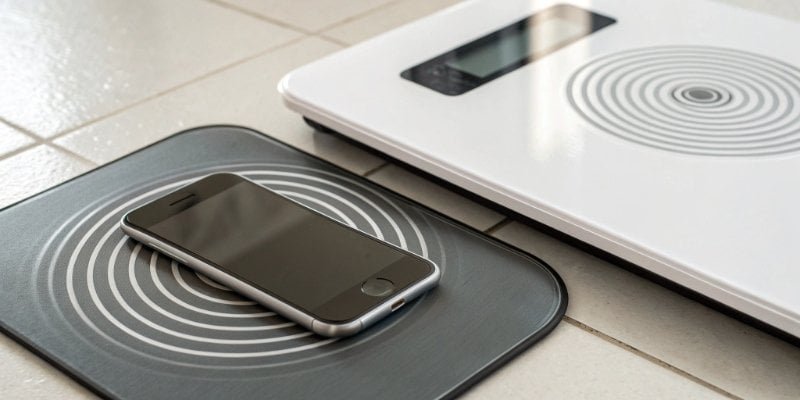
Understanding that your phone is a potential problem is the first step. But this raises more questions. Why does this happen, and what other devices in your workspace could be causing similar issues? In my 18 years of manufacturing industrial scales, I’ve seen this countless times. Let's break down the science behind it and give you the practical knowledge you need to maintain accuracy in your operations. You need to know exactly how to protect your measurements.
Why does electromagnetic interference affect a digital scale?
You see the incorrect readings, but the technical reason is a mystery. This uncertainty makes it hard to trust your equipment. Understanding the core principle is key to confident weighing.
Electromagnetic interference (EMI) affects a scale because its core component, the load cell, is extremely sensitive. Cell phone signals can induce unwanted electrical currents in the scale’s circuitry, distorting the very small signal from the load cell and leading to an inaccurate weight display.
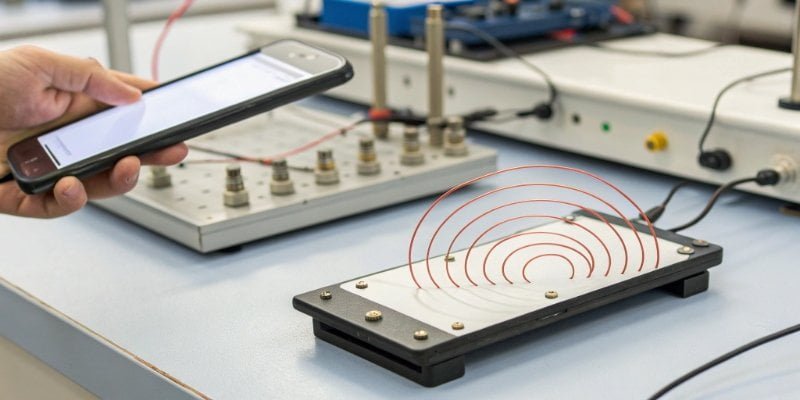
How a Digital Scale Works
A digital scale1 uses a component called a load cell2, often a strain gauge type. When you place weight on the scale, it slightly deforms a metal structure inside the load cell. This tiny deformation changes the electrical resistance of the strain gauge. The scale's electronics measure this change, convert it into a digital signal, and display it as a weight. The signal is incredibly small, measured in millivolts, making it highly susceptible to outside noise.
The Impact of EMI/RFI
Your cell phone constantly communicates with cell towers using radio frequency (RF) waves, which is a form of electromagnetic interference3 (EMI). This energy can affect the scale in two main ways:
| Interference Type | Description |
|---|---|
| Radiated Interference | The phone acts like a small radio transmitter. Its RF energy travels through the air and can be picked up by the scale's internal wiring, which acts like an antenna. This introduces "noise" that corrupts the weak signal from the load cell. |
| Conducted Interference | If the phone is charging using the same power strip as the scale, electrical noise from the phone's charger can travel through the power lines and directly interfere with the scale's power supply and internal circuits. |
Think of it like trying to listen to a quiet whisper (the load cell signal) next to someone shouting (the phone's RF signal). The shouting makes it impossible to hear the whisper clearly.
What other household devices can interfere with a scale?
You've moved your phone away, but the scale readings are still unstable. This can be confusing, making you wonder what else is causing the problem. Let’s identify other common culprits.
Many devices can interfere with a digital scale. Anything that generates a strong electromagnetic field is a potential source. This includes microwave ovens, Wi-Fi routers, two-way radios (walkie-talkies), fluorescent lighting, and even large motors in nearby equipment like conveyors or fans.
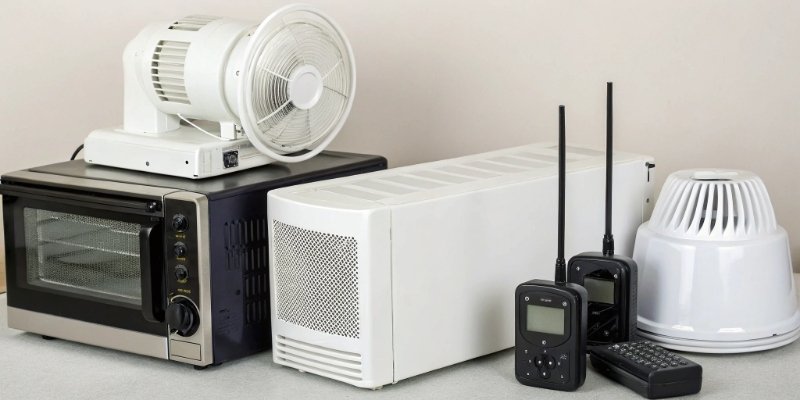
In my experience, identifying interference sources is like being a detective. Your phone is the most obvious suspect, but the list of potential culprits is long. It's important to think about your entire weighing environment, not just the scale itself. The key is to look for anything that transmits signals or uses a powerful motor.
Common Sources of RFI and EMI
Let's break down the most common sources you might find in a commercial or industrial setting:
- Communication Devices: Besides cell phones, this includes two-way radios, wireless headsets, and Bluetooth devices. These are designed to transmit signals, making them prime sources of RFI4.
- Network Equipment: Wi-Fi routers5 and access points are constantly broadcasting. Placing a scale too close to one is a common mistake I see.
- High-Power Equipment: Microwave ovens generate intense microwave energy. Large electric motors in machinery like generators, compressors, or HVAC units can create significant magnetic fields and electrical noise.
- Lighting: Older fluorescent light ballasts are notorious for generating EMI. While modern electronic ballasts are better, they can still be a source of interference. Even some LED drivers can produce high-frequency noise.
We always advise our clients to perform an environmental audit. Look around your weighing station. Is it near a main power panel, a large motor, or a network hub? Each of these could be compromising your accuracy.
How can you shield a digital scale from electronic interference?
Knowing the sources of interference isn't enough. You need effective, practical solutions. Without a clear action plan, you're still facing inaccurate measurements. Let's cover the steps to protect your scale.
Shielding a scale involves both physical and electrical methods. The simplest step is increasing the distance from interference sources. For more robust protection, use scales with metal housings, shielded cables for load cells, and internal filtering circuits. Grounding the scale properly is also critical.
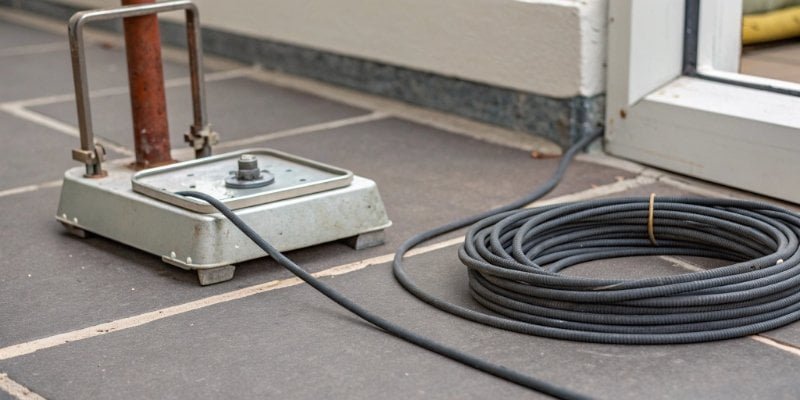
Protecting your scale is a multi-layered approach. It is not just one magic fix. As a manufacturer, we build these protections in, but user-side practices are just as important. Here are the strategies we recommend to our partners.
Creating a "Quiet" Zone
The most effective and low-cost solution is distance. Electromagnetic interference follows the inverse-square law, meaning its strength drops off dramatically as you move away from the source. Create a clear zone of at least 3-5 feet (1-1.5 meters) around your scale where no cell phones, routers, or radios are allowed.
Physical and Electrical Shielding
This is where the design of the scale itself comes into play.
- Enclosures: A scale with a fully metal (like stainless steel or aluminum) housing provides much better shielding than a plastic one. The metal case acts as a Faraday cage, blocking external RF energy.
- Shielded Cabling: The cable connecting the load cell to the indicator is an antenna for noise. High-quality scales use cables with a woven or foil shield that is connected to ground, draining away any interference it picks up.
- Proper Grounding: A proper earth ground connection is essential. It gives electrical noise a safe path to dissipate, rather than flowing through your sensitive measurement circuits. Check that your power outlet is properly grounded.
- Filtering: Internal power supplies and signal input circuits in well-designed scales include filters (like ferrite beads and capacitors) to clean up both conducted and radiated noise before it can affect the measurement.
Are some scales built to be more resistant to RFI?
Constantly fighting interference is exhausting. It makes you question if your equipment is truly professional grade. The good news: some scales are specifically built to resist these exact problems.
Absolutely. High-quality industrial scales are built to be more resistant to Radio Frequency Interference (RFI). Manufacturers achieve this through superior design, including metal housings, shielded components, advanced filtering, and robust grounding. Look for scales that specify compliance with EMC (Electromagnetic Compatibility) standards like CE.
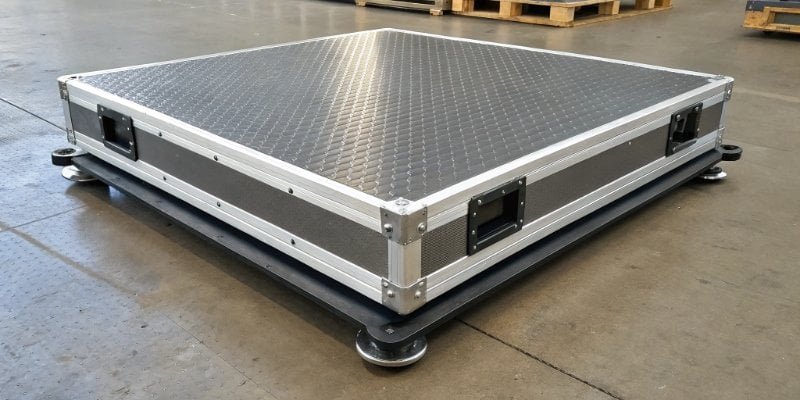
Not all scales are created equal. A cheap consumer-grade scale is very different from a professional industrial scale designed for a factory floor. As an OEM/ODM manufacturer, this is where we focus our engineering efforts. The difference lies in a dedicated design philosophy centered on reliability.
Key Features of a Resistant Scale
When you're evaluating a scale for its resistance to interference, here's what you should be looking for. It's the same checklist our quality control department uses.
- Material and Construction: Look for stainless steel housings over plastic. The physical construction should be solid, with tight seams to minimize gaps where RFI can enter.
- Component Quality: High-quality load cells, indicators, and internal circuit boards are designed with better noise immunity from the start. This includes using shielded cables6 and connectors internally.
- EMC Compliance: This is the most important factor. A scale that is CE mark7ed, for example, has been tested against a set of European standards for EMC. This means it has undergone tests for both its own emissions and its immunity to external interference. Don't just take a manufacturer's word for it; ask for the compliance documentation. We provide this for all our products. This certification is your best guarantee of a scale's performance in an electrically noisy environment.
Choosing a scale with these features is an investment in accuracy and reliability, saving you from headaches down the line.
Conclusion
Your phone can disrupt scale readings. To ensure accuracy, maintain distance from interference sources and choose robust, EMC-compliant scales. This is key for reliable, professional weighing operations.
-
Explore the mechanics of digital scales to better understand their vulnerabilities to interference. ↩
-
Learn about load cells to grasp their importance in accurate weight measurement. ↩
-
Discover the effects of electromagnetic interference on various devices, including scales. ↩
-
Understanding RFI is crucial for maintaining the accuracy of sensitive electronic equipment. ↩
-
Understanding the impact of Wi-Fi routers can help you manage interference in your workspace. ↩
-
Understanding shielded cables can enhance your knowledge of protecting sensitive equipment. ↩
-
The CE mark is a key indicator of compliance and reliability; learn its significance. ↩



Comments (0)