

Relying on your scale's accuracy? An unnoticed failure could disrupt your entire operation, costing you precious time and money. Learn the signs of a failing scale to stay ahead.
Yes, weighing scales can go bad. Factors like sensor aging, environmental damage from dust or moisture, and even simple battery degradation can cause them to become inaccurate or stop working entirely. Regular maintenance and calibration are key to ensuring their reliability and longevity.
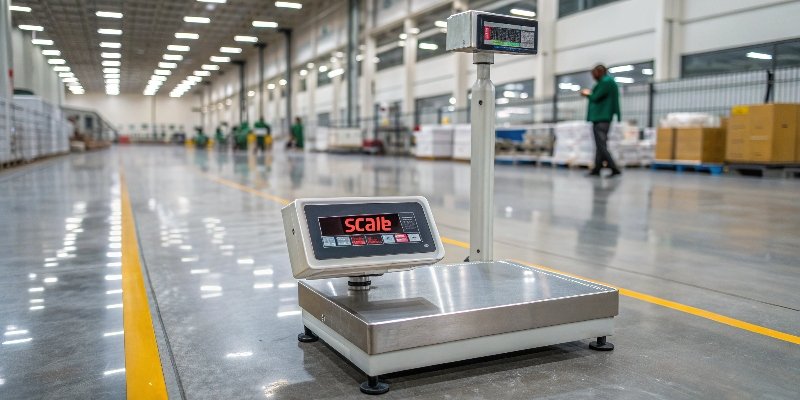
It's a question I hear a lot from our clients, especially from technical directors who need to ensure every piece of equipment is reliable. The good news is that scale failure isn't a complete mystery. As a manufacturer with 18 years of experience, I've seen it all. By understanding the common issues, you can take control and extend the life of your equipment. Let's break down what you need to look out for to protect your investment and your operations.
How long do weighing scales last?
Wondering if it's time to replace your scale? Buying one is an investment, and you want to know you’re getting your money's worth before it breaks down unexpectedly.
The lifespan of a weighing scale varies greatly. A basic consumer scale might last a few years, but a well-maintained industrial scale can function reliably for 10-15 years or more. Longevity depends on usage, environment, and the quality of its components.

Over the years, I've seen our industrial scale1s installed in all kinds of environments. The ones that last the longest are always the ones that are best matched to their job. A scale's lifespan isn’t just one number; it’s a result of several key factors. At Weigherps, we build our scales to endure, but how you use them and where you put them makes all the difference. For our clients in software services who integrate our hardware, understanding this is key to promising reliability to their own customers. Heavy, constant use will naturally wear down components faster than light, occasional use. Similarly, a scale in a clean, temperature-controlled room will outlive one in a dusty or humid factory. That's why we focus on building with high-quality, durable components and offering solutions tailored to your specific environment.
| Factor | Low Impact (Longer Lifespan) | High Impact (Shorter Lifespan) |
|---|---|---|
| Usage Frequency | Light, occasional weighing | Heavy, 24/7 industrial use |
| Environment | Clean, dry, stable temperature | Dusty, humid, vibrations |
| Build Quality | Industrial-grade, robust design | Consumer-grade, plastic parts |
| Maintenance | Regular cleaning & calibration2 | None |
Do scales get inaccurate over time?
Is your old scale still trustworthy? Its display might look fine, but hidden inaccuracies could be creeping into your measurements, affecting your quality control and profits without you even realizing it.
Yes, scales definitely get inaccurate over time. This is often called "drift." It's caused by normal wear on the internal sensors, temperature fluctuations, and other environmental factors. Regular calibration is the only way to correct this and maintain accuracy.

I remember a client who couldn't figure out why their material costs were slowly increasing. It turned out their main production scale had drift3ed by just half a percent. That tiny error added up to thousands of dollars in wasted product over six months. This is exactly what we mean by inaccuracy over time. It’s a slow, creeping issue caused by factors like sensor fatigue. The internal load cell4s, which are the heart of the scale, get stressed with every use. Over thousands of cycles, their response can change. Temperature is another big factor; changes in the factory's temperature can cause the electronics and metal parts to expand or contract, leading to "zero drift." This is precisely why we advise all our clients to schedule professional calibration at least once a year. It's a small investment to prevent much larger losses.
What is the lifespan of a scale?
You know the scale itself can last for years, but what about its individual parts? A single failing component can bring your entire weighing operation to a halt. You need to know what to watch for.
A scale's overall lifespan is determined by its individual components. Sensors might last 5-10 years under heavy use, while batteries may need replacing every 1-2 years. The display and keypad also have their own life expectancies. Proactive component management is key.
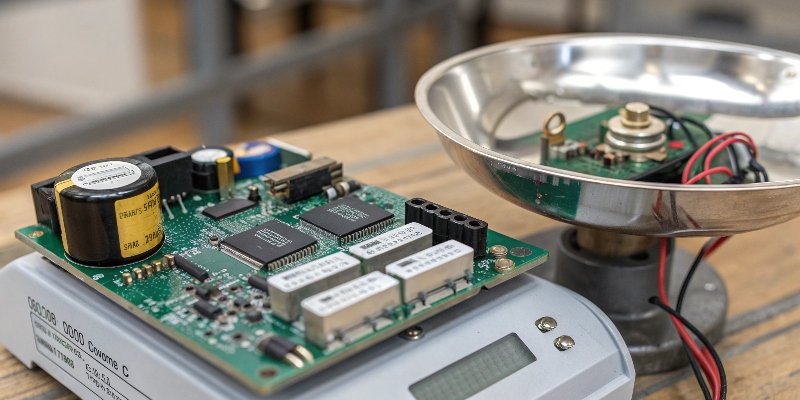
When we design our scales, we think about them as a system of parts working together. Each part has its own job and its own expected lifespan. A scale is only as strong as its weakest link. For our partners who are technical directors, thinking this way helps in planning maintenance schedules and budgets. The load cell, or sensor, does the hardest work and is often the first major component to degrade, especially under constant load. The battery is more of a consumable part with a clear lifecycle. Even the keypad can wear out if it's used thousands of times a day. As manufacturers, we ensure our products undergo comprehensive testing before they ever leave our facility, but planning for the eventual replacement of wearable parts is just smart business. It prevents unexpected downtime and keeps your operations running smoothly.
| Component | Average Lifespan (Industrial Use) | Signs of Failure |
|---|---|---|
| Load Cell / Sensor | 5-10+ years | Drifting readings, "ERR" codes, inconsistency |
| Battery (Lithium) | 1-2 years | Low battery indicator, failure to power on |
| Main Circuit Board | 10-15+ years | Blank display, random errors, unresponsive |
| Keypad / Buttons | 3-7 years | Unresponsive or sticky buttons |
Can weighing scales be faulty?
Your scale is acting strange—the numbers are jumping or it won't turn on. Is it a simple glitch or a serious fault? Guessing wrong can lead to costly delays and incorrect measurements.
Absolutely. Weighing scales can become faulty due to many reasons, from simple battery issues to critical sensor failure. Common signs include erratic readings, display errors, or unresponsive buttons. Knowing these symptoms helps you diagnose the problem quickly and effectively.
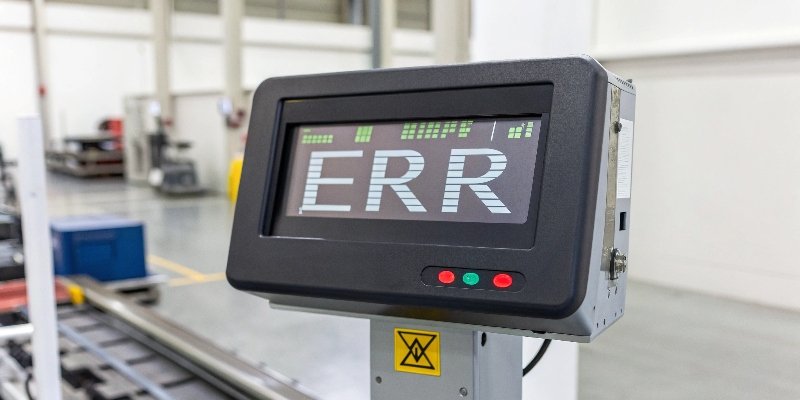
When a scale acts up, the first instinct for many is to panic. But after 18 years in this business, I can tell you that many issues have simple fixes. That's why we provide our customers with a clear 12-month warranty and a dedicated technical team. Some problems you can even troubleshoot yourself. For example, if the weight is jumping, the first thing to check for is electromagnetic interference5. Is the scale near a large motor or a microwave? Or is the battery simply running low? However, some issues are more serious. An "ERR" or "LCER" code often points to a problem with the sensor that requires professional attention. Knowing the difference between a simple fix and a critical fault is essential. It saves you time and ensures you get the right support when you need it.
| Fault Symptom | Possible Cause | Simple Solution (Try This First) |
|---|---|---|
| Jumping/Unstable Weight | Electromagnetic interference or low battery. | Move scale away from other electronics; charge/replace battery. |
| Display Shows ERR/LCER | Sensor overload, damage, or malfunction. | Power scale off/on. If persists, contact technical support. |
| Inaccurate Readings | Out of calibration or environmental changes. | Let scale acclimate to room temp; perform user calibration. |
| Buttons Not Working | Dirt/grime under keypad or worn contacts. | Clean the keypad with a dry cloth or alcohol wipe. |
Conclusion
In short, scales do fail, but with proper care and an understanding of the warning signs, you can ensure they remain accurate and reliable for years to come.
-
Explore the advantages of industrial scales and how they can improve your operations. ↩
-
Learn the best practices for calibrating weighing scales to maintain their accuracy over time. ↩
-
Learn about drift in weighing scales and how it can affect your measurements. ↩
-
Discover the importance of load cells in weighing scales and how they contribute to accuracy. ↩
-
Learn how electromagnetic interference can disrupt the accuracy of weighing scales. ↩


Comments (0)