
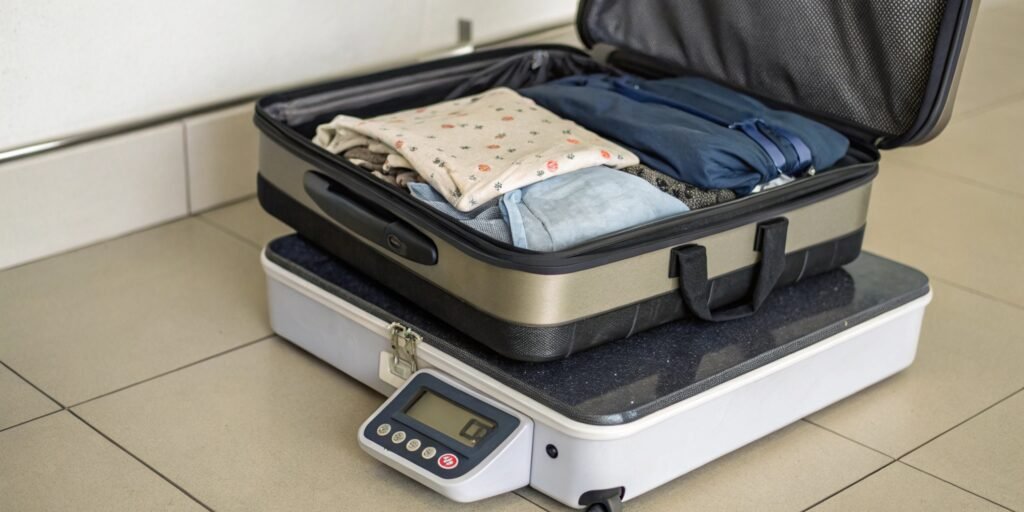
Dreading those surprise baggage fees at the airport? The last-minute scramble to weigh your suitcase is stressful. Good news: you can use your regular bathroom scale with a simple trick.
Yes, you can absolutely weigh luggage with a regular bathroom scale. The key is to weigh yourself first, then weigh yourself while holding the suitcase, and subtract the first number. It's a reliable method for avoiding unexpected airline fees, as long as your scale is on a flat surface.
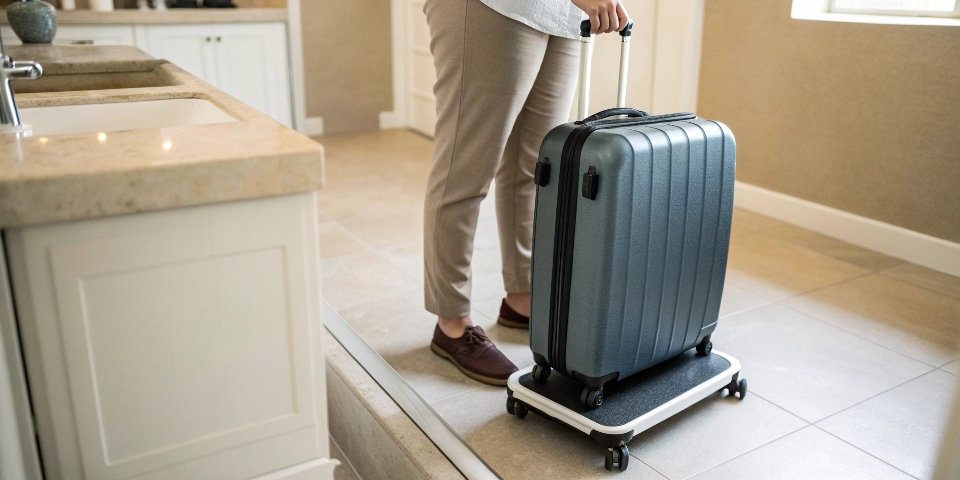
That simple subtractive method is a lifesaver for many travelers. But like any technique, getting it right depends on the details. Accuracy, the type of scale you use, and even the shape of your bag can make a difference. Let's break down how to get the most accurate reading every time.
How can you accurately weigh luggage using a bathroom scale?
You've tried weighing your luggage on a bathroom scale, but the number seems off. An inaccurate reading can lead to the very fees you’re trying to avoid. Let’s perfect it.
For an accurate reading, place the scale on a hard, flat floor. First, weigh yourself and note the number. Then, carefully pick up your luggage and step back on the scale. The difference between the second reading and your own weight is the weight of your luggage.
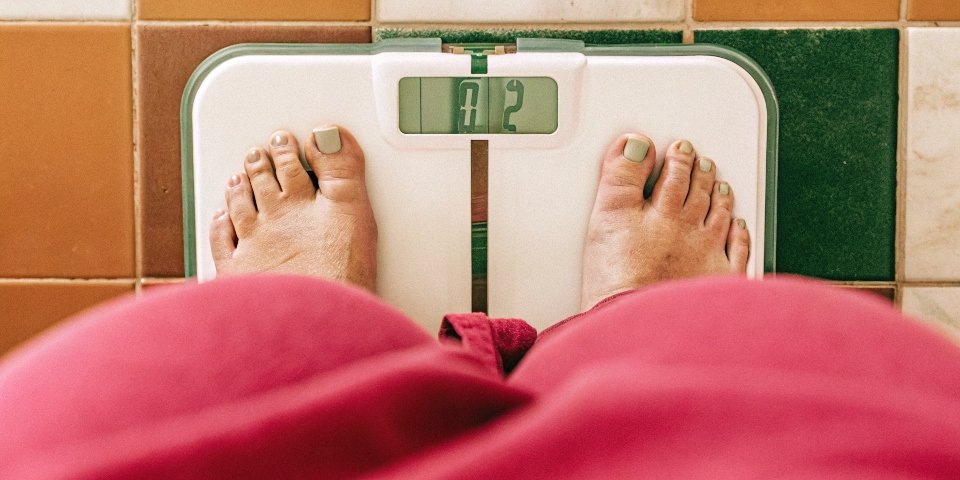
In my 18 years in the weighing industry, I've seen that the biggest source of error at home is an unstable surface. Your scale needs a solid foundation to work correctly.
The Two-Step Weighing Method1
This method is the most reliable way to use a bathroom scale for luggage. It removes the issue of trying to balance a bulky suitcase on a small platform.
- Get Your Baseline: Weigh yourself alone and write down the exact number. Let's say it's 70 kg.
- Add the Luggage: Pick up your suitcase and step back onto the scale. Record this new, higher number. For example, it might now be 92 kg.
- Do the Math: Subtract your baseline weight from the combined weight.
- 92 kg (you + luggage) - 70 kg (you) = 22 kg (luggage weight).
This simple trick bypasses the scale's difficulty in reading an oddly shaped object. Make sure to stand still and let the reading stabilize for the best results. It's a method we rely on even when testing scale accuracy in non-lab settings.
Are bathroom scales reliable enough for checking airline baggage weight limits?
You've packed perfectly and your home scale says you're underweight. But can you trust it? The anxiety of your bag being overweight at the airport desk is very real.
Yes, most modern digital bathroom scales are reliable enough for baggage limits. They typically have a margin of error of about 0.5 to 1 kg. Since most airlines allow a small tolerance, this is usually acceptable. Just be sure to leave a small buffer for safety.
As a manufacturer, we know that not all scales are created equal. However, for the purpose of checking luggage, a standard bathroom scale is generally sufficient. The key is understanding its limitations.
Understanding Scale Accuracy
Most consumer bathroom scales are designed for consistency, not perfect precision. This means they are good at showing changes in your weight over time. For a one-off measurement like your luggage, we need to consider the margin of error2.
| Scale Factor | Impact on Reliability | My Advice |
|---|---|---|
| Margin of Error | Typically ±0.5 to 1 kg. | Always aim to be at least 1-2 kg under the airline's limit to be safe. |
| Surface | Soft carpets can cause huge errors. | Always use a hard, level surface like tile or wood flooring. |
| Calibration | Scales can drift over time. | If your scale has a "tare" or "zero" button, use it. Otherwise, test with a known weight if you're concerned. |
Ultimately, the scale at the airport is the one that counts. Your bathroom scale's job is to get you close enough to avoid any costly surprises.
What are some ways to weigh a suitcase at home without a luggage scale?
No luggage scale? No problem. But with your flight looming, the thought of just guessing your bag's weight is stressful. Here are a few household alternatives to get an estimate.
Besides a bathroom scale, you can use a sturdy hanging hook scale from a hardware store. For a rough estimate, compare its weight to items you know, like bags of rice or dumbbell weights. Some people even use a simple seesaw-like balance with a plank and pivot.
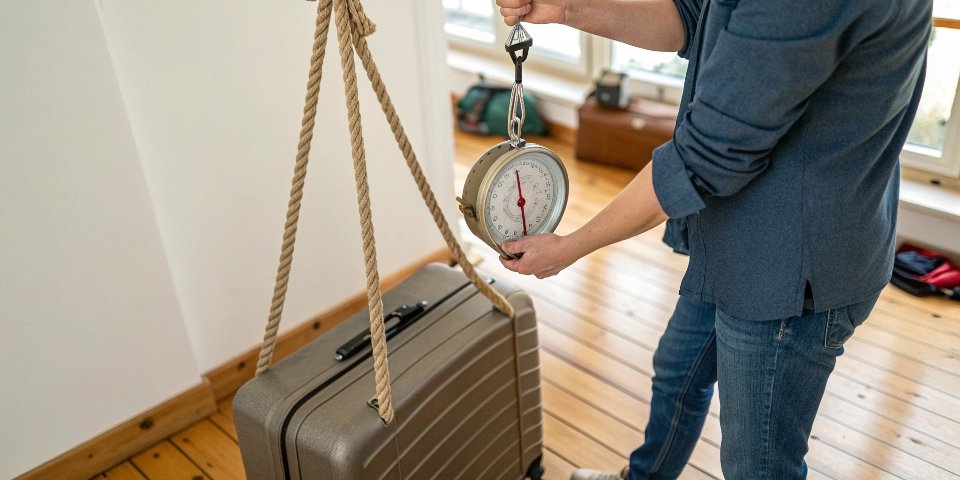
As a weighing expert, I appreciate creative solutions. While a dedicated scale is best, sometimes you have to use what's available. If you're without a scale, here are some methods.
The Known-Weight Comparison Technique
This is an estimation method, but it's better than just guessing.
- Find items with a known weight: 5 kg bags of flour, 10 kg dumbbell plates, or large water jugs (1 liter of water ≈ 1 kg).
- Hold your suitcase in one hand and a combination of known weights in the other.
- Adjust the known weights until both sides feel about equal. This gives you a ballpark figure to know if you're way over the limit.
The DIY Balance Beam Method3
This is more involved but can be more accurate.
- Use a sturdy plank and a pivot point like a brick.
- Center the plank on the pivot to make a seesaw.
- Place your luggage on one end and add known weights to the other until it balances. Add up the weights for your total.
These are emergency backups. They help for a quick check but don't have the accuracy of a proper scale.
Is it better to use a hanging luggage scale or a bathroom scale?
You have options for weighing your luggage at home. But is a dedicated hanging scale worth it, or is your bathroom scale good enough? Let's settle the debate and find the best tool.
A hanging luggage scale is generally better. It's more accurate for its specific purpose, easier to use with bulky bags, and portable enough to take with you. A bathroom scale works well in a pinch, but a luggage scale eliminates guesswork and is a smart investment for frequent travelers.
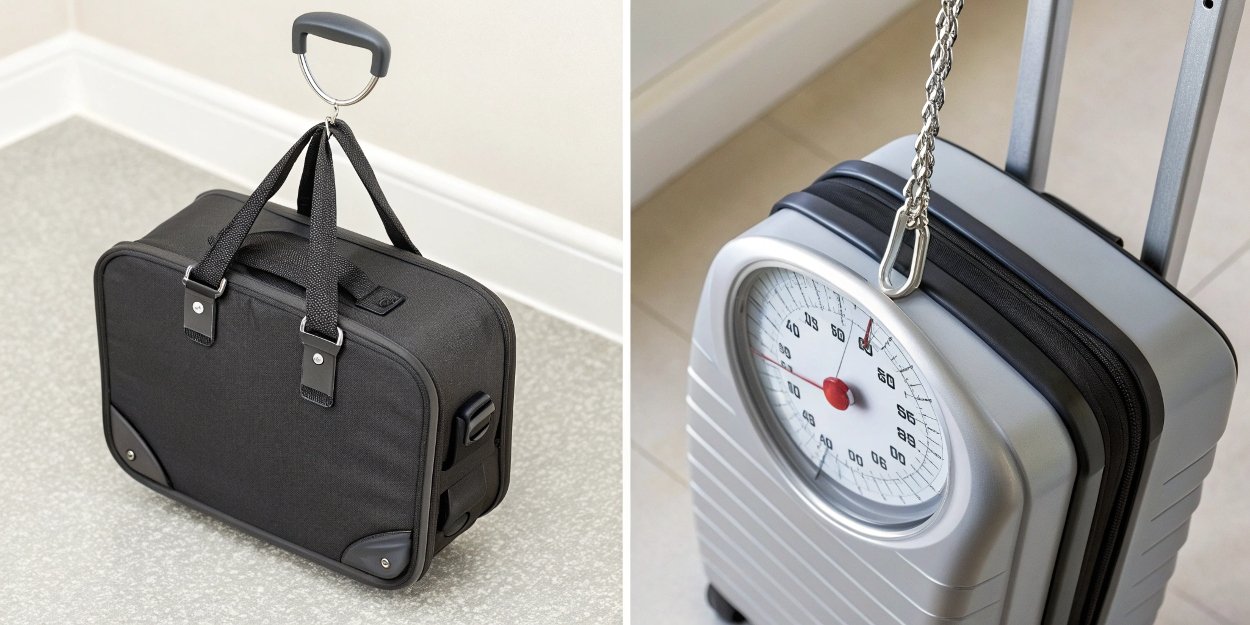
In our line of work, we always say: use the right tool for the job. Both scales can give you a weight, but they are designed for very different tasks. Choosing the right one depends on your travel habits and need for precision.
Head-to-Head Comparison
| Feature | Bathroom Scale | Hanging Luggage Scale |
|---|---|---|
| Ease of Use | Awkward. Requires the subtraction method and good balance. | Simple. Just hook, lift, and read the display. |
| Accuracy | Good, but with a larger margin of error (±0.5-1 kg). | Excellent. Designed for this task, often with higher precision (±0.1 kg). |
| Portability | Not portable. Stays at home. | Very portable. Small enough to pack in your suitcase for the return trip. |
| Cost | You likely already own one. | An extra purchase, but typically very affordable. |
For the occasional traveler, a bathroom scale is fine. However, based on my experience helping clients with weighing solutions, I always recommend a dedicated hanging scale for anyone who flies more than once or twice a year. It removes stress and pays for itself by preventing just one overweight baggage fee. It's a small investment for total peace of mind.
Conclusion
You can use a bathroom scale for luggage, but for frequent travel, a hanging scale offers better accuracy and convenience. Always check airline limits and aim to be underweight.



[…] single most important tool for DIY calibration4 is the user manual. As a manufacturer, we write these manuals to guide you through the exact steps […]