
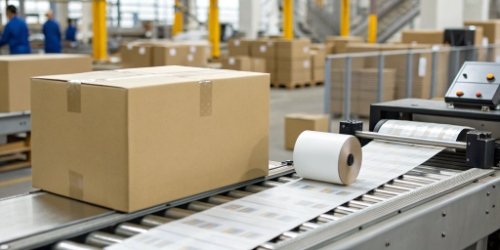
Struggling with separate weighing and printing stations? This disconnect slows down your shipping process. Imagine one device handling both tasks, saving valuable time and reducing errors for your clients.
Yes, our scales can print shipping labels for major carriers like UPS, FedEx, and DHL. Through custom software integration and hardware compatibility, we design weighing solutions that connect directly with carrier systems to generate and print fully compliant shipping labels right from the scale.
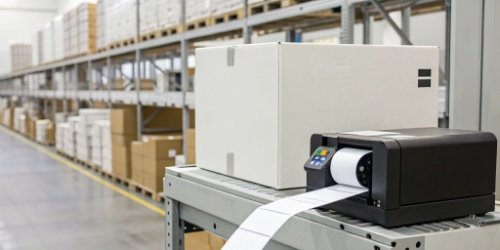
This integration is a game-changer for logistics1, but how does it actually work? It is not just about plugging in a printer. It involves specific software, hardware, and carrier approvals. Let's explore what it takes to turn your weighing station2 into a complete shipping hub3. This is a key capability we provide to our partners, helping them offer more value to their end-users.
What Are the Requirements for Printing Carrier-Specific Shipping Labels on Scales?
Worried about label rejection from carriers? Non-compliant labels cause shipping delays and extra costs for your customers. Getting the format, barcode, and data right is critical for smooth operations.
Printing carrier-specific labels requires three key things: a compatible thermal printer, software that communicates with the carrier's API, and the correct label stock. The scale's software must generate labels that meet the exact size, format, and data specifications set by carriers.
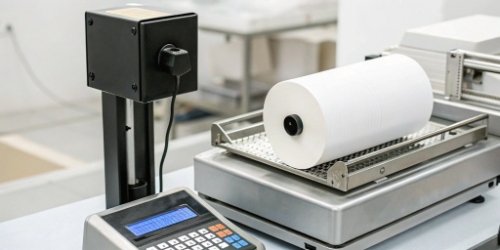
This process seems complex, but we break it down into manageable parts for our clients. As an OEM/ODM provider4, our job is to handle the technical details so you can deliver a seamless product.
Software Integration is Key
The brain of the operation is the software. It needs to pull weight data from the scale, send it to the carrier's system via an API (Application Programming Interface), and receive the formatted label data back. This requires robust software development. We specialize in creating this custom software. We've built systems for many domestic carriers in China, giving us deep experience in these integrations. We can tailor the software to your specific workflow, ensuring it connects seamlessly with your chosen carriers and your existing business management systems.
Hardware Compatibility
The hardware must work together. This includes the scale itself, a computer or terminal, and a thermal label printer. The printer is especially important. It must be capable of printing the high-resolution barcodes and text required by carriers. We ensure our recommended hardware is fully compatible, tested, and reliable for high-volume shipping environments.
| Component | Requirement | Our Solution |
|---|---|---|
| Scale | Accurate weight data output | Our scales provide precise, reliable data. |
| Software | Carrier API integration5 | We offer custom OEM/ODM software development. |
| Printer | High-resolution thermal printing | We recommend and support compatible printers. |
| Labels | Correct size and adhesive | We provide specs for approved label stock. |
How Do Scales Integrate with Carriers Like UPS, FedEx, and DHL for Label Printing?
Confused by the technical jargon of API integration? Setting up a connection between your scale and a shipping carrier can seem complex. It feels like a major IT project for your team.
Integration happens through an Application Programming Interface (API). Our scale's software sends the package weight and destination to the carrier's API. The API validates the data, calculates shipping costs, generates a tracking number, and returns a printable label file that our system sends to the printer.
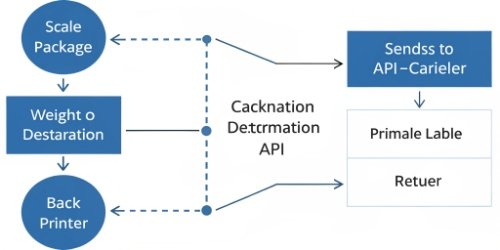
We work with software vendors to make this process invisible to the end user. The goal is a simple, intuitive workflow that just works. Here is how we make that happen.
The API Handshake
Think of an API as a messenger between our software and the carrier's system. When you place a package on the scale, our software captures the weight. You input the destination address. Our software then packs this information into a request and sends it to the carrier's API. The carrier's server processes this request. It checks the address, calculates the postage based on the weight and service type, and creates a unique shipping label. This whole process happens in seconds, creating a fast and efficient shipping station.
Customization for Your Workflow
As an OEM/ODM manufacturer, we do not offer a one-size-fits-all solution. We work with clients, especially software vendors, to build this integration directly into their existing platforms. This means you can maintain your user interface while adding a powerful shipping function. We provide the hardware and the foundational software connection. This allows you to offer a fully integrated weighing and shipping solution to your own customers. This is a core part of our service.
Can Retail Scales Be Adapted to Print Standardized Shipping Labels?
Have an existing retail scale system? You might think you need entirely new equipment for shipping. The cost and hassle of replacing everything can be a major barrier for your clients.
Yes, many modern retail or point-of-sale (POS) scales can be adapted. If the scale can output weight data and connect to a PC or network, we can develop custom software that bridges the gap between the scale and the carrier's printing requirements.
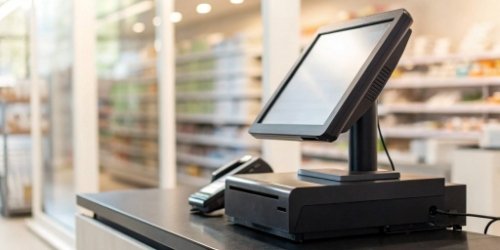
Many of our partners serve markets that already have weighing hardware in place. Our flexibility allows them to enhance their current offerings without demanding a full-scale replacement from their customers.
Unlocking Your Scale's Potential
The key is the scale's ability to communicate. Most modern scales have a data output port, like an RS-232 or USB. This port allows the scale to send weight information to another device. Our job is to capture that data. We build a software application that runs on a connected computer. This application listens for the weight data from your retail scale. This is a common request, and we have a lot of experience making different hardware pieces talk to each other effectively.
From Weight Data to Shipping Label
Once our software has the weight, it functions just like a fully integrated shipping scale6 system. It prompts the user for the delivery address, connects to the carrier's API, and receives the label for printing. This ODM approach allows you to upgrade your existing infrastructure without a complete overhaul. It is a cost-effective way to add significant value and functionality to your current setup. It turns a simple weighing station into a powerful logistics tool.
What Features Allow Scales to Print Carrier-Approved Shipping Labels?
Unsure what to look for in a shipping scale? Buying the wrong equipment leads to inefficient workflows for your customers. You need specific features that ensure compatibility and high performance for shipping tasks.
Key features include reliable data connectivity (like USB or Ethernet), software capable of API integration, and support for thermal label printers. A user-friendly interface for address entry and service selection is also crucial for a fast, error-free process. We build these features into our custom solutions.
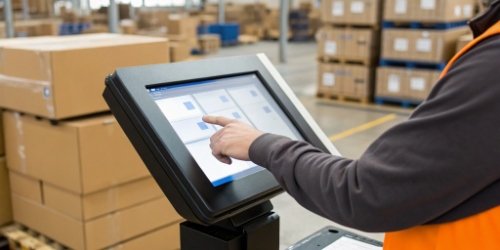
It's the combination of reliable hardware and intelligent software that creates a powerful shipping solution. We guide our partners in selecting the right components to meet their market's specific needs.
The Core Technical Features
At a minimum, the scale must have a communication port to send data. But for a truly efficient system, you need more. Look for scales with network connectivity (Ethernet) so they can be accessed from multiple points. The internal processing power is also important; it needs to handle the software that communicates with the API quickly. We engineer our scales with these requirements in mind, ensuring they are robust enough for demanding industrial and commercial environments.
The Software and User Experience
The software is what makes it all happen. Our ODM/OEM software development focuses on creating a seamless user experience. This includes features like:
- Address book: Save frequently used addresses to speed up processing.
- Service comparison: Let users see rates from different carriers on one screen.
- Batch processing: Allow users to print labels for multiple orders at once.
- Validation: Include automatic checks for address accuracy to reduce costly errors.
These features, which we can tailor to your needs, transform a simple weighing device into a comprehensive shipping solution that saves time, reduces mistakes, and streamlines your entire logistics operation.
Conclusion
In short, our scales can print carrier-approved labels. Through custom hardware and software solutions, we provide fully integrated systems that streamline your entire weighing and shipping process from start to finish.
-
Stay updated on the latest trends in logistics technology to improve your shipping efficiency. ↩
-
Learn about weighing stations and their role in logistics to enhance your shipping operations. ↩
-
Learn about shipping hubs and their importance in streamlining logistics and shipping operations. ↩
-
Understand the role of OEM/ODM providers in logistics to enhance your shipping solutions. ↩
-
Explore the role of API integration in shipping to understand how it connects different systems seamlessly. ↩
-
Explore the essential features to consider when selecting a shipping scale for your business. ↩



Comments (0)