

Struggling to pick a digital scale for your store? Making the wrong choice can lead to lost profits and unhappy customers. Let's simplify the decision-making process for you right now.
To choose the right digital scale, focus on four key areas. First, determine the capacity and precision based on your product range. Next, match the scale's features to your daily workflow. Then, verify it has the correct legal certifications. Finally, assess its durability for long-term value.

These four points are your guide to making a smart purchase. I've been in the scale manufacturing industry for over 18 years, and I’ve seen countless businesses thrive by getting this one decision right from the start. A scale isn't just a tool; it's a partner in your daily operations. Let's break down each of these areas so you can choose a scale that truly works for you and helps your business grow.
How do you match scale capacity and precision to your store's needs?
Using a scale that's too weak or overly sensitive slows you down. This leads to inaccurate pricing, inventory loss, and customer frustration. Let's find the perfect balance for your business.
First, list the lightest and heaviest items you sell by weight. This simple step reveals your required precision and maximum capacity. For instance, a candy shop needs high precision for small weights, while a hardware store needs a higher capacity for heavier bulk items, preventing operational errors.

I remember a client who opened a gourmet spice shop. He nearly bought a high-capacity scale designed for a grocery store. It would have been a disaster. The scale couldn't accurately register the small, high-value quantities of saffron he was selling, leading to potential losses and incorrect pricing. We helped him switch to a high-precision scale, and it made all the difference. This is why understanding these two terms is so important.
Understanding Capacity and Precision
Capacity is the maximum weight a scale can measure. Precision, also called readability or division, is the smallest increment of weight the scale can display. Getting these right is about efficiency and accuracy. You don't want to use a massive industrial scale to weigh a few grams of tea, nor do you want a delicate jewelry scale to weigh a 20-pound box of nails.
Here’s a simple table to help you visualize it:
| Retail Type | Typical Items | Recommended Capacity | Recommended Precision |
|---|---|---|---|
| Candy Store | Gummy bears, small sweets | 5-15 kg (10-30 lb) | 1-2 g |
| Deli / Butcher | Meats, cheeses, salads | 15-30 kg (30-60 lb) | 2-5 g |
| Grocery Store | Fruits, vegetables | 15-30 kg (30-60 lb) | 5 g |
| Hardware Store | Nails, bolts, screws | 30-60 kg (60-150 lb) | 5-10 g |
Taking a few minutes to assess your product range upfront will save you from major headaches and financial missteps down the road.
What features does your retail scale actually need?
Modern scales come packed with features, which can be overwhelming. Paying for functions you will never use is a waste of your hard-earned money. Let's identify the must-haves for your business.
Focus on features that solve your daily problems. Price computing is essential for most retailers. Label printing is crucial for pre-packaged goods. For better inventory control, look for connectivity options like USB or Wi-Fi to sync with your Point of Sale (POS) system. Ignore the bells and whistles you don’t need.
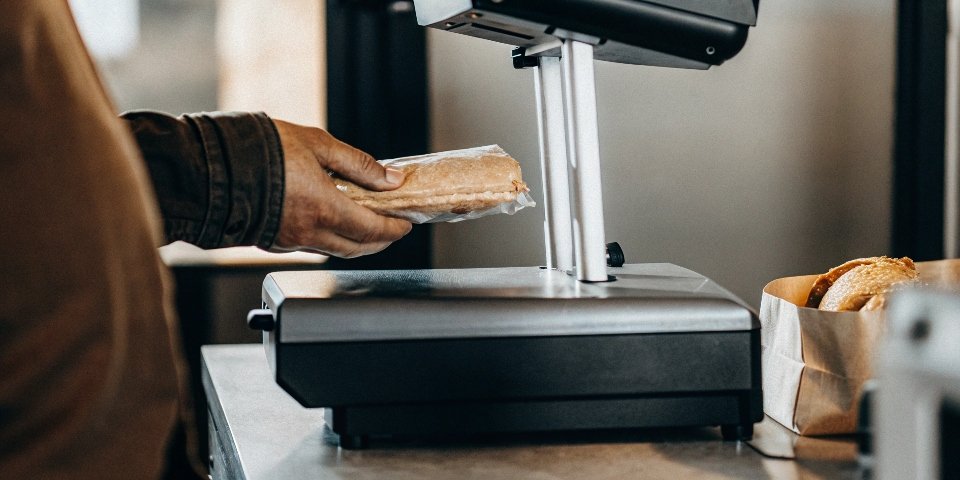
Over the years, I've seen many business owners get captivated by technology. They see a scale with a dozen connectivity options and complex software and think "more is better." But then they end up only using the basic weighing function. The key is to match the features to your actual workflow. As a manufacturer, our goal isn't just to sell a product; it’s to provide a solution. We often talk with clients to understand their day-to-day tasks before recommending a model.
Core vs. Advanced Functions
Start with the basics and add on only what you truly need.
Core Functions
These are generally non-negotiable for retail.
- Price Computing: The scale automatically calculates the price based on the weight and the price per unit you enter. This is the most fundamental feature for any store selling items by weight.
- Tare: This allows you to subtract the weight of a container, so you only charge for the product itself.
- Zero: This resets the scale to zero, ensuring every measurement starts from an accurate baseline.
Advanced & Connectivity Functions
These features can streamline your operations significantly.
- Label Printing: If you sell pre-packaged items like sliced meats, cheeses, or salads, a scale with a built-in printer is a game-changer. It prints labels with weight, price, barcodes, and dates, saving immense time.
- POS Integration: This is where you can get a huge return on investment. Scales with RS-232, USB, or Wi-Fi ports can send weight and price data directly to your cash register. This eliminates manual entry errors and speeds up checkout.
- Piece Counting: This is invaluable for hardware or craft stores. It allows you to sell small items like screws, beads, or bolts by quantity after weighing a sample.
Why is scale certification non-negotiable for your business?
Using an uncertified scale for commercial sales is a serious risk. This can lead to heavy fines, legal trouble, and permanent damage to your store's reputation. Let's make sure you stay compliant.
When selling goods by weight, you must use a "Legal for Trade" or "Trade Approved" scale. These scales are certified by government bodies (like NTEP in the US or OIML/CE in Europe) to guarantee accuracy for both you and your customers. Always look for these certification marks.

I once got a call from a frantic small business owner. He was a new grocer who had been using a simple kitchen scale for his fresh produce. An inspector visited and issued a significant fine. He had no idea he was breaking the law. His mistake was not understanding the difference between a regular scale and a legally certified one. "Legal for Trade" isn't just a marketing term; it's a legal requirement that protects both the consumer and the business owner.
What to Look For
These certifications confirm that the scale has been tested and verified to meet strict standards for accuracy and reliability in a commercial setting.
- NTEP (National Type Evaluation Program): This is the mandatory certification for commercial scales used in the United States. If you're based in the US, look for an NTEP Certificate of Conformance.
- Measurement Canada Approved: This is the equivalent certification required for any commercial scale used in Canada.
- CE Marking with a Green "M": In the European Union, scales used for trade must have a CE mark accompanied by a supplementary metrology marking (the letter 'M' in a green square). This is often based on OIML (International Organization of Legal Metrology) recommendations.
As manufacturers, we take this responsibility very seriously. Our products are designed to meet these international standards because we understand that our clients' businesses depend on it. We make sure every scale intended for retail is fully compliant to protect your business and your customers.
How can you tell if a digital scale is built to last?
A cheap scale seems like a great deal at first. But when it breaks down during a busy weekend, it disrupts sales and ends up costing you more in the long run. Let's spot the signs of a truly durable scale.
Check the construction materials. A stainless steel platform resists spills and is easy to clean, which is essential for food safety. Also, look for an IP rating, which shows its level of protection against dust and water. A solid, stable base prevents damage from accidental bumps in a busy store.
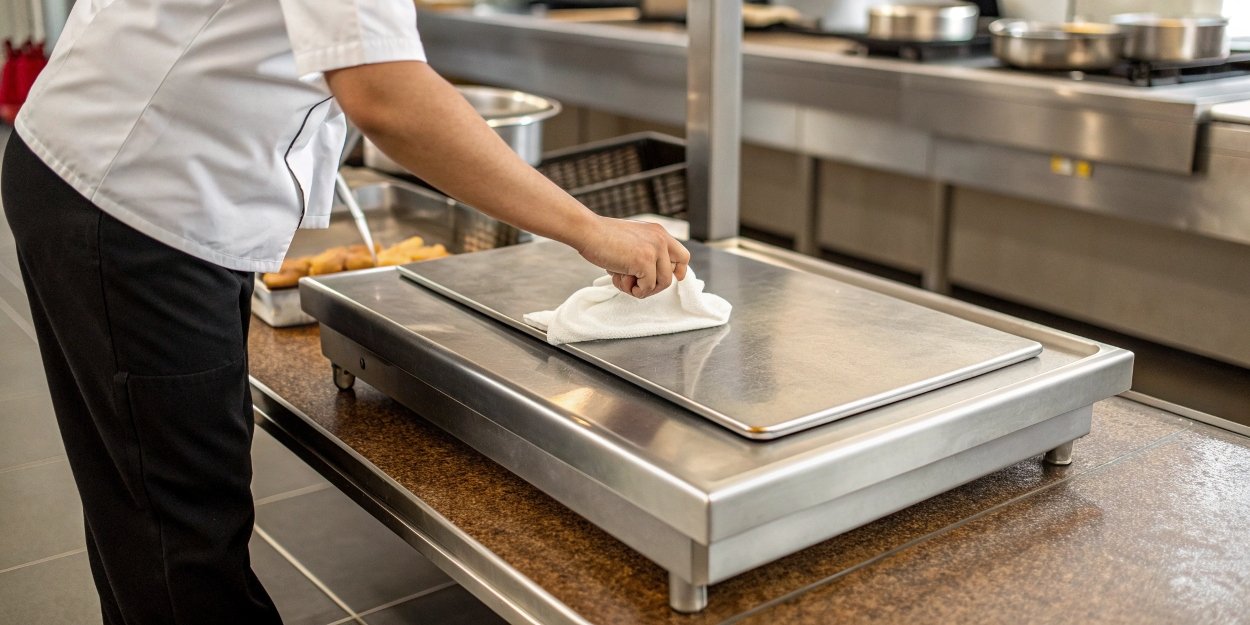
You should think of your scale as a long-term employee, not a disposable tool. It needs to show up and work reliably every single day. A well-built scale will withstand the bumps, spills, and constant use of a retail environment. A flimsy one will not. That's why at our company, every product undergoes comprehensive testing before it leaves the factory. We check not just the software and weight accuracy, but also the physical resilience of the machine.
Key Indicators of Durability
Here’s what to look for when you're evaluating the physical quality of a scale.
Materials Matter
- Platform: For any business handling food—delis, butchers, bakeries, candy stores—a stainless steel platform1 is the gold standard. It’s hygienic, doesn’t rust, and can handle constant cleaning. For non-food retail, a tough, thick ABS plastic housing can also work well.
- Load Cell: The load cell is the heart of the scale; it's the sensor that actually measures the weight. A quality scale will have its load cell2 protected from overload and shielded from moisture and debris.
Environmental Protection
- IP Rating (Ingress Protection): This is a simple code that tells you how well the scale is sealed. For example, an IP65 rating means the scale is completely dust-tight and can be rinsed with a low-pressure water jet. This is vital for a fish counter, butcher shop, or any messy environment.
- Overload Protection: Accidents happen. Someone might drop a heavy box on the scale. Good scales have built-in mechanical stops to prevent the delicate load cell from being damaged by excessive weight. This single feature can save you from a costly repair. Our 12-month after-sales guarantee is a promise that we stand by the durability we build into every unit.
Conclusion
Choose the right capacity, select only needed functions, verify its certification, and invest in durability. This ensures you get the perfect scale for your retail business and a strong return on your investment.

[…] value often is, especially for knowledgeable buyers like you. Companies like us, Weigherps, are OEM/ODM manufacturers5. We design and build the scales that many global brands sell under their own […]