
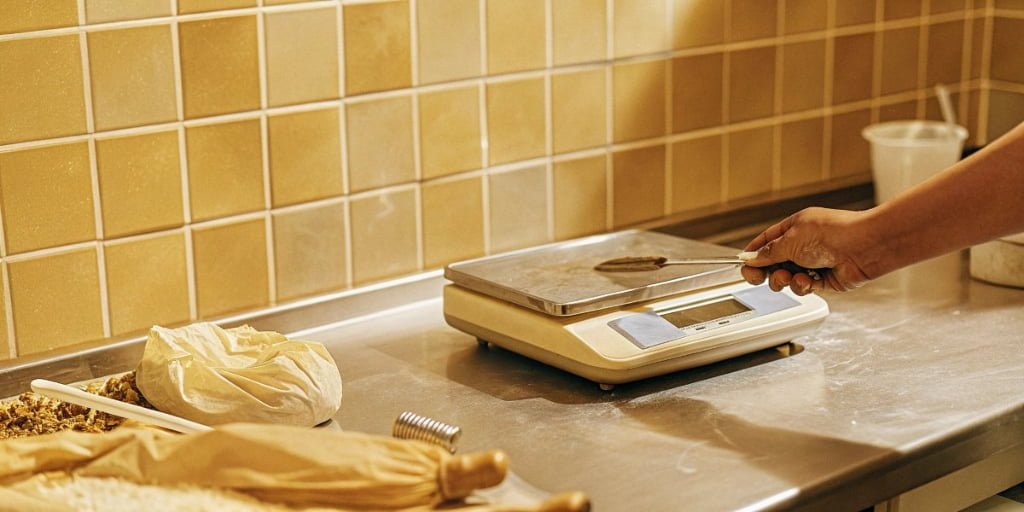
Your commercial kitchen scale just died during peak service. Now, prep is slowing down, and consistency is at risk. Quick, simple checks can get you running again in minutes.
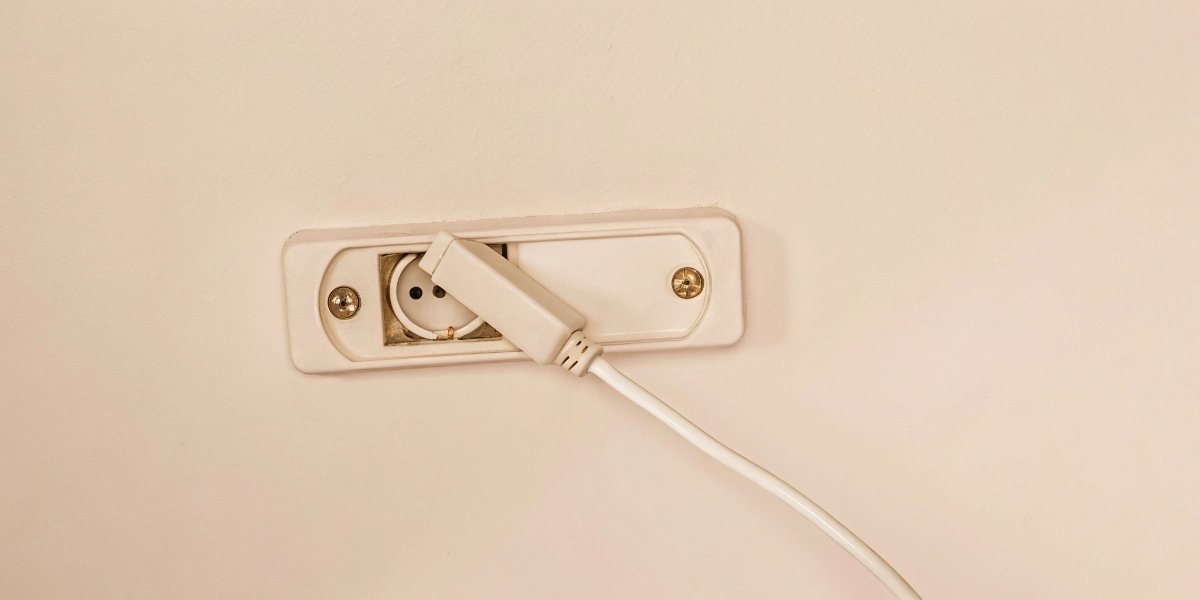
To fix a commercial kitchen scale that won't work, first check the power source—ensure it's plugged in securely or has fresh batteries. Next, make sure the scale is on a level surface and clean any debris from under the weighing pan. A quick recalibration often fixes inaccuracies.
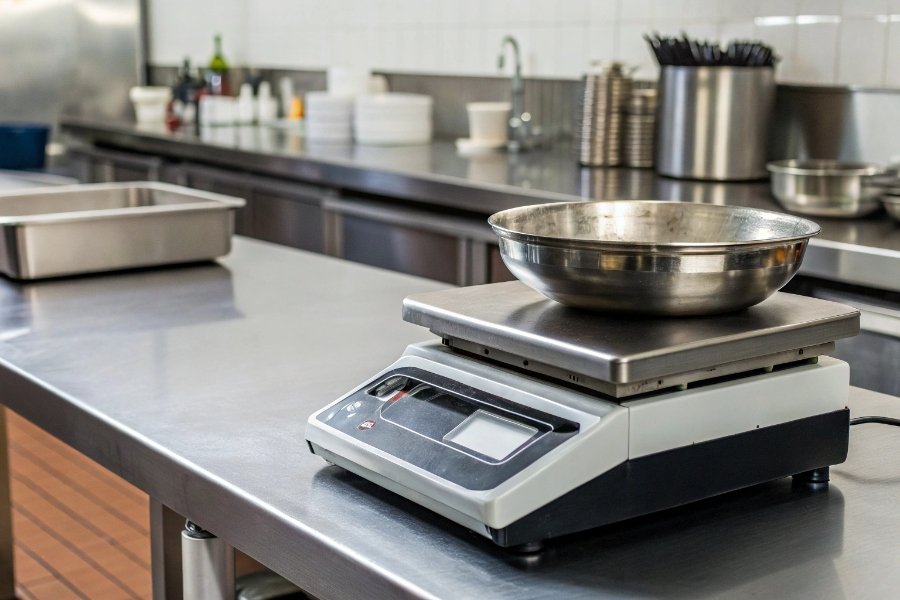
In my 18 years of manufacturing industrial scales, I’ve seen that downtime is the biggest enemy in a professional kitchen. Every minute counts. The good news is that most scale failures aren't serious. You can often solve them yourself without calling a technician. These quick fixes will help you diagnose the problem and get back to work fast. Let's dive into the common issues and their solutions.
Why is my kitchen scale not working?
Your scale suddenly stops working, showing a blank screen or a frozen number. You feel a wave of panic, knowing recipes and portion control are now at risk. But don't worry, the cause is usually very simple to find and fix.
The most common reasons a kitchen scale stops working are power-related, like a loose cord or dead batteries. Other frequent causes include an unlevel surface, food debris blocking the sensor, or the scale simply needing to be recalibrated after being moved or bumped in a busy kitchen.
As a manufacturer, we see these issues all the time. A fast-paced kitchen is a tough environment for any piece of equipment. Before you assume the worst, let's walk through a quick diagnostic checklist. We build our scales to be durable, but these basic checks are the first step for any brand. Most of the time, the problem falls into one of three categories: power, display, or an external interference causing an error. Identifying which one you're facing is half the battle.
Quick Diagnostic Steps
Here is a simple table to help you identify the problem quickly.
| Symptom | Likely Cause | Quick Fix |
|---|---|---|
| Blank Screen / Won't Turn On | Power issue | Check plug and cable. Replace batteries. Try a backup power adapter1. |
| Frozen or Flickering Display | Minor internal glitch | Gently tap the area around the buttons. Re-seat the display cable if you are comfortable. |
| Weight is Incorrect or Jumps | Unlevel surface or calibration drift2 | Move scale to a flat, stable counter. Perform a recalibration using a known weight. |
How to fix a scale that won't weigh?
The scale turns on, but the display is stuck at zero or won't register any weight. Your workflow is interrupted, and you need a fix now. This frustrating issue can often be solved without any special tools or technical skills.
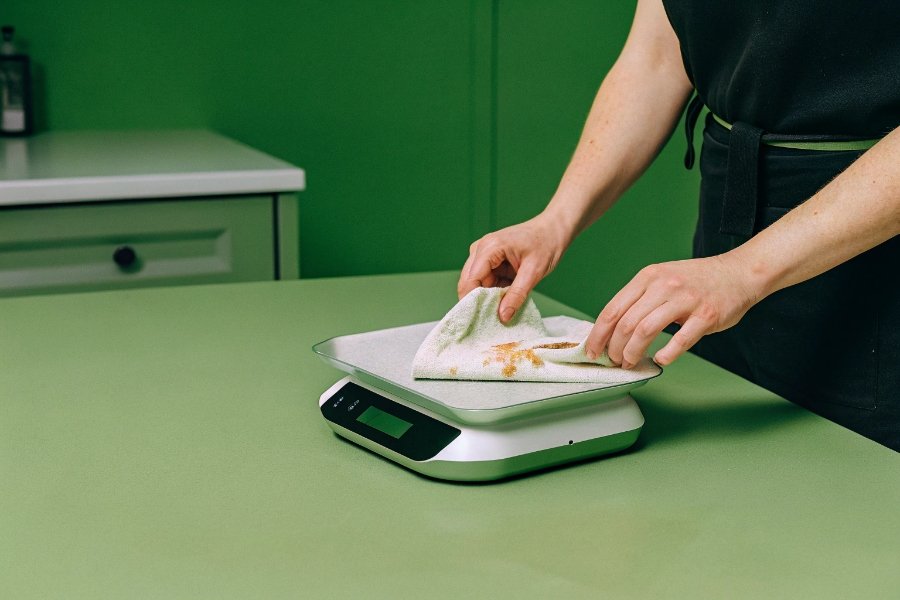
First, remove all power sources—unplug the adapter and take out the batteries. Wait a full minute before restoring power. This "hard reset" can clear internal errors. Next, lift the weighing pan and clean underneath it. Small food particles can easily get stuck and block the sensor mechanism.
If the scale still won't weigh properly, the problem is likely an obstruction or a calibration error. As someone who oversees the production of thousands of scales, I can tell you that the load cell3—the sensor that measures weight—is incredibly sensitive.
Step 1: Deep Clean the Sensor Area
Grease, flour, and tiny food scraps are the enemies of an accurate scale. Unplug the scale and remove the top platter. Use a can of compressed air or a soft brush to clear out any debris from around the load cell and moving parts. For stubborn grime, especially in a kitchen environment, use a cotton swab lightly dampened with rubbing alcohol to gently clean the sensor surfaces. Make sure everything is completely dry before you reassemble it and turn it back on.
Step 2: Perform a Simple Recalibration
Calibration drift happens. It's normal in a busy kitchen with constant use and temperature changes. Your user manual will have the specific steps, but the process is generally simple. You will enter a calibration mode, place a known weight (we often recommend a 500g calibration weight) on the scale, and confirm. This resets the scale’s internal reference point, restoring its accuracy.
What is the common problem of weighing scales?
You feel like you're constantly troubleshooting the same scale issues over and over. This repetition is frustrating and costly. Knowing the most common points of failure can help you move from fixing problems to preventing them.
The most common problems we see with commercial scales are straightforward. Power failures from bad cords or batteries are number one. Calibration drift is a close second, caused by normal wear and tear. Physical interference from dirt or an unlevel surface is also a top offender in busy kitchens.

After 18 years in this business, we've collected a lot of data on why scales fail. The environment plays a huge role. A scale in a quiet lab has a different life than one on a busy kitchen prep line. Kitchens have heat, moisture, grease, and constant vibrations. While we design our scales with heavy-duty components and better sealing, these environmental factors will always be the primary source of common, everyday problems. Understanding this helps you focus your maintenance efforts where they matter most.
Breakdown of Common Scale Issues
| Common Problem | Primary Cause | Key Environmental Factor |
|---|---|---|
| Power Failure | Worn-out cables, depleted batteries. | High usage, frequent plugging/unplugging. |
| Inaccurate Reading | Calibration drift, sensor obstruction. | Debris, spills, temperature fluctuations. |
| Unstable Weight | Unlevel surface, vibrations. | Uneven counters, nearby heavy equipment. |
| Display Error | Internal software glitch, moisture damage. | High humidity, accidental spills. |
How to fix an electronic kitchen scale?
You have tried the basic fixes, but the scale is still unreliable or not working at all. You're worried about bigger issues and potential service disruption. It's time to move beyond quick fixes and think about long-term reliability.
Fixing an electronic scale for good involves a two-part strategy: consistent preventative maintenance and knowing when to call a professional. Regular cleaning and calibration are non-negotiable. For persistent issues that basic troubleshooting can't solve, a certified technician is your best and safest option.

The goal is to keep your kitchen running, not to make you a scale repair expert. As a solutions provider, our aim is to empower our clients with technology that is reliable. That reliability comes from a combination of robust design and smart maintenance. A few simple habits can prevent 90% of failures, and for the other 10%, having a plan is key.
The Power of Preventative Maintenance
A simple routine can save you from future headaches. We recommend this schedule to all our clients:
- Daily: Before starting, check that the scale is level. Wipe down the exterior.
- Weekly: Give the scale a deeper clean. Remove the pan and clean underneath.
- Monthly: Perform a zero and span calibration check using a known weight. This ensures accuracy across its entire weighing range.
- Quarterly: If your kitchen is extremely busy, consider having a professional service perform a full maintenance check—cleaning, lubricating, and full calibration with a certificate.
When to Call for Professional Help
If your scale still fails after cleaning and recalibration, it's time to stop troubleshooting. The issue could be a failing load cell or a problem with the main circuit board. Contact a certified repair service. More importantly, consider your backup plan. We advise our high-volume clients to keep at least one spare scale for every ten in use. This simple strategy eliminates downtime completely.
Conclusion
Most scale failures are fixed with simple power checks, cleaning, and recalibration. A routine of preventative maintenance is the best way to ensure your kitchen's accuracy and efficiency long-term.



Comments (0)