
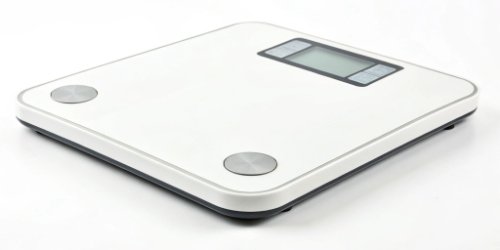
Are you struggling to break into the hardware market? You have great software, but developing a physical product is costly and complex. This is where a white-label smart scale comes in.
A white-label smart scale allows you to sell a hardware and software solution under your own brand. This lets you enter new markets quickly without spending a fortune on research, development, and manufacturing. It's a fast track to offering a complete, branded product to your customers.

As a software vendor, you are an expert in your field. But the world of hardware manufacturing, supply chains1, and international certification is completely different. Trying to do it all yourself can drain your resources and pull focus away from what you do best. A white-label partnership offers a smarter path forward. It lets you leverage the expertise of an experienced manufacturer, like us, to grow your business. You get a reliable product, and your customers get a seamless solution. Let's explore how this strategy can work for you.
How Can White-Label Smart Scales Help Businesses Expand Their Market Presence?
Your software is powerful, but customers are asking for a complete package. Competitors might already be offering bundled solutions, making it hard for you to compete and grow your presence.
White-label smart scales help you expand by bundling your software with certified, ready-to-sell hardware. This creates a turnkey solution that appeals to new customer segments. You can instantly enter industrial, retail, or logistics markets with a product that feels entirely your own.

Expanding your market presence is about more than just finding new customers. It's about entering entirely new industries and solidifying your brand's authority. With a white-label hardware partner, you can stop being just a software provider and become a total solutions provider. This simple shift in positioning opens up a world of possibilities for your business. For over 19 years, I've seen software companies transform their growth trajectory by adopting this model. It's a proven way to scale without the usual risks tied to hardware development.
Entering New Verticals with Turnkey Solutions
Imagine your company sells inventory management software for retail stores. Your customers love it, but you want to start selling to logistics and warehousing companies. They have different needs, including the need for robust, industrial-grade weighing equipment2. Instead of spending years and millions developing your own scale, you can white-label an existing industrial platform scale. You simply bundle it with your software, and suddenly you have a new, specialized product for the logistics market. This "turnkey" approach is very attractive to buyers. They are not just buying software; they are buying a complete solution to a problem, with your brand on it.
Strengthening Your Brand Ecosystem
When a customer buys your software and your branded hardware, they are entering your brand's ecosystem. This makes your solution much "stickier." It's more than just software they can easily replace. They have a physical product3 that is integrated into their daily workflow. This deep integration builds incredible brand loyalty4 and increases the lifetime value of each customer. It also creates a barrier for competitors. When it's time for the customer to upgrade or expand, they will come to you first because you provide the entire, seamless package.
| Feature | In-House Hardware Development | White-Label Partnership |
|---|---|---|
| Time to Market | 18-24 months | 1-3 months |
| Initial Investment | Very High | Very Low |
| Required Expertise | Hardware Engineering, Supply Chain | Software Integration |
| Risk Level | High | Low |
What Are the Benefits of Incorporating White-Label Smart Scales into Your Product Line?
You see a clear demand for integrated weighing solutions, but the idea of investing in hardware development is overwhelming. Fearing the cost and risk, you might miss a huge opportunity for growth.
The primary benefits are speed, cost-savings, and focus. You get your product to market in months, not years, saving millions in R&D and manufacturing. This allows you to focus your resources on what you do best: developing and selling amazing software.

The decision to build or partner is one of the most critical you'll make when entering the hardware space. I’ve spoken with many technical directors who initially wanted to build their own devices. They often underestimate the hidden complexities of component sourcing, quality control, and firmware development. A white-label partnership removes all of these headaches. It allows you to leverage our 19 years of experience to launch a reliable product without the steep learning curve. The benefits go far beyond just saving money; they protect your business from unnecessary risks and distractions.
Massive Financial Advantages
Let's break down the costs you avoid with a white-label partner. You have zero R&D expenses for hardware. You don't need to hire electrical engineers or industrial designers. You have no factory setup or tooling costs, which can easily run into the hundreds of thousands of dollars. You also skip the expensive and time-consuming process of getting international certifications like CE. We've already done that work. All these savings mean you can allocate your capital to marketing, sales, and further software development—the areas that directly grow your business. This financial efficiency is a huge competitive advantage.
Focus on Your Core Strengths
Your company excels at creating software. That is your core strength. Trying to become a hardware manufacturer at the same time divides your attention and dilutes your expertise. It's like a world-class chef deciding to also raise their own cattle. By partnering with a specialized scale manufacturer like us, you get to focus 100% on your software, ensuring it remains the best on the market. We, in turn, focus 100% on building reliable, high-quality hardware. This division of labor ensures that the final bundled product is excellent on both fronts. Customers get a great software experience and a dependable physical device, leading to higher satisfaction.
| Cost & Time Factor | Building In-House | White-Labeling |
|---|---|---|
| R&D Costs | $500,000+ | $0 |
| Manufacturing Setup | $1,000,000+ | $0 |
| Certification (CE, etc.) | $50,000+ | Included |
| Time to Market | 2+ Years | < 3 Months |
| Team Distraction | High | Low |
How Do White-Label Smart Scales Offer New Opportunities for Market Expansion?
Your current software market might be getting crowded. You need new revenue streams to keep growing, but breaking into new industries seems difficult and requires products you don't currently have.
White-label scales open new opportunities by allowing you to create customized, industry-specific solutions. You can pair your core software with different types of scales—like waterproof bench scales for food processing or pallet jack scales for logistics—to target niche markets effectively.

The real magic of white-labeling isn't just selling a scale; it's about creating entirely new product categories. Your core software application is flexible. When you combine it with different hardware form factors, you are essentially creating brand new products without writing a single new line of code. This modular approach is incredibly powerful for expansion. It allows you to test new markets with minimal investment. If a solution for a specific niche takes off, you can double down. If it doesn't, you haven't lost a massive R&D investment. It gives you the agility to adapt to market needs quickly.
Customization for Niche Markets
Generic solutions have limited appeal. Niche markets, however, are often underserved and highly profitable. Let's say you offer a general data-tracking application. By partnering with us, you could offer a "Waste Management Solution" by bundling your software with a durable, high-capacity floor scale. Or you could create a "Precision Agriculture Package" by pairing it with a portable field scale. We can provide various types of scales that you can brand as your own. This allows you to address the specific pain points of different industries with a targeted solution, which always sells better than a one-size-fits-all product.
Offering Data-Driven Services
A "smart" scale is fundamentally a data collection device. When you control both the hardware and the software, you control the data flow. This opens up opportunities to move beyond a one-time product sale and into recurring revenue models5. You can offer your customers data-as-a-service (DaaS)6, providing them with insights, analytics, and predictive maintenance alerts based on the data collected from their scales. The hardware becomes the gateway to a long-term, high-value service relationship. This subscription-based model is far more stable and profitable than just selling software licenses.
What Role Do White-Label Smart Scales Play in Broadening Market Distribution?
Right now, you probably sell your software directly to customers. This limits your reach, and you're missing out on large distribution channels that prefer selling complete, physical products.
White-label scales turn your abstract software into a tangible, boxed product. This makes your solution far more attractive to distributors, resellers, and value-added resellers (VARs), who can now easily stock, ship, and sell it. This can instantly multiply your distribution channels.

Breaking into global markets or large distribution networks is a major challenge for software-only companies. Distributors and resellers often have established logistics and sales processes built around physical goods. They understand how to sell a box. A downloadable software link is harder for their sales teams to push. By offering a bundled hardware-software solution, you speak their language. You give them a product they know how to handle, market, and sell. As a manufacturer with global clients, we have seen this unlock huge growth for our software partners.
Appealing to Channel Partners
Think from the perspective of a distributor. A physical product is easy to manage. It has a SKU, it sits in a warehouse, and it ships in a box. It's a simple, profitable transaction. A bundled smart scale solution is the perfect product for them. It has a higher perceived value than software alone, allowing for better profit margins. For value-added resellers, it's even better. They can add their own installation and support services on top of your solution, creating another revenue stream for themselves. By offering a physical product, you make it easy for these partners to say "yes" to selling your solution.
Global Reach with Certified Hardware
One of the biggest hurdles to international expansion is hardware certification7. Each region has its own rules (e.g., CE in Europe, FCC in the US). This process is expensive, complicated, and slow. When you partner with an experienced manufacturer like us, you bypass this entire problem. Our scales already have the necessary international certifications. This means you can start selling your bundled solution in Europe, North America, and other global markets from day one. We handle the hardware compliance so you can focus on building your international sales channels and localizing your software.
Conclusion
White-labeling a smart scale is a smart, low-risk strategy to expand your market. It saves money and time. To succeed, you must find a reliable hardware manufacturing partner.
-
Understand the critical elements of supply chains that impact product delivery. ↩
-
Find out how industrial-grade equipment can meet specific industry needs effectively. ↩
-
Learn how offering a physical product can enhance your market appeal. ↩
-
Find out why building brand loyalty is crucial for long-term business success. ↩
-
Understand how recurring revenue can stabilize income and foster customer loyalty. ↩
-
Discover how DaaS can create new revenue streams and enhance customer relationships. ↩
-
Learn about the significance of hardware certification for international business expansion. ↩



Comments (0)