
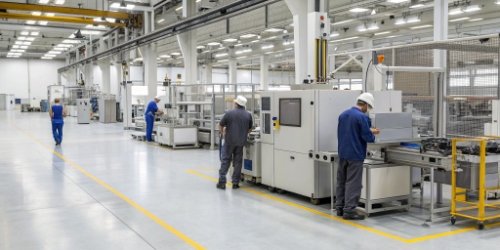
Manual weighing is slow and full of errors that cost you time and money. An integrated, all-in-one weighing solution can fix this by streamlining your entire process from start to finish.
Yes, an all-in-one weighing solution can make your factory floor much more productive. By combining hardware and software, it automates data capture, eliminates manual entry, and reduces human error. This directly leads to faster production cycles, lower labor costs, and a significant boost in overall efficiency.
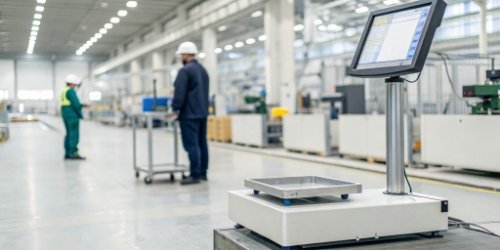
It all sounds great on paper, but you're probably wondering how these benefits actually play out in a real, busy factory environment. We've seen firsthand how a unified system1 can completely change an operation for the better. It's not just about one piece of equipment; it's about creating a connected, intelligent workflow2. Let's look at the specific ways this transformation happens and what you should look for in a solution.
How Does an All-in-One Weighing Solution Boost Productivity on the Factory Floor?
Juggling separate scales, computers, and software systems creates workflow chaos. This disjointed process slows down your team and opens the door for expensive mistakes that hurt your productivity. A single, integrated solution connects everything for a smooth, error-free operation.
It boosts productivity by automating data collection, removing the need for manual data entry, and giving you real-time information. This cuts down the time for each weighing task, minimizes errors, and lets your operators work more efficiently, increasing your output without adding more staff.

I once visited a client's facility where the weighing process was a major bottleneck. The operator had to place a box on a scale, read the weight, write it on a notepad, walk over to a shared computer, type the number into a spreadsheet, then walk back to the station. Each step was a drain on time and a potential point of failure. A simple typo could throw off inventory for the entire day. This is a common story we hear.
An all-in-one solution changes this workflow completely. The process becomes much simpler and faster.
Eliminating Wasted Steps
With an integrated system, the scale is connected directly to your software. The operator simply places the item on the scale. The weight is captured and recorded instantly, and a label can be printed automatically. This simple change can have a massive impact. We've seen clients cut the time for a single weighing and labeling task by over 60%.
Before vs. After Integration
| Step | Before (Manual System) | After (All-in-One Solution) |
|---|---|---|
| 1 | Place item on scale | Place item on scale |
| 2 | Read and physically note weight | Weight captured automatically by software |
| 3 | Walk to a separate PC station | Data is instantly recorded and processed |
| 4 | Manually enter weight into software | Label can print automatically |
| 5 | Print label and return to station | Apply the correct label |
| 6 | Apply label to the item | - |
What Are the Benefits of Implementing a Unified Weighing System in Manufacturing?
Your current weighing data is likely siloed across different machines and spreadsheets. You're missing out on key insights that could improve your entire operation, from inventory to quality control. A unified system centralizes all your weighing data for instant analysis.
The main benefits are higher accuracy, better data visibility, and lower operational costs. A unified system creates standard procedures, reduces human error, and gives you a single source of truth for all weight-related data. This improves inventory management, quality control, and your overall business decisions.
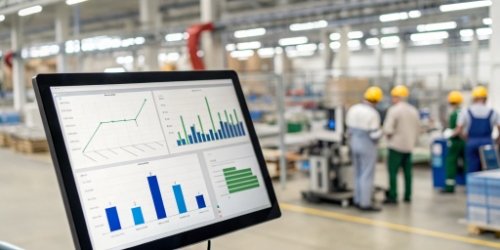
While increasing speed is a clear advantage, the true power of a unified system lies in the quality and accessibility of the data it generates. In a non-unified setup, inconsistencies are almost guaranteed. The weight recorded on the production line might not match the log in your inventory system, which can cause huge problems during audits or when trying to track down product loss. I've talked to many purchasing managers who spend weeks trying to reconcile these data mismatches.
A unified system brings all this information together, creating a single, reliable source of truth.
Beyond the Scale
When all your weighing equipment speaks the same language and reports to a central database, you gain a clear, real-time view of your operations. This has benefits that extend far beyond the weighing station itself. For example, it helps you enforce quality control3 by ensuring every product is within its target weight range. It also provides complete traceability, which is essential for compliance4 in many industries. We have helped clients reduce their material waste5 by up to 5% just by giving them more accurate, centralized data to work with.
Key Benefits of a Unified System
| Benefit Category | Specific Advantage | Impact on Your Business |
|---|---|---|
| Data Integrity | Centralized, accurate, and consistent data. | Better decision-making and stress-free audits. |
| Cost Reduction | Less material waste and lower labor costs6. | Higher profit margins and better resource allocation. |
| Quality Control | Standardized measurements and full traceability. | Improved product quality and fewer customer complaints. |
How Can Integrating Weighing Solutions Enhance Efficiency in Industrial Operations?
Your weighing equipment probably doesn't talk to your other factory systems. This lack of communication creates data silos and bottlenecks that slow down your entire production line. True integration connects your scales directly with your core operational software.
Integration enhances efficiency by creating a smooth flow of information between your scales and systems like your ERP or MES. This automates tasks like inventory updates and production reports, gets rid of redundant data entry, and allows for real-time monitoring and control of your whole process.
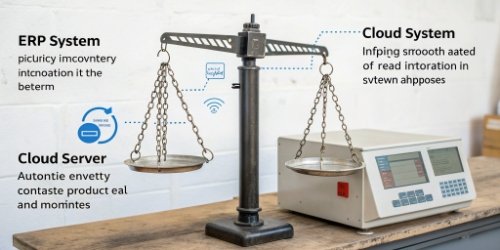
Real efficiency comes from how all your systems work together. We often partner with software vendors, and a common frustration their customers face is that their fantastic management software can't get reliable data from the factory floor. They're trying to connect with a random assortment of old and new scales from different manufacturers, and it just doesn't work. This is a classic integration headache, and it's where we, as hardware experts, can provide a real solution.
This is where our 19 years of OEM and ODM experience really comes into play. We don't just build scales; we build connected solutions.
Building a Truly Smart Factory
We provide not only the reliable hardware but also the technical support7 and protocols needed to connect our scales to virtually any system. This is a critical point for technical directors who need to ensure seamless data flow. When a product is weighed on one of our scales, that data can be instantly sent to:
- An ERP system to adjust inventory levels.
- An MES system to track production progress in real time.
- A Quality Management system for compliance and record-keeping.
This turns a simple scale into an intelligent data-collection point, making your entire factory smarter.
Integration Points and Their Value
| Integrated System | How It Works | The Value It Creates |
|---|---|---|
| ERP System | Automatically updates inventory levels. | Maintains accurate stock counts and prevents shortages. |
| MES System | Tracks real-time production output by weight. | Enables better production scheduling and line balancing. |
| Quality Management | Logs weight data for every single item or batch. | Provides complete traceability for compliance and recalls. |
What Features Should an All-in-One Weighing Solution Have to Maximize Factory Productivity?
Not all "all-in-one" solutions are actually complete. Choosing the wrong one can be a very expensive mistake that fails to deliver the productivity gains you were promised. To avoid this, you need to look for specific features that directly target your biggest challenges.
To truly maximize productivity, a solution must have seamless hardware and software integration, real-time data transfer, and a user-friendly interface. It should also have robust connectivity for IoT applications and be customizable to fit your workflow. Finally, it must come with reliable, professional technical support.

After building weighing solutions for nearly two decades, we've learned what separates a good system from a great one. It's never just about the accuracy of the scale or the flashiness of the software. The whole package has to work together in your specific environment. A system that is too complicated for your operators to use is practically worthless, no matter how many features it has.
That is why we focus our R&D and production on a few key areas that we know deliver real-world results.
A Checklist for Success
First, the user interface has to be simple and intuitive. Your team should be able to use it with minimal training. Second, the system must be reliable. We don't take chances here. Our quality inspection department puts every single unit through comprehensive testing for weight, battery, and software performance before it ever leaves our factory. Only products that pass every test are shipped. Third, the solution needs to be flexible. We specialize in providing customized solutions that meet your specific market needs, whether it's building a specialized scale or ensuring seamless integration with your existing software.
Essential Features Checklist
| Feature | Why It's Important for You | How We Deliver It at Weigherps |
|---|---|---|
| User-Friendly Interface | Reduces training time and costly operator errors. | Intuitive software design and clear, simple workflows. |
| Hardware Reliability | Prevents expensive downtime and inaccurate reads. | Comprehensive QC testing and quality components. |
| Customization | Ensures the solution perfectly fits your unique process. | An in-house R&D team that creates tailored solutions. |
| Responsive Support | Guarantees expert help is there when you need it. | Our 12-month after-sales service guarantee. |
Conclusion
In short, an all-in-one weighing solution reduces errors, saves costs, and drives productivity. It is a smart, strategic investment for any modern factory looking to gain a competitive edge.
-
Learn about the advantages of implementing a unified system for better data management. ↩
-
Understand how intelligent workflows can streamline processes and enhance productivity. ↩
-
Understand the critical role of quality control in ensuring product consistency and compliance. ↩
-
Get informed about compliance requirements that affect manufacturing operations and quality. ↩
-
Find out practical ways to minimize material waste and improve sustainability in your operations. ↩
-
Understand how technology can help reduce labor costs while maintaining productivity. ↩
-
Understand the importance of reliable technical support in maintaining operational efficiency. ↩



Comments (0)