

Are you struggling to find the next big idea for your software? It feels like every good idea is already taken. You need a fresh source of data to fuel your next product.
Yes, it can. A programmable weighing scale provides a direct link to the physical world, offering real-time data on materials, assets, and processes. This raw data is the perfect foundation for developing innovative software solutions for inventory, logistics, and quality control.

As a software provider, you are the true problem solver. You are on the front lines, listening to clients and understanding their operational headaches. You translate those problems into elegant software solutions. But to create the best solutions, you need the best tools. We believe our programmable IoT industrial scales are not just hardware; they are the key that unlocks a new world of data for you to build upon. I've seen it happen time and again. A client comes to us with a hardware need, but leaves with a completely new software business idea. Let's explore how this powerful tool can become the catalyst for your next breakthrough.
How Can Programmable Weighing Scales Inspire Software Innovations?
You see clients battling inefficient workflows every day. You know software can fix it, but where do you start? You need a reliable, real-time data source to build a solution around.
Programmable scales inspire software innovations by turning physical weight into digital data. This data can trigger automated reordering, track production efficiency, or flag quality control issues, giving you endless problems to solve with your software.
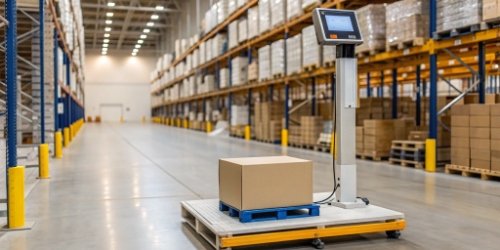
For years, I've worked with software companies that hit a wall. They had the coding talent but lacked a connection to the real-world factory floor. Once they integrated our programmable scales, it was like a lightbulb switched on. The scales are more than just measuring devices; they are data-gathering terminals1. By giving you direct access to the most fundamental metric in any production or logistics process—weight—you get the raw material for innovation. You can move beyond theoretical software and build applications that have a direct, measurable impact on a client's physical operations.
Unlocking Data-Driven Actions
The core idea is simple: weight data2 is a powerful indicator. When a component bin's weight drops below a certain level, what should happen? When a finished product's weight is outside the acceptable range, who needs to be notified? These are questions your software can answer.
| Action Trigger | Potential Software Solution | Business Impact |
|---|---|---|
| Low Inventory Weight | Automated replenishment software that orders new stock. | Reduces stockouts and manual checks. |
| Inconsistent Product Weight | Quality control dashboard that alerts supervisors in real-time. | Decreases product defects and waste. |
| Ingredient Weight Tracking | Batch management software for recipe consistency. | Ensures product quality and compliance. |
This isn't just about reading a number. It's about using that number to kickstart an automated, intelligent workflow that you design and sell.
What Opportunities Do Programmable Weighing Scales Offer for Software Development?
Expanding your software suite feels risky. Developing a new product requires significant investment and you're not sure which market to enter. You need a proven opportunity with clear customer demand.
Programmable scales open up software development opportunities in high-demand areas like automated inventory management, real-time logistics tracking, and predictive maintenance. These are markets with clear pain points that your software can solve.
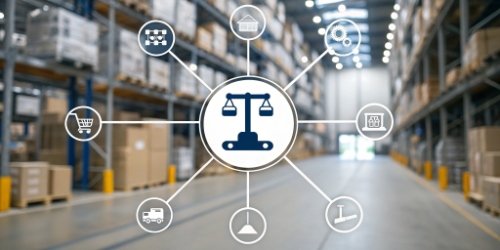
We often see software vendors who are experts in one area, like ERP or CRM systems. They want to grow, but building a completely new product from scratch is daunting. A programmable scale acts as a bridge into the world of industrial IoT and operations management. It's a low-risk entry point. Instead of building a massive new system, you can start by developing a small, targeted add-on or module that integrates weight data into a client's existing workflow. This allows you to test the market, demonstrate value quickly, and build a new revenue stream based on a tangible, physical process.
New Markets and Service Models
Integrating programmable scales allows you to tap into new markets and offer innovative service models. You're no longer just selling software; you're selling a complete solution that combines hardware and software to solve a real-world problem.
- Software-as-a-Service (SaaS) for Operations: Offer a subscription-based service for monitoring inventory levels. Your clients pay a monthly fee, and you provide the software that interprets data from the scales.
- Pay-per-Use Models: In logistics, you could develop software that bills customers based on the weight of packages processed, all tracked automatically by the scales.
- Predictive Maintenance Alerts: Create a service that monitors the weight of waste materials from a machine. A sudden change could indicate a potential malfunction, allowing your software to trigger a maintenance alert.
This approach transforms you from a simple software vendor into an indispensable operational partner for your clients.
How Might Programmable Weighing Scales Spark Creative Software Solutions?
Your team is brilliant, but they're stuck in a creative rut. You're looking for something to ignite their imagination and lead to truly unique solutions that competitors haven't thought of.
Programmable scales spark creativity by providing a new "sense" for your software: the sense of touch, or weight. This allows developers to think differently and create solutions like "smart shelves," gamified production dashboards, or automated waste-tracking systems.

I remember a client, a talented software developer, who wanted to create a solution for a chemical plant. Initially, they were thinking about complex camera systems. But when we introduced our programmable scales, their entire perspective shifted. They realized that by tracking the precise weight of ingredients being mixed in real-time, they could create a far more accurate and reliable process control system than any camera could offer. The simplicity and reliability of weight data unlocked a wave of creativity. It's a fundamental input that developers often overlook, but once they see its potential, the ideas start flowing.
Thinking Outside the Box
When your software can understand weight, you can start building applications that feel like magic to the end-user.
- Smart Shelving: Imagine a stockroom where the shelves themselves know what's on them. Each shelf is a scale. Your software can display a real-time digital twin of the entire stockroom, eliminating the need for manual scanning or counting.
- Gamification of Production: You could create a dashboard that tracks the output weight of different production lines or even individual workers. You can then display leaderboards, award digital badges for efficiency, and turn routine work into a friendly competition to boost morale and productivity.
- Automated Environmental Compliance: Develop software for waste management companies. The scale weighs every bin as it's collected, and your software automatically logs the data, categorizes the waste, and generates compliance reports for environmental agencies.
These aren't just features; they are entirely new product categories born from a simple data input.
Can Programmable Scales Serve as a Catalyst for New Software Ideas?
You need to prove the value of a new software product before committing major resources. You need a platform for rapid prototyping and testing ideas with minimal risk and upfront cost.
Absolutely. A programmable scale is an ideal catalyst because it provides a simple, reliable hardware platform to build upon. You can quickly develop a proof-of-concept for a new software idea, test it in a real-world scenario, and validate the market need.
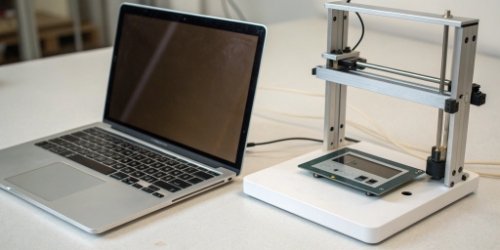
As a manufacturer, we understand the importance of a solid foundation. That's why we build our programmable scales with open, easy-to-use APIs and provide strong technical support from our own R&D experts. We see ourselves as your partner in innovation. We provide the reliable tool—the catalyst—so you can focus on what you do best: building amazing software. You don't need to become a hardware expert. You can get a simple, cost-effective scale, connect it to a PC, and have your development team start prototyping a new application in a matter of days, not months.
From Prototype to Product
The journey from a new idea to a market-ready product can be long. Our programmable scales help you shorten that path.
- Identify a Problem: Start with a common client pain point, like tracking small parts in an assembly line.
- Develop a Hypothesis: "What if we could create a 'smart bin' that automatically tells our software when it needs refilling?"
- Build a Quick Prototype: Place a standard bin on one of our programmable scales. Write a simple script that reads the weight and sends an email alert when it drops below a set threshold.
- Test and Validate: Deploy this simple solution with a friendly client. Get their feedback. Does it solve their problem? Are they willing to pay for it?
- Iterate and Scale: Based on the feedback, you can now confidently invest in building out a full-featured software product with a polished user interface, reporting, and integration capabilities.
This agile approach3, catalyzed by our hardware, dramatically reduces the risk of new software development and increases your chances of success.
Conclusion
Your next big software innovation is waiting. By using programmable weighing scales as your tool, you can unlock a world of real-world data and create solutions your clients truly need.

Comments (0)