
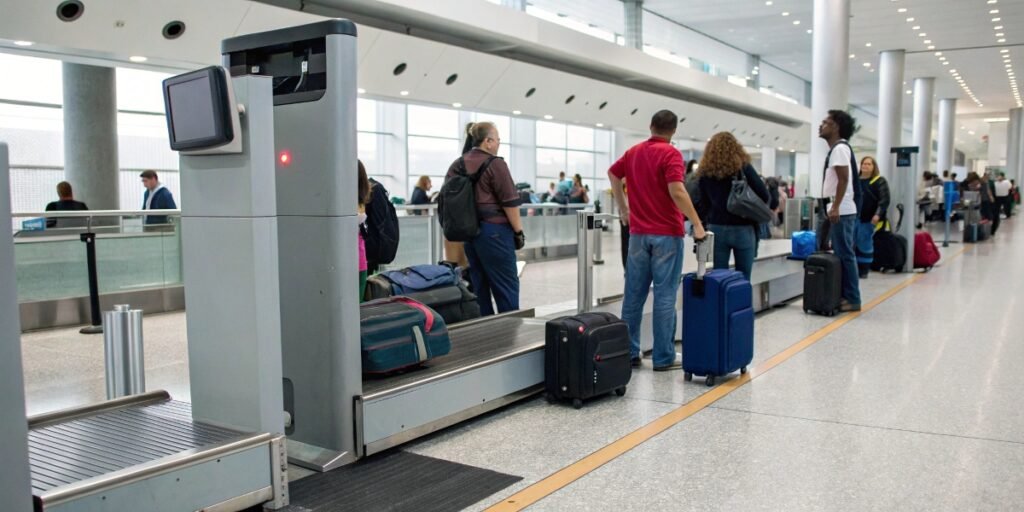
Scared of hefty overweight baggage fees? Imagine repacking your suitcase under the glare of a long queue. Knowing where to find a scale at the airport saves you that hassle.
Yes, nearly all airports have luggage scales available for passengers. You will most often find them located near the check-in counters. Using these scales before you get in line helps you avoid surprise overweight baggage fees and the stress of last-minute repacking.
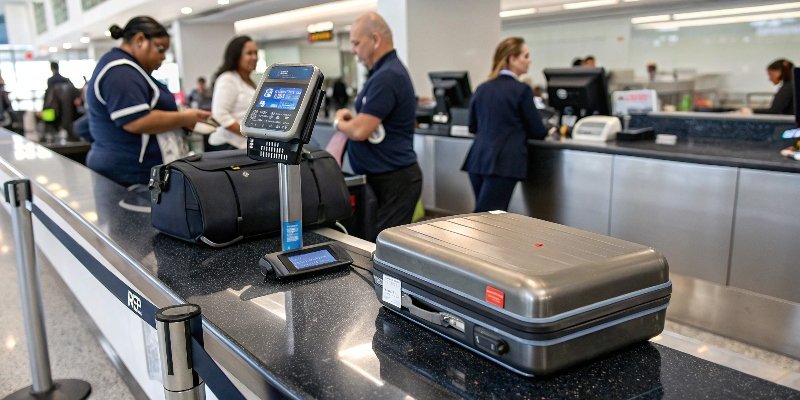
It's great to know these scales exist, but the real peace of mind comes from knowing exactly where to look and what to expect. In my 18 years with Weigherps, I've seen how crucial accurate weighing is for efficiency in every industry, including travel. So, let’s dig into the details to make your next trip smoother.
Do all airports provide luggage weighing scales for passengers?
Do you assume every airport has the same amenities? Arriving at a smaller, regional airport without a scale can be a nasty surprise. Let's clarify what's standard.
While not every single airport in the world guarantees a public scale, almost all major international and domestic airports do. It's a standard customer service feature to help streamline the check-in process and improve passenger experience. Smaller, regional airports might be less equipped.
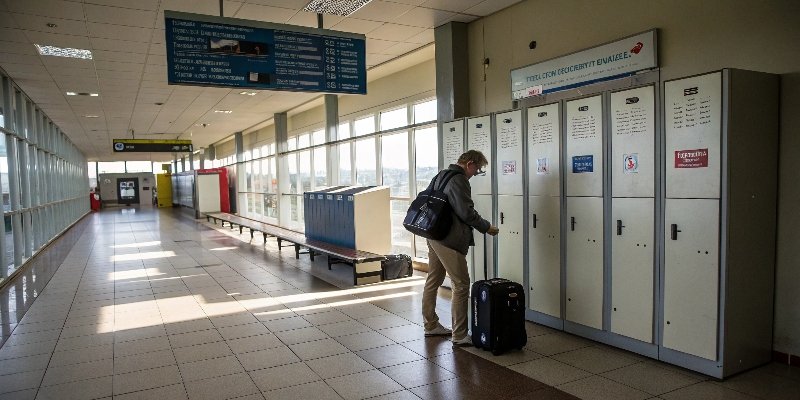
In my line of work, we supply weighing solutions to all sorts of operations, big and small. The same logic applies to airports. A massive international hub has different needs and resources than a small town airstrip.
The Difference Between Airport Types
Major airports see thousands of passengers an hour. For them, efficiency is everything. Providing scales is a smart move because it speeds up the check-in lines. When travelers weigh their own bags first, there are fewer hold-ups at the counter for overweight luggage issues. For these travel hubs, scales are a tool for passenger flow management1. However, at a small regional airport with only a few flights a day, the cost of installing and maintaining extra scales might not be justified. I remember a trip through a small island airport where the only scale was the one at the check-in desk itself. It taught me to never fully assume.
Why Most Airports Offer Scales
Ultimately, it is a win-win. Passengers avoid stress and fees. Airlines get faster-moving lines and can still collect revenue from those who are over the limit. Here's a quick breakdown:
| Airport Type | Likelihood of Public Scales | Reason |
|---|---|---|
| Major International | Very High | Manages passenger flow, improves experience, reduces check-in time. |
| Large Domestic | High | Standard customer service feature to stay competitive and efficient. |
| Small Regional | Low to Medium | Lower passenger volume makes the cost harder to justify. |
| Budget Airline Terminal | Medium | Varies; they profit from fees but also want fast turnover. |
Where can travelers find baggage scales at airports before checking in?
Rushing through the terminal, searching for a baggage scale? The stress builds as your check-in time gets closer. Knowing the most common spots saves you precious time.
The most common place to find a luggage scale is in the main check-in hall, often grouped together near the airline counters. Some airports also have them at the entrance to the check-in area or by wrapping stations. Look for designated weighing zones.
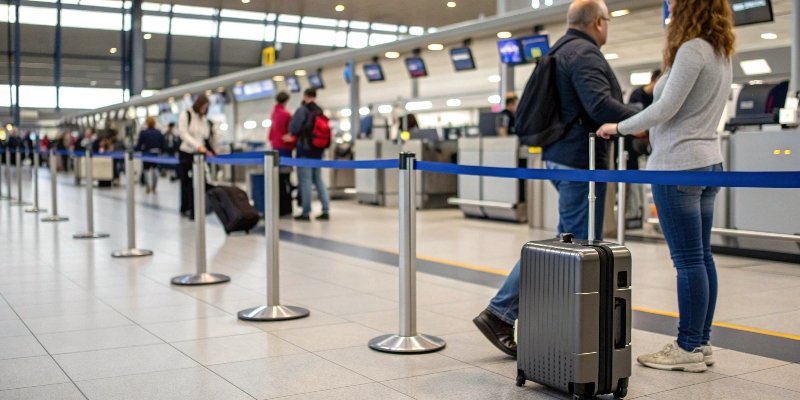
Think of an airport's layout as a process flow, something we are experts at optimizing at Weigherps. The airport is designed to guide you from curb to gate, and placing scales at logical points is part of that design.
Primary Location: The Check-In Hall
This is the most strategic spot. It's your last chance to check your bag's weight before facing the airline agent2. You will often see a bank of a few scales against a wall or pillar near the start of the check-in area. Sometimes, an unused check-in counter will have its scale turned on for passengers to use. It’s a simple, effective solution. On a recent business trip to Germany for a trade show, I noticed a whole row of dedicated, free-to-use scales right as I entered the departures hall. This kind of smart, user-focused design is what we strive for in our own custom weighing systems.
Secondary Locations and Pro Tips
If you don't immediately see a scale in the main hall, don't give up. Here are a few other places to check:
- Near baggage wrapping services3: These kiosks often have their own scales to calculate wrapping costs, and they usually let travelers weigh their bags.
- By the oversized baggage drop: This area always has a robust scale, though it may not be as accessible.
- Ask at the Information Desk: This is the easiest and fastest way. Airport staff can point you in the right direction immediately.
Are airport luggage scales available for free or do they require payment?
You finally find a scale, only to see a coin slot and you have no cash. It’s a frustrating setback. Knowing whether these scales are free helps you prepare.
It varies by airport. Most scales provided by the airport or airlines near the check-in counters are free to use. However, you may encounter privately-operated, coin-operated scales, especially in older terminals or some European airports. Always check for a payment slot before placing your bag.
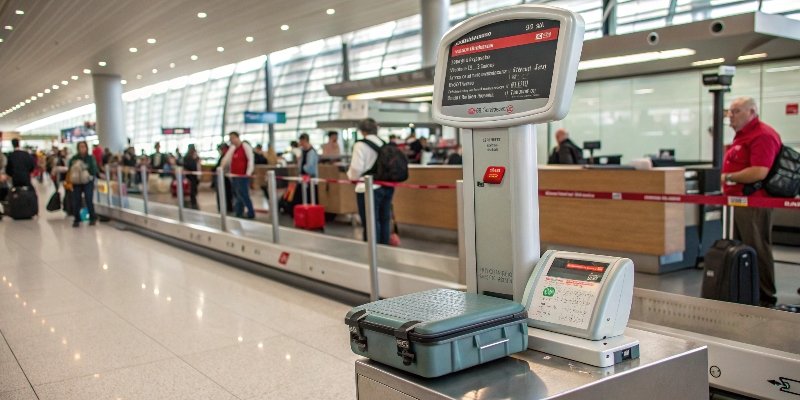
The distinction between free and paid scales comes down to who owns and operates them. It's a classic case of a public service versus a private enterprise.
Free-to-Use Scales: The Common Standard
The scales located near the airline check-in desks are typically provided by the airport authority or the airlines themselves. They are a customer service amenity. Their purpose is to make the check-in process smoother for everyone, which is in the airport's best interest. From a manufacturing standpoint, like the products we build at Weigherps, these free scales are often the same industrial-grade models as the official check-in scales. They are built for high traffic, durability, and accuracy, ensuring you get a reliable reading. Think of them as part of the airport's core infrastructure.
Pay-Per-Use Scales: What to Know
You may also find standalone scales, often brightly colored, that require coins or a credit card tap. These are owned by private vendors who lease space from the airport. They are a business, not a service. You’ll often find them in high-traffic corridors or areas away from the direct check-in zones. While convenient if you can't find a free one, they are an extra cost. My advice is to always look for the official, free scales near the airline counters first. You should only use the paid ones as a last resort.
What should passengers do if their luggage exceeds the airport's weight limits?
That dreaded moment: the scale flashes a number over the limit. Panic sets in as you think about the huge fees. Having a plan saves your wallet and your sanity.
If your bag is overweight, don't panic. Your best option is to redistribute weight. Move heavy items to your carry-on or a travel partner's bag. If that's not possible, you can discard non-essentials or, as a last resort, pay the excess baggage fee.
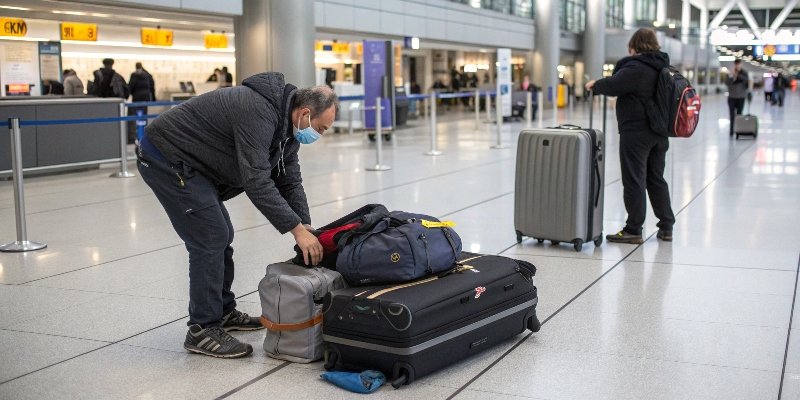
Being overweight is a problem with a few possible solutions, each with a different cost. As a business that helps clients find cost-effective solutions, I always advise looking at the options logically instead of panicking.
Step 1: Repack and Redistribute
This is your first and best defense. Find a quiet corner and open your suitcase. Identify the heaviest items—these are usually shoes, books, toiletries, or electronics. Can any of these go into your carry-on bag? Or into the jacket you are wearing? If you are traveling with a partner or family, can you divide the weight among your group's bags? Airlines care about the weight of each individual bag, not your total group weight. A few minutes of creative repacking can save you a significant amount of money.
Step 2: Compare the Costs
If repacking isn't enough, it's time to do some quick math. Don't just automatically pay the overweight fee, as it's often the most expensive option.
| Option | Estimated Cost | Best For... |
|---|---|---|
| Pay Overweight Fee | $50 - $200+ | When you are only slightly over and have no other choice. |
| Pay for an Extra Bag | $30 - $75+ | When you are significantly over and this fee is cheaper than the overweight fee. |
| Discard Items | $0 | When you have packed non-essential, easily replaceable items. |
Paying for a second checked bag is sometimes cheaper than paying an overweight fee for one bag. Check the airline's website or ask the agent for the costs. It might feel wasteful to pay for another bag, but if it saves you $50, it's the logical choice.
Conclusion
Most airports offer free luggage scales near check-in. Using them to check your baggage weight before you get in line is the smartest way to avoid expensive fees.



Comments (0)