
Working in hazardous areas requires certified equipment. But choosing the wrong setup means risking safety and wasting money. We can help you select a safe, compliant, and cost-effective solution.
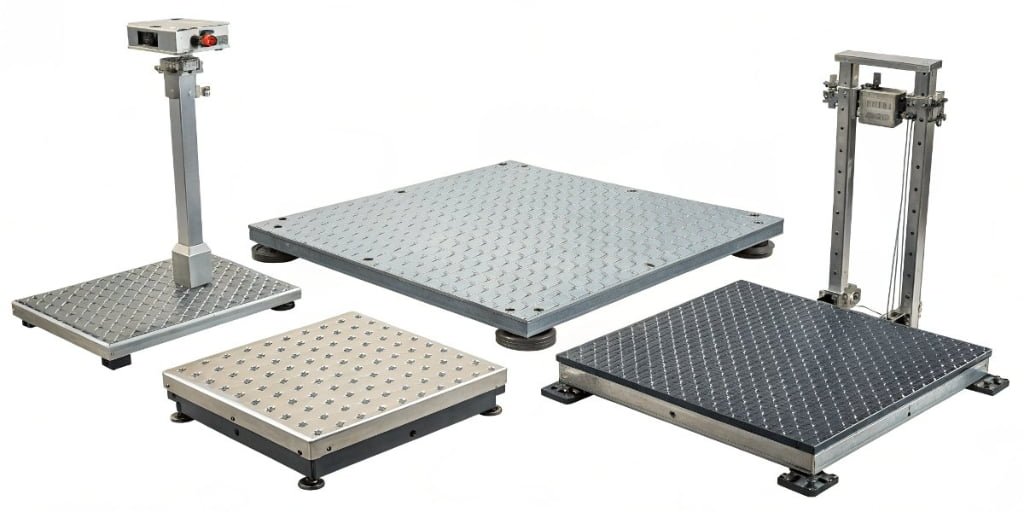
The five main configurations for FM explosion-proof scales are designed to match specific industrial needs. They range from a fully intrinsically safe system for basic weighing to advanced setups with remote touch-screen displays, analog outputs for PLC integration, and power supplies located in a safe area.
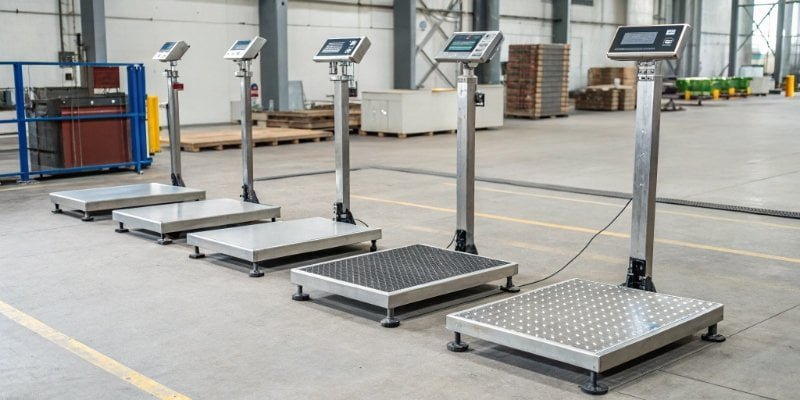
Choosing the right setup is about more than just the hardware. It is about understanding your environment, your data needs, and the level of protection you require. Let's explore which configuration is the right fit for your specific operational needs, from basic weighing to advanced data integration1.
What are the 5 main configurations for industrial use?
Choosing an explosion-proof scale is not a one-size-fits-all decision for your business. Over-specifying means wasting your budget. Under-specifying compromises safety and functionality, creating significant risks and operational problems.
We offer five distinct, FM-approved configurations to match your precise safety, data, and budget needs. The five configurations range from a basic setup with an intrinsically safe indicator and platform to advanced systems. These include options for power in a safe zone, remote displays, touch-screen interfaces, and direct analog output for PLC integration.
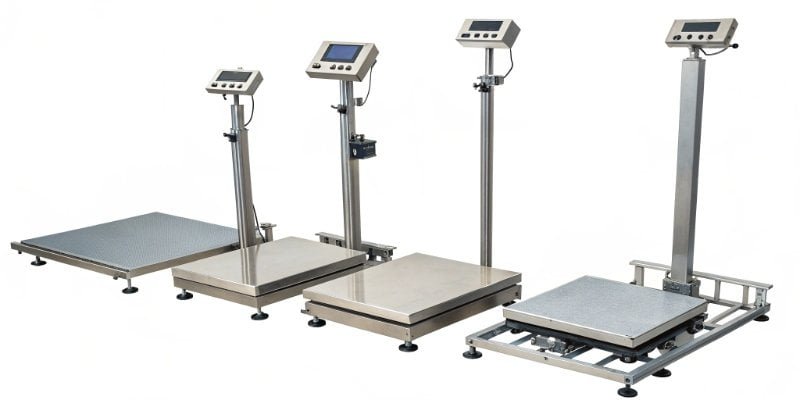
As a manufacturer with over 19 years of experience, we've designed these solutions based on real-world feedback2 from our clients. Your goal is to weigh safely and efficiently. Our goal is to provide the exact tool for that job. Whether you need simple measurements in a hazardous zone3 or complex data integration with your factory a-utomation system, there is a configuration for you. Below, we break down each option to help you make an informed decision and find the most cost-effective solution4 for your application.
| Configuration | Key Components | Primary Use Case | Connectivity |
|---|---|---|---|
| 1. Basic | IS Digital Indicator + IS Weighing Platform | Basic weighing entirely within the hazardous zone. | RS-422 |
| 2. Safe Area Power | IS Platform + Safe Area Power Supply (via barrier) | Weighing in the hazardous zone, powered from a safe zone. | RS-422/485, USB, Ethernet |
| 3. Safe Area Display | IS Platform + Safe Area Digital Indicator | Weighing in the hazardous zone, with display and control in a safe zone. | 4-20mA, Ethernet, Wi-Fi |
| 4. Touch-Screen | IS Platform + Safe Area Touch-Screen Indicator | Complex data management and advanced operations from a safe zone. | Wi-Fi, Custom Fields, Email Alerts |
| 5. Analog Output | IS Platform + Safe Area Analog Amplifier | Integrating the weighing platform with other industrial equipment5 like a PLC. | 4-20mA or 0-5V Analog |
This structured approach ensures you only pay for the features you need, while always maintaining the highest level of safety certified by FM standards.
What are the classifications of explosion proof areas?
Misunderstanding hazardous area classifications is a common but dangerous mistake. It can lead to selecting the wrong equipment. This can cause catastrophic failures, non-compliance with standards, and put your staff at great risk.
Hazardous areas are classified by Class, Division, and Group. Class defines the type of flammable substance (gas, dust, or fiber). Division describes how often the hazard is present. Group specifies the exact material. Knowing these is the first step to ensuring safety.
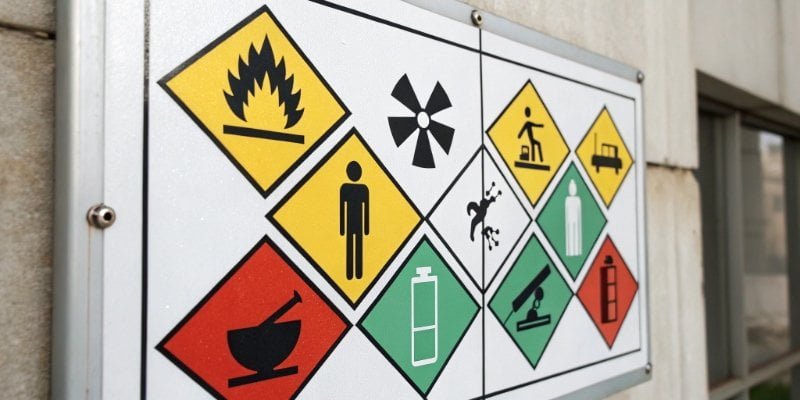
Determining the classification for your workspace is a critical first step. You cannot guess this information. It must be formally declared by a qualified expert based on site surveys and safety standards6 like the National Electrical Code (NEC). Once you know your area's classification, you can select equipment certified for that specific environment. For example, a Class I, Division 1, Group C area requires equipment approved for that exact designation. Our role is to provide scales that meet these stringent requirements.
Here is a simple breakdown of the North American classification system:
| Classification | Defines | Examples |
|---|---|---|
| Class | The type of flammable material present. | Class I: Flammable gases/vapors (e.g., natural gas, propane). Class II: Combustible dusts (e.g., flour, coal dust). Class III: Ignitable fibers (e.g., cotton). |
| Division | The likelihood of the hazard being present. | Division 1: Hazard is present normally. Division 2: Hazard is present only in abnormal conditions (e.g., a leak). |
| Group | The specific characteristics of the material. | Group A, B, C, D for gases. Group E, F, G for dusts. Each letter corresponds to a specific substance's ignition properties. |
Understanding this system is fundamental to safety. It directly dictates the type of explosion-proof scale configuration you will need.
What are the 3 grades of explosion protection inspections?
You installed certified explosion-proof equipment. But how do you make sure it stays compliant and safe over time? Without regular inspections, equipment can degrade. This creates hidden dangers and can void its certification.
To ensure continuous safety, a tiered inspection approach is essential. The three grades of inspection are Visual, Close, and Detailed. They ensure the equipment's protective features remain intact throughout its service life, from quick external checks to comprehensive internal examinations. This process is not optional; it is a requirement for maintaining a safe facility.
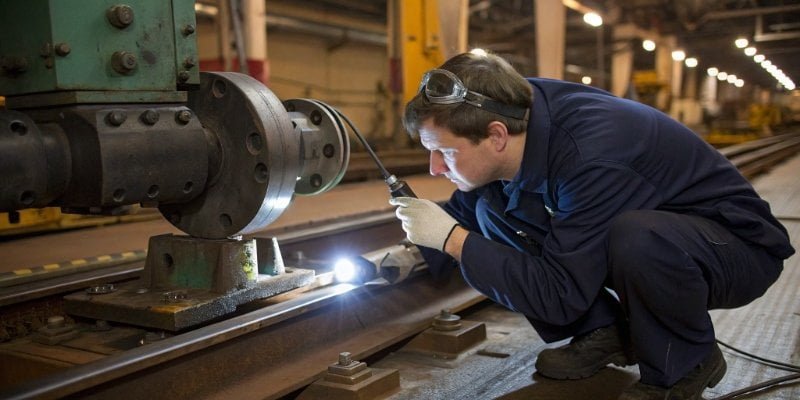
These inspections are crucial for long-term safety and compliance with standards like IEC 60079-177. As manufacturers, we design our equipment with this in mind. We ensure that components requiring inspection are accessible and durable. Neglecting these procedures creates a false sense of security and exposes your operation to severe risks.
Visual, Close, and Detailed Inspections
- Visual Inspection: This is a basic check that can be done by trained staff without powering down the equipment. The inspector looks for obvious external damage, corrosion, missing bolts, or damaged cables. It serves as a first line of defense against degradation.
- Close Inspection: This requires the inspector to be within arm's length of the equipment. It is more thorough than a visual check. It includes verifying the integrity of gaskets, cable glands, and enclosure seals. It may require simple tools but does not always require the equipment to be de-energized.
- Detailed Inspection: This is the most comprehensive grade. The equipment must be de-energized and opened. The inspector checks all internal components, wiring terminals, and seal integrity. This type of inspection confirms the equipment's explosion protection method is fully functional, just as it was when it left our factory.
Regularly performing all three grades of inspection is the only way to guarantee that your explosion-proof scales remain truly safe.
What is an example of explosion proof equipment?
The term "explosion-proof" sounds simple. But the technology behind it can be hard to grasp. This confusion makes it difficult to understand why certified equipment is so important and how it actually works.
A great example is an intrinsically safe (IS) weighing system. This includes an intrinsically safe scale platform placed in the hazardous area and a connected device. The entire system is designed to limit electrical and thermal energy to a level below what can ignite a hazardous atmosphere.
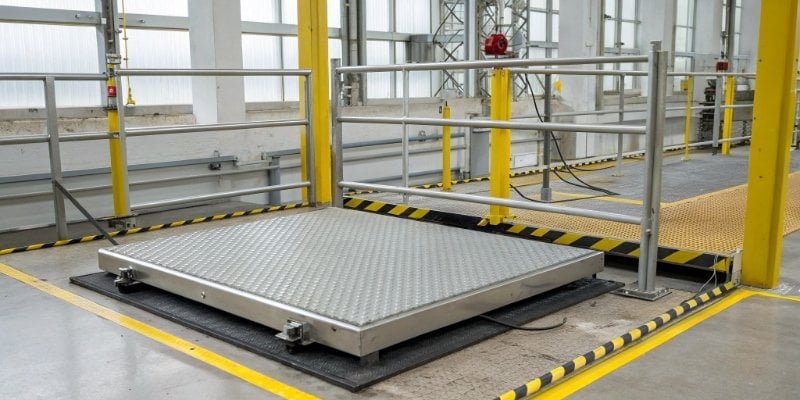
Intrinsic safety is a core principle in our product design. It is a proactive method of explosion protection. Instead of containing an explosion, it aims to prevent the ignition from ever happening. This is achieved by carefully designing the electronics to operate on very low power. A key component of this system is the "safety barrier8," usually a Zener barrier or galvanic isolator. This device sits in the safe area. It regulates the voltage and current flowing into the hazardous area, ensuring it never reaches a dangerous level, even during a fault condition like a short circuit. Our Basic Configuration (Configuration 1) is a perfect example of this. It uses an intrinsically safe indicator and platform that can operate entirely within the hazardous zone. Other configurations use this same principle, but locate the power supply and advanced displays in the safe area for more functionality.
Is IP67 explosion proof?
It is easy to mix up equipment ratings, especially IP ratings and explosion-proof certifications. Confusing an IP67 rating with an explosion-proof certification is a critical error. It gives a false sense of security and can lead to a dangerous installation.
No, IP67 is not an explosion-proof rating. An IP67 rating only certifies protection against dust and water ingress. It means the device is completely dust-tight and can be submerged in 1 meter of water for 30 minutes. Explosion-proof ratings are completely different.
Let's be very clear about this distinction. An IP rating tells you how well a device is sealed against environmental elements like dust and moisture. An explosion-proof certification9 (from bodies like FM, ATEX, or IECEx) tells you if the device is safe to use in an environment with flammable gases, vapors, or dusts. The two ratings address two completely different types of risk. However, a single piece of equipment can, and often should, have both ratings. For example, in a food processing plant, you might have combustible flour dust (requiring an explosion-proof rating) and need to wash down your scales daily (requiring a high IP rating like IP67 or IP68). Our scales are designed for these real-world conditions, and we clearly list all certifications. When you're selecting equipment, you must check for the specific explosion-proof mark. Do not assume an IP rating provides any protection against explosions. It does not.
Conclusion
We offer five targeted FM-approved scale configurations. These ensure you get the precise safety, functionality, and data integration you need, guaranteeing a safe, compliant, and cost-effective weighing solution.
- Learn about advanced data integration and its benefits for operational efficiency in industries. ↩
- Learn how real-world feedback shapes the design of safety equipment for better performance. ↩
- Understanding hazardous zones is essential for safety; explore this link for comprehensive insights. ↩
- Find out how to choose cost-effective explosion-proof solutions without compromising safety. ↩
- Find out which industrial equipment needs explosion-proof ratings for safe operation. ↩
- Explore key safety standards to ensure compliance and safety in hazardous environments. ↩
- Explore IEC 60079-17 standards to understand their role in ensuring explosion protection compliance. ↩
- Learn how safety barriers protect against ignition in hazardous areas and their role in safety. ↩
- Explore the importance of explosion-proof certifications for ensuring safety in hazardous environments. ↩



Comments (0)