
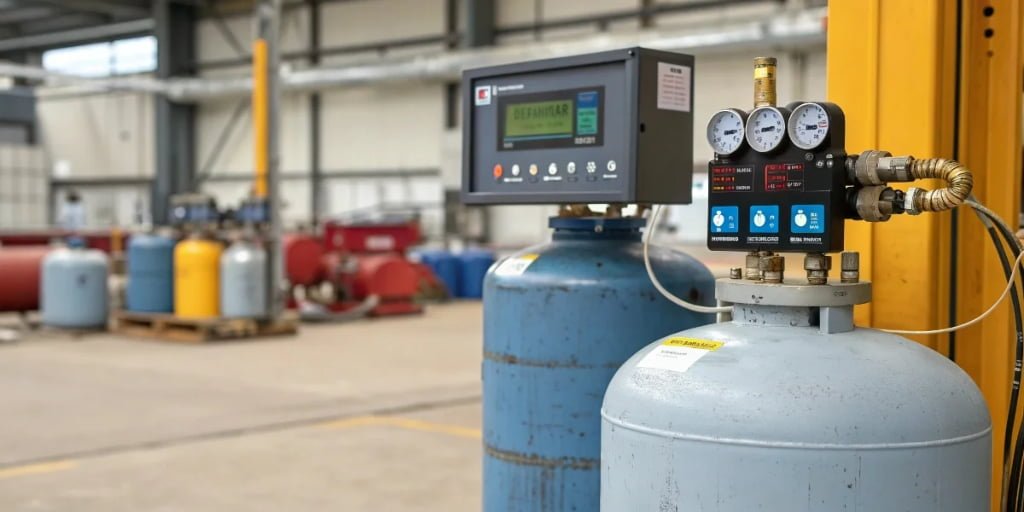
Running out of critical gas mid-process stops everything. Even worse, an overfilled cylinder is a serious safety hazard. Both scenarios cost you money, time, and create unnecessary risks.
Yes, modern gas cylinder monitoring technology effectively prevents both runouts and overfills. It uses a combination of wireless sensors and IoT platforms to track gas pressure and levels in real-time. This provides automated alerts, ensuring operational safety and eliminating unexpected supply interruptions.

Over my 18 years in industrial manufacturing, I've seen countless companies struggle with managing their gas supplies. It often feels like a guessing game. You either run out at the worst possible time or you overstock, tying up capital and space. But technology has changed the game completely. These new monitoring systems are not just about convenience; they are about making your entire operation safer and more profitable. Getting this right is a huge leap forward for any business. Let's explore how these systems work and what they can do for you.
What Does an Interstitial Monitoring Device Do?
Are you worried about hidden leaks from your storage tanks that you can't even see? A tiny, undetected leak can become a major safety incident or environmental issue.
An interstitial monitoring device checks the space between the inner and outer walls of a double-walled tank. It detects any liquid or vapor that has leaked from the primary container, triggering an alarm to prevent a larger, more dangerous breach of the outer wall.
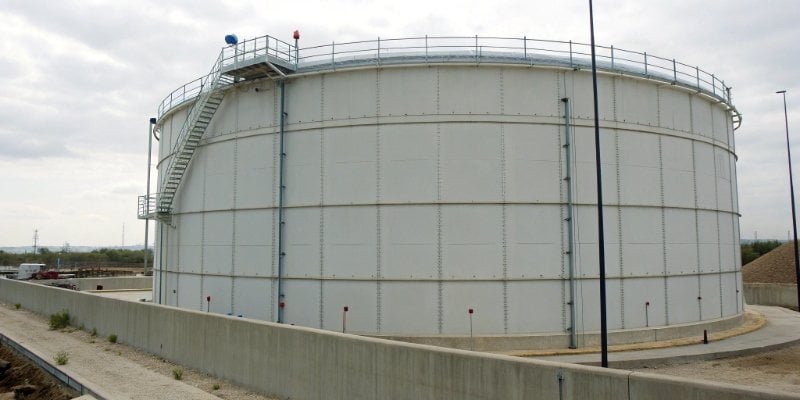
While gas cylinders are typically single-walled, understanding interstitial monitoring is important for anyone managing hazardous materials in bulk storage tanks. This technology is a critical safety layer1. Think of it as an early warning system. The space between the two tank walls is called the "interstitial space". A sensor sits in this space, constantly on watch. If the inner tank fails, the substance leaks into this monitored gap instead of directly into the environment. The sensor immediately detects the leak and sounds an alarm. This gives your team time to act before a serious spill occurs. At my company, Weigherps, we believe in proactive safety2, and this principle is a great example. These systems don't just protect the environment; they protect your assets and your people.
| Sensor Type | How It Works | Best For |
|---|---|---|
| Liquid-Sensing | Uses a float or optical sensor to detect pooled liquid. | Detecting leaks of liquid products like fuel or chemicals. |
| Vapor-Sensing | Detects specific chemical vapors in the air space. | Volatile substances that produce a lot of vapor. |
| Pressure-Sensing | Monitors for a change in pressure or vacuum in the sealed space. | Highly controlled environments where any change is significant. |
What Is Tank Telemetry?
Are you still sending employees out to manually check tank levels with a clipboard? This traditional method is slow, often inaccurate, and costs you valuable time and labor.
Tank telemetry is a technology that automatically measures and transmits data from your tanks to a central software platform. It uses sensors to track levels in real-time, giving you remote access to accurate information and enabling automated alerts and optimized logistics.
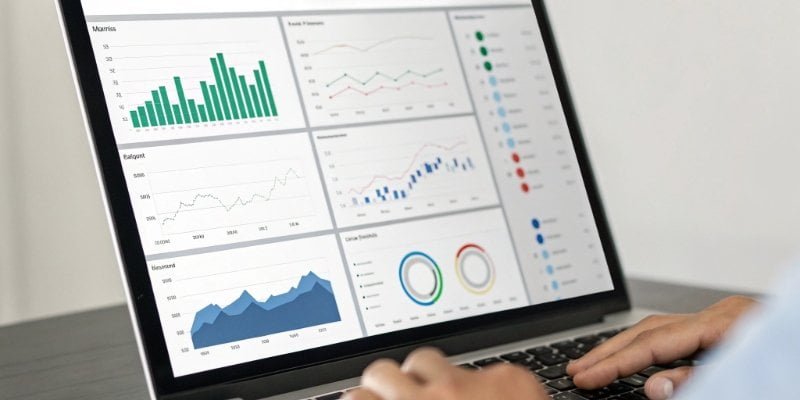
This is where the "smart" part of smart gas monitoring truly comes alive. Tank telemetry is the backbone of the IoT weighing solutions we develop. I remember working with a client who managed hundreds of gas cylinders across a large facility. Their team spent hours each week just checking levels. We helped them integrate a telemetry system. Now, they see every cylinder's status on one screen. The system sends an automatic alert to their supplier when a cylinder drops to 20% capacity. Their runouts have stopped completely, and their logistics costs are down by 30%. The process is simple but powerful. A sensor on the tank collects data. A small transmitter sends that data over a cellular or Wi-Fi network. A cloud-based platform receives and analyzes the data, presenting it in an easy-to-understand dashboard. This allows you to move from reactive crisis management to proactive, data-driven planning.
What Does Gas Monitoring Measure?
You think you are keeping an eye on your gas supply, but are you really getting the full picture? Just knowing that a cylinder is not empty isn't enough information for a safe and efficient operation.
A good gas monitoring system measures several key data points, primarily pressure and liquid level. It often includes temperature as well. This data is used to accurately calculate remaining gas volume, predict usage rates, and detect safety issues like leaks.

To truly control your gas supply, you need to see more than just an "on" or "off" status. Here at Weigherps, we know that precise measurement is everything. It's the foundation of efficiency and safety. Modern gas monitoring systems provide this precision by tracking several critical variables.
Pressure Monitoring
For compressed gases like nitrogen or argon, pressure is the main indicator of how much gas is left. A wireless pressure sensor is attached to the cylinder's regulator. It constantly sends pressure readings to the telemetry platform. The software can then translate this pressure into an estimated remaining volume and predict, based on your usage history, exactly when the cylinder will run out.
Level and Weight Monitoring
For liquefied gases like LPG or CO2, pressure remains constant until the liquid is almost gone, making pressure a poor indicator of the remaining amount. Instead, we need to measure the volume directly. This is often done by weight. The cylinder sits on a smart scale3 that transmits the weight data. As the gas is used, the weight drops, giving a perfectly accurate measure of the remaining supply. This is our area of expertise, and integrating our precise weighing technology into these systems provides unmatched accuracy.
| Measurement | What It Prevents | Technology Used |
|---|---|---|
| Pressure | Unexpected runouts, production downtime | Wireless pressure sensors |
| Weight/Level | Overfills, runouts for liquefied gas | IoT-enabled weighing scales, ultrasonic sensors |
| Temperature | Dangerous pressure spikes, unsafe conditions | Integrated temperature sensors |
What Is the Most Common Problem with Interstitial Monitoring?
You have invested in a monitoring system for safety, but what if it cries wolf too often? Constant false alarms can disrupt your operations and cause your team to ignore real alerts.
The most common and frustrating problem with interstitial monitoring is false alarms. These are often triggered by condensation or minor temperature swings, not an actual product leak. This can lead to costly, unnecessary inspections and a loss of trust in the system.

A safety system that nobody trusts is worse than no system at all. I've seen teams get so tired of false alarms4 that they disable the alerts, which completely defeats the purpose. The main culprit is often water. Rainwater can seep into the interstitial space if the seals are not perfect, or condensation can build up naturally due to temperature changes. Either can trick a liquid sensor into thinking a leak has occurred. Similarly, a pressure sensor in a sealed space can be triggered by normal expansion and contraction of air as the day heats up and cools down. Solving this requires a focus on quality from the start. Proper installation is key, with special attention paid to sealing any entry points against moisture. Using high-quality sensors with features like temperature compensation5 also makes a huge difference. Finally, a regular maintenance schedule to check sensor calibration6 and clean out any condensation is essential. It's the same principle we apply to our weighing equipment: quality inspection and regular upkeep are not optional. They are what make a system reliable.
Conclusion
Smart gas monitoring technology uses sensors and IoT to prevent runouts and overfills. It boosts safety, cuts costs, and makes your operations more efficient, empowering your business to grow.
-
Explore how safety layers protect against leaks and environmental hazards. ↩
-
Understand the importance of proactive safety measures in preventing incidents. ↩
-
Discover how smart scales provide accurate weight measurements for gas cylinders. ↩
-
Learn about the common issues with false alarms and how to mitigate them. ↩
-
Understand how temperature compensation improves sensor accuracy. ↩
-
Discover the role of sensor calibration in maintaining system reliability. ↩


Comments (0)