

Struggling with slow production and costly errors? These issues often stem from outdated weighing processes. The solution lies in intelligent software that streamlines operations and boosts your bottom line.
Industrial intelligent weighing software enhances production efficiency by automating weighing tasks, which minimizes human errors and accelerates processes. This technology integrates with factory systems to provide real-time data for better decision-making, reduce material waste, and increase overall output and profitability.
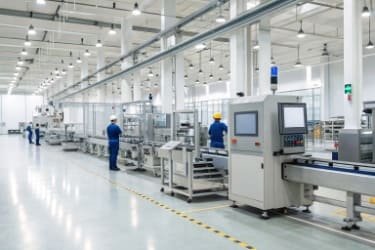
I remember visiting a client's factory that was riddled with inefficiencies. Their manual weighing process was a major bottleneck, leading to frequent production delays and material wastage. It became clear that to stay competitive, they needed a more advanced solution. This experience highlighted the transformative power of upgrading to an integrated, intelligent weighing system. It’s not just about new hardware; it's about the software that brings it all to life.
How does automation affect production efficiency?
Are manual tasks slowing down your production line? The constant need for human intervention can lead to bottlenecks and decreased output. Automation is the key to unlocking higher efficiency and productivity.
Automation significantly boosts production efficiency by reducing manual, repetitive tasks, which in turn lowers labor costs and minimizes human error. It allows for faster, more consistent production cycles, leading to higher throughput and a more competitive operation.
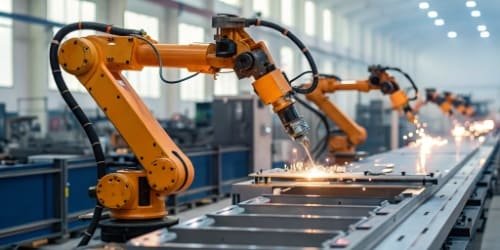
From my 19 years of experience in industrial scale manufacturing, I've seen firsthand how automation revolutionizes the factory floor. A simple industrial pipeline is, in fact, a basic software system at work. Automated weighing systems, for instance, can perform tasks like loading, unloading, and inspection around the clock without supervision. This not only speeds up the process but also frees up employees to focus on more strategic, high-value activities. More complex industrial processes require more sophisticated software and hardware integration, which leads to even greater efficiency gains and lower labor costs. The most successful and efficient companies are always those with the highest demand for advanced industrial hardware and software solutions. This direct correlation shows that investing in automation is not just an operational upgrade but a strategic business decision that drives growth.
| Benefits of Automation | Impact on Production Efficiency |
|---|---|
| Reduced Human Error | Leads to more accurate and reliable production outcomes. |
| Increased Speed | Automating processes shortens production cycle times. |
| Lower Costs | Reduces labor costs and minimizes material waste1. |
| Enhanced Safety | Automates hazardous tasks, improving worker safety. |
How is software automation improving efficiency?
Is your current software landscape fragmented and inefficient? Disconnected systems often create data silos and hinder productivity. Centralized software automation is the solution to streamline your entire operation for peak performance.
Software automation improves efficiency by replacing manual processes with streamlined, automated systems, which accelerates workflows and reduces the chance of human error. It integrates various business functions, providing real-time data for better decision-making and optimizing resource management.

In my role, I frequently interact with purchasing managers and technical directors from software service companies. A major pain point they often mention is the challenge of integrating new solutions with their existing systems. This is where the power of modern software automation2 becomes evident. A well-designed intelligent weighing software, for example, doesn't just perform a single function. It acts as a central hub, connecting with IoT devices and ERP software to ensure a seamless flow of data across the entire facility. This integration allows for real-time monitoring and control, enabling managers to make informed decisions based on accurate, up-to-the-minute information. It also facilitates predictive maintenance3 by analyzing data to identify potential equipment issues before they cause downtime, a feature that is crucial for maintaining high production efficiency4.
How to improve efficiency in production?
Are you looking for practical ways to boost your factory's output? Many manufacturers struggle with identifying the most effective strategies. The key is a multi-faceted approach that combines technology, process optimization, and workforce development.
To improve production efficiency, manufacturers can adopt lean principles, implement automation, optimize workflows, and invest in employee training. Technology, such as intelligent weighing software, plays a crucial role by providing the data and control needed for continuous improvement and waste reduction.

I’ve learned that the most successful manufacturing improvements come from a holistic strategy. It starts with a comprehensive analysis of your current processes to identify bottlenecks. From there, you can implement targeted solutions. For example, standardizing work procedures can reduce variability and improve quality control. Investing in proactive maintenance schedules for your equipment can prevent unexpected breakdowns and maintain consistent production levels. Another powerful technique is the 5S methodology5—Sort, Set in order, Shine, Standardize, and Sustain—which focuses on creating a clean and organized workspace to minimize waste and improve workflow. Adopting a "pull" production system, like in Just-in-Time (JIT) manufacturing6, where items are produced to meet demand rather than in surplus, is another effective way to increase efficiency and reduce excess inventory costs.
How does software improve business efficiency?
Is your business struggling to keep up with the demands of the digital age? Outdated processes can hinder growth and profitability. Software solutions are essential for streamlining operations and staying competitive.
Software improves business efficiency by automating repetitive tasks, streamlining workflows, and enhancing communication and collaboration across departments. It provides valuable data insights, enabling better decision-making, improved customer relationship management, and optimized resource allocation for increased profitability.

As a provider of industrial weighing solutions, I’ve seen how our software does more than just weigh products; it transforms how businesses operate. Our systems provide clients with targeted and cost-effective weighing solutions7 tailored to their needs. By integrating with their existing infrastructure, our software helps streamline everything from inventory management8 to supply chain logistics9. For instance, real-time data10 from our scales can be fed directly into a company's ERP system, automating record-keeping and reducing the potential for error. This not only saves time but also provides a clear, accurate picture of material flow, which is crucial for effective financial management and planning. By automating these processes, our clients can reduce operational costs, reallocate their workforce to more strategic tasks, and ultimately, achieve a significant leap in their business development.
Conclusion
In short, integrating industrial intelligent weighing software is a critical step to boost production efficiency. It automates tasks, reduces errors, and provides key data for smarter, faster operations.
-
Find out how to minimize material waste and improve sustainability in your operations. ↩
-
Learn how software automation can streamline your operations and boost efficiency. ↩
-
Explore the role of predictive maintenance in preventing downtime and enhancing efficiency. ↩
-
Learn effective strategies to boost production efficiency and reduce costs. ↩
-
Learn about the 5S methodology and its impact on improving workplace organization. ↩
-
Discover how JIT manufacturing can reduce inventory costs and improve efficiency. ↩
-
Find out how to implement cost-effective weighing solutions tailored to your needs. ↩
-
Learn how technology can streamline inventory management and reduce errors. ↩
-
Discover how software can enhance supply chain logistics for better efficiency. ↩
-
Understand the importance of real-time data for informed decision-making in production. ↩


Comments (0)