
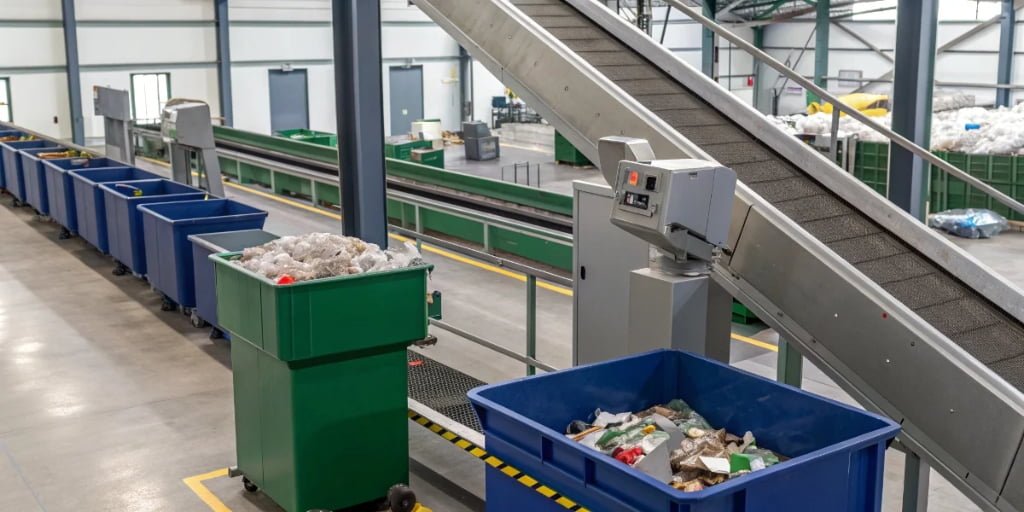
Struggling with inefficient waste tracking? This leads to lost revenue and operational headaches. Our integrated weighing systems provide the data you need for a smarter, more profitable operation.
The best way to revolutionize waste management is by integrating smart weighing systems at every stage. This involves using intelligent collection scales, solid waste management terminals, and specialized software to create a unified system that boosts efficiency, ensures accurate data, and improves customer evaluation.
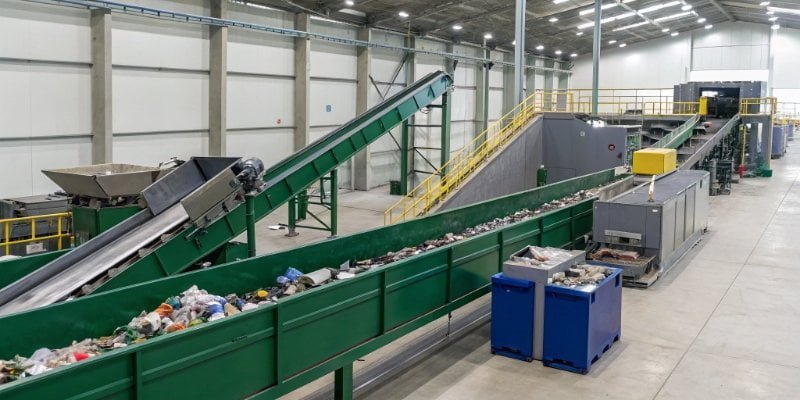
This idea of a fully integrated system might sound complex, but the benefits are clear. So, how does this technology fit into the established practices of waste management1? To see where these innovations make the biggest impact, we first need to understand the fundamentals. Let's start by looking at the basic types of waste management.
What are the 4 main types of waste management?
Managing different waste streams incorrectly is a common problem. This can lead to environmental penalties and missed recycling opportunities. Understanding the core categories is the first step to optimization.
The four primary types of waste management are recycling, landfill disposal, incineration, and composting. Each method handles specific materials and requires accurate weight data for processing, billing, and regulatory compliance, forming the foundation of any effective waste strategy.
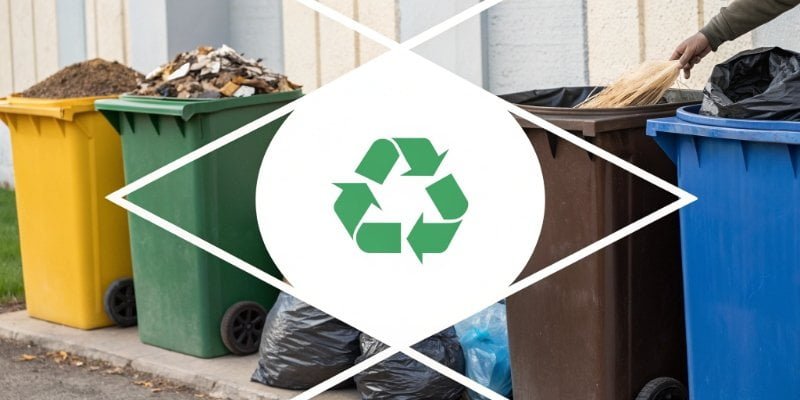
Understanding these four pillars is crucial for any software vendor in this space, as your systems will need to manage data from each stream. We have seen firsthand how an integrated system can bring clarity to these processes. Each type has unique weighing requirements that present opportunities for greater control and efficiency. For example, a client of ours was able to increase their recycling revenue by 10% simply by implementing more precise scales at the sorting stage.
The Role of Weighing in Each Type
Let's break down how weighing is essential for each category.
| Waste Management Type | Description | Weighing Application |
|---|---|---|
| Recycling | Converting waste materials into new materials and objects. | Measuring incoming materials, quantifying sorted streams, and weighing final bales for sale. |
| Landfill | Disposing of waste material by burying it. | Using truck scales (weighbridge2s) to charge by weight and monitor landfill capacity. |
| Incineration | Destroying waste through burning, often to generate energy. | Tracking the weight of waste burned to calculate energy output and manage emissions. |
| Composting | Decomposing organic solid wastes to create nutrient-rich soil conditioner. | Weighing incoming organic matter and monitoring the process to ensure quality control. |
How do automated sorting systems enhance the recycling process?
Manual sorting is slow, prone to error, and expensive. This results in contaminated recycling streams, which dramatically reduces the value of the final materials and hurts your bottom line.
Automated sorting systems use advanced sensors and machinery to separate recyclables with high speed and precision. This increases throughput, improves material purity, and cuts labor costs, making the entire recycling process more efficient and profitable. Weighing systems are vital for performance tracking.
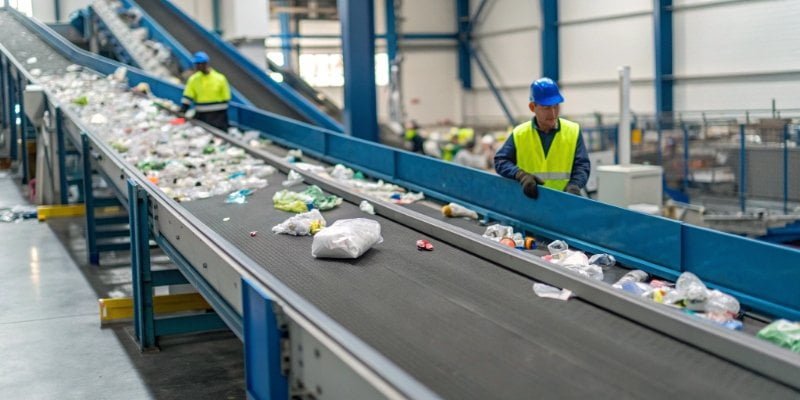
Automated systems are the heart of a modern Material Recovery Facility (MRF)3. While the sorting technology4 itself is impressive, the data generated is where software providers can create immense value. From our 18 years of experience manufacturing industrial scales, we know that without accurate weight data at key points, even the most advanced sorting system operates blindly. The data from our scales allows your software to track efficiency, manage inventory, and provide detailed reports that justify the investment in automation.
Key Technologies and Weighing Integration
Automated systems use a combination of technologies, and each one benefits from precise weighing.
- Optical Sorters: These use cameras and sensors to identify different types of plastics, papers, and other materials. Integrating weigh-in and weigh-out data for these sorters helps measure their efficiency and the purity of the sorted stream.
- Magnetic Separators: These pull ferrous metals like steel and iron out of the waste stream. Placing scales before and after this stage helps quantify the amount of metal recovered.
- Eddy Current Separators: These are used to separate non-ferrous metals like aluminum. Just like with magnetic separators, weighing the material provides crucial data for inventory and sales.
By placing scales along the line, your software can create a real-time map of the material flow, identifying bottlenecks and tracking yield for each material type.
What is the process of waste management and recycling?
The entire journey of waste from collection to disposal seems complicated. Inefficiencies can hide in any step, leading to increased costs and logistical challenges if not properly monitored.
The waste management process consists of five key stages: collection, transportation, sorting, processing, and final disposal or recycling. Accurate weighing at each step is essential for tracking waste flow, ensuring regulatory compliance, and optimizing logistics across the entire chain.
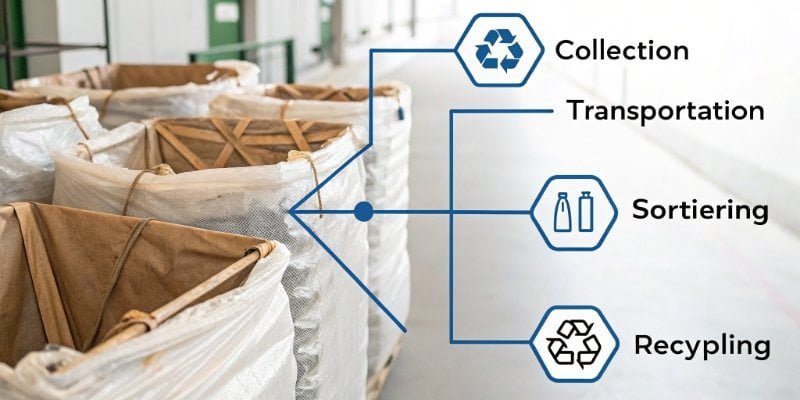
Viewing the process as a data-driven chain5 is the key to modernization. We design our weighing hardware, from smart collection scales to robust solid waste terminals, specifically to feed reliable data into management systems like yours. When your software can pull weight data from every stage, it transforms from a simple record-keeping tool into a powerful operational command center. Imagine providing your clients with the ability to see exactly where their profits and losses are occurring in real-time.
Breaking Down the Process Chain
Let's look at how an integrated weighing system supports each step.
- Collection: It starts at the source. Our smart scales for waste collection can weigh bins as they are picked up. This data is critical for "Pay-As-You-Throw" (PAYT) billing models and for optimizing collection routes based on actual waste generation patterns6.
- Transportation: When trucks arrive at a facility, they pass over a weighbridge (truck scale). This provides the gross weight of the incoming load, which is the primary transaction point for most facilities.
- Sorting: Inside the facility, conveyor belt scales and platform scales constantly measure materials as they move through automated sorting systems7. This data is used to calculate the efficiency of the sorting process.
- Processing: Materials are then processed—baled, shredded, or compacted. Weighing the final product (e.g., a bale of cardboard) is essential for inventory management8 and sales.
- Disposal/Recycling: The final weight of materials sent to landfill or sold to recycling markets is recorded for final billing and environmental reporting.
What are the 5 principles of waste disposal?
Simply disposing of waste is no longer a sustainable option. Ignoring modern waste principles leads to environmental damage and fails to capture the value hidden in waste streams.
The five principles, often called the "5 Rs," are Refuse, Reduce, Reuse, Recycle, and Recover. This waste hierarchy prioritizes preventing waste in the first place, providing a framework for environmentally and economically sound waste management.
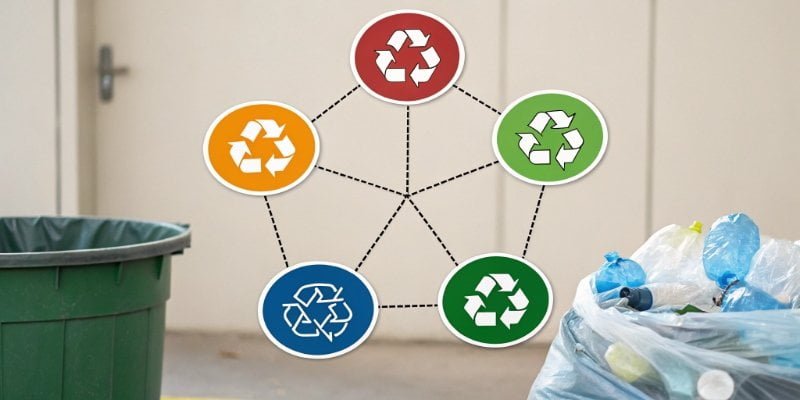
These principles guide modern waste strategy, and data is the key to implementing them effectively. As a software provider, your platform can empower waste management companies to follow this hierarchy. Our weighing systems9 provide the foundational data your software needs to do this. For instance, by providing accurate data on waste generation (Reduce), your software can help businesses identify areas for improvement. By tracking recycled materials accurately (Recycle), you help them monetize their efforts. It’s about turning a regulatory requirement into a business advantage.
Applying the 5 Rs with Data
Each principle can be measured and managed more effectively when supported by accurate weighing.
| Principle | Description | How Weighing Helps |
|---|---|---|
| Refuse | Avoid creating waste in the first place. | Indirectly supported by data that shows the high cost of disposal, encouraging prevention. |
| Reduce | Minimize the amount of waste generated. | Scales at the source measure waste output, enabling targeted reduction efforts. |
| Reuse | Use items multiple times before discarding. | Weighing can track materials diverted for reuse, quantifying the program's impact. |
| Recycle | Convert waste materials into new products. | Essential for measuring incoming tonnage and weighing sorted materials for sale. |
| Recover | Extract energy or materials from waste (e.g., WtE). | Weighing waste inputs is crucial for calculating energy an output and process efficiency. |
Conclusion
Integrating smart weighing hardware with advanced software is the key to efficient and sustainable waste management. It transforms raw waste data into powerful insights for profitable business decisions.
-
Learn about effective waste management strategies to reduce costs and improve sustainability. ↩
-
Learn about weighbridges and their importance in tracking waste transportation. ↩
-
Discover the role of MRFs in modern waste management and recycling. ↩
-
Stay informed about cutting-edge sorting technologies that enhance recycling efficiency. ↩
-
Explore how data-driven strategies can optimize waste management operations. ↩
-
Understand how analyzing waste generation patterns can lead to improved management strategies. ↩
-
Learn how automation in sorting can improve recycling efficiency and reduce costs. ↩
-
Explore the connection between accurate weighing and effective inventory management. ↩
-
Explore different weighing systems and their applications in waste management. ↩



Comments (0)