

Inaccurate scales create huge losses. You worry about shipping errors and compliance fines. Here’s how you can prevent them with a simple, effective maintenance plan that works.
Mastering scale maintenance involves regular cleaning, consistent calibration, and controlling the warehouse environment. This guide provides a clear checklist to ensure your industrial scales remain accurate, compliant, and last for many years, protecting your business from costly errors and downtime.
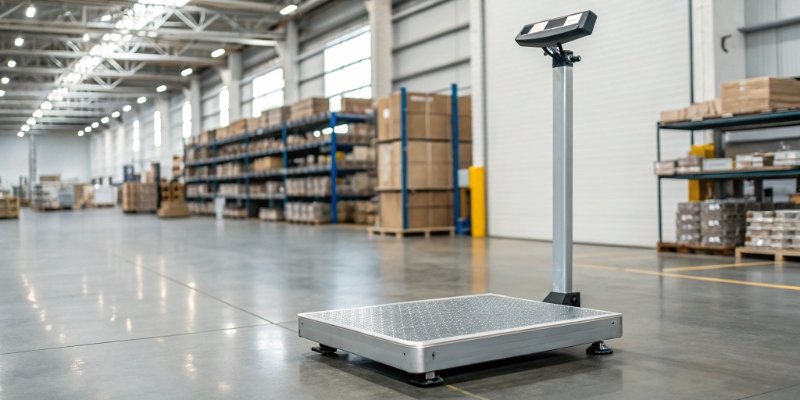
You know that maintaining your equipment is important, but turning that knowledge into a daily, repeatable routine is often the real challenge. It's about more than just occasionally wiping down the scale; it's about building a robust system that protects your investment and your business operations. As a manufacturer with 18 years of experience, I've seen firsthand how a good maintenance plan pays for itself. Let's break down exactly why this process is so critical and what you need to do to get it right.
Why is regular maintenance crucial for the accuracy and longevity of warehouse scales?
Small weighing errors quickly add up to big financial losses. Ignoring maintenance seems fine for a while, until a major shipment is returned or you fail a critical audit.
Regular maintenance is vital because it prevents inaccurate readings caused by dirt, wear, and environmental factors. It ensures consistent performance, extends the scale's lifespan, and helps you avoid costly operational errors, compliance penalties, and unexpected downtime that can halt your entire operation.
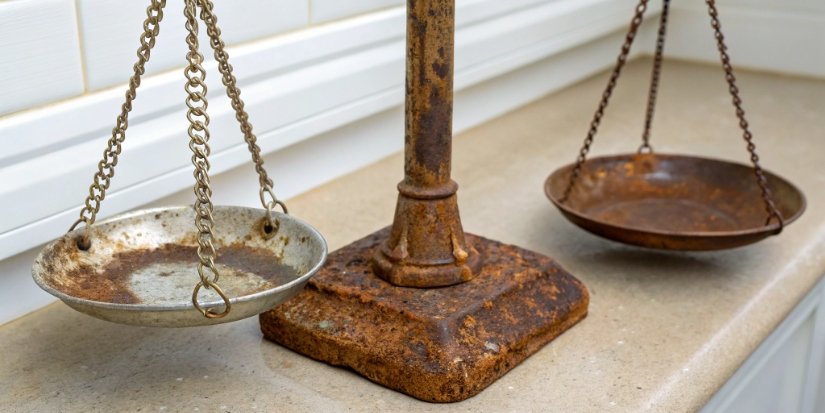
Over my years in this industry, I've visited countless warehouses. The most successful ones all have one thing in common: they take equipment maintenance seriously. A scale is not just a tool; it's the cash register for your inventory. When it gives the wrong numbers, you are either giving away products for free or overcharging your customers, which can ruin your reputation. Neglecting your scales is a direct threat to your profitability and operational stability.
Protecting Your Bottom Line
Think about the hidden costs. A small, consistent error of just 0.5% on a high-volume product can translate into thousands of dollars in losses each month. This includes overpaying for shipping, losing valuable inventory, and facing chargebacks from unhappy clients. Regular maintenance catches these drifts in accuracy before they become major financial problems. It's a small, proactive investment to prevent huge, reactive expenses.
Ensuring Operational Safety and Compliance
Beyond money, maintenance is a matter of safety and legality. An unmaintained scale can lead to overloading racks or vehicles, creating serious safety hazards for your team. Furthermore, many industries are governed by strict weights and measures regulations. Failing an audit due to an inaccurate scale can result in heavy fines and even a temporary shutdown of your business. Regular checks and certified calibrations provide the proof you need to stay compliant and operate with confidence.
| Aspect | Impact of Neglect | Benefit of Regular Maintenance |
|---|---|---|
| Financial | Lost revenue, incorrect shipping fees | Accurate billing, optimized shipping costs |
| Operational | Unexpected downtime, shipping errors | Reliable workflow, increased efficiency |
| Reputation | Customer complaints, lost trust | Enhanced customer satisfaction and loyalty |
| Compliance | Failed audits, legal fines | Guaranteed compliance, peace of mind |
What should be on a daily and weekly maintenance checklist for industrial scales?
You know you need a checklist, but creating one from scratch is daunting. Without a clear plan, important tasks get missed, and small problems can grow into big ones.
Your daily checklist should include cleaning the scale surface and checking that it shows zero with no load. Weekly, you should perform a more thorough cleaning with a neutral detergent and inspect key components like cables and the display for any damage.

Creating a simple, actionable checklist is the most effective way to ensure nothing is overlooked. I always tell our clients that the five minutes they spend on daily checks will save them hours of downtime and thousands in repair costs later. The goal is to make these tasks a non-negotiable part of your team's opening or closing procedures. A well-maintained scale is a reliable scale, and reliability is the foundation of an efficient warehouse operation.
Daily and Weekly Tasks
These simple steps, performed consistently, will form the backbone of your maintenance program. They are designed to be quick and easy to integrate into any workflow.
Environmental and Component Checks
Beyond cleaning, it’s important to ensure the scale's environment isn't causing problems and that its key parts are in good condition. Dust, moisture, and physical damage are the primary enemies of an industrial scale.
Here is a simple table you can use to build your own checklist:
| Frequency | Task | Instructions |
|---|---|---|
| Daily | Clean the Scale | Use a soft, dry cloth to wipe the weighing pan and housing. Remove any debris. |
| Daily | Zero Point Check | Turn the scale on and ensure it reads '0' with nothing on it. Press the 'Zero' or 'Tare' button if needed. |
| Weekly | Deep Clean Pan | Use a soft cloth with a neutral cleaning agent to clean the weighing pan. Do not use harsh or acidic chemicals. |
| Weekly | Inspect Cables | Check the power and data cables for any signs of fraying, cuts, or damage. Ensure they are not pinched. |
| Weekly | Check Display | Make sure the digital display is clear, bright, and easy to read. Clean the screen gently if needed. |
| As Needed | Environmental Protection | In dusty or wet areas, ensure protective covers are in place and undamaged. |
How often should industrial scales be professionally calibrated to ensure compliance?
Compliance audits can be stressful. You might be uncertain if your current calibration schedule is enough to pass an inspection, leaving you vulnerable to fines or business interruptions.
Most regulations require professional calibration by a certified technician at least once a year. However, for scales in high-use or critical applications, you should plan for a semi-annual schedule. Always keep the calibration certificate on file for audits.
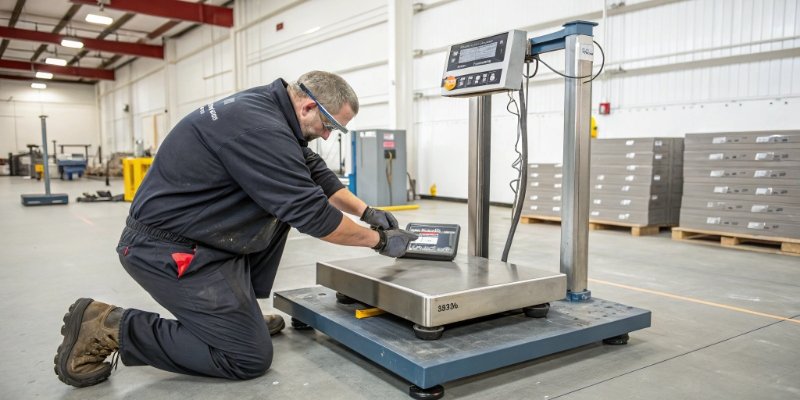
Calibration isn't just a suggestion; it's a legal and operational necessity. It's the only way to officially verify that your scale is measuring accurately against a recognized standard. As a manufacturer, we provide certified calibration services because we know how important this is for our clients. A calibration certificate is your proof that you are operating fairly and accurately. Think of it as insurance for your business's integrity. It proves to auditors, customers, and your own team that your weight data is trustworthy.
A Multi-Level Calibration Strategy
A good calibration program has several layers. It’s not just about the annual professional service; it’s about consistent internal checks that ensure accuracy between those official certifications.
Internal Verification Checks
You don't have to wait a full year to know if your scale is drifting. A quick monthly check with standard test weights can give you peace of mind. I recommend using weights that represent different points of your scale's capacity, like 20%, 50%, and 80%, to check its linearity.
Annual Professional Certification
This is the most critical part. A certified technician will perform a comprehensive test and make any necessary adjustments. They will issue an official certificate that you must keep on file.
| Calibration Level | Frequency | Performed By | Purpose |
|---|---|---|---|
| Zero Check | Daily | Scale Operator | Confirms the scale starts from a true zero point before each use. |
| User Test | Monthly/Quarterly | Warehouse Manager | Verifies accuracy and linearity using standard test weights. |
| Professional | Annually | Certified Technician | Ensures official compliance and provides a traceable certificate. |
What are the common signs that a warehouse scale requires immediate service?
Your scale is acting strange, but is it a real problem or just a minor glitch? Waiting too long to find out can lead to a complete breakdown right when you need it most.
Immediate service is required if the display is blank or flickering, the weight readings are unstable and jump around, or the scale shows a large error when tested with a known weight. These signs point to potential power, sensor, or electronic issues that need an expert.
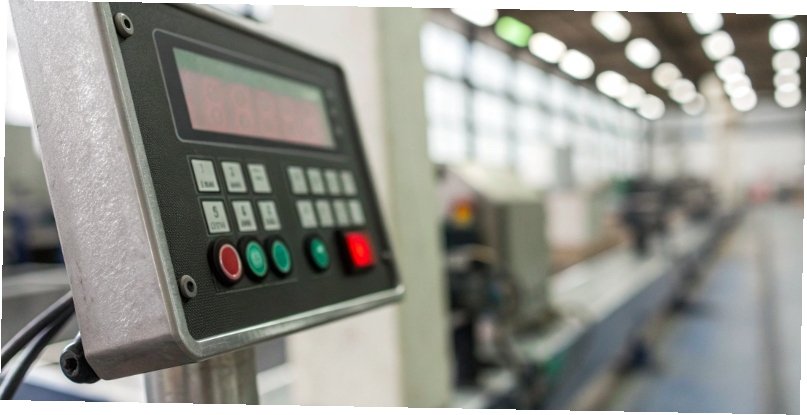
Knowing the warning signs of scale failure1 is just as important as routine maintenance. Some issues can be resolved with simple troubleshooting, but others require professional attention. Trying to fix complex electronic or sensor issues without proper training can cause more damage and void your warranty. At Weigherps, our after-sales team is trained to diagnose these problems quickly. The key is to stop using the scale and call for help as soon as you notice a serious issue to prevent inaccurate data from entering your system.
Display and Power Issues
If the scale won't turn on or the display is flickering, start with the basics. Check that the power cord is securely plugged in at both ends and that the outlet is working. You can also check the instrument's fuse if it's accessible. If these simple steps don't solve the problem, it's likely an internal power supply or mainboard issue that needs a technician.
Inaccurate or Unstable Readings
This is one of the most common and serious symptoms. If the weight value jumps around or doesn't return to zero, it signals a problem with the load cells2 or the wiring.
| Symptom | Possible Cause | First Action to Take |
|---|---|---|
| No Display / Flickering | Loose power cable, blown fuse, internal power issue. | Check power cord and outlet. Check fuse. If unsolved, call for service. |
| Weight Drifts / Jumps | Damaged signal cable, moisture in junction box, failing load cell. | Inspect cables. Check junction box for moisture. Stop use and call service. |
| Known Weight is Wrong | Scale needs calibration, limiters are stuck, physical obstruction. | Clear debris from under scale. Check for free movement. Perform a user calibration test. |
| Error on One Corner Only | Damaged load cell in that corner, uneven surface. | Test with weight on each corner. If one is off, call for service to replace the cell. |
Conclusion
Consistent maintenance, regular calibration, and quick troubleshooting are essential. This guide helps you ensure your warehouse scales are always accurate, compliant, and ready for work every day.



Comments (0)