
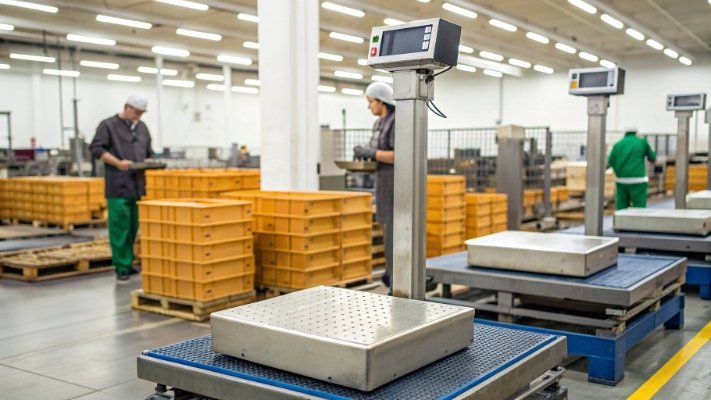
Are your operations slowed by waste and errors? These small problems add up, hurting profits and your reputation. Modern industrial scales are the key to unlocking major efficiency gains.
Industrial scales boost efficiency by ensuring precise measurements, automating processes, and improving quality control. They provide accurate data for inventory, reduce material waste, and streamline your entire manufacturing and logistics workflow, leading to higher productivity and lower costs.
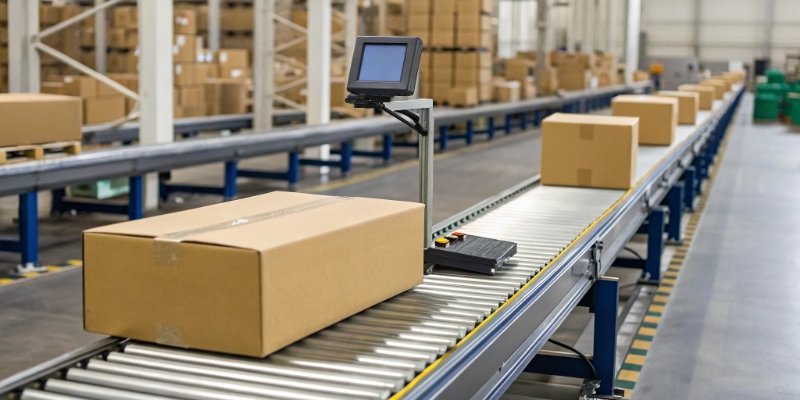
These benefits sound great, but you might be wondering how they actually work in practice. It's not just about weighing things; it's about integrating smart technology into your core operations. For over 18 years, we've helped companies do just that. We've seen firsthand how the right weighing solution can completely change a business. Let's break down exactly how these tools can transform your manufacturing and logistics.
What Are the Benefits of Using Industrial Scales in Manufacturing and Logistics?
Are you unsure about the real value of upgrading your scales? You might think it's a minor improvement, but ignoring it is a huge missed opportunity. The benefits are substantial.
The main benefits are improved accuracy, process automation, better quality control, and real-time inventory management. These core improvements lead directly to significant cost savings and streamlined operations, boosting your overall business performance and giving you a competitive edge.
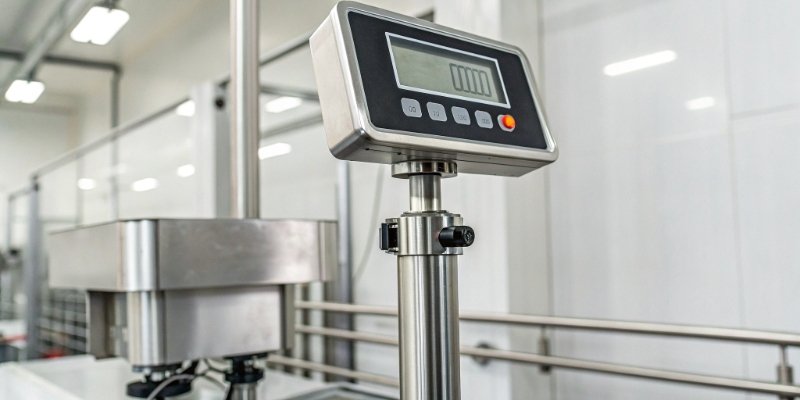
From our experience, the impact of a high-quality scale goes far beyond just getting a number on a screen. It becomes the heart of your quality and efficiency efforts. The data it provides influences decisions up and down your production line. Let's look deeper at some of these key benefits.
Accuracy and Quality
In industries like food processing or pharmaceuticals, a tiny error in measurement can ruin an entire batch. Precise measurement is not a luxury; it's essential. Modern industrial scales1 ensure that every ingredient and final product meets exact specifications. This consistency is the foundation of quality control. It helps you identify any variations in product weight, which can signal a problem in your production process long before it becomes a major issue. This helps you meet strict industry standards and regulations with confidence.
Safety and Ergonomics
An often-overlooked benefit is the improvement in workplace safety. Many of our clients have told us stories about workplace injuries from lifting heavy items onto poorly designed scales. Modern scales, like floor scales or pallet scales, are designed to be ergonomic. They make it easier and safer for operators to do their jobs. A safer work environment means happier employees, fewer injuries, and less downtime, which all contribute to a more efficient and productive operation.
| Benefit Area | Impact in Manufacturing | Impact in Logistics |
|---|---|---|
| Accuracy | Ensures correct formulas, reduces waste. | Prevents shipping disputes, ensures correct billing. |
| Quality Control | Catches product defects early. | Verifies shipment contents and integrity. |
| Safety | Reduces risk of injuries from manual lifting. | Speeds up safe loading/unloading of goods. |
| Automation | Integrates with conveyors for hands-free weighing. | Automates data capture for shipping manifests. |
How Do Industrial Scales Enhance Operational Efficiency?
Are manual weighing and data entry slowing you down? This bottleneck is prone to human error and holds back your entire production line. Integrating scales automates these tasks, speeding up your workflow.
Industrial scales enhance efficiency by integrating directly into production lines. This allows for real-time monitoring and control of material flow, automating checks and data logging, and eliminating manual bottlenecks. The result is a much faster and more reliable operational throughput.
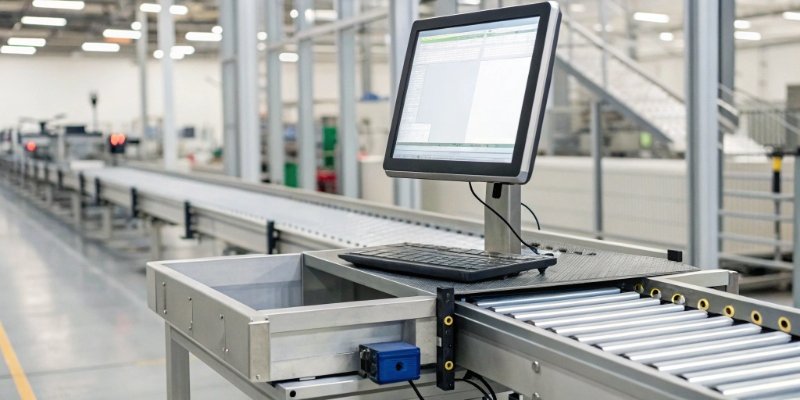
We see this transformation all the time. I remember a client in the bulk foods industry. Before they upgraded, they had two employees manually weighing and bagging nuts. It was slow and inconsistent. After we helped them install an automated system with integrated checkweighers, those same two people could oversee a process that was three times faster and perfectly accurate. That's the power of operational efficiency.
Automation and Integration
The biggest leap in efficiency comes from automation. Modern industrial scales are not standalone devices. They are designed to be part of a larger system. We build our scales to connect seamlessly with other manufacturing equipment, like conveyor belts, robotic arms, and packaging machines. For our clients who are software providers, this is huge. Our scales can communicate directly with Programmable Logic Controllers (PLCs)2 and Enterprise Resource Planning (ERP) systems3. This means weight data is captured and acted upon automatically, without anyone needing to write it down or type it in.
Real-Time Data for Better Decisions
When your scales are integrated, they provide a constant stream of data. You can monitor your entire material flow in real time. Are you using too much raw material in one area? Is a filling machine becoming less accurate? You can spot these trends instantly and make adjustments on the fly. This turns your weighing system into a powerful management tool. It gives you the clear, accurate information you need to make smart decisions that improve efficiency across the board.
In What Ways Can Industrial Scales Improve Supply Chain Accuracy?
Do inaccurate shipping weights and inventory counts cause constant problems? These issues lead to disputes with partners and unhappy customers. Accurate scales provide a single, trusted source of truth for your supply chain.
Scales improve supply chain accuracy by providing precise, verifiable weight data for shipping, receiving, and inventory. This eliminates discrepancies, ensures fair billing, optimizes cargo loads, and provides complete, auditable traceability from origin to destination.
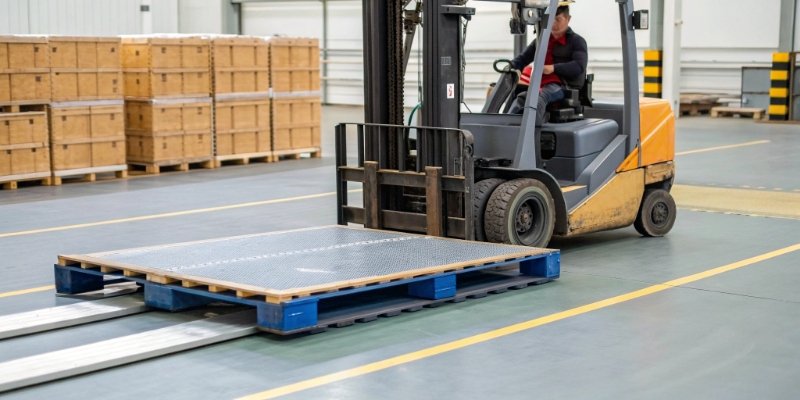
Your supply chain is only as strong as its weakest link. In our experience, that weak link is often inaccurate data. If you can't trust the numbers for what's coming in, what's in your warehouse, and what's going out, you're operating in the dark. A reliable weighing system shines a light on every step.
From Warehouse to Customer
Accuracy starts the moment a shipment arrives. Using scales at the receiving dock verifies that you got what you paid for. In the warehouse, integrated scales, such as those on forklifts, help you keep a perfect, real-time count of your inventory. This prevents stockouts and overstocking, optimizing your storage space. Finally, when shipping products out, weighing each package or pallet ensures you bill your customers correctly and pay the right amount for freight. It eliminates costly chargebacks and builds trust with your logistics partners.
Traceability and Compliance
In today's world, you need to be able to track your products. If there's ever a need for a product recall, you must know exactly where a specific batch went. Industrial scales are crucial for this. By recording the exact weight of ingredients and final products, and tying that data to a batch number, you create a perfect digital paper trail. This data is essential for auditing and proving compliance with industry and government regulations.
| Supply Chain Stage | How Accurate Weighing Helps |
|---|---|
| Receiving | Verifies incoming shipment weights against purchase orders. |
| Inventory | Provides real-time stock levels for better planning. |
| Production | Tracks material usage and output for batch traceability4. |
| Shipping | Guarantees accurate weights for freight costs and customer billing. |
How Do Industrial Scales Contribute to Cost Savings in Manufacturing?
Are hidden costs from material waste and rework eating into your profits? You might not even realize how much money is being lost every day. Precise scales directly attack these hidden costs.
Industrial scales save money by minimizing material waste through accurate dosing and portioning. They also reduce rework by catching errors early, lower shipping costs through precise weight data, and optimize labor by automating tasks that were once done by hand.
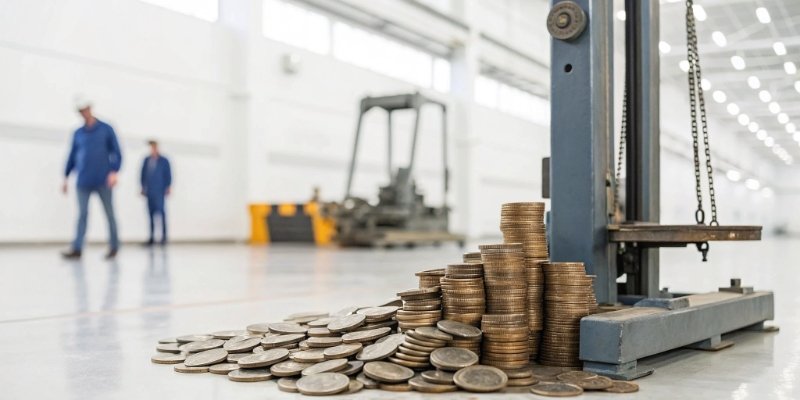
As a manufacturer of scales, we talk about precision a lot. But for our customers, precision equals profit. Every gram of product you save from being wasted, every incorrect shipment you avoid, and every minute of labor you reallocate to more valuable tasks goes straight to your bottom line.
Reducing Material Waste
This is the most direct way scales save you money. Think about it: if you are filling bags and you overfill each one by just one gram, it doesn't seem like much. But if you produce a million bags a year, that's one metric ton of product you gave away for free. I've seen it happen. A snack food company we worked with discovered they were overfilling bags by an average of 3 grams. Our high-precision checkweighers fixed that, saving them over $100,000 in a single year. Accurate scales ensure you use the exact amount of material needed—no more, no less.
Optimizing Labor and Shipping
Automation saves labor costs. Instead of paying someone to weigh items and write down the results, you can use an automated system. That person can then be moved to a more complex task that adds more value. At the same time, accurate shipping weights save a fortune. Freight companies charge based on weight. If you're estimating weights, you are almost certainly overpaying on some shipments and underpaying on others, which can lead to extra fees. Accurate scales ensure you pay the exact cost, optimizing your logistics budget.
Conclusion
In short, integrating modern industrial scales is a powerful investment. It boosts efficiency, accuracy, and profitability across your entire manufacturing and logistics operation, paving the way for real growth.
-
Explore how industrial scales can enhance efficiency and accuracy in your manufacturing processes. ↩
-
Understand how PLCs can enhance automation and control in manufacturing. ↩
-
Discover how ERP systems can streamline operations and improve data management. ↩
-
Explore the concept of batch traceability and its importance in quality assurance. ↩

[…] or eliminate manual data entry errors, which are a huge source of hidden costs. You get real-time inventory tracking4, which helps you reduce carrying costs and avoid stockouts. Your production and sales forecasting […]