

Your software is brilliant, but finding the right hardware is a struggle. Mismatched scales can ruin your solution and make you look unreliable. Partnering with an experienced manufacturer solves this.
Software companies find industrial scale manufacturers through online B2B platforms, industry trade shows, and searching for OEM/ODM specialists. Vetting partners involves checking certifications like CE, production capacity, and R&D capabilities to ensure successful software integration and long-term collaboration.

Finding a supplier is just the first step. The real challenge is finding a partner who understands your software's needs and can deliver hardware that just works. I've seen too many software projects fail because of poor hardware choices. Over my 19 years in this business, I have learned a lot. I want to share what I know so you can find the right fit and avoid costly mistakes. This will help you build a stronger product and a better business.
What Strategies Do Software Companies Use to Connect with Industrial Scale Manufacturers?
You need hardware partners but are not sure where to look. Wasting time on the wrong channels costs you money and delays projects. The best strategies involve a direct, targeted approach.
The most effective strategies include attending industry-specific trade shows, using professional networks like LinkedIn, and exploring B2B sourcing platforms. Many firms also directly engage manufacturers who showcase strong OEM/ODM capabilities and technical documentation online.
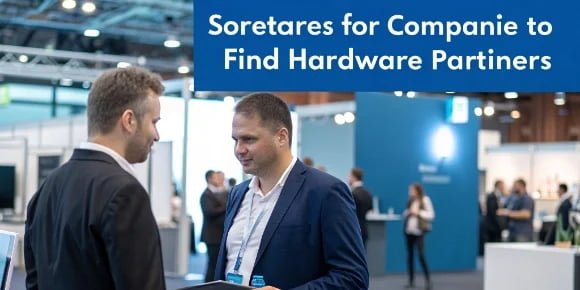
Let's break down these connection strategies. Successful software firms do not just wait for partners to find them. They are proactive in their search. This is how they build strong and lasting relationships that lead to great products.
Online Research
You can start your search on global B2B platforms1 like Alibaba or Global Sources. You can also look at professional networks like LinkedIn to find key people in manufacturing companies. A manufacturer's own website is very important. You should look for detailed product pages and clear information about their OEM/ODM services. A strong online presence shows they are serious about partnership and technology. This is a good first sign.
Industry Events
Trade shows are still very valuable. Going to an industrial fair lets you see and touch the hardware. You can talk to the technical teams directly. I remember meeting a software developer at a show in Germany. He was struggling with a specific data output format from a scale. We talked for 20 minutes right at our booth. We figured out a solution that had blocked his project for weeks. Face-to-face meetings can solve problems very quickly.
Direct Outreach
Once you find a potential partner, you should reach out to them directly. Send a clear email that explains your software and what you need from their hardware. This direct approach often works best with manufacturers like us. We have dedicated teams ready to handle custom projects and technical questions.
How Can Software Firms Identify Reliable Industrial Scale Partners?
You found a potential supplier, but you are not sure if you can trust them. A bad partner can lead to product failures and damage your reputation. You need a clear process to check reliability.
To identify a reliable partner, you must verify their international certifications like CE or OIML. You should also review their quality control processes and ask for client references. A transparent manufacturer will openly share their testing procedures and offer a factory tour.
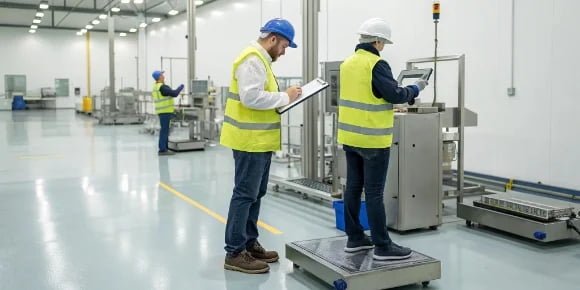
Reliability is everything in this business. Your software's performance depends on the hardware's consistency and accuracy. A scale that gives wrong data makes your software useless. Here is how you can be sure you are choosing a dependable partner that will support your product for years to come.
Check for Certifications
Certifications are not just pieces of paper. They are proof that a manufacturer meets international standards. For example, a CE mark is essential for any product sold in the European market. It shows the product is safe and legally compliant. An OIML certification proves the scale is accurate for trade. At Weigherps, every scale we ship has passed these strict tests. You should always ask for documentation to prove these certifications. A reliable partner will provide them without hesitation.
Understand Quality Control
You should ask detailed questions about their quality control. How do they test their scales? What happens if a unit fails a test? We have a dedicated quality department that tests every single unit before it leaves our factory. They check the weight accuracy, battery life, and software connectivity. A reliable partner will be proud to explain their quality process because it is a key part of their value.
Request a Pilot Project
The best way to test a partnership is with a small, controlled project. Ask the manufacturer to provide a few sample units for a pilot test. This lets you see the hardware quality and test the integration with your software in a real-world setting. It also shows you how they handle support and communication.
What Are Effective Ways for Software Companies to Collaborate with Scale Producers?
You found a partner, but collaboration is difficult. Communication gaps and technical misunderstandings cause delays and frustration. A good collaboration model makes the whole process smooth and efficient for everyone.
Effective collaboration depends on clear communication and defined technical requirements from the start. You should establish a dedicated point of contact on both sides. Use shared project management tools and schedule regular technical check-ins to keep development aligned.

A good partnership is much more than just a transaction. It is a true collaboration where both sides work toward a common goal. Your success is our success. Here is how you can work together to build a great product that your customers will love.
Define Clear Technical Specs
Before you start any work, you should create a detailed document. This document should list all your technical needs. For example, include data formats, communication protocols2 like RS232 or TCP/IP, and API requirements. This single document prevents a lot of misunderstandings later on. A good manufacturer will work with you to review and refine these specs to make sure they are achievable.
Leverage Manufacturer Expertise
Do not be afraid to ask your hardware partner for advice. We have been making industrial scales for 19 years. We know what works in different industrial environments, from clean rooms to dusty warehouses. We can suggest hardware modifications that might improve the performance of your software or the durability of the final product. A great partner contributes ideas, not just products. They are an extension of your own R&D team.
Grow Together
The relationship should not end after the first order. The best partnerships evolve. For years, hardware companies just provided the box. We realized that was not enough. We saw our software partners struggling to build complete solutions. That is why we invested in our own front-end development department. We can now help build system interfaces and support companies that don't have their own backend team. This creates a truly integrated solution and a win-win for everyone.
How Do Software Companies Evaluate Industrial Scale Manufacturers for Partnership?
Choosing a final partner feels like a gamble. You worry about sinking money into a partnership that fails, and you're concerned about long-term costs and support. A structured evaluation helps you choose confidently.
You should evaluate manufacturers using a scorecard. Rate them on technical capabilities, production capacity, quality assurance, after-sales support, and cost-effectiveness. The best partner offers a balance of quality, reliable support, and a fair price for long-term value.

Making the final choice is a big decision for your company. You need a structured way to compare your options. A simple evaluation matrix3 can make your decision clearer and much easier to justify to your leadership team. It helps you focus on the factors that matter most for a successful long-term partnership.
Key Evaluation Criteria
Your evaluation matrix should include a few key areas. After-sales support is critical. How quickly do they respond to technical questions? Do they have a professional team that understands software integration? You should also think about their innovation capabilities4. Do they update their technology? Can they integrate new things like IoT or cloud services? And of course, you must consider the costs, both for the initial purchase and for long-term maintenance and support. A cheaper unit might cost you more in the long run if it is unreliable.
Here is a simple table you can use to score partners (from 1 to 5):
| Criteria | Manufacturer A | Manufacturer B | Notes |
|---|---|---|---|
| Technical Support | 4 | 3 | Response time, documentation quality |
| Quality & Certs | 5 | 4 | Has CE, OIML; transparent testing process |
| Customization (OEM/ODM) | 5 | 2 | Flexibility to meet our specific needs |
| Cost-Effectiveness | 3 | 5 | Initial price vs. long-term value5 & support |
| Innovation/R&D | 4 | 3 | Has an IoT roadmap and an internal software team |
| Total Score | 21 | 17 | Clear winner based on our priorities |
This simple tool helps you move from just a gut feeling to a data-based decision. It ensures you select a partner that truly fits your company's strategic goals.
Conclusion
Finding the right industrial scale manufacturer is key to your software's success. A true partner provides quality hardware, expert technical support, and the ability to grow and innovate with you.
- Discover leading B2B platforms that connect software companies with reliable hardware manufacturers. ↩
- Understand the key communication protocols that ensure seamless integration with software. ↩
- Find a guide on building an effective evaluation matrix for manufacturer selection. ↩
- Learn how to evaluate a manufacturer's ability to innovate and adapt to new technologies. ↩
- Understand why long-term value is crucial for sustainable partnerships with hardware manufacturers. ↩



Comments (0)