

Tired of slow, complex hardware integration? Project delays and rising costs can cripple your software development. A programmable scale's API/SDK offers a direct, fast path to seamless integration.
A programmable scale's API/SDK provides ready-to-use code and clear guidelines. This lets your developers easily connect hardware and software. They can access weighing data and build custom features without deep hardware knowledge, saving immense development time and accelerating your projects.

You might be thinking that integrating hardware is always a headache, no matter what tools you have. I've seen many software vendors face this challenge. They spend months trying to make a scale talk to their system. But it doesn't have to be this way. As a manufacturer with 19 years of experience, we've seen firsthand how the right tools can make the process straightforward. Let's explore exactly how these APIs and SDKs streamline your work and what benefits they bring to your projects.
How Do APIs and SDKs of Programmable Scales Streamline Application Development?
Your team is stuck writing complex hardware code instead of building features. This wastes valuable time and delays your product launch. APIs and SDKs manage the hardware communication for you.
APIs and SDKs provide standardized commands and libraries to simplify development. They hide the complex hardware details. This lets your developers use simple function calls to get weight data, completely avoiding the need to write complex communication protocols from scratch.
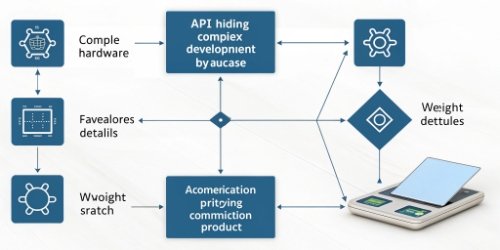
APIs and SDKs are game-changers because they remove major roadblocks in development. Let me break down how they simplify the process for your technical directors and development teams.
Abstraction of Hardware Complexity
Normally, connecting to a scale means dealing with low-level communication protocols like RS-232. Your team would need to write and debug code just to get a stable connection. An API handles all of this behind the scenes. Your developer simply calls a function, and the API translates it into the language the scale understands. This means they can focus on application logic1, not hardware protocols.
Pre-built and Standardized Functions
Our SDKs come with a library of functions for common tasks. Instead of figuring out how to send a specific command to tare the scale, your team can just use a tare() function. This standardization means less guesswork and faster implementation. Developers can build your application's features, not reverse-engineer the scale's command set. This makes development more efficient and less prone to errors.
| Feature | Development Without API/SDK | Development With API/SDK |
|---|---|---|
| Connection | Manual protocol implementation | Simple connect() function call |
| Data Reading | Parse raw data streams | Use getWeight() function |
| Control | Send specific byte commands | Use tare(), zero() functions |
| Time | Weeks or months | Days or even hours |
What Advantages Do Programmable Scale APIs Offer for Rapid Development of Custom Apps?
Need to launch your app quickly to stay ahead? Slow hardware integration can derail your schedule and cost you the market. A good scale API offers clear advantages for speed.
The key advantages are faster development, lower costs, and better reliability. Using pre-tested code reduces bugs and errors. Good documentation helps developers get up to speed quickly. This enables rapid prototyping and a much faster launch for your custom application.

When you're a software vendor, speed is everything. Getting your product to market before the competition is critical. This is where a programmable scale's API truly shines. It offers tangible benefits that directly impact your development speed and budget, a key concern for any purchasing manager.
Significant Reduction in Time-to-Market
The most obvious advantage is speed. I remember working with a client who spent almost three months trying to integrate a standard scale without an API. After switching to one of our programmable scales with an SDK, their new developer had a working prototype in less than a week. The API provides a shortcut, bypassing months of complex, low-level coding and debugging. This means your application gets into your customers' hands much faster.
Lower Overall Development Costs
Fewer development hours directly translate to lower costs2. Instead of paying your team to write and troubleshoot communication protocols, they can use our pre-built, tested API/SDK. This frees up your project budget. You can invest those savings into other areas, like marketing or developing more features your customers want. It makes the entire project much more cost-effective.
Focus on Your Application's Core Value
Your company's value isn't in writing scale drivers; it's in the unique software you build. An API lets your team focus on that. They can spend their time creating innovative features, improving the user experience, and delivering what your customers truly need. The scale simply becomes a reliable data source3, not a development bottleneck.
How Can Developers Leverage API/SDK Features for Scale Integration and Innovation?
Have a great app idea but are stuck on hardware integration? This challenge can kill innovation before it even begins. API/SDK features are your tools to build something new.
Developers can do more than just read weight. They can use APIs to trigger custom events, automate production tasks, and send data to cloud or ERP systems. This opens the door for real-time analytics and process innovation beyond simple weighing.
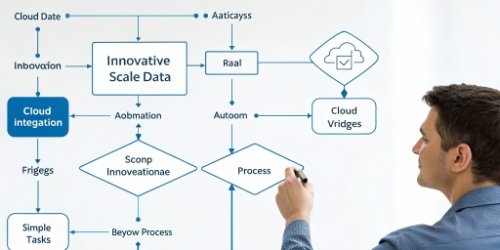
A good API/SDK does more than just simplify integration. It becomes a toolkit for innovation4. As a manufacturer specializing in IoT weighing and automation, we design our tools to help you build the next generation of smart applications that can revolutionize conventional weighing.
Building Event-Driven Workflows
Imagine your application could automatically react to changes on the scale. With our API, you can. Developers can set up listeners that trigger actions when a certain weight is reached or removed. For example, an application could automatically print a label when a box on the scale hits the target shipping weight. Or it could send an alert to your system if a component bin is running low. This automates manual processes, improves efficiency, and reduces human error for your clients.
Integrating with IoT and Cloud Platforms
This is where true innovation happens. Our APIs are designed to make it easy to send weighing data to the cloud. Your application can push data from every scale in a factory to a central dashboard in real-time. You can analyze this data for production efficiency, track material usage, or predict maintenance needs. We empower you to connect industrial hardware to modern cloud services, turning simple scales into smart, connected devices that feed your analytics platform. This is how you help your customers achieve a quantum leap in their business.
In What Ways Do Programmable Scale APIs Enhance Efficiency in Building Applications?
Are development inefficiencies causing bugs and missed deadlines? This hurts your team's morale and your company's reputation. A scale's API promotes a much smoother, more efficient workflow.
APIs boost efficiency through consistency. The same documented API works for all your projects. This standardization means new developers learn faster. It also ensures every integration is built the same reliable way, saving time and preventing rework on future projects.
Efficiency isn't just about speed; it's about working smarter. APIs and SDKs introduce several efficiencies into your software development lifecycle, making the entire process smoother and more predictable. As your manufacturing partner5, we understand that reliability in our tools translates to efficiency for you.
Facilitating Code Reusability
Once your team writes the code to interact with our scale's API, that code becomes a reusable asset. You can create a standard weighing module for your company. Any time a new project requires scale integration, you can simply plug in this existing, tested module. This "write once, use many times" approach saves countless hours and ensures a consistent, high-quality implementation across your entire product portfolio.
Simplifying Testing and Debugging
When something goes wrong, finding the root cause can be a nightmare. Is the problem in the hardware, the cable, the driver, or the application? Because our API is a pre-tested, reliable component, it simplifies this process. Each product we ship undergoes comprehensive testing by our quality inspection department. This allows your team to focus their debugging efforts on your own application code, drastically reducing the time it takes to find and fix bugs.
Enabling Parallel Development Workflows
With a well-defined API, your software team doesn't have to wait for the physical hardware. They can start development immediately using the API documentation and a simulator provided in the SDK. They can build and test the entire application logic without a physical scale on their desk. This parallel workflow means the hardware and software can be developed at the same time, significantly shortening your project's timeline from start to finish.
Conclusion
In short, a programmable scale’s API/SDK is a powerful tool. It speeds up development, cuts costs, and unlocks innovation by making complex hardware integration simple and reliable for you.
-
Discover techniques to enhance application logic for better performance and user experience. ↩
-
Explore various approaches to reduce costs in software development without compromising quality. ↩
-
Learn how to establish a reliable data source for your applications to improve performance and user experience. ↩
-
Learn strategies to encourage innovation within your software development team for better results. ↩
-
Explore key factors to consider when choosing a manufacturing partner for your software development needs. ↩



Comments (0)