
Confused by how massive trucks are weighed? Inaccurate readings cost money and cause disputes. We'll break down the simple science behind it, ensuring you make a smart investment.
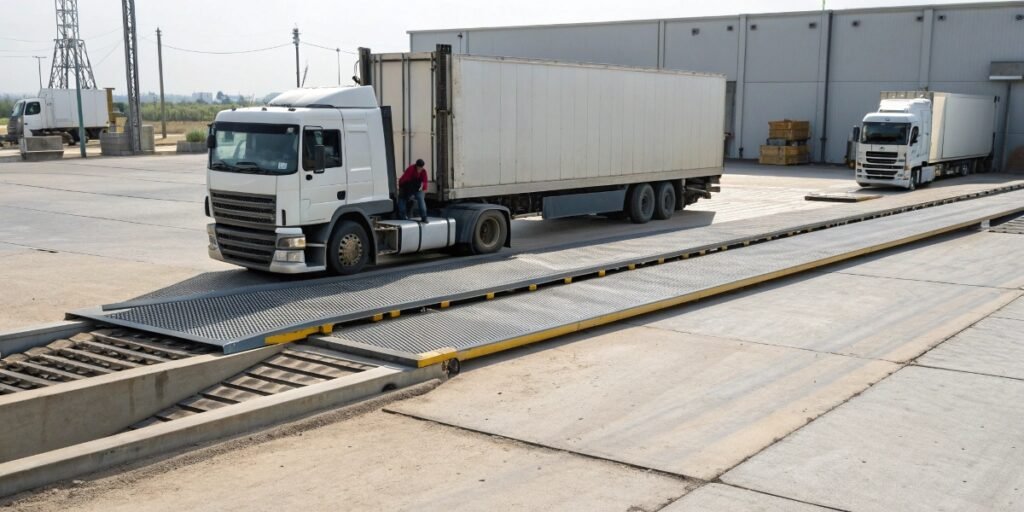
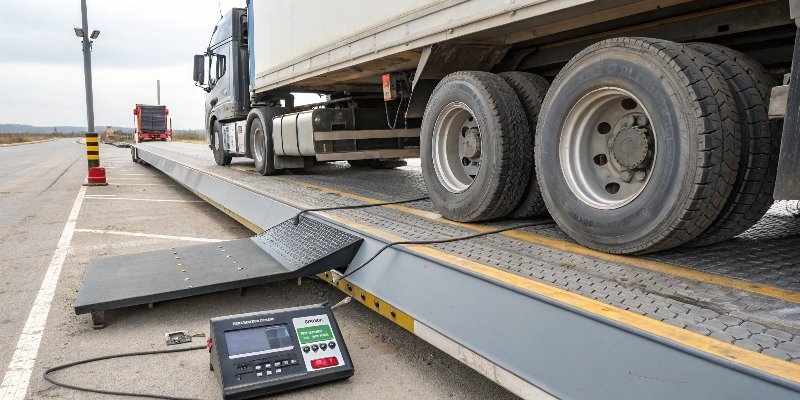
A truck scale works by converting a truck's physical weight into an electrical signal. The scale's large platform transfers the force onto sensors called load cells. These sensors generate a signal that an electronic indicator processes and displays as a precise weight measurement.
It seems simple on the surface, but a lot of engineering goes into getting that accurate number on the screen. For anyone in logistics, manufacturing, or software integration1, knowing the details is key. It helps you spot quality and avoid costly mistakes. Let's dive deeper into the components and the process. This knowledge is what separates a good purchase from a bad one.
How do the components of a truck scale work together?
Your business relies on precise data. A failing scale component can halt operations and create chaos. We'll show you how each part works together for reliable performance.
The system's core is the platform, sensors, and indicator. The platform bears the load, sensors convert it to an electrical signal, and the indicator processes and displays the final, accurate weight. It is a chain of precision from start to finish.
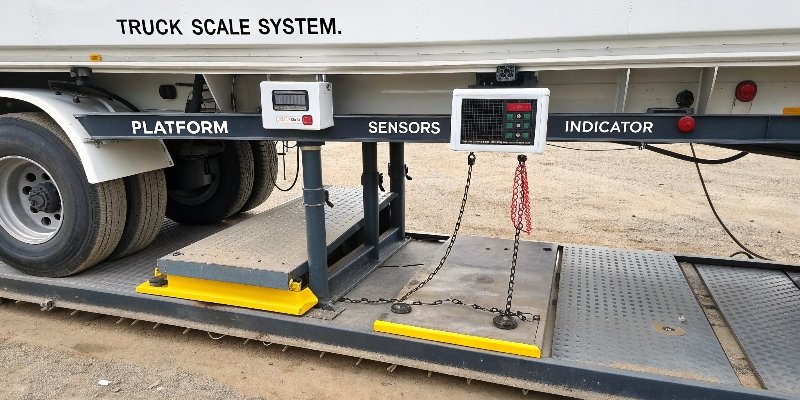
The entire system is a team where each part has a critical job. If one part fails, the whole measurement is wrong. Based on our 18 years of manufacturing experience, we know that reliability comes from how these parts work together. Let me break it down.
The Foundation: The Weighbridge
First, you have the weighbridge2, which is the large steel platform the truck drives onto. Its only job is to bear the heavy load and transfer the weight evenly to the sensors underneath. These are usually made from high-strength steel3 with U-shaped beams for support. We often use a modular design4, which makes shipping and installation much easier. I remember a client who tried to save money with a cheaper platform from another supplier. A single overloaded truck caused it to bend permanently, a very expensive lesson in the importance of a robust foundation.
The Heart: The Load Cells
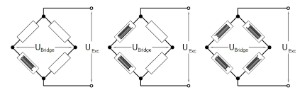
Next are the load cells5, which are the true heart of the scale. These sensors sit under the weighbridge. When the truck's weight presses down, the load cell deforms slightly. This tiny change in shape alters the electrical resistance inside a component called a strain gauge. This change creates a very small electrical signal proportional to the weight. We strongly recommend digital load cells6. They convert the signal to a digital format right inside the sensor. This makes the signal much stronger against outside interference and makes it almost impossible for anyone to tamper with the weights.
The Brain: The Indicator and Junction Box
Finally, the signals from all the load cells travel to a junction box7. The junction box sums them up into one signal and sends it to the indicator. The indicator is the brain. It takes the signal, amplifies it, runs it through an analog-to-digital converter (if using analog sensors), and shows the final weight on a screen. Modern indicators do much more. They can store thousands of weight records, connect to a company's network via RS485 or Ethernet, and print tickets. This is where software integration becomes key for our clients.
| Component | Function | Key Technical Specs |
|---|---|---|
| Load Cells | Convert weight (force) into an electrical signal. | IP68/IP69K waterproof, Stainless Steel |
| Indicator | Processes the signal and displays the final weight. | RS485/Ethernet Port, 0.01% resolution |
| Data Management | Stores and transmits weighing data. | USB/Cloud Sync, >1000 record storage |
How are truck scales calibrated?
An uncalibrated scale gives you bad data, leading to financial losses and legal risks. You need certified accuracy. We'll explain the simple but crucial process of calibration.
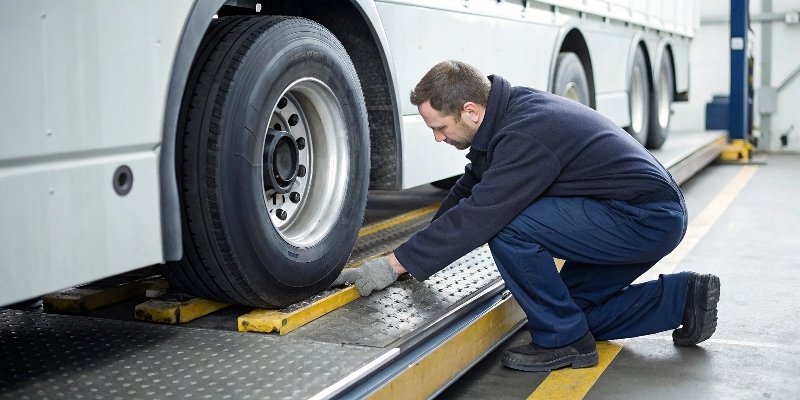
Calibration involves adjusting the scale to match known certified weights. A certified technician places large test weights on the scale and adjusts the indicator's settings until the displayed weight perfectly matches the certified weight, ensuring legal-for-trade accuracy.
A truck scale8 doesn't stay accurate forever. Think of it like tuning a musical instrument; it needs regular adjustments to perform perfectly. Over time, factors like temperature changes, ground settling, and simple wear and tear can cause the readings to drift. This drift can be costly. We had a client in the scrap metal business who discovered their scale was off by a small amount. This small error added up to thousands of dollars in lost revenue over six months. That's why calibration is a service we always insist on with our partners.
The Calibration Process Step-by-Step
A certified technician must perform the calibration. You can't just do it yourself. Here is how we do it:
- Inspection: The technician first inspects the scale. They check for any debris under the weighbridge or any signs of damage that could affect the reading.
- Zero Test: They make sure the scale reads exactly zero when it is empty.
- Test Weight Placement: Next, they use state-certified test weights. These are massive, precisely weighed blocks of metal. They place these weights at different spots on the scale, including each corner and the center. This is called a section test, and it ensures the scale reads correctly no matter where the load is.
- Span Adjustment: The technician then enters the indicator's service menu. They adjust the scale's "span" so that the number on the screen exactly matches the total of the test weights. They repeat this at different weight levels to ensure the scale is accurate across its entire capacity.
After the process is complete, the scale is recertified as "legal for trade."
How accurate is a truck scale?
You assume your truck scale is accurate, but is it accurate enough? Small errors add up to big financial losses. We will explain what "accurate" really means for industrial scales.
A certified, legal-for-trade truck scale is very accurate. It is typically accurate to within 0.1% of its total capacity. For example, on a 100-ton scale, the allowable error is just 100 kg. This accuracy depends on quality parts and regular calibration.
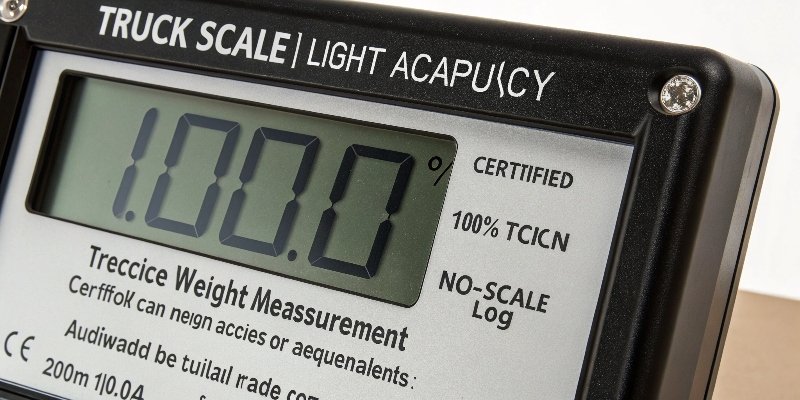
When we talk about accuracy, it's important to understand what it means in the real world. A common mistake is to confuse accuracy with resolution. Resolution is the smallest increment the scale shows, for example, 10 or 20 kg. Accuracy, however, is how close that displayed number is to the actual, true weight. You can have a scale that shows small numbers (high resolution) but is completely wrong (low accuracy). For any business buying or selling goods by weight, accuracy is money.
Factors That Influence Accuracy
Several things affect a scale's accuracy. As manufacturers, we focus on controlling these factors to build reliable products.
- Component Quality: This is number one. We use high-quality load cells with built-in temperature compensation. Cheaper sensors will give different readings on a hot day versus a cold day.
- Solid Foundation: The scale must be installed on a perfectly flat and stable concrete foundation. An unstable base will always make the readings inconsistent.
- Environment: Strong winds can push on a truck and affect the weight. We advise clients to install wind guards in windy locations. Debris like mud or ice under the scale can also throw off the zero point.
- Proper Use: A truck must be fully on the scale and stopped completely for an accurate static weight.
Static vs. Dynamic Weighing
Most commercial truck scales are "static," meaning the truck stops to be weighed. This provides the highest accuracy, with an error of 0.1% or less. You may have also seen "weigh-in-motion" or WIM systems on highways. These weigh trucks as they drive over them without stopping. WIM systems are much less accurate, with errors up to 3% or more. They are great for screening and traffic monitoring but are not accurate enough for commercial transactions.
How do scales work at truck stops?
Worried about being overweight at a legal weigh station? Using a truck stop scale is your first line of defense. But how do they work and can you trust the results?
Truck stop scales, like CAT Scales, are public-use, certified truck scales. A driver pulls onto the platform, speaks to an operator via an intercom, and gets a certified weight ticket. They use the same reliable load cell technology as private industrial scales.
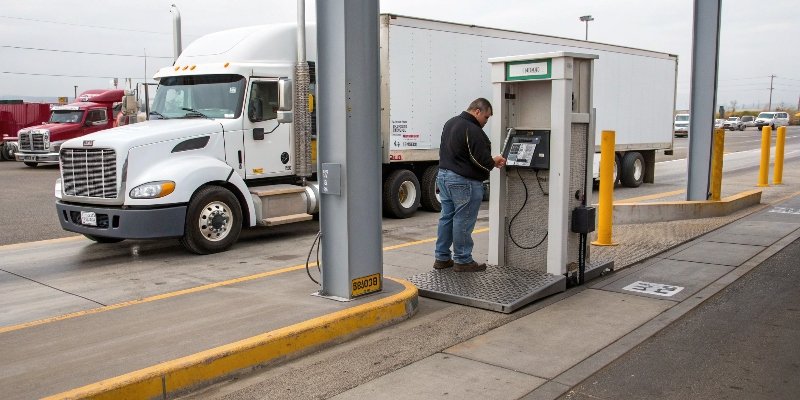
These scales are a critical tool for truck drivers and fleet managers. I once talked with a fleet manager who made it a rule for his drivers to get a CAT Scale ticket before heading to any official Department of Transportation weigh station. He said this simple step saved his company thousands of dollars a year in overweight fines.
The User Experience
The process at a truck stop scale is built for speed and ease.
- The driver slowly pulls onto the platform, making sure all the truck's axles are on a scale pad.
- They press a button on an intercom speaker and talk to an operator who is often located in a remote office.
- The operator asks for the truck number and tells the driver to hold still while the weight is captured.
- The weighing process takes just a few seconds. The operator then tells the driver they can pull off the scale.
- The driver parks the truck and goes inside the truck stop to pay for and pick up their certified weight ticket9. Many now have apps to do this on your phone.
The Technology and Trust Factor
So, can you trust these scales? Absolutely. These public scales are "legal for trade." This means they are held to the same high standards and are certified by the same government bodies as the industrial scales we manufacture. They undergo frequent, rigorous calibration with certified test weights to ensure their accuracy. In fact, some brands like CAT Scale even offer a guarantee: if a driver gets an overweight ticket after getting a legal weight reading from their scale, the company will pay the fine. This shows the incredible confidence they have in their technology. And it is the same core technology we build into every scale at Weigherps.
Conclusion
A truck scale uses precision sensors to convert weight into a digital signal. Understanding this technology and ensuring proper calibration are key to accurate, reliable, and profitable operations.
-
Learn about the importance of software integration for data management and operational efficiency. ↩
-
Discover the significance of weighbridges in ensuring accurate weight readings for trucks. ↩
-
Discover the benefits of using high-strength steel in the construction of truck scales. ↩
-
Discover how modular designs simplify shipping and installation of truck scales. ↩
-
Learn about load cells, the heart of truck scales, and their role in accurate weight measurement. ↩
-
Find out why digital load cells are recommended for enhanced accuracy and reliability. ↩
-
Discover how junction boxes contribute to the overall functionality of truck scales. ↩
-
Explore this resource to understand the mechanics and importance of truck scales in logistics. ↩
-
Learn about weight tickets and their significance in ensuring compliance and avoiding fines. ↩

[…] the manufacturing side of the business. For the past 18 years, our company, Weigherps, has been the OEM/ODM manufacturer2 behind some of the components and even entire systems sold by global […]