
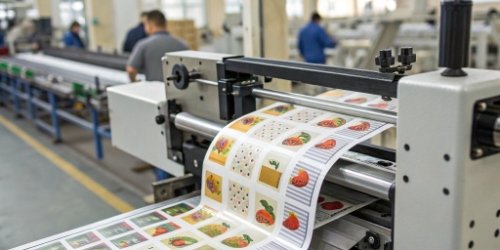
Your labels keep fading, smudging, or peeling off in your busy workplace. This creates scanning errors and tracking nightmares. What if your labels could withstand the toughest conditions?
Labels from an industrial-grade printing scale are extremely durable. They are designed using specialized materials and printing methods to resist moisture, chemicals, abrasion, and extreme temperatures. Their exact lifespan depends on the specific label material, adhesive, and the harshness of the environment they are used in.
Getting the right label is critical. If it fails, your entire tracking system can fail with it. In my nearly two decades of manufacturing industrial scales1, I’ve seen firsthand how a durable label can prevent costly mistakes. Let's look deeper into what makes these labels so tough and how you can choose the right one for your job.
What Factors Affect the Durability of Labels from Industrial Printing Scales?
You chose a label, but it didn't last through the production cycle. This caused confusion and delays. You need to know what makes a label tough before you buy.
The main factors are the printing method, the label material, and the work environment. Thermal transfer printing is more durable than direct thermal. Synthetic materials like polyester outperform paper. Also, exposure to moisture, chemicals, or extreme temperatures greatly impacts longevity.
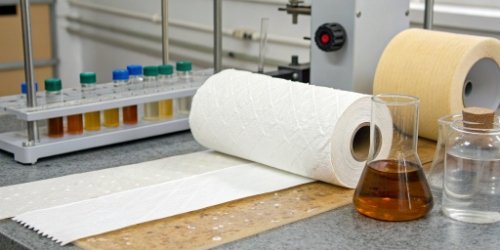
Understanding these factors is the first step to choosing a label that won't fail you. Based on my experience, a label is only as strong as its weakest link. We always ask clients about their specific work environment because a solution for a dry warehouse is completely different from one for a damp, cold processing plant. We can design solutions for humid, dusty, corrosive, or even explosion-proof areas. This customization2 is key.
Printing Technology Matters
The way a label is printed has a huge impact on its durability. There are two main types:
- Direct Thermal: This method uses heat-sensitive paper. It's simple and doesn't require a ribbon, but the print can fade over time, especially when exposed to heat or sunlight. It's best for short-term applications like shipping labels.
- Thermal Transfer: This method uses a heated printhead to melt a ribbon onto the label. This creates a much more durable and long-lasting image that resists fading and smudging. For most industrial needs, thermal transfer is the way to go.
The Role of Environment
Your workplace environment is a major factor. A label that works perfectly in a clean, climate-controlled office will fail quickly on a factory floor. We always consider these questions:
- Moisture and Chemicals: Will the label be exposed to water, cleaning solutions, oils, or other chemicals?
- Temperature: Does it need to withstand freezers or high-heat processes?
- Abrasion: Will the label be rubbed against other surfaces during transport or handling?
Label Material and Adhesive
The material itself is critical. Here’s a simple breakdown:
| Material | Best For | Resistance Level |
|---|---|---|
| Paper | Short-term, dry uses | Low |
| Polypropylene | Wet conditions, some chemicals | Medium |
| Polyester | High heat, harsh chemicals | High |
The adhesive is just as important. A strong adhesive ensures the label stays put on metal, plastic, or cardboard, whether the surface is smooth, rough, or curved.
How Do Industrial Printing Scales Ensure Long-Lasting Label Quality?
You are printing hundreds of labels, but some are blurry or inconsistent. This leads to scanning failures and slows down your whole operation. You need reliable quality with every single print.
Industrial printing scales use high-resolution printheads for sharp text and barcodes. Their robust, often sealed construction protects internal parts from dust and moisture. Advanced software allows precise control over print speed and heat, ensuring consistent, durable results on various materials.
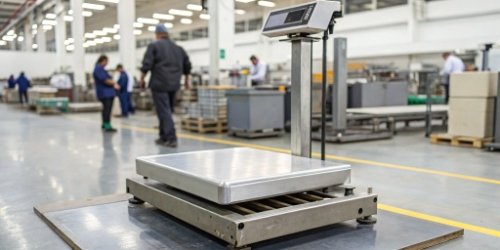
The design of the machine itself is a huge part of the equation. As a manufacturer, we build our scales to survive on the factory floor. It's not just about what you print on, but what you print with. I've seen cheap scales fail quickly because dust and moisture get into the printing mechanism, causing poor quality and frequent breakdowns. A well-built industrial scale is an investment in consistent quality.
High-Resolution Printheads
The printhead is the part that creates the image. Industrial scales use high-resolution printheads3, measured in dots per inch (DPI). A higher DPI, like 300 or 600 DPI, produces much sharper and clearer text and barcodes. This detail not only looks more professional but also makes the barcode more resistant to damage. Even if a small part gets scuffed, a high-resolution barcode is more likely to remain scannable.
Built for the Factory Floor
Industrial environments are tough. That's why we build our scales with durable metal casings and sealed components. This design protects the sensitive printhead and electronics from dust, debris, and splashes of water. A stable internal environment means the printing mechanism works correctly every time, without vibrations or contaminants causing misprints. This is where our ability to provide solutions for damp, dusty, or corrosive atmospheres really shines. The machine is built to handle your specific challenges.
Smart Software and Calibration
Modern industrial scales come with smart software. This software lets you fine-tune the printing settings, like heat and speed, to perfectly match the label material4 and ribbon you're using. Using the wrong settings can result in a print that smudges easily or fades quickly. Proper calibration ensures every label gets the right amount of heat to create a strong, lasting bond between the ink and the label surface.
What Materials Are Used to Enhance the Durability of Printed Labels?
Standard paper labels are tearing and smudging in your facility. This creates unreadable information and inventory problems. You need a material that can handle industrial wear and tear.
To enhance durability, industrial labels are made from synthetic materials like polypropylene and polyester. These plastics are waterproof and resist tearing, chemicals, and extreme temperatures much better than paper. Special topcoats can be added for even greater protection against smudging and abrasion.
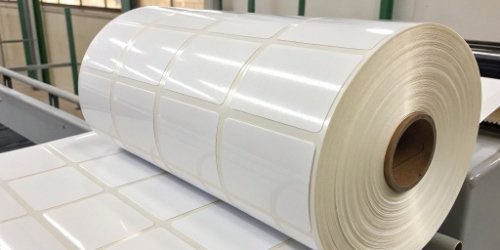
Choosing the right material feels like a small detail, but it makes a world of difference. I remember a client in the food processing industry who was struggling with paper labels in a wet environment. They were constantly replacing them. We switched them to a polypropylene5 label with a freezer-grade adhesive, and their problem was solved overnight. It's about matching the material to the job.
The Synthetic Advantage
While paper labels are inexpensive, they are not suited for most industrial jobs. They absorb moisture, tear easily, and have poor resistance to chemicals. Synthetic labels are the standard for durability.
- Polypropylene: This is a great all-around choice. It offers excellent moisture resistance6 and is more durable than paper. It's flexible and works well on curved surfaces. It's perfect for products that will be exposed to water or humidity.
- Polyester: This is the top choice for harsh environments. Polyester is extremely tough and can handle high temperatures, chemical exposure, and serious abrasion without degrading. It’s often used for asset tracking, circuit board labels, and other applications where durability is absolutely essential.
Adhesives Make a Difference
The material is only half the story. The adhesive that sticks the label to your product is just as critical. The wrong adhesive will cause the label to peel or fall off, no matter how tough the label material is. Industrial adhesives are designed for specific needs:
| Adhesive Type | Use Case |
|---|---|
| Permanent | For general use where the label should not be removed. |
| High-Tack | For rough, textured, or difficult-to-stick surfaces. |
| Removable | When labels need to be removed cleanly without leaving residue. |
| Freezer-Grade | Specially formulated to work in sub-zero temperatures without losing adhesion. |
How Can the Longevity of Industrial-Grade Printed Labels Be Tested?
A supplier tells you their labels are "durable," but how can you truly know? A label failing in the field could cause a major recall or shipping error, costing you thousands.
Longevity is confirmed through rigorous testing. This includes abrasion tests, where the label is repeatedly rubbed, and chemical tests using industrial solvents. Environmental chambers also simulate years of exposure to extreme heat, cold, humidity, and UV light to prove the label's durability.
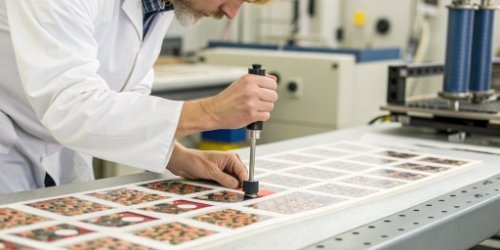
At our company, we don’t just make claims; we prove them. Every product our quality inspection department ships has undergone comprehensive testing. This includes making sure the software works and the printing is flawless. We believe that if a label is going to carry critical information, its durability must be tested and proven. This gives our clients peace of mind that the solution we provide will not fail them when it matters most.
Simulating Wear and Tear
One of the most common tests is for abrasion resistance7. We use machines that rub the surface of the label with a standardized material, hundreds or even thousands of times. This mimics the scuffs and scrapes a package might endure during shipping and handling. After the test, we inspect the label to see if the barcode is still scannable and the text is legible. If it holds up, we know it can handle real-world conditions.
Chemical and Environmental Challenges
To test for chemical resistance8, we expose labels to common industrial substances like oil, grease, alcohol, and cleaning agents. We check to see if the material breaks down or if the print smudges or fades. For environmental testing9, we use special chambers that can create extreme conditions. We cycle the labels between hot and cold temperatures, expose them to high humidity, and blast them with intense UV light. This accelerated aging process helps us understand how a label will perform over many years in a tough environment.
Conclusion
Industrial printing scale labels are very durable. Success comes from combining the right printing technology, synthetic materials, and a scale built for your specific environment, ensuring your data remains readable.
-
Learn about the essential features that make industrial scales reliable for label printing. ↩
-
Find out how tailored solutions can improve label performance in unique environments. ↩
-
Learn how high-resolution printheads improve label clarity and scannability. ↩
-
Find out which materials provide the best resistance to wear and tear in industrial settings. ↩
-
Explore why polypropylene is a popular choice for durable labels in various industries. ↩
-
Learn about the technologies that help labels withstand exposure to moisture. ↩
-
Find out how labels are tested for durability against physical wear and tear. ↩
-
Discover the materials and coatings that protect labels from chemical damage. ↩
-
Learn about the rigorous testing processes that ensure label durability in tough conditions. ↩


Comments (0)