
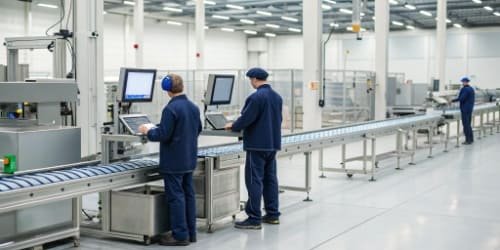
Struggling with production bottlenecks and inconsistent product quality? These issues often stem from outdated weighing processes. Inaccurate measurements can lead to wasted materials, rework, and unhappy customers, ultimately impacting your bottom line.
Intelligent weighing software integrates precision sensors with advanced software to deliver accurate measurements and enhanced functionality across manufacturing processes. This technology automates data collection and integrates with other systems, streamlining workflows and providing real-time insights for better decision-making.
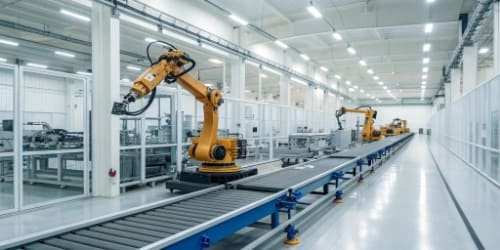
The journey of intelligent weighing in manufacturing is a story of evolution. I remember visiting a factory years ago where automated assembly lines were considered cutting-edge. These were the early ancestors of today's intelligent weighing systems. Now, when I walk through the production workshops of large enterprises in China, I see a different world—a world where human presence is minimal, and intelligent software and hardware run the show. It’s a testament to how far we’ve come. This transformation isn’t just about replacing manual labor; it’s about achieving a level of precision and efficiency that was once unimaginable. Even our ports, the gateways of international trade, are becoming fully automated, a clear sign of the power of intelligent systems. This evolution reflects a fundamental shift in manufacturing, where data and automation are the new cornerstones of success.
What Are the Benefits of Intelligent Weighing Software in Streamlining Production Processes?
Are manual weighing processes slowing down your production line and creating inefficiencies? The constant need for human intervention can lead to errors, delays, and a lack of real-time visibility into your operations, hampering your ability to optimize production.
Intelligent weighing software streamlines production by automating weighing tasks, minimizing human error, and integrating seamlessly with other manufacturing systems. This leads to faster throughput, reduced material waste, and improved overall operational efficiency, allowing for a more agile and adaptable production line.

Let's dive deeper into how this actually works on the factory floor. I've seen firsthand how implementing intelligent weighing software1 can revolutionize a production line. Before, a client of mine had a team of workers manually weighing ingredients for a food product. It was a slow process, prone to human error, which sometimes led to entire batches being discarded. After integrating our intelligent weighing system, the entire process was automated. The software now controls the dispensing of each ingredient with incredible precision. This not only sped up the process but also ensured consistent product quality. The system's ability to integrate with their existing Enterprise Resource Planning (ERP)2 software meant that inventory was updated in real-time, and production data was immediately available for analysis. This seamless data flow allows for better resource allocation and process optimization3. For example, they can now analyze weight data to identify subtle inefficiencies that were previously invisible.
Here's a breakdown of the key benefits:
| Benefit | How it Streamlines Production |
|---|---|
| Automation | Reduces the need for manual intervention, freeing up employees for more skilled tasks. |
| Increased Accuracy | Minimizes human error, leading to more consistent product quality and less waste. |
| Real-time Data | Provides immediate insights into production, enabling quick adjustments and process optimization. |
| System Integration | Connects with ERP and other software for seamless data exchange and better overall management. |
How Does Intelligent Weighing Software Contribute to Quality Control in Manufacturing?
Are you concerned about inconsistent product quality and the high costs of rework? Manual quality checks are often subjective and can miss subtle deviations, leading to products that don't meet specifications and potential damage to your brand's reputation.
Intelligent weighing software is a cornerstone of modern quality control, providing precise and consistent measurements throughout the production process. It automatically flags any deviations from predefined weight tolerances in real-time, ensuring that only products meeting the highest quality standards proceed to the next stage.
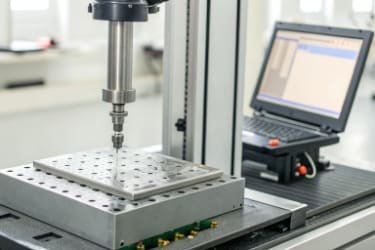
I once worked with a pharmaceutical company that was facing challenges with regulatory compliance4. The manual logging of weight data for their products was not only time-consuming but also introduced the risk of errors that could have serious consequences. By implementing our intelligent weighing software, they were able to automate the entire data logging5 process. The software captures and records every weight measurement, creating a complete and accurate audit trail for compliance purposes. The system's checkweighing function was particularly valuable. It automatically compares the weight of each product against predefined specifications and rejects any that fall outside the acceptable range. This real-time monitoring capability has significantly reduced the potential for human error and ensured consistent product quality. It also integrates with their Manufacturing Execution System (MES), allowing for automatic adjustments to the production process based on real-time weight data. This level of control has not only improved their product quality but also their confidence in meeting stringent regulatory requirements.
Here’s a more detailed look at its contributions:
| Contribution | How it Enhances Quality Control |
|---|---|
| Real-time Monitoring | Continuously monitors product weight and identifies deviations from standards instantly. |
| Automated Rejection | Automatically removes products that are outside of the specified weight tolerances. |
| Data Logging | Creates a detailed and accurate record of all weight measurements for traceability and compliance. |
| Process Control | Integrates with other systems to make real-time adjustments to the production process. |
In What Ways Does Intelligent Weighing Software Optimize Inventory Management in Factories?
Is your factory struggling with inaccurate inventory records and the associated costs of overstocking or stockouts? Manual inventory tracking is often unreliable and time-consuming, leading to discrepancies between your records and actual stock levels.
Intelligent weighing software optimizes inventory management by providing accurate, real-time data on material consumption and finished goods. By integrating with inventory management systems, it automates stock level updates, triggers reorder points, and provides valuable insights for demand forecasting.
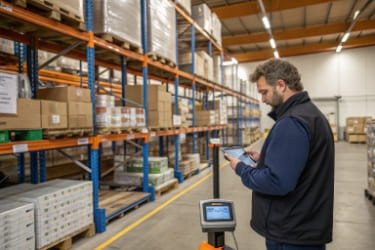
A few years ago, a large logistics company approached us with a major inventory management6 headache. They were losing a significant amount of money due to inaccurate stock counts in their warehouses. Their manual system simply couldn't keep up with the volume of goods moving in and out. After installing our intelligent weighing systems, which were integrated with their Warehouse Management System (WMS)7, they saw a dramatic improvement. Every pallet that entered or left the warehouse was automatically weighed, and the data was instantly sent to the WMS, updating stock levels in real-time. This automated process eliminated manual data entry errors and provided a consistently accurate view of their inventory. It also allowed them to set up automatic reorder alerts when stock levels of certain items fell below a predefined threshold. This not only prevented stockouts of high-demand items but also helped them to reduce excess inventory of slower-moving products, freeing up valuable warehouse space and capital.
Here is a breakdown of how it optimizes inventory:
| Optimization | How it Improves Inventory Management |
|---|---|
| Real-time Tracking | Provides an accurate and up-to-the-minute count of all materials and products. |
| Automated Updates | Eliminates manual data entry and the associated errors by integrating with inventory software. |
| Demand Forecasting | Generates precise data on material usage, which can be used to predict future needs. |
| Reduced Waste | Ensures accurate dispensing of raw materials, minimizing over-consumption and scrap. |
How Can Intelligent Weighing Software Enhance Equipment Efficiency in Manufacturing?
Is your manufacturing equipment experiencing unexpected downtime and underperformance? Without real-time data on equipment health and productivity, it's difficult to identify and address inefficiencies before they escalate into costly problems.
Intelligent weighing software enhances equipment efficiency by providing valuable data for Overall Equipment Effectiveness (OEE) monitoring. By tracking key performance indicators such as availability, performance, and quality, it helps to identify bottlenecks, reduce downtime, and optimize the overall performance of manufacturing assets.
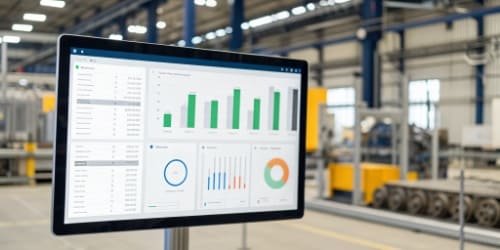
I’ve always been fascinated by the concept of OEE. It's a powerful metric for understanding how well your manufacturing operations are running. I remember working with a client in the automotive industry who was struggling with low OEE scores on one of their critical production lines. They knew there were problems, but they didn't have the data to pinpoint the root causes. By integrating intelligent weighing scales at key points in the line and connecting them to an OEE monitoring software, we were able to provide them with a real-time view of their production process. The software automatically collected data on throughput and waste, which were then used to calculate the OEE for each piece of equipment. The data quickly revealed that a particular filling machine was consistently underperforming, leading to a significant loss in production. Armed with this information, they were able to perform targeted maintenance and adjustments, which resulted in a significant improvement in their OEE. This data-driven approach allowed them to move from reactive problem-solving to proactive optimization.
Let's explore this in more detail:
| Enhancement | How it Boosts Equipment Efficiency |
|---|---|
| Performance Monitoring | Tracks the output of equipment in real-time to ensure it is operating at its target speed. |
| Downtime Analysis | Identifies the root causes of equipment downtime, allowing for targeted improvements. |
| Quality Tracking | Monitors the number of defects and rejects, providing insights into the quality performance of the equipment. |
| Predictive Maintenance | The data collected can be used to predict potential equipment failures before they occur. |
Conclusion
Intelligent weighing software is a powerful tool for modern manufacturing. It streamlines production, enhances quality control, optimizes inventory, and improves equipment efficiency, driving growth and profitability in today's competitive market.
-
Discover how intelligent weighing software can revolutionize your manufacturing processes and improve accuracy. ↩
-
Understand how ERP systems integrate with manufacturing processes to improve efficiency and data management. ↩
-
Learn about techniques that can help optimize manufacturing processes for better efficiency. ↩
-
Learn about the steps manufacturers can take to meet regulatory requirements and avoid costly penalties. ↩
-
Learn how data logging contributes to traceability and compliance in manufacturing processes. ↩
-
Explore strategies to optimize inventory management and reduce costs associated with stock discrepancies. ↩
-
Learn how a WMS can streamline warehouse operations and enhance inventory accuracy. ↩



Comments (0)