
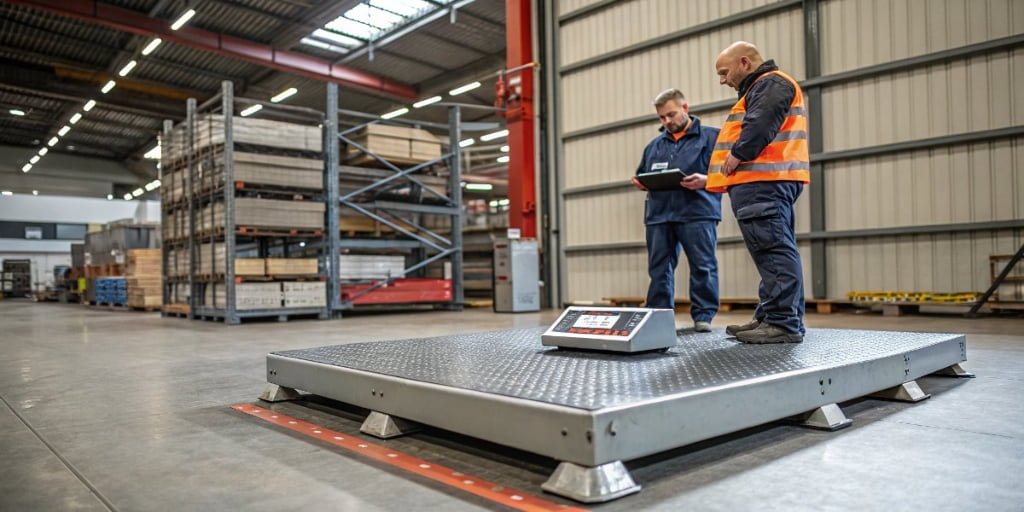
Facing inaccurate readings from an old scale? These errors cost you money and time. Replacing it is the smart move, but the cost can feel like a mystery.
Replacing an industrial scale can range from a few thousand dollars for a basic model to over $100,000 for a complex, customized system like a truck scale. Key factors include capacity, size, technology, and customization needs, which significantly impact the final price.
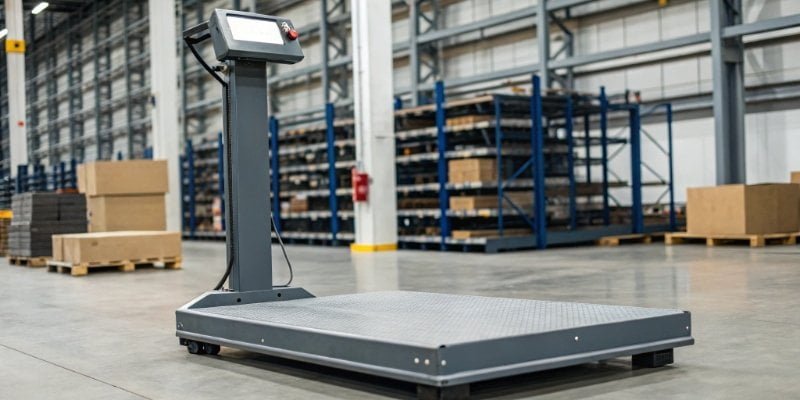
The price tag isn't just a single number. It's a combination of several important factors. Understanding these details helps you make a better investment for your business. Let's look closer at what goes into the cost of a new industrial scale1.
What is the average cost of a truck scale?
Need to weigh entire trucks but worried about the huge cost? Installing a truck scale is a big investment. Here’s a clear breakdown of the expenses involved.
The average cost for a truck scale itself is between $25,000 and $75,000. However, the total project cost, including foundation, installation, and software, can easily push the final price to $100,000 or more, depending on your specific requirements.
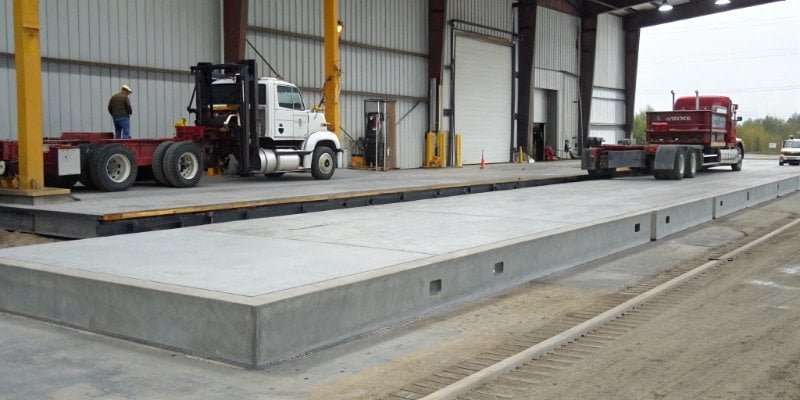
When we talk about a truck scale2, the scale itself is just one piece of the puzzle. Over my 18 years in this industry, I've seen clients focus only on the initial hardware price and get surprised by other costs. That's why we always provide a complete picture. The foundation3 is critical for accuracy4 and can cost between $15,000 and $30,000 depending on your site's soil conditions. Then there's shipping and installation, which requires heavy equipment5 and can add another $10,000 to $20,000. Finally, you have the peripherals6 and software7 that make the scale truly useful. This is where your needs as a software vendor come into play. Integrating our hardware with your systems is a key part of what we do.
Key Truck Scale Cost Components
| Component | Average Cost Range | Notes |
|---|---|---|
| Scale Deck | $25,000 - $75,000 | Steel or concrete deck. Price varies by length and capacity. |
| Foundation | $15,000 - $30,000 | Concrete work for a stable base. Essential for accuracy. |
| Installation & Shipping | $10,000 - $20,000 | Requires cranes and a specialized crew. |
| Software & Peripherals | $5,000 - $15,000+ | Includes indicators, remote displays, printers, and software. |
How much does it cost to calibrate a scale?
Is your scale giving you unreliable data? Inaccurate measurements can lead to big losses. Regular calibration is the simple fix, but what's the real cost?
The cost to calibrate an industrial scale typically ranges from $100 to over $1,000. The price depends on the scale's capacity, type, required precision, and the service provider's travel time and certification.

Calibration is not just a service; it's your insurance against costly errors. The process involves testing your scale against certified, traceable test weights to ensure it measures correctly. The price varies widely because the work involved is so different. Calibrating a small bench scale might take 30 minutes and cost around $100. However, calibrating a large truck scale is a major operation. It requires a dedicated truck carrying tens of thousands of pounds of certified test weights and can cost $1,000 or more per visit. We always tell our clients to think of calibration8 not as an expense, but as an investment in quality control9. A single bad batch of product or a shipment error caused by an uncalibrated scale can cost far more than a full year of calibration services.
Factors Influencing Calibration Cost
- Scale Capacity: Larger scales need heavier test weights and more complex equipment. This directly increases the cost of the service.
- Required Precision: If you work in an industry that needs extremely high accuracy, the calibration process is more detailed and takes longer.
- On-Site Service: Most industrial scales are too big to move. The cost includes the technician’s travel time and expenses to get to your facility.
- Number of Scales: We often provide discounts for calibrating multiple scales during a single visit. This saves you money and minimizes disruption to your operations.
What is the difference between an industrial scale and a commercial scale?
Choosing a scale seems simple, but getting it wrong is costly. An industrial environment demands toughness that a commercial scale just can't offer. Let's clarify the key differences.
Industrial scales are built for durability, high capacity, and harsh environments. They often feature robust materials and customizable software. Commercial scales are designed for retail or light use, prioritizing lower cost over extreme ruggedness and precision under heavy loads.
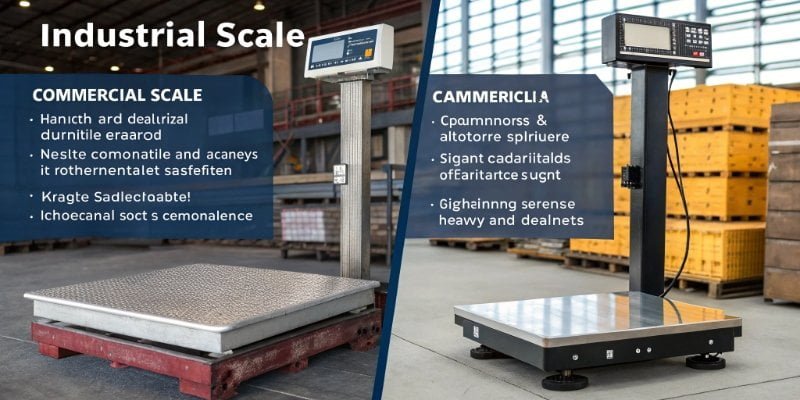
The biggest difference comes down to the environment and the job. A commercial scale10, like one you see at a deli counter, is made for a clean, stable setting. It's usually made of plastic and light metal. An industrial scale is a different beast entirely. We build our scales at Weigherps to survive in dusty, wet, and high-traffic factories. We use heavy-duty steel and seal the electronics to protect them from the elements, often achieving an IP rating for water and dust resistance. My insight from years of manufacturing is this: the higher price of an industrial scale comes from its purpose-built design. It's not just about weighing something; it's about weighing it accurately thousands of times a day, for years, in a tough environment. This requires better materials, more advanced software for things like IoT integration, and specific certifications.
Industrial vs. Commercial Scales: A Comparison
| Feature | Industrial Scale | Commercial Scale |
|---|---|---|
| Environment | Harsh, dusty, wet, high-traffic | Clean, controlled (retail, kitchen) |
| Construction | Heavy-duty steel, IP-rated electronics | Plastic, light-duty metal |
| Capacity | High (100 kg to over 100,000 kg) | Low (up to 30 kg) |
| Customization | High (software, size, function) | Low to none |
| Software | Advanced data logging, process control | Basic price calculation, simple tare |
| Cost | Higher initial investment | Lower cost |
How often do scales need to be calibrated?
You trust your scale's data every day. But what if it's slowly becoming inaccurate? Drifting measurements can silently hurt your profits. Here’s how often to check.
Industrial scales should be calibrated at least once a year. However, for high-use scales, scales in harsh environments, or those critical to quality control, calibration every three to six months is highly recommended.
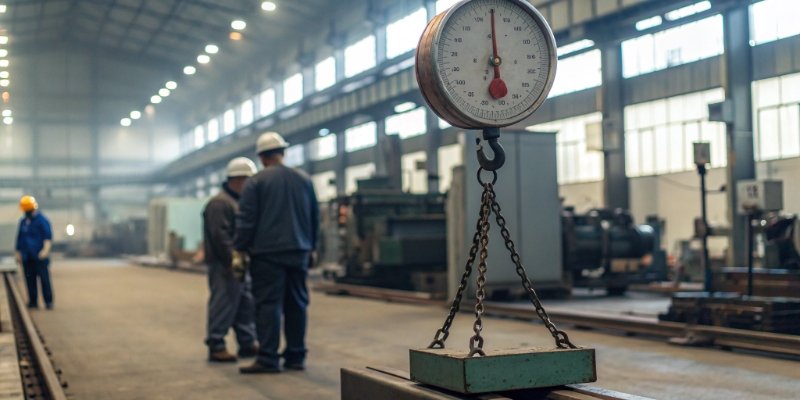
There is no single answer for every scale, but some clear guidelines can help you decide. As a manufacturer, we always provide a recommended schedule based on our product testing. But your specific use case is the most important factor. A scale that is used around the clock will naturally experience more wear and tear than one used only a few times a day. The environment also plays a huge role. Constant vibration, extreme temperature changes, or exposure to moisture can all affect a scale's sensitive components and cause its readings to drift. I remember a client in food processing who tried to save money by stretching their calibration schedule to 18 months. They ended up over-filling small packages for months, losing thousands of dollars in product. Now, they calibrate every six months without fail.
Determining Your Calibration Schedule
- Frequency of Use: The more you use a scale, the more often it needs to be checked.
- Environmental Conditions: Harsh environments require more frequent calibration.
- Criticality of Measurement: If a small error has large financial or safety consequences, you must calibrate more often.
- Internal Quality Policy: Your company’s own quality standards, such as ISO 900111, will often dictate the required calibration interval. We help our clients create these procedures.
Conclusion
Replacing an industrial scale is a key investment in your business's accuracy. Understanding all the costs, from hardware to ongoing calibration, empowers you to make a better, more informed choice.
-
Explore the advantages of industrial scales for accuracy and durability in demanding environments. ↩
-
Learn about the costs and factors involved in installing a truck scale for your business. ↩
-
Learn about the critical role of a solid foundation in ensuring scale accuracy. ↩
-
Learn how regular calibration ensures the accuracy of your measurements. ↩
-
Find out what heavy equipment is required for the proper installation of scales. ↩
-
Explore the essential peripherals that enhance the usability of industrial scales. ↩
-
Discover the software solutions that enhance the functionality of industrial scales. ↩
-
Find out the best practices for calibrating scales to ensure accurate measurements. ↩
-
Explore how calibration is essential for maintaining quality control in production. ↩
-
Clarify the distinctions between industrial and commercial scales for better decision-making. ↩
-
Discover how ISO 9001 standards influence calibration practices in industries. ↩

Comments (0)