
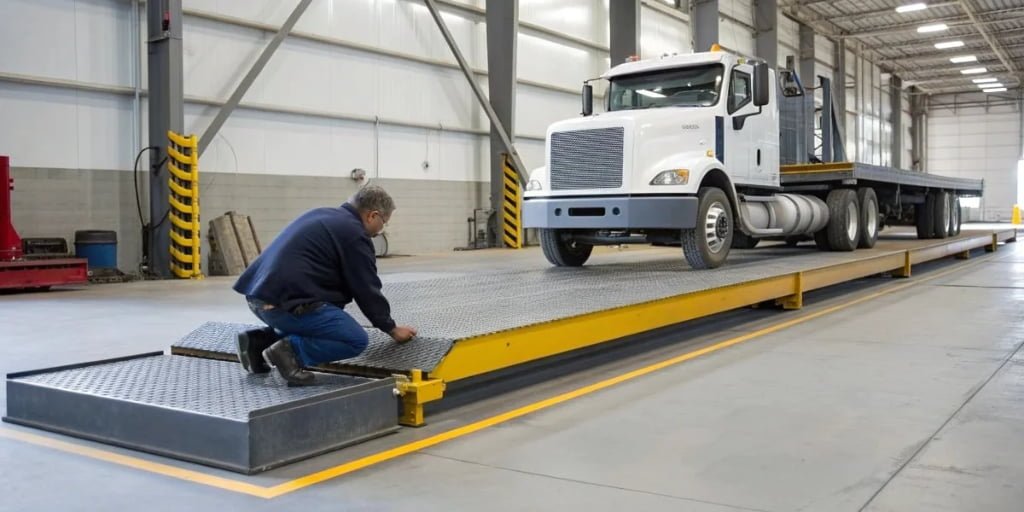
Are you risking fines or lost revenue from inaccurate weighings? An uncalibrated scale can be a costly mistake. Regular calibration is the key, but the frequency can be confusing.
To remain "Legal for Trade," your truck scale must be calibrated at least once or twice a year by a certified technician. However, state or regional regulations and high usage can require more frequent calibrations. Always check your local jurisdiction's specific weights and measures requirements for full compliance.
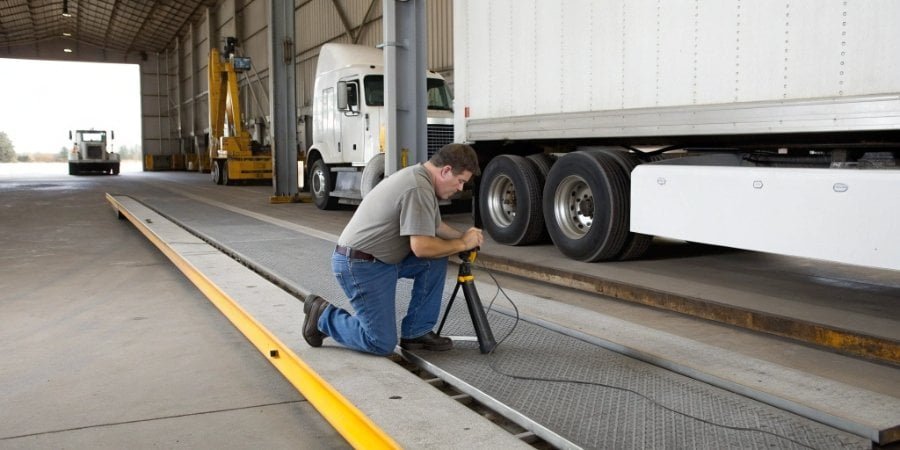
Keeping your scale compliant involves more than just a schedule. It really starts with understanding what the "Legal for Trade" designation means for your business. Without this basic knowledge, you are operating blindly. Let's dive deeper into these critical details to make sure your operations are always protected and profitable.
What does "Legal for Trade" actually mean and why is it important?
Confused by industry jargon like "Legal for Trade"? This term can seem vague. But ignoring its meaning can lead to serious legal and financial consequences for your business operations.
"Legal for Trade" means a scale has been tested and certified to meet government standards for any commercial transaction. It's crucial because it ensures fairness when buying or selling goods by weight, protecting both the buyer and the seller from financial disputes and legal issues.
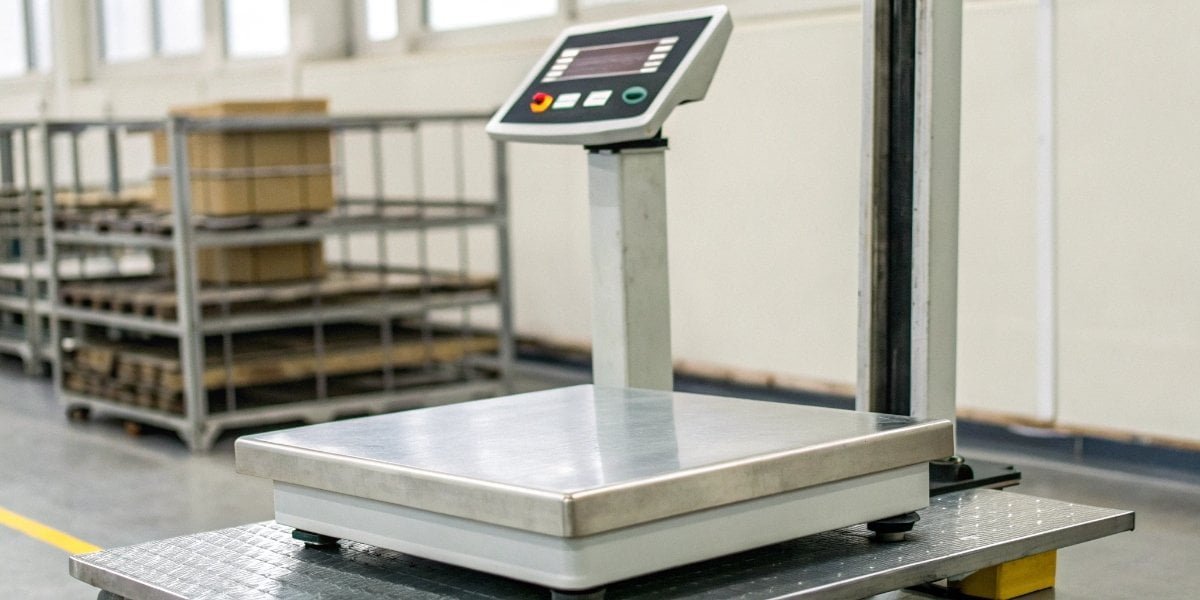
The "Legal for Trade1" (LFT) designation is like a seal of approval. It comes from a governing body, such as the National Type Evaluation Program (NTEP2) in the United States or similar bodies worldwide. This certification confirms that a specific scale model is designed to give accurate and repeatable measurements in commercial settings. Think of it as a clear promise of fairness. When your truck scale3 is LFT certified, it tells your customers and regulatory agents that you are committed to honest business practices. This is vital for industries like logistics, agriculture, and waste management. In these fields, profits are directly tied to weight. Without this certification, your transactions could be challenged, leading to expensive disputes, fines, and a damaged reputation. It builds a foundation4 of trust that is essential for long-term business relationships.
How accurate are truck scales, and what can affect their accuracy?
You assume your truck scale is accurate, but is it really? Small errors can add up to huge losses. Let's explore the factors that threaten your scale's precision every single day.
A certified "Legal for Trade" truck scale is highly accurate, usually to within 0.1% of its capacity. But things like big temperature changes, debris buildup, a shifting foundation, and component wear can greatly reduce this accuracy over time. This leads to wrong readings and money lost.
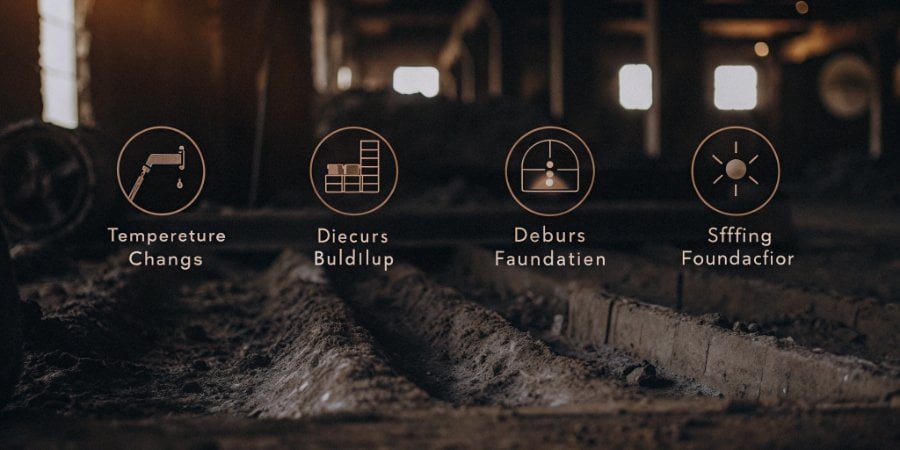
A truck scale's accuracy5 depends heavily on its design and its environment. As a manufacturer, we produce several types, and each has its own things to watch out for.
Common Truck Scale Types
- Fixed Scales: These are the most common. Pit-style scales are installed flush with the ground, while weighbridge6s use ramps for trucks to drive onto. Both are very accurate but can have problems with debris7 and water getting underneath, which can block the weighing mechanism.
- Portable Scales: These axle weighers are mobile and great for temporary sites or checking vehicle loads on the go. They are generally less accurate than permanent scales and need to be placed on perfectly level ground to work correctly.
Key Factors Impacting Accuracy
The table below shows what you need to look out for.
| Factor | Impact on Accuracy |
|---|---|
| Environment | Extreme heat or cold can cause the metal scale deck to expand or contract. |
| Debris | Dirt, ice, or gravel under the scale can get stuck and stop it from moving freely. |
| Foundation | An unstable or shifting concrete foundation will throw off the scale's calibration8. |
| Wear & Tear | Load cells and wiring can degrade over time, especially with heavy, constant use. |
What is the typical lifespan of a truck scale?
Thinking about a new truck scale is a major investment. You expect it to last for many years. But what is a realistic lifespan before problems and costs begin to increase?
A well-maintained, high-quality truck scale can have a lifespan of 15 to 20 years, or even more. However, factors like usage volume, climate conditions, and the quality of maintenance will heavily influence how long the scale performs reliably before needing a major repair or replacement.
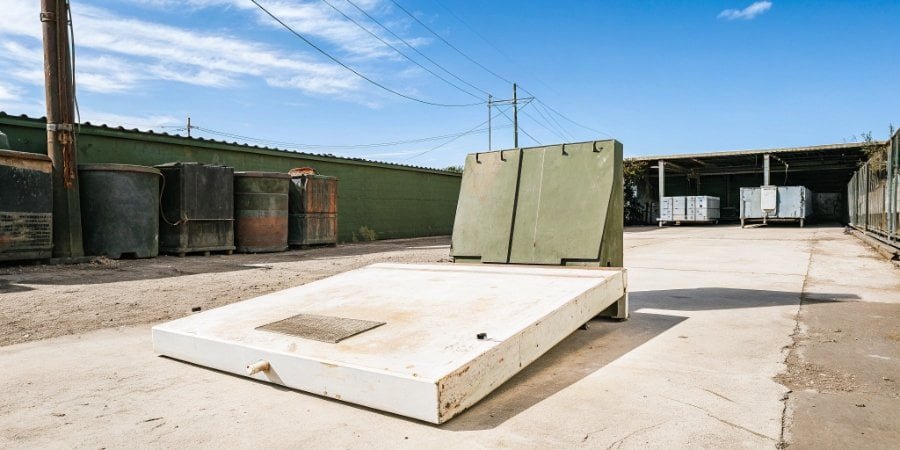
The longevity of a truck scale is not just a random number; it is a direct result of its construction and how well it is cared for. The two main components that determine lifespan are the weighbridge deck and the load cells9.
Deck Material Choices
- Steel Decks: These are very popular because they are easier to install and can be moved if necessary. However, they can be more likely to rust in wet or salty environments. This can shorten their life if they are not maintained with a good coat of paint.
- Concrete Decks: These are extremely durable and resistant to rust. They take longer to install but often have a longer service life, especially in harsh weather conditions.
The load cell system is the heart of the scale. From our 19 years of production experience, we know that high-quality, hermetically sealed stainless steel load cells will last much longer than cheaper, environmentally sealed aluminum versions. Investing in better components from the start directly translates to a longer, more reliable operational life for your scale.
What kind of regular maintenance does a truck scale require?
Is your truck scale a "set it and forget it" piece of equipment? This mindset can lead to costly failures. Proper maintenance is not optional—it’s essential for accuracy and longevity.
Regular truck scale maintenance includes visual inspections, cleaning debris from around and under the deck, checking junction box connections, and testing for accuracy. These tasks, combined with professional annual or semi-annual calibrations, ensure the scale remains reliable and ready for trade.
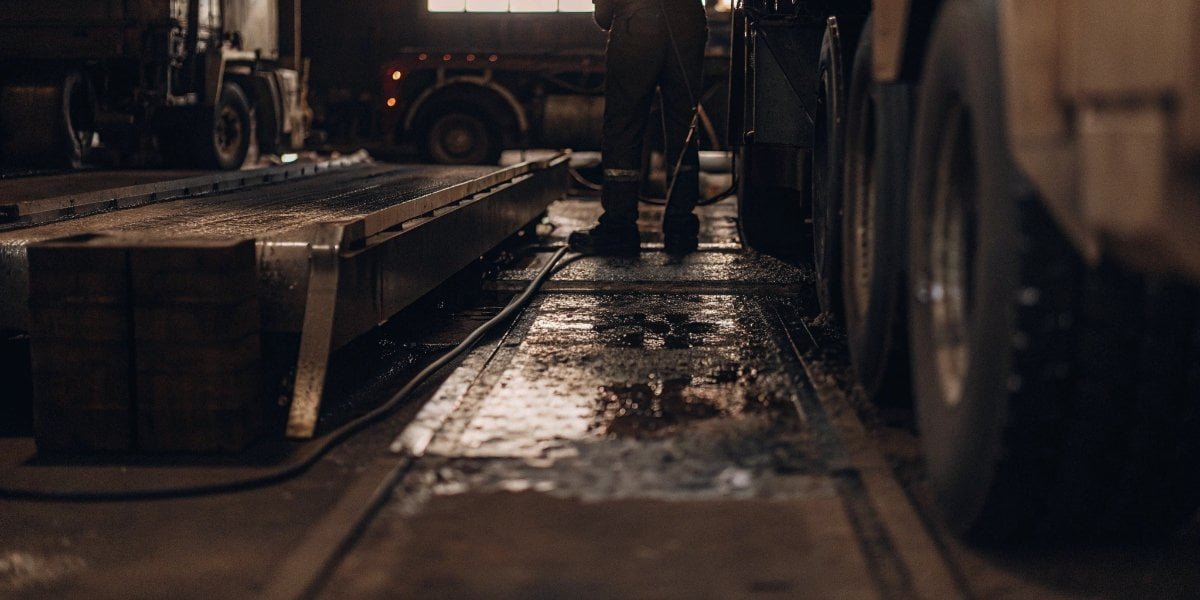
Proactive maintenance is the best way to protect your truck scale investment. It stops small issues from becoming expensive repairs. We have seen firsthand how simple checks can significantly extend a scale's life. Here is a basic maintenance10 checklist that anyone can follow to keep their scale in top condition.
Simple Maintenance Checklist
- Daily/Weekly:
- Visually inspect the scale deck for any signs of damage or anything sitting on it.
- Make sure the area between the scale deck and the foundation is completely clear of all debris, including dirt, gravel, snow, and ice. A blocked gap is a common cause of errors.
- Monthly:
- Check that the scale returns to a zero reading when it is empty. If it does not, it may need recalibration.
- Inspect load cell cables for any signs of damage, especially from rodents chewing on them.
- Annually:
- You must schedule a professional inspection and calibration service. A certified technician11 will perform deep tests and make any needed adjustments. This is not optional for keeping your scale "Legal for Trade".
Conclusion
Regular calibration and diligent maintenance are not just requirements. They are essential practices that protect your profits, ensure fairness, and extend the life of your valuable truck scale investment.
-
Understanding this term is crucial for compliance and avoiding legal issues in your business. ↩
-
Understanding NTEP certification is vital for ensuring your scale meets legal standards. ↩
-
Learn about the functionality and advantages of truck scales for accurate weight measurements. ↩
-
A stable foundation is crucial for maintaining the precision of your scale. ↩
-
Understanding accuracy factors helps in maintaining reliable weight measurements. ↩
-
Explore the design and application of weighbridges in weight measurement. ↩
-
Learn how to keep your scale free from debris to ensure accurate readings. ↩
-
Discover the significance of calibration in maintaining accuracy and compliance. ↩
-
Learn about the critical components that ensure accurate weight readings. ↩
-
Proper maintenance extends the life of your scale and prevents costly repairs. ↩
-
Finding a qualified technician ensures your scale meets legal standards and operates correctly. ↩



Comments (0)