
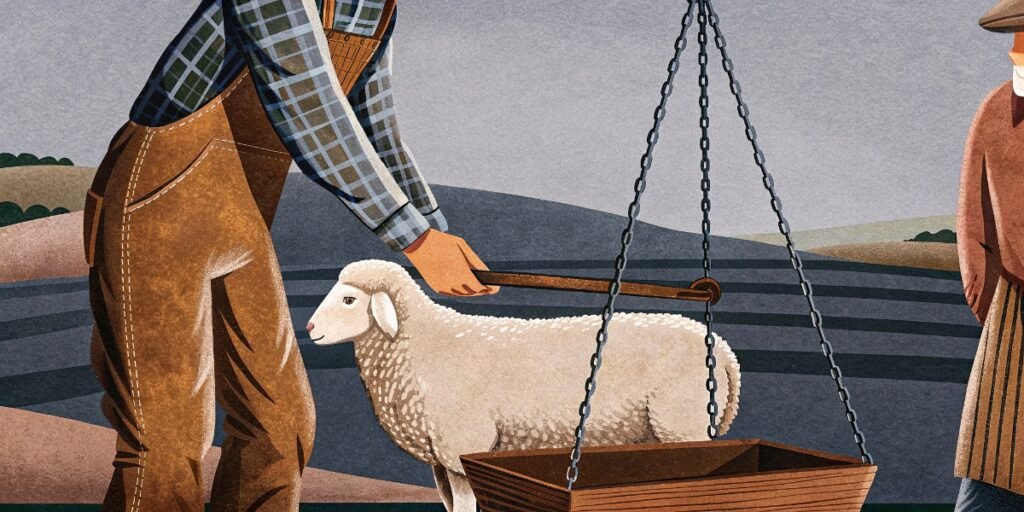
Are you unsure if you're weighing your sheep enough or too much? This uncertainty can lead to missed health issues or wasted effort, impacting your farm's bottom line.
The ideal weighing frequency for sheep depends on their age and purpose. Fattening lambs should be weighed every 10-14 days, while breeding ewes generally need weighing monthly. This targeted approach ensures you have the right data for every stage of production.
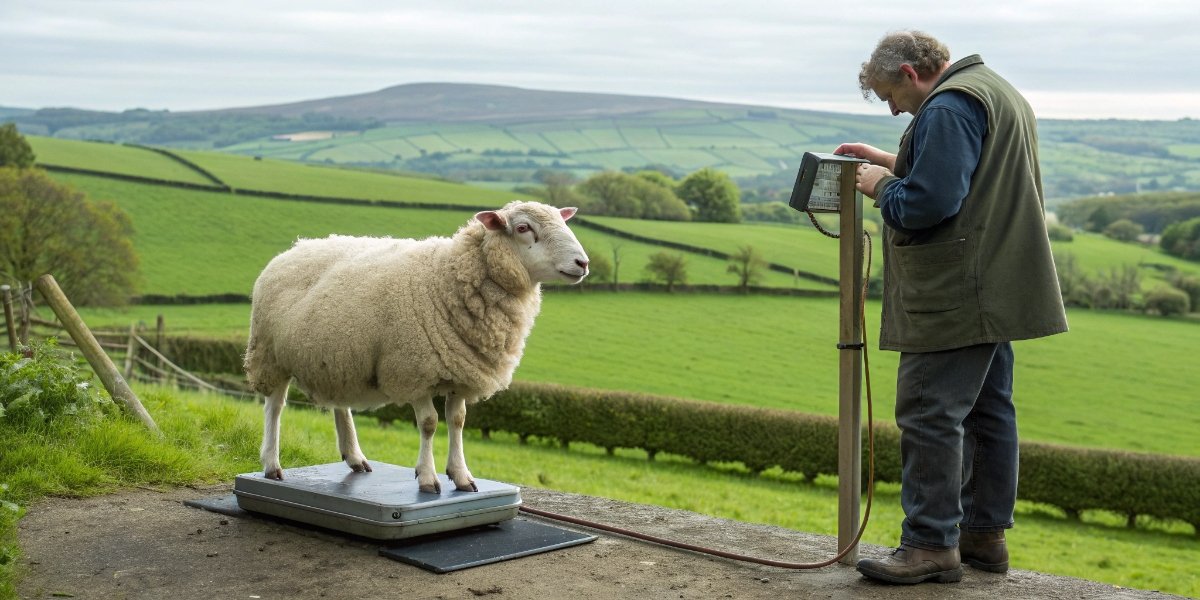
Weighing is one of the most powerful management tools you have. It moves you from guessing to knowing. With accurate weight data, you can make informed decisions that directly affect your flock's health and your farm's profitability. Let's break down the "how often" for different types of sheep so you can build a schedule that works for you.
How often should you weigh lambs?
Your lambs are growing fast, and you worry about missing critical growth targets. Falling behind can affect their final market weight and your overall profit for the season.
Weigh lambs weekly before weaning to monitor their progress and mother's milk supply. After weaning, switch to every 15 days. This schedule helps you track their growth curve and ensure they hit key weight milestones, like reaching 15kg by 50 days old.

For lambs, weight is the primary indicator of health and performance. Following a structured weighing schedule gives you the data you need to intervene early if something is wrong. As an OEM manufacturer of scales for 18 years, we've designed systems specifically to make this process fast and simple.
Tracking Lamb Growth Stages
A lamb's life has distinct phases, each with its own weighing needs. By tracking weight closely, you can optimize their development at every step. A slow start can be hard to recover from, so early data is crucial.
Here is a simple schedule we recommend to our clients:
| Lamb Stage | Weighing Frequency | Key Goal | Why It's Important |
|---|---|---|---|
| Pre-Weaning | Weekly | Reach target weaning weight | Assesses mother's milk production and identifies weak lambs early. |
| Post-Weaning | Every 15 days | Maintain steady growth | Monitors the transition to solid food and detects health setbacks1. |
| Fattening | Every 10 days | Maximize daily gain | Allows for fine-tuning feed rations2 to achieve target market weight efficiently. |
I remember one season where our post-weaning data showed a group of lambs were not gaining as expected. We quickly found an issue with our feed mix. Thanks to our bi-weekly weigh-ins, we corrected it before it became a major financial loss.
How often should you check on sheep?
You know weighing is important, but what about general checks? A sick sheep can decline rapidly, and you worry you might not spot the signs in time.
You should visually check your entire flock at least once a day, but twice is better. These daily checks are for spotting immediate issues like injury, illness, or distress, separate from your scheduled weigh-ins.
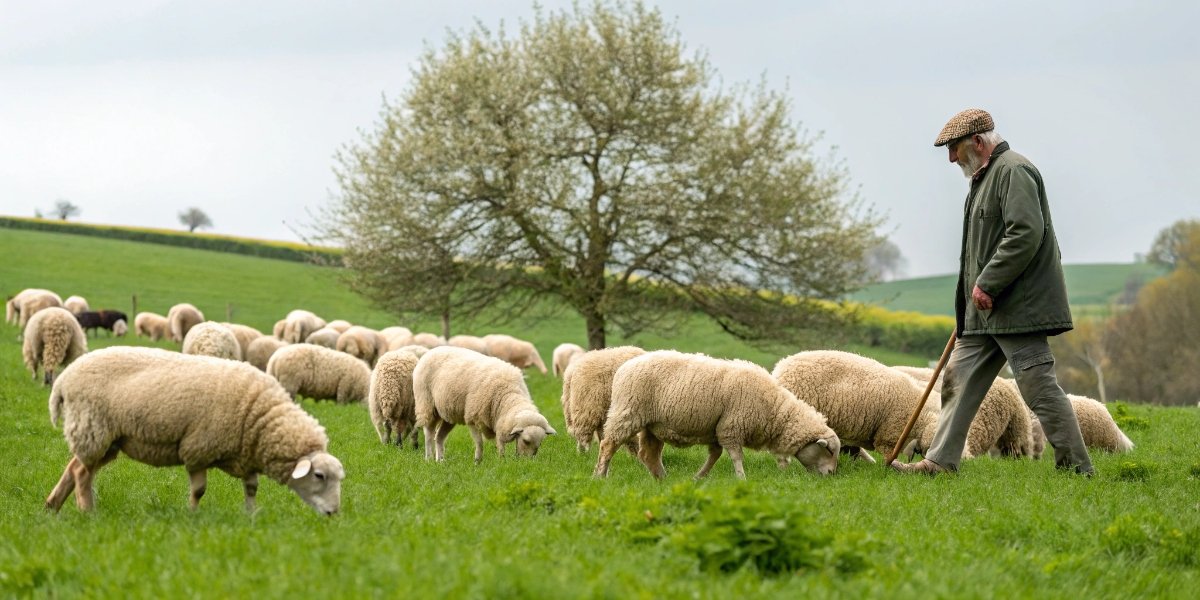
Your own eyes are your first line of defense. A daily walk-through helps you get familiar with your flock's normal behavior, so you can easily spot when something is off. This habit is just as important as putting them on a scale. Our most successful clients combine visual checks with data from our scales for complete flock management.
The Daily Health Check Routine
While scheduled weighing tracks long-term trends, daily visual checks are about immediate animal welfare. Think of it as the difference between a routine doctor's appointment and an emergency room visit. You need both to ensure complete health coverage. During your daily check, you are looking for anything out of the ordinary, such as a sheep that is isolated from the flock, limping, coughing, or just looks uncomfortable.
This practice complements your weighing schedule perfectly.
| Check Type | Frequency | Purpose |
|---|---|---|
| Visual Health Check | Daily (1-2 times) | Spot immediate signs of illness, injury, or parasites. |
| Scheduled Weighing | Weekly to Monthly | Track long-term growth, condition, and feed efficiency. |
If you spot a sheep looking unwell during your morning check, that is your cue for an unscheduled weigh-in. Sudden weight loss is one of the clearest signs that a sheep needs attention. This combination of daily observation and precise measurement allows you to act fast and often prevent a small problem from becoming a big one.
Why is weighing sheep important?
You might see weighing as a time-consuming chore with unclear benefits. But managing a flock without data is like driving with your eyes closed, risking both animal health and profit.
Weighing sheep is crucial for managing feed efficiency, monitoring health, making smart breeding choices, and timing sales for maximum profit. It transforms guesswork into precise, data-driven farm management.

Think of a good scale not as an expense, but as an investment that pays for itself. The data it provides is the foundation for almost every important decision you make. As a manufacturer, we don't just sell scales; we provide a tool that empowers farmers to be more productive and profitable.
Using Weight Data for Smarter Decisions
Regular weighing gives you objective information to improve multiple areas of your operation. It’s the single best way to measure performance and efficiency. By analyzing weight trends3, you can fine-tune your entire system, from feeding to breeding.
Here’s how weighing directly impacts your success:
| Management Area | Benefit of Regular Weighing |
|---|---|
| Profitability | Optimize feed costs by matching rations to growth rates and determine the perfect time to sell. |
| Health | Get early warnings for internal parasites, disease, or dental problems before visible signs appear. |
| Breeding | Identify your fastest-growing lambs and most productive ewes to select the best genetics for your flock's future. |
We work with software vendors who integrate our scale data into farm management apps. This allows farmers to see growth charts and performance data with a single tap. It’s no longer about a number on a scale; it’s about having actionable insights at your fingertips to drive growth.
How often should I shear my sheep?
Shearing feels like a straightforward annual task, but you wonder if once a year is always the best approach. Poor timing can lead to animal stress or a lower-quality fleece.
Most sheep are shorn once a year, typically in the spring before lambing and hot weather begin. However, some long-wool breeds or flocks in warmer climates may benefit from being shorn twice a year.
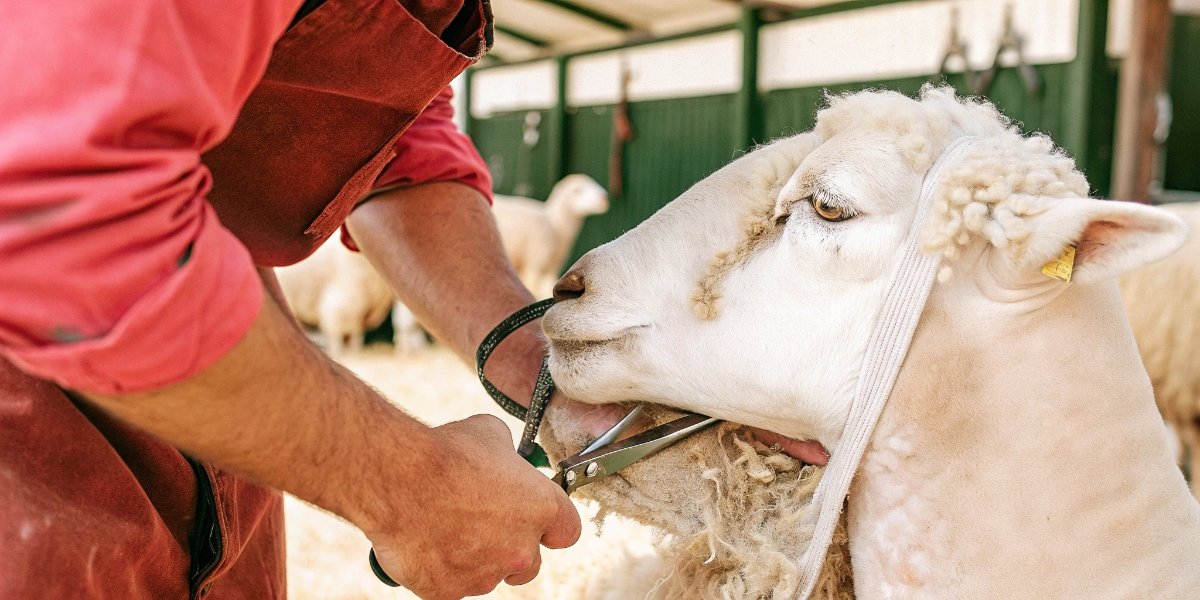
The right shearing schedule4 depends mainly on your breed, climate, and management system. The primary goal is always the health and comfort of the animal, which in turn affects their productivity. As a business focused on expert weighing solutions, we know that good management practices like shearing and weighing go hand in hand.
Timing Your Shearing Schedule
Choosing when to shear is a strategic decision. Spring shearing is popular for a reason: it helps keep ewes clean during lambing and prepares the entire flock for summer heat. A heavy wool coat in hot weather can cause significant stress and reduce an animal's appetite and growth.
However, there are other options to consider.
| Shearing Frequency | Best For | Key Considerations |
|---|---|---|
| Once a year (Spring) | Most breeds and climates | Timing is critical to avoid cold snaps post-shearing and to have it done before lambing. |
| Twice a year | Long-wool breeds, warmer climates | Results in a cleaner fleece and reduces the risk of flystrike, but labor costs are higher. |
Shearing also provides the perfect opportunity to assess the Body Condition Score (BCS)5 of your sheep. Without the wool, you can easily feel the animal's spine and ribs to judge their fat cover. I always recommend my clients get an accurate weight right after shearing. This weight, combined with a hands-on BCS assessment, gives you the most complete picture of your sheep's health and condition.
Conclusion
Strategic weighing is not a chore; it is a powerful tool. It provides the data you need for better flock health, increased productivity, and greater farm profitability.
-
Identifying health setbacks early can prevent larger issues and improve flock welfare. ↩
-
Fine-tuning feed rations based on weight data maximizes growth and efficiency. ↩
-
Analyzing weight trends provides insights for improving overall flock management. ↩
-
A proper shearing schedule is crucial for sheep health and fleece quality. ↩
-
BCS is an important measure of sheep health, helping to assess their nutritional status. ↩



Comments (0)