
Inaccurate scales are a hidden cost to your business. You worry that small measurement errors are causing big production problems. There is a simple, effective way to verify your scale's accuracy.
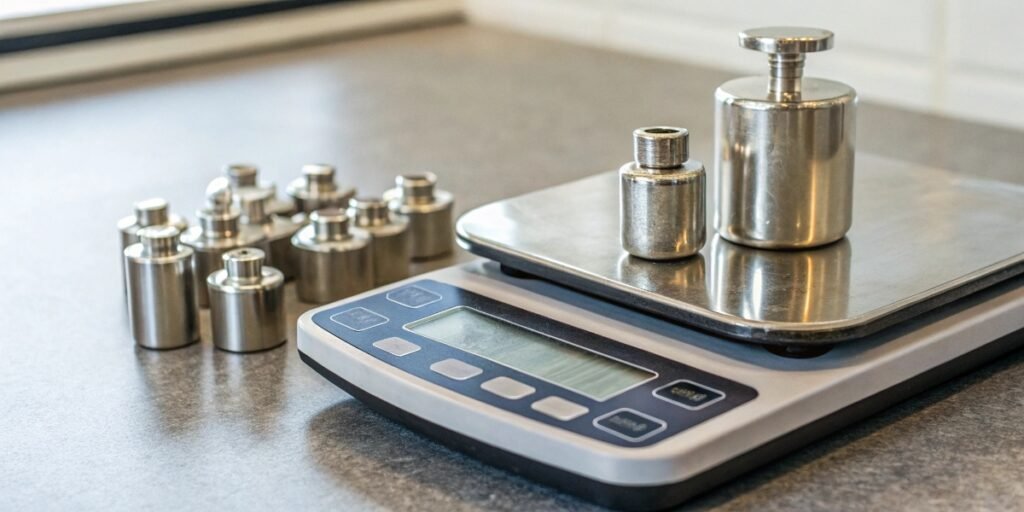
To check if a scale is calibrated, the best method is to use certified calibration weights. Place a known weight on the scale and check the reading. If the reading matches the weight's value, it's accurate. If not, the scale needs recalibration to ensure measurement integrity.

This simple check is the first step toward measurement confidence. But knowing if a scale is accurate is different from understanding the deeper signs of miscalibration or how to perform an adjustment. This knowledge is crucial for maintaining a reliable operation. Let's explore the specific actions you can take to make sure your weighing equipment is always trustworthy.
How do you know if a scale is calibrated?
You have a feeling your scale might be inaccurate, but you are not sure. This uncertainty can cause delays and errors throughout your entire production line. You can look for specific signs.
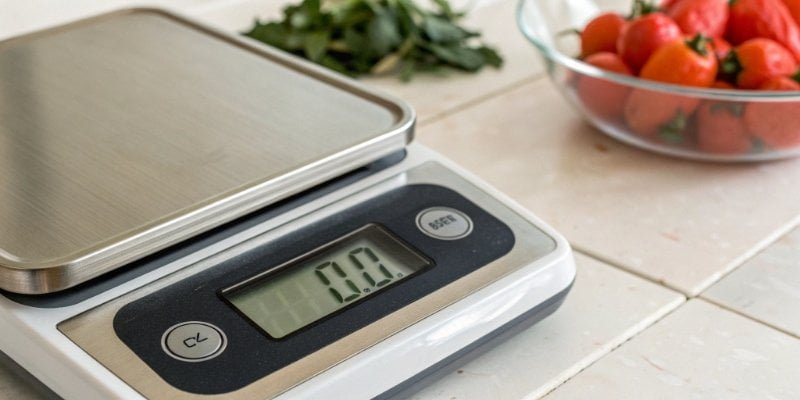
You know a scale is calibrated if it consistently shows zero with nothing on it and accurately displays the mass of a known calibration weight. Good signs also include repeatability, where weighing the same object multiple times gives you the exact same result every time.
As an industrial scale manufacturer with over 19 years of experience, I've taught countless clients how to spot a problem before it escalates. It's about more than just one reading. You need to look for a pattern of stability and consistency. A well-calibrated1 scale is a reliable tool. An uncalibrated one is a source of unpredictable errors that can compromise your data integrity2, a major concern for our partners in the software industry who rely on accurate inputs. A quick visual check and a few simple tests can tell you almost everything you need to know.
Key Indicators of Calibration Status
| Sign of a Calibrated Scale | Sign of an Uncalibrated Scale |
|---|---|
| Scale returns to zero after use. | Display shows a value when empty. |
| Reading is stable and doesn't drift. | The numbers on the display fluctuate. |
| Consistently weighs the same object correctly. | Different readings for the same object. |
| Accurate across different weight ranges. | Inaccurate with very light or heavy loads. |
These quick checks are your first line of defense. They are habits that protect your operations from the gradual drift that affects all electronic equipment over time.
How can I check if my weighing scales are accurate?
You need to verify your scale's accuracy but don't have professional test weights nearby. You wonder if an everyday object is good enough for a quick check. For a rough estimate, yes.
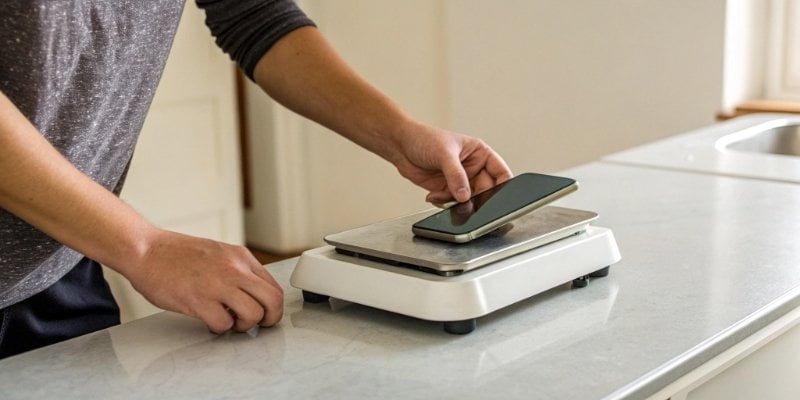
The most reliable way to check accuracy is with standard calibration weights. If a certified weight is unavailable, use an object with a known, stable mass, like a new coin or a sealed food package. This test is not precise but can reveal major accuracy problems.
In our business, we always recommend the best possible method. For our clients in wholesale, retail, or any field where a product's price is tied to its weight, precision is everything. The same applies to software vendors integrating IoT weighing systems; the hardware must provide flawless data. However, I also understand the need for a practical, on-the-spot solution. The method you choose depends on your requirements for accuracy.
Methods for Checking Accuracy
There are two main approaches to checking your scale's accuracy.
Using Certified Weights
This is the gold standard. Certified weights are manufactured to very tight tolerances and are traceable to national or international standards. Using them is the only way to be certain your scale complies with industry regulations.
Using Everyday Objects
For a non-critical check, you can use items with a government-regulated or manufactured weight. Think of a can of soda (e.g., 355ml of liquid is 355g, plus the can) or new currency coins. This method is useful for identifying significant drift but is not a substitute for a true calibration check.
| Method | Pros | Cons |
|---|---|---|
| Certified Weights | Highly accurate, traceable, legally compliant | Higher initial cost, requires proper handling |
| Everyday Objects | Inexpensive, readily available | Inaccurate, not traceable, not for official use |
How to check the calibration of a weighing scale?
You know you need to check your scale, but the process seems confusing. You are not sure where to begin the process. You can just follow these simple, clear steps to success.
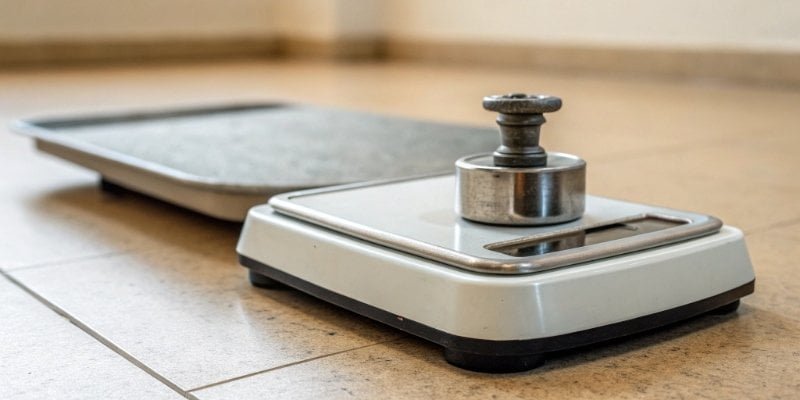
First, ensure the scale is on a level, stable surface and reads zero. Then, place a certified calibration weight on the platform's center. Record the reading. The difference between the reading and the actual mass of the weight is your measurement error.
After helping clients set up thousands of weighing systems, I can tell you that a methodical process always yields the best results. Rushing this check can give you false confidence. Treat it like a mini-science experiment. Your goal is to get a clear, undeniable result. This process removes doubt and gives you a precise understanding of your scale's performance. For our customers implementing automated systems, this procedure is often built into their regular quality assurance protocols.
A Step-by-Step Guide
- Prepare the Scale: Place it on a firm, level surface away from vibrations or air drafts. Turn it on and let it warm up for the time specified in the manual, often 30 minutes.
- Perform the Zero Test: Make sure the platform is empty and clean. Press the "Zero" or "Tare" button. The display should read exactly "0.00".
- Use a Test Weight: Gently place a certified test weight3, ideally one that is around 50-75% of the scale's maximum capacity, in the center of the platform.
- Analyze the Results: Wait for the reading to stabilize. Compare this reading to the known value of your test weight. A small deviation might be within the manufacturer's specified tolerance. A large deviation means calibration is required.
How do you calibrate a scale?
Your accuracy check failed, and the scale clearly needs adjustment. Trying to calibrate it yourself without guidance can make the problem worse. The good news is that most modern scales have a simple, built-in calibration mode.
To calibrate a scale, enter its calibration mode by pressing a specific button sequence found in the user manual. The scale's display will then prompt you to place a specific calibration weight on the platform. After the reading stabilizes, the scale automatically adjusts its internal settings.
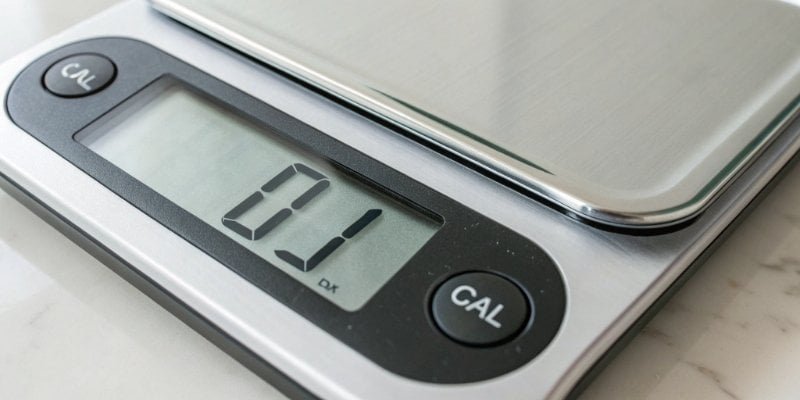
It is important to understand that checking accuracy and performing a calibration are two different tasks. Checking is a simple verification. Calibrating is an electronic adjustment4 that realigns the scale's software with a known physical mass. At Weigherps, we design our scales to make this process as straightforward as possible, because we know our clients need equipment that is easy to maintain. However, you must always use the exact weight specified by the manufacturer. Using the wrong weight will result in an incorrect calibration.
The Calibration Process
Calibration should always be done according to the manufacturer's instructions5. A general process looks like this:
Accessing Calibration Mode
Most scales require you to press and hold a button or enter a code to start the calibration routine. The display will usually change to "CAL" or a similar indicator.
Using the Correct Weights
The scale will then flash the exact weight value it needs for calibration (e.g., "1000.0 g"). It is critical you use a certified weight of that exact value. Do not use a different weight.
Final Verification
After the scale accepts the calibration weight and returns to normal weighing mode, you should perform another accuracy check6. Place the calibration weight on the scale again to confirm that the reading is now accurate. Many of our industrial scales support both external calibration7 (with weights) and internal calibration8 (using a built-in motorized weight), providing flexibility for different operational needs and environments.
Conclusion
Regularly checking your scale's calibration with standard weights is essential. This step ensures accuracy, prevents errors, and maintains the reliability of your entire production and sales process.
-
Understanding calibration helps ensure your scale provides accurate measurements, crucial for reliable operations. ↩
-
Data integrity ensures reliable inputs for decision-making, impacting overall business performance. ↩
-
Choosing the right test weight is crucial for accurate calibration, ensuring your scale meets required standards. ↩
-
Electronic adjustment realigns your scale's software with physical mass, ensuring accurate readings. ↩
-
Following manufacturer's instructions ensures proper calibration, preventing errors and maintaining scale integrity. ↩
-
Regular accuracy checks are vital for maintaining measurement precision and preventing operational errors. ↩
-
External calibration is essential for precise adjustments, especially in critical weighing applications. ↩
-
Internal calibration offers convenience and accuracy, making it easier to maintain scale performance. ↩


Comments (0)