
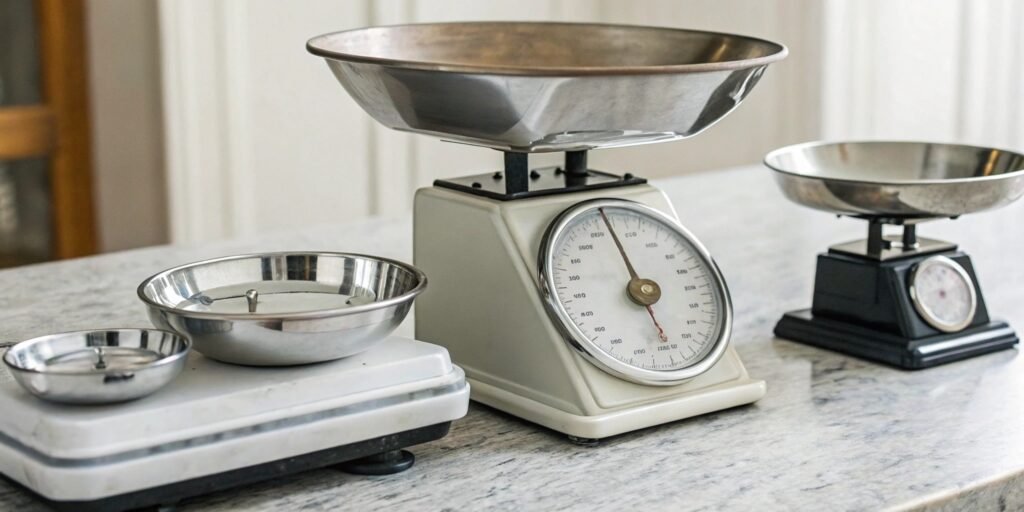
Struggling to pick the right scale? A wrong choice can disrupt your operations and cost you money. Let me guide you to the perfect weighing solution for your business.
To choose the best weighing scale, you must first define its use case. Match the scale’s capacity, accuracy, and features to your specific task, whether it's for a commercial, industrial, or laboratory environment. Also, consider the brand's reputation and after-sales support before buying.

Choosing a weighing scale seems simple on the surface, but it's a decision that directly impacts your efficiency, accuracy, and bottom line. As someone who has been manufacturing industrial scales1 for 18 years, I've seen firsthand how the right equipment can transform a business. The wrong one, however, can be a constant source of frustration. This guide will walk you through the process step-by-step, ensuring you make a choice that empowers your work, not hinders it. Let's make sure your investment pays off.
What are the key factors to consider when choosing a weighing scale?
Confused by technical specs like capacity and readability? Focusing on the wrong details leads to buying a scale that doesn't fit your needs. Let’s clarify the most important factors.
The key factors are your application, the required accuracy, the maximum weight (capacity), and specific features you need. Also, think about the environment where the scale will be used and the brand’s after-sales service. Getting these right is crucial for a smart purchase.
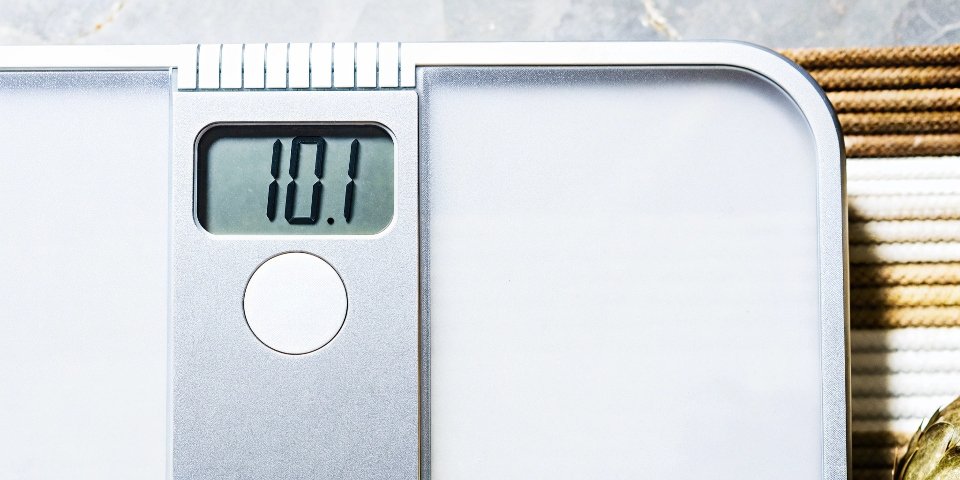
When I consult with clients, especially those in tech who need to integrate scales with their software, we always start with the basics. It’s not just about the numbers; it's about the entire ecosystem the scale will operate in.
Understanding the Core Requirements
First, think about what you are weighing. Is it small components or large pallets? This determines the capacity (the maximum weight the scale can handle) and readability (the smallest increment it can display). Don’t overpay for precision you don't need, but never compromise if your work demands it.
Matching Features to Your Workflow
Next, consider the functions that will make your job easier. Basic features like Tare (zeroing out a container's weight) are standard. But you might need more.
- Counting: Essential for inventory management.
- Waterproof/Dustproof (IP rating): A must for wet or dusty environments.
- Connectivity: Bluetooth or Wi-Fi for sending data to your systems is a huge plus for software providers.
Here is a simple table to help you organize your thoughts:
| Factor | Question to Ask Yourself | Example |
|---|---|---|
| Application | What am I weighing and where? | Parts in a factory, packages in a warehouse. |
| Capacity | What is the heaviest item I need to weigh? | Choose a 3-ton scale for items up to 2.5 tons. |
| Accuracy | How precise do my measurements need to be? | Lab work needs 0.001g; logistics can use 100g. |
| Features | What functions will save me time? | Parts counting, data output, price calculation. |
| Environment | Will the scale be in a wet, dusty, or hazardous area? | Food processing needs a stainless steel, IP67 scale. |
Thinking through these points will give you a clear specification sheet for your ideal scale.
How do you determine which type of weighing scale is best for your needs?
Looking at bench scales, floor scales, and platform scales can be confusing. If you pick the wrong type, it won't fit your workspace or handle your products correctly.
Determine the best scale type by analyzing your workflow. For small items on a table, use a bench scale. For heavy pallets, use a floor scale. For high-precision tasks in a clean room, you need a laboratory balance. The physical nature of your work dictates the choice.
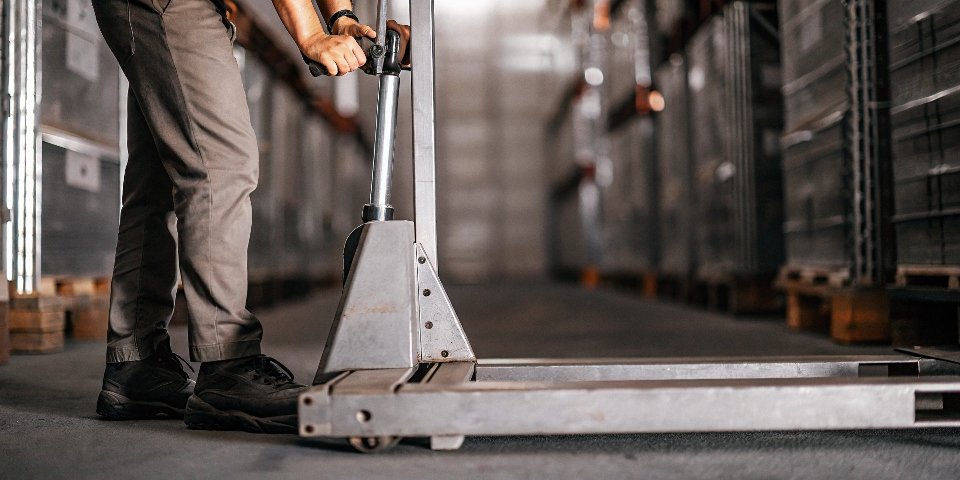
Over my years in this industry, I’ve found that the best way to select a scale type is to visualize it in your workspace. Let’s break it down by common business settings.
Commercial and Retail Environments
If you run a shop, market, or shipping counter, your needs are specific. You're likely weighing items directly for customers or for shipping.
- Price-Computing Scales: These are perfect for retail. They calculate the price based on weight and often have dual displays for you and the customer. Most have a capacity of around 30kg.
- Bench Scales: For a mailroom or a small workshop, a compact bench scale is ideal. They are versatile for weighing packages and components, usually with capacities from 1kg to 300kg.
Industrial and Warehouse Operations
This is my main area of expertise. The factory floor and warehouse have tough requirements.
- Platform and Floor Scales: When you are weighing heavy boxes, drums, or pallets, you need a robust solution. Floor scales are low-profile and can be installed in a pit to be flush with the floor, making them easy to access with pallet jacks. They handle weights from 500kg to 10 tons or more.
- Crane Scales: For weighing oversized or awkwardly shaped items that are difficult to place on a floor scale, a crane scale is the answer. You simply hang it from a hoist.
Laboratory and Specialized Fields
In a lab or for quality control2, precision is everything.
- Precision and Analytical Balances: These are high-precision instruments for weighing very small quantities, often with accuracies of 0.1g down to 0.0001g. They usually feature a draft shield to protect the weighing pan from air currents.
The right type of scale fits seamlessly into your process, saving you time and effort every single day.
What's the difference between accuracy and readability in a weighing scale?
You see "accuracy" and "readability" on spec sheets, but they seem the same. Confusing them can lead to buying a scale that looks precise but isn't actually accurate for your needs.
Accuracy is how close the scale's measurement is to the true, correct weight. Readability (also called division or resolution) is simply the smallest increment the scale can display. A scale can have high readability but poor accuracy.

This is one of the most common points of confusion I clarify for my clients, especially technical directors who need reliable data for their systems. Let me use an analogy.
Imagine two wristwatches. One has a second hand (high readability), but it runs five minutes fast (low accuracy). The other has no second hand (lower readability), but it shows the correct hour and minute (high accuracy). You would trust the second watch more for telling time. It's the same with scales.
Defining the Terms
- Accuracy: This is the most important quality. It's the scale's ability to provide a measurement that matches the real-world value. It is determined by the quality of the load cell, electronics, and proper calibration. An accurate scale is a reliable one. In our factory, every scale is tested against certified weights to guarantee its accuracy before it leaves our quality control department.
- Readability: This is just the smallest digit shown on the display. A scale might read to 0.1g, but if its accuracy is only ±0.5g, that last digit isn't entirely meaningful.
Here's how they relate:
| Concept | Description | Why It Matters |
|---|---|---|
| Accuracy | Closeness to the true weight. | Ensures your data is correct for billing, formulation, or compliance. |
| Readability | The smallest displayed increment (e.g., 0.1g, 1g). | Tells you the level of detail the scale shows, not its correctness. |
As a buyer, you should always prioritize certified accuracy. High readability is only useful if it is backed by a corresponding level of accuracy. Always ask a potential supplier about how they verify the accuracy of their products.
How to compare top weighing scale brands before making a purchase?
Your business relies on accurate data, so choosing a brand is a big deal. Picking a brand based only on price can lead to poor quality and nonexistent support later on.
Compare brands by examining their industry experience, product certifications (like CE), quality control processes, and after-sales support guarantees. Also, check if they offer customization for your market, as this shows deep technical expertise and a customer-focused approach.

When you're a purchasing manager or technical director, your reputation is tied to the suppliers you choose. I understand that completely. After 18 years of being an OEM/ODM manufacturer for global brands, I've learned what separates a reliable partner from a simple seller.
Look Beyond the Product Itself
A great product is just the starting point. When you are vetting a brand, ask these questions:
- What is their quality control process? For example, at Weigherps, every single scale undergoes comprehensive testing for weight, battery, software, and durability before shipment. A brand that can't detail its QC process is a red flag.
- What certifications do they hold? International certifications like CE show that the products meet high safety and quality standards.
- What does their after-sales support look like? Your scale is a long-term tool. A brand should offer a solid warranty (we provide 12 months) and have a dedicated technical team ready to help. Responsive support is critical, especially when you have integration questions.
The Power of Customization
One of the strongest indicators of a brand's capability is its ability to customize. Standard, off-the-shelf products don't fit every need. A partner who can work with you to develop a targeted, cost-effective weighing solution understands the market deeply. This is especially true for software vendors who need specific communication protocols or hardware integration. It shows that the brand is not just a box-mover but a true weighing expert invested in your success. A willingness to create custom solutions means they have the R&D, production, and supply chain strength to be a long-term, reliable partner.
Conclusion
Choosing the right scale comes down to matching its application, accuracy, and features to your needs. Always check a brand's quality control, support, and certifications to ensure a reliable investment.



[…] circuit boards. This moisture can cause short circuits and permanent damage. Scales with a high IP rating5 (like IP67 or IP68) are sealed against moisture ingress, protecting them from this exact […]