
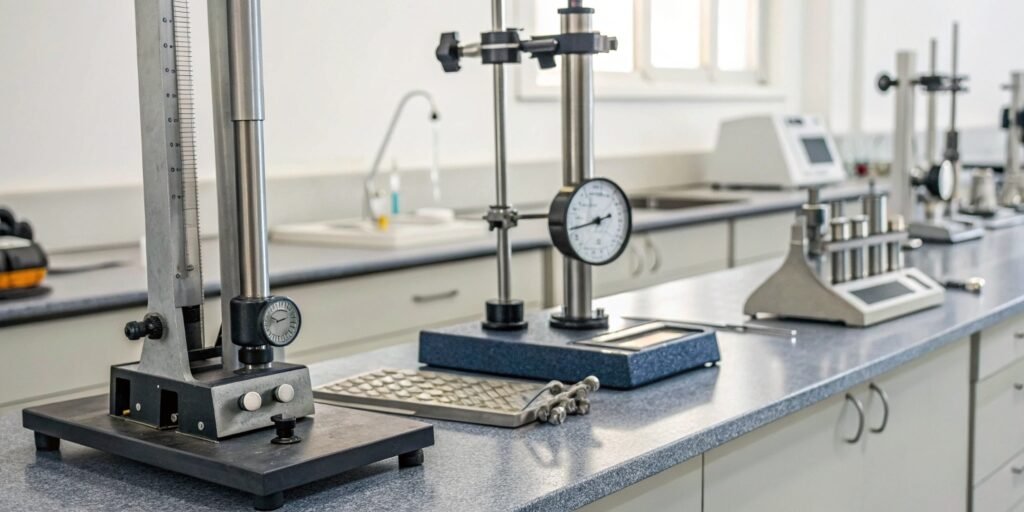
Inaccurate scales cause production errors and compliance failures. These issues hurt your profits and reputation. A solid SOP ensures consistent accuracy and protects your business from these risks.
A robust scale calibration SOP defines your entire process. It includes the scope of scales, personnel qualifications, step-by-step calibration procedures, data recording standards, and clear protocols for handling calibration failures. This document ensures consistency and accuracy for all your weighing operations.

Creating this document might seem complicated. But it is a vital part of your quality management system. I have spent 18 years in the industrial scale business, and I have seen how a good SOP can make all the difference. Let's break down exactly what you need to include, step by step, to build a procedure that works for you.
What are the essential elements that a scale calibration SOP must include?
A vague SOP leads to inconsistent results. This inconsistency can cause audit failures and product recalls. Key, specific elements are needed to ensure everyone performs calibration the same way, every time.
An essential SOP must cover four main areas. These are: preparation (scope, personnel), the detailed calibration process (steps, environment), data management (recording, filing), and corrective actions for failures. These elements create a complete and traceable system for guaranteeing scale accuracy and regulatory compliance.
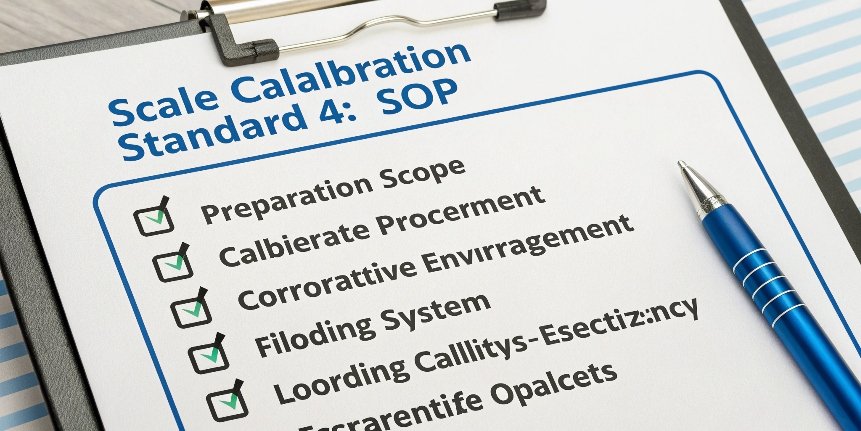
Getting the details right is crucial for a useful SOP. Let's look closer at the core components. You need to structure your document clearly to cover every aspect of the calibration process, from who does the work to what happens when things go wrong. Over my years helping clients, I have found that organizing the SOP into these specific sections prevents confusion and ensures nothing is missed. This approach makes training new staff easier and demonstrates thoroughness to auditors.
Key Sections of Your SOP
Here is a breakdown of the critical information your SOP must contain.
| Section | Key Details |
|---|---|
| 1. Preparation | Define which scales are covered. Specify qualifications for calibration staff (e.g., training, certification). |
| 2. Procedure | Detail environmental conditions (temp, humidity). List step-by-step instructions. Specify calibration points1. |
| 3. Data Management | State what data to record (scale ID, date, results). Explain how to store records and for how long (e.g., 3 years). |
| 4. Corrective Action | Outline steps to take if a scale fails calibration. This includes removal from service and repair protocols. |
This structure ensures your procedure is comprehensive and easy for everyone to follow.
How do you determine the appropriate calibration frequency for different scales in your business?
Calibrating too often wastes resources. Calibrating too little risks inaccuracy. You need a smart schedule that balances cost and quality, but finding that balance can be difficult.
Calibration frequency depends on several factors. Consider the scale's usage, the environment it is in, and its required accuracy. High-use, critical-process scales need frequent checks (daily or weekly), while less critical scales might only need calibration every 6 to 12 months by a certified technician.

There is no single answer for all scales. You have to think about each one individually. In our experience, we advise clients to create a tiered system. This approach optimizes resources while maintaining high standards where they matter most. An analytical balance in a lab has different needs than a floor scale in a warehouse.
User Checks vs. Certified Calibration
Your SOP should distinguish between two types of checks.
- Routine User Checks: An operator performs these simple verifications daily or before use. They use a standard weight to quickly confirm the scale is reading correctly. This is not a full calibration.
- Periodic Certified Calibration: A trained technician performs this full calibration. They test the scale at multiple points across its range. This is done every 3 to 12 months.
Factors Influencing Frequency
To decide the schedule for certified calibration, consider these things:
- Usage: How often is the scale used? More use requires more frequent calibration.
- Impact: How critical is the measurement? A scale in pharmaceutical quality control needs more checks.
- Environment: Is the environment harsh with dust or vibration? If so, calibrate more often.
Assessing these factors helps create a logical and defensible calibration schedule.
Why is a documented SOP for scale calibration critical for regulatory compliance and quality audits?
Auditors demand proof, not promises. Without a documented SOP, you cannot prove your scales are accurate. This can lead to non-compliance findings, fines, or even a shutdown.
A documented SOP is your objective evidence of control. It demonstrates to auditors (like those for ISO or GMP) that you have a standardized, repeatable process for ensuring measurement accuracy. This documentation proves due diligence and is essential for passing quality audits and meeting regulatory requirements.

In regulated industries like pharma or food, what is not written down did not happen. I have worked with clients who faced tough questions from auditors. The ones with a detailed SOP passed easily. Your SOP is a legal and quality document that protects your operation. It provides the traceability2 auditors need.
Proving Your Process
Auditors must verify your systems. They need to see that your quality control is consistent. A written SOP shows that your calibration process is:
- Standardized: Everyone follows the same steps.
- Controlled: The process is managed, not random.
- Verifiable: Records allow anyone to trace back and confirm a measurement's accuracy.
Meeting Specific Standards
Many quality standards require documented procedures. For example, both ISO 170253 (for labs) and GMP (for pharma) demand that all equipment must be calibrated according to written instructions. Without a formal SOP, you cannot meet these crucial requirements.
What corrective actions should your SOP outline for when a scale fails its calibration test?
An out-of-spec scale can produce faulty products. If you do not have a plan, this problem can spread quickly. You need a clear, immediate response to contain the issue.
Your SOP must detail an immediate action plan for a failed calibration. This includes taking the scale out of service, clearly labeling it as "out of service," and investigating the impact on products weighed since the last successful calibration. Then, arrange for repair and recalibration.
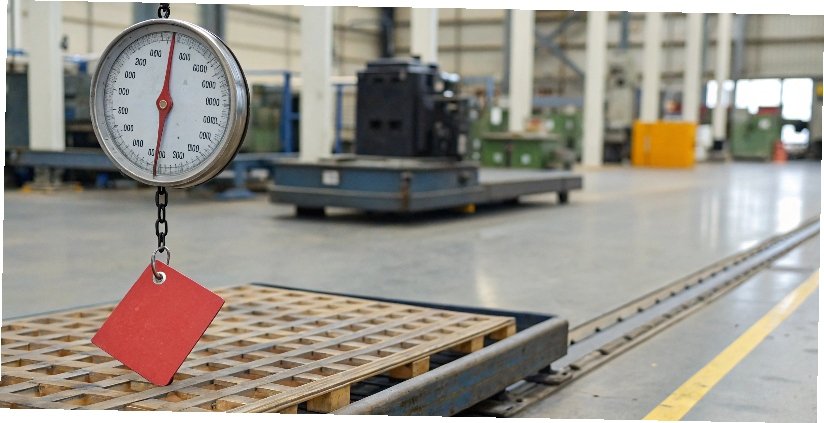
A failed calibration is a critical event. Your response cannot be improvised. Your SOP must provide a clear, step-by-step plan. As a manufacturer, we know equipment can fail. How you manage that failure is what matters. A good corrective action plan protects your customers and proves to auditors that your quality controls are strong.
Immediate Steps for a Failed Calibration
Your SOP should instruct staff to take these actions immediately:
- Isolate: Stop using the scale. Move it to a quarantine area.
- Label: Attach a clear "Do Not Use" tag to the scale. This prevents accidental use by others.
- Report: Notify a supervisor and document the failure in the scale's logbook.
Next Steps: Investigation and Resolution
After isolating the scale, you must assess the risk. You need to identify all products weighed since the last good calibration. These products may need to be re-weighed. Finally, a qualified technician must repair and recalibrate the scale. It can only return to service after passing this new calibration.
Conclusion
Developing a robust SOP with these elements ensures your scale's accuracy. This protects your product quality, satisfies auditors, and builds a foundation for reliable production and business growth.



[…] after a thorough inspection, you find no physical damage and the load cell voltage is normal, then recalibration4 is the logical next step. Using a set of certified test weights, you can guide the scale's […]