
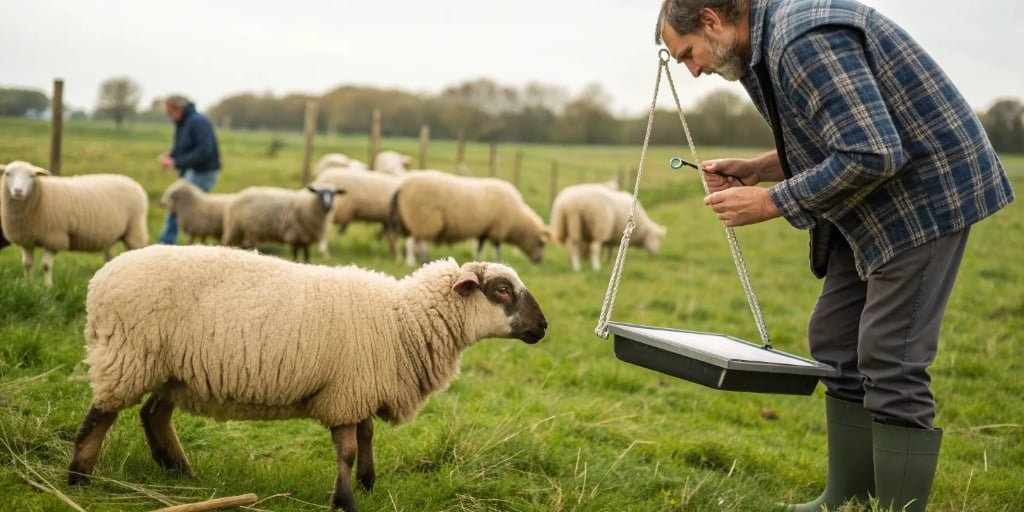
Trying to make sense of endless sheep weight numbers? This data is crucial for your flock's health and profit, but raw numbers alone can be very confusing to use.
To interpret sheep weight data effectively, you must track individual weight changes over time. Compare these trends against breed standards and flock averages. This helps you spot health issues early, optimize feeding, and select the best animals for breeding programs.
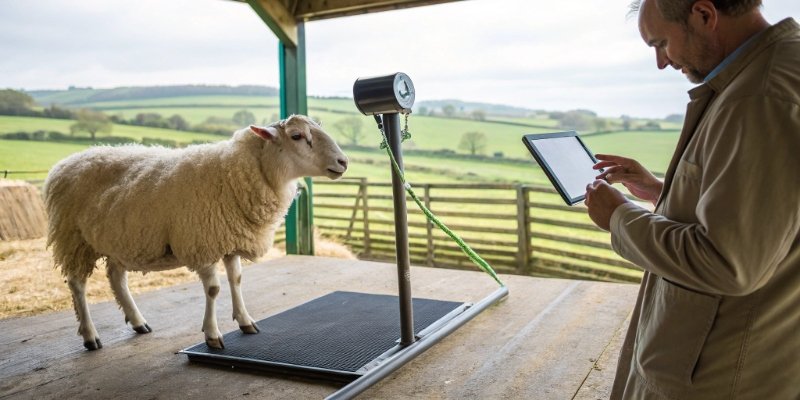
Understanding the numbers is just the start. Getting reliable data in the first place is the real challenge. As a scale manufacturer for over 18 years, I’ve seen how good data transforms a farm's operations from guesswork to a precise science. It all begins with having the right tools for the job. In the past, this meant a simple scale and a lot of manual record-keeping. Now, technology has changed everything. We can connect smart weighing systems1 directly to your management software, automating the entire process. Let's explore how you can build a solid foundation for your data collection2 and what it means for your business.
Can You Build a DIY Sheep Scale? Pros, Cons, and a Simple Plan?
Thinking about building your own sheep scale to save some money? A DIY project can seem cost-effective, but inaccurate readings can lead to very costly mistakes in your management.
Yes, you can build a DIY sheep scale using components like load cells and a digital indicator. While cheaper upfront, it often lacks the accuracy, durability, and integration capabilities of a professional scale. The risk of bad data can end up costing you more.
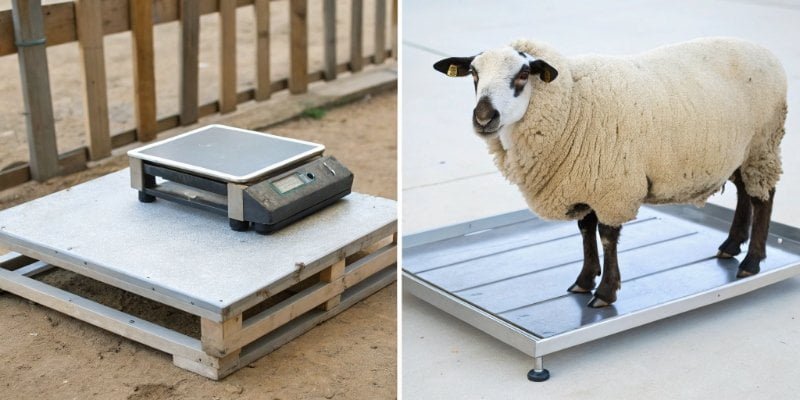
Building your own scale is an interesting project, but it comes with significant trade-offs, especially for a business that relies on data. The main appeal is cost savings and the ability to customize the size. However, the downsides are serious. Accuracy is the biggest concern. Without proper engineering and calibration, your readings could be off, leading to wrong decisions about feed, health treatments, and breeding. Durability is another issue. Farm environments are harsh, and a homemade scale might not withstand the constant use, moisture, and dirt.
From my experience in manufacturing, the biggest hidden challenge for a tech-oriented business is integration. A DIY scale’s basic indicator usually doesn't have the modern communication protocols needed to connect with farm management software. You're left with manual data entry, which is slow and prone to errors. This completely defeats the purpose of building a smart, data-driven operation. A professional scale is designed and tested for both accuracy and connectivity, ready to plug into your system.
DIY vs. Professional Livestock Scale
| Feature | DIY Scale | Professional Scale |
|---|---|---|
| Accuracy | Questionable, hard to calibrate | High, factory calibrated & certified |
| Durability | Low, not built for harsh conditions | High, uses materials like stainless steel |
| Software Integration | Very difficult, often impossible | Simple, with standard protocols (e.g., API) |
| Support & Warranty | None, you are on your own | Full technical support and warranty |
| Total Cost | Low initial cost, high potential for error | Higher initial cost, better long-term value |
7 Maintenance Tips to Ensure Your Sheep Scale Lasts for Years?
Your sheep scale is a big investment. Are you worried about it breaking down from constant use and harsh farm conditions, leading to unexpected costs and major downtime?
To make your scale last, keep it clean from dirt and manure. Regularly check all cables for damage, ensure the platform is level, and perform simple calibration tests. Also, protect the indicator from moisture and physical impact. These basic steps prevent most common issues.

A well-maintained scale provides accurate data year after year. Based on the service calls and feedback we've gotten over the last two decades, most major problems can be avoided with a simple routine. Here is what we tell our clients to do.
First, keep it clean. Manure and dirt can build up, affecting the mechanics and causing inaccurate readings. A quick washdown after use helps a lot. Second, inspect the cables. Rodents love to chew on them, and they can get damaged by equipment. Third, always use the scale on a firm, level surface. An unlevel scale will not give you an accurate weight. Fourth, protect the indicator. This is the brain of your scale. Keep it dry and safe from being knocked around. Fifth, check for debris under the platform that could stop it from moving freely. Sixth, do periodic calibration checks with a known weight to ensure it's still accurate. Lastly, and this is important for smart scales, keep the software updated. As a manufacturer, we sometimes release firmware updates to improve performance or add features, just like with any other smart device. Following these steps protects your investment and ensures the data powering your software is always reliable.
Why Consistent Weighing is the Secret to a Profitable and Healthy Sheep Flock?
Are your flock management decisions based more on guesswork than on hard facts? Inconsistent data can easily hide health problems and prevent you from optimizing feed, hurting your profits.
Consistent weighing creates a reliable health and growth baseline for each animal. This allows you to spot weight loss early (a key sign of illness), measure feed efficiency, identify your best performers for breeding, and sell animals at their optimal market weight.

The power of consistent weighing comes from building a data history for every animal. A single weight measurement tells you very little. A series of weights tells you a story. If a sheep suddenly loses weight, you know there’s a problem before other symptoms appear. This allows for early intervention, which can save the animal and prevent disease from spreading.
For profitability, the data is just as critical. You can track which animals are converting feed into weight most efficiently. This is vital information for managing feed costs, which are often the biggest expense. When it comes to breeding, you can use weight data to identify the ewes and rams that produce the fastest-growing offspring. This allows you to steadily improve the genetic quality3 of your flock. This is where modern technology really shines. In the past, this was a difficult, manual process. Today, our smart scales can connect directly with your management systems. The weight is recorded automatically, creating a seamless flow of data. This turns a chore into a simple, automated task, empowering you to make data-driven decisions that boost both health and profit.
What IP rating is required for livestock scales?
Worried your expensive scale might fail from a blast of water, dust, or high-pressure washing? Choosing the wrong protection level can lead to costly damage and unreliable performance.
For livestock scales, a minimum rating of IP67 is recommended for load cells and junction boxes. This ensures they are fully protected from dust and can handle being submerged in water. The indicator should be at least IP65 if it might get splashed.

IP rating4s, or Ingress Protection ratings, are a standard used to define how well an electrical enclosure is sealed against dirt and moisture. The rating is made of two numbers. The first number (0-6) rates the protection against solid objects like dust. The second number (0-9) rates protection against liquids like water.
In a farm environment, these ratings are not just a suggestion; they are essential for the lifespan of your equipment. The load cells5, which are the sensors that measure the weight, sit on or near the floor. They are exposed to mud, animal waste, and high-pressure washing. That's why we, as manufacturers, insist on an IP67 rating for these components. A '6' means it's completely dust-tight, and a '7' means it can be submerged in up to 1 meter of water for 30 minutes without failing. The indicator, or display unit, is usually in a safer spot but can still get splashed. An IP65 rating is sufficient here, as it protects against water jets from any direction. Choosing a scale with the right IP ratings, backed by international certifications like CE, ensures it will survive the tough conditions and continue to provide the reliable data your software needs.
Common IP Ratings for Scales
| IP Rating | Solids Protection (First Digit) | Liquid Protection (Second Digit) | Typical Use Case |
|---|---|---|---|
| IP65 | 6: Dust Tight | 5: Protected against water jets | Indicators, indoor equipment |
| IP67 | 6: Dust Tight | 7: Protected against immersion | Load cells, junction boxes, outdoor use |
| IP68 | 6: Dust Tight | 8: Protected against long immersion | Components in extremely wet areas |
Conclusion
Interpreting weight data is crucial for success. Use a durable, accurate professional scale with the right IP rating and smart integration for the best health and breeding outcomes.
- Smart weighing systems can automate data collection; explore their benefits for modern farming. ↩
- Effective data collection is crucial for farm management; learn methods to streamline this process. ↩
- Improving genetic quality leads to better performance; discover strategies for enhancing your flock. ↩
- Understanding IP ratings can protect your investment; learn why they are crucial for scale durability. ↩
- Load cells are essential for accurate weight measurement; learn how they function in scales. ↩


Comments (0)