

Are you worried that dust and grime are causing inaccurate readings? These errors can disrupt your entire production process. A proper cleaning routine is the simple solution to maintain absolute precision.
To properly clean a digital scale, always turn it off and unplug it first. Use a soft, lint-free cloth dampened with a mild, neutral detergent. Gently wipe all external surfaces, being very careful to keep liquid away from the display, ports, and weighing sensors.
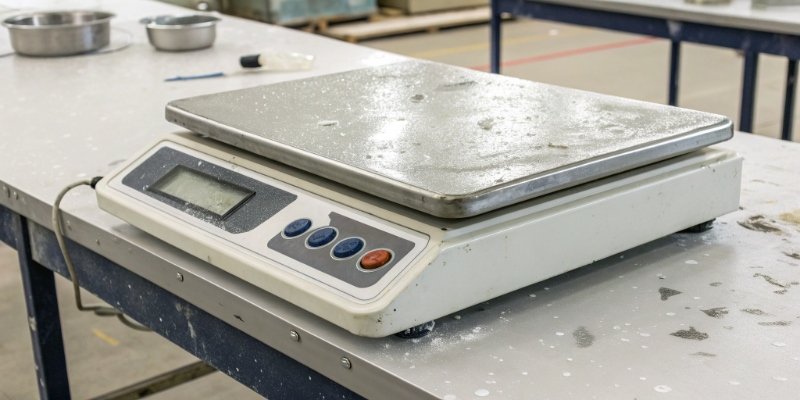
I’ve seen it happen many times in my 18 years in this industry. A client calls me, completely frustrated with inconsistent weights from their scale. More often than not, the problem isn't a major malfunction. It's usually something much simpler: improper cleaning. It sounds basic, but the right technique makes all the difference between a reliable tool and a source of constant error. Let's dig into why buildup is such a big problem and how you, as a purchasing manager or technical director, can establish protocols to prevent it. Following these steps is crucial for protecting your investment and ensuring your operations run smoothly.
How Does Buildup Affect a Digital Scale's Accuracy?
That fine layer of dust or sticky residue on your scale seems harmless. But this buildup can get into moving parts, causing major inaccuracies. Here is how you can understand this impact.
Buildup directly affects a scale's accuracy by physically blocking the movement of the weighing pan or load cell. This interference adds resistance or unwanted weight, which prevents the sensor from detecting the true load. Debris can lead to frustrating, inconsistent, and completely unreliable measurements.
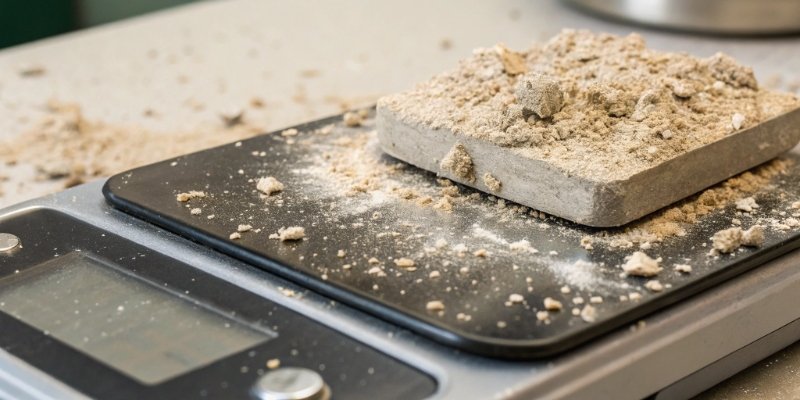
Let's dive deeper into this. The heart of any modern digital scale1 is its load cell2. This is a highly sensitive transducer that converts force into a readable electrical signal. For it to work correctly, it must be able to deform or flex by a microscopic amount without any interference. When dust, dirt, product particles, or sticky liquids get under the weighing pan or around the load cell mechanism, they can bind these moving parts. This completely ruins the scale's ability to get an accurate measurement. I remember one client in the food processing business who was seeing weight fluctuations. The problem was tiny sugar crystals that had worked their way into the scale's mechanism. A simple but careful cleaning solved an issue they thought would require a costly repair.
Here’s a simple breakdown of how different types of debris can cause problems:
| Type of Buildup | Potential Impact |
|---|---|
| Fine Dust/Powder | Creates friction, prevents the pan from returning to zero. |
| Sticky Liquids | Binds the pan to the scale body, adds "phantom" weight. |
| Solid Debris | Physically blocks the movement of the load cell assembly. |
This is why regular, proper cleaning is not just about hygiene; it is a core part of maintaining your equipment's precision.
What Cleaning Solutions Are Safe to Use on a Digital Scale?
You need to clean your scale, so you grab the nearest cleaning spray. But wait. Using harsh chemicals can damage surfaces and electronics, potentially voiding your warranty. It's key to know what's safe.
Safe cleaning solutions for a digital scale include a simple mixture of warm water and a mild, neutral Ph detergent like basic dish soap. For disinfection, a 70% isopropyl alcohol solution can be used sparingly on exterior surfaces, but you must prevent it from seeping inside.
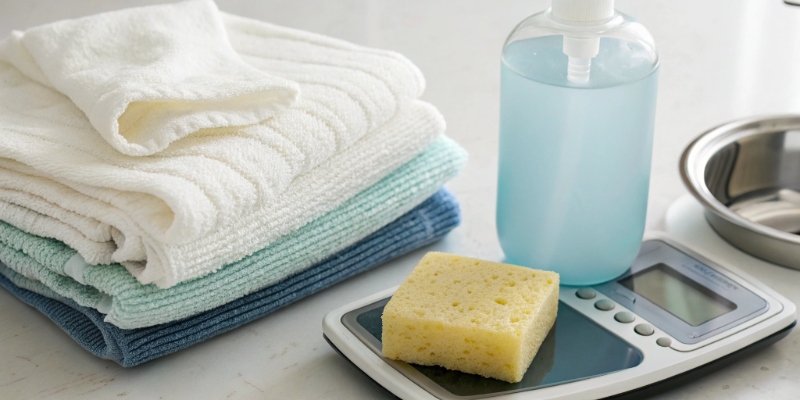
When we say "neutral detergent3," we mean it. Harsh chemicals are the enemy of a precision instrument. Cleaners with ammonia, bleach, or other aggressive solvents can cause serious damage over time. They can cloud the plastic on the display screen, corrode metal weighing pans, and degrade the rubber or silicone seals that protect the internal components. As a manufacturer, we design our scales to be robust, but they aren't indestructible. A client in the chemical industry once used a powerful solvent to clean a scale, thinking it was the right thing to do. The solvent damaged the protective coating on the load cell, which led to corrosion and total failure within months. It was an expensive lesson about using the right cleaning agent.
To make it simple, follow these guidelines:
Dos and Don'ts of Cleaning Agents
| Do Use | Don't Use |
|---|---|
| Mild, neutral pH soap and water | Bleach or ammonia-based cleaners |
| A soft, lint-free cloth | Abrasive scouring pads or steel wool |
| 70% Isopropyl alcohol (sparingly) | Aggressive solvents or degreasers |
| Distilled water for screens | Gasoline or other industrial chemicals |
Always apply the cleaner to your cloth, not directly to the scale. This simple step helps prevent liquid from getting inside, where it can do the most harm.
Do You Need to Recalibrate a Scale After Cleaning It?
You just finished cleaning your scale, and it looks brand new. Now what? You might think the job is done, but cleaning itself can sometimes affect calibration. Find out if this is a necessary step.
Yes, it is highly recommended that you recalibrate your scale after a thorough cleaning. The cleaning process, which often involves wiping with pressure or moving the unit, can slightly disturb the sensitive mechanism. Recalibration ensures the scale returns to its perfect baseline for accurate measurements.
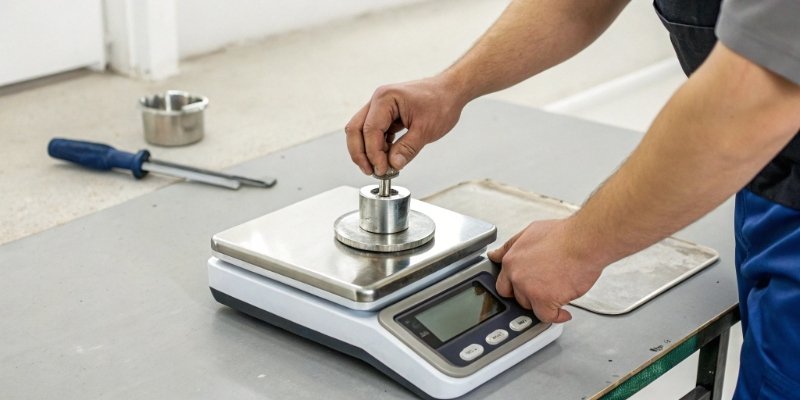
Let me explain why this is so important, especially for our clients who are software providers. Your software relies on accurate data from our hardware. If the scale is not calibrated, it can send faulty data, making your software appear buggy. Calibration is the step that connects the physical world to the digital one. The cleaning process can cause micro-shifts. For example, moving the scale to a slightly different spot, temperature changes from the cleaning fluid, or even the pressure from wiping it down can be enough to knock it out of perfect calibration4. That's why we always tell our customers to make it part of the routine.
The process is straightforward:
- Place the scale on a perfectly level and stable surface.
- Turn it on and let it warm up for about 5-10 minutes.
- Enter the calibration mode, following the instructions in the device manual.
- Place a certified, standard calibration weight on the pan and confirm the value.
- Remove the weight and let the scale return to zero.
As manufacturers, we provide detailed calibration guides with every scale. This ensures your custom weighing solution continues to provide the accuracy you and your clients depend on.
What Are a Few Common Mistakes to Avoid When Cleaning a Scale?
You want to get your scale cleaned quickly so you can get back to work. But taking shortcuts during cleaning can lead to permanent damage and costly errors. Here are the critical mistakes to avoid.
The most common mistakes are spraying liquid directly onto the scale, using abrasive scrubbers or harsh chemicals, and forgetting to disconnect the power. Also, never submerge any part of the scale in water unless it is specifically rated with a high IP rating for that purpose.
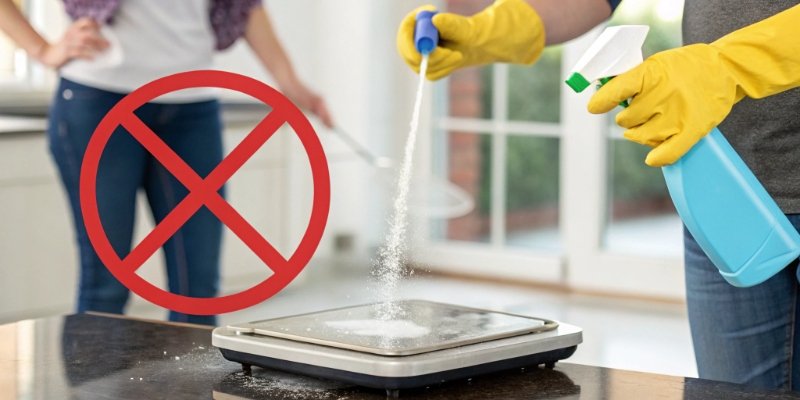
In our after-sales service department, we see the results of these mistakes all the time. They are easy to make but also very easy to avoid. Let’s look at the top four offenders so you can steer clear of them.
Mistake 1: Flooding the Scale
Spraying cleaner directly onto the scale is a huge risk. Liquid can easily run into seams and openings, reaching the sensitive circuit boards and the load cell. I’ve seen scales come back for repair that were clearly water-damaged inside. This is an expensive mistake that is easily avoided by just dampening your cloth first.
Mistake 2: Using the Wrong Tools
Abrasive materials like scouring pads or steel wool will permanently scratch your weighing pan and display screen. Scratches on the pan can trap debris, making future cleanings harder. Scratches on the display can make it difficult to read. Always use a soft, non-abrasive cloth.
Mistake 3: Forgetting to Power Down
This seems obvious, but people in a hurry can forget. Cleaning a powered-on electronic device with liquid is a risk for both the user (electric shock) and the device (short circuits). Always unplug it first.
Mistake 4: Applying Too Much Pressure
Remember that the load cell is designed to measure force. Pushing down hard on the weighing pan while scrubbing can overload and damage this delicate component. Be gentle.
Avoiding these simple mistakes is the best insurance policy for your weighing equipment.
Conclusion
Proper cleaning is a vital maintenance step. It ensures accuracy, prevents damage, and extends the life of your scale, making it a reliable tool for your business's success.
-
Explore this resource to learn essential maintenance tips that ensure your digital scale remains accurate and reliable. ↩
-
Understanding the role of load cells can help you appreciate their importance in accurate measurements. ↩
-
Find out why using a neutral detergent is crucial for maintaining the integrity of your equipment. ↩
-
Learn about the significance of recalibration and when it should be performed for optimal accuracy. ↩



Comments (0)