

Sourcing compliant equipment is critical, but what if the certificate in your hand is fake? This risk can lead to legal penalties, safety failures, and significant financial loss.
To verify a weighing manufacturer's certificate, you must check the key details on the document against the physical product, use the issuing body's official website for database verification, and contact the manufacturer directly for confirmation. This three-step process ensures your equipment is genuinely certified and compliant.
Verifying a certificate might seem like an extra, tedious step. However, in my 18 years in the industrial scale business, I've seen the consequences of relying on fake documents. It's a simple check that protects your investment, your operations, and your reputation. Taking a few minutes to confirm authenticity is always worth the effort. Let's break down exactly how you can do this effectively, so you can have complete confidence in your purchasing decisions.
How to verify a certificate of conformity?
You have a certificate, but a nagging doubt persists. Is it legitimate? A fake document can mean your equipment isn't just non-compliant; it could be unsafe and unreliable.
Verify a certificate by first matching the product name, model, and serial number with the physical equipment. Then, confirm the issuing body is accredited by checking a national certification database. This cross-reference of physical product and official data is the surest way to confirm authenticity.

The first thing I always do is a basic side-by-side comparison. It sounds simple, but it’s a powerful first line of defense. Does every detail on the paper match the product in front of you?
Comparing Core Information
Start by looking at the most basic details on the certificate. Check the product name, model number, and production date. Then, find the same information on the data plate of the weighing scale itself. They must match exactly. Any discrepancy, even a small one, is a major red flag. Also, take a look at the certificate number1. Often, these numbers follow a specific format or structure set by the industry or the issuing body. A random-looking number could be a sign of a forgery.
Verifying the Issuing Body's Authority
Next, you need to confirm that the organization that issued the certificate is legitimate. Don't just trust the logo on the paper. Go to the official website of your country's national accreditation board, like the CNAS in China. These sites have searchable databases of all legally authorized certification bodies. If the issuer isn't on that list, the certificate they provided is worthless. Also, look for official marks like CMA or CNAS on the certificate; they should be clear and valid.
| Verification Step | What to Check |
|---|---|
| Product Match | Name, model, and serial number on cert match the physical scale. |
| Issuer Validity | The issuing organization is listed on a national accreditation website. |
| Number Format | The certificate number follows a logical and recognizable pattern. |
| Official Marks | The certificate includes clear and valid accreditation marks2 (e.g., CNAS). |
How to check if a CE certificate is real?
A CE mark is your passport to the European market. But fraudulent CE certificates are everywhere. Using one, even unknowingly, can lead to your products getting seized by customs.
To validate a CE certificate, find the 4-digit Notified Body number on the document. Go to the European Commission's official NANDO database online and search for that number. This confirms if the body is authorized to certify your specific product type.

I remember a client who nearly bought a batch of scales from another supplier. The price was great, but something felt off. I suggested he check the CE certificate3's Notified Body. It turned out the body was only authorized for electrical toys, not weighing instruments. A quick check saved him from a huge compliance disaster.
Using the NANDO Database
The NANDO (New Approach Notified and Designated Organisations) database is the single source of truth for all bodies designated to carry out CE conformity assessments. The process is straightforward. First, locate the 4-digit number printed next to the CE mark on your product or certificate. Then, go to the NANDO database4 on the European Commission's website. You can input this number into the search bar to pull up the Notified Body's official profile.
Analyzing the Scope of Authorization
Once you find the Notified Body in the database, don't stop there. You must check their scope of authorization. The profile will list the specific product categories and directives they are approved to certify. For our industry, you should look for directives related to "weighing instruments." If the body is not authorized for this category, the CE certificate for your scale is invalid. For some products, a manufacturer can self-declare conformity. In that case, the reputation of the manufacturer is your guarantee. At Weigherps, we stand by our Declarations of Conformity and always have the full technical file ready to back them up.
How to check if a certificate is real or fake?
The threat of a fake certificate is real. It can void your insurance, create legal liabilities, and compromise safety. You need a fast, reliable method to spot a forgery.
The quickest way to check if a certificate is fake is through the issuer's official website. Use their online verification system by entering the certificate number or scanning its QR code. If unavailable, call the official phone number listed on their website to verify.
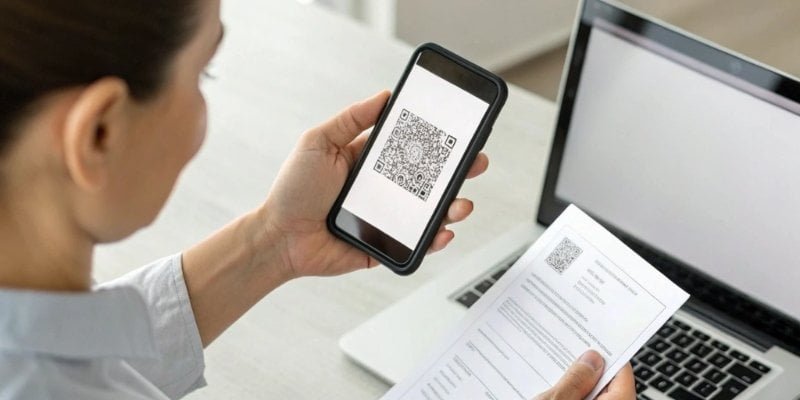
Going directly to the source is the most definitive way to slash through any uncertainty. Forgeries can be sophisticated, but they can't fool the issuer's own records. This direct approach removes any doubt.
Online Verification Systems
Most modern certification bodies provide a digital verification tool on their official website. This is your best and fastest option. These systems are designed for this exact purpose. You can typically find a "certificate verification" or "product search" section. From there, you simply enter the unique certificate number found on your document. Some modern certificates even feature a QR code. Scanning it with your phone should take you directly to a secure webpage displaying the certificate's status and details. If the details on the screen match your document, it is authentic.
Direct Phone or Email Confirmation
What if there's no online tool? The next best method is to contact the issuing body directly. Find their official contact information—a phone number or email address—from their website. It's very important that you do not use the contact details printed on the certificate itself, as those could be fake too. Call them or write an email, provide the certificate number, and ask for a manual verification. This confirmation from the source is undeniable proof of the certificate's authenticity. At Weigherps, we encourage all our clients to do this. We are proud of our certifications and want you to have complete peace of mind.
How to check if an ISO certificate is original or fake?
An ISO certificate, like ISO 9001, is a powerful signal of a company's commitment to quality. But fake certificates are common, and trusting one can damage your own quality standards.
Check an ISO certificate by first identifying the certification body on the document. Visit that body’s official website and use their certificate validation tool. You can also cross-reference it on the global IAF CertSearch database to confirm its accredited status.
It’s important to remember that ISO itself, the International Organization for Standardization, does not issue certificates. They develop the standards. The certificates are issued by external, third-party certification bodies. This is a critical distinction, as your verification efforts must be aimed at the certification body, not ISO.
Verifying with the Certification Body
The first step is always to go to the source. Look at the ISO certificate5 and identify the name of the certification body that issued it. Then, perform a web search to find their official website. Like other types of certificates, most accredited ISO certification bodies have an online a database or validation portal where you can enter the certificate number to confirm its validity. This check confirms that the certificate was indeed issued by them and is currently active.
Using the IAF CertSearch Global Database
For an extra layer of confidence, use the IAF CertSearch6. The International Accreditation Forum (IAF) is the world association of conformity assessment accreditation bodies. They maintain a global database of all accredited management system certifications. If a company's ISO certificate was issued by a globally accredited body, it should appear in this database. You can search by company name or certificate ID. If the certificate doesn't show up here, it may not be from a properly accredited body, which should be a major concern. Finally, always look for simple red flags on the certificate itself: typos, blurry logos, or an issuer with no professional website are all warning signs of a fake.
Conclusion
Verifying certificates is a crucial step. By checking details, using official channels, and contacting the manufacturer directly, you can ensure your equipment is compliant and your business is protected.
-
Learn the significance of certificate numbers in the verification process. ↩
-
Explore the importance of these marks in validating certificates. ↩
-
Discover the steps to validate CE certificates and avoid compliance issues. ↩
-
Find out how this database helps in confirming the legitimacy of CE certifications. ↩
-
Understanding ISO certificates is vital for maintaining quality standards in your business. ↩
-
Discover how this global database can help verify ISO certifications. ↩


Comments (0)