
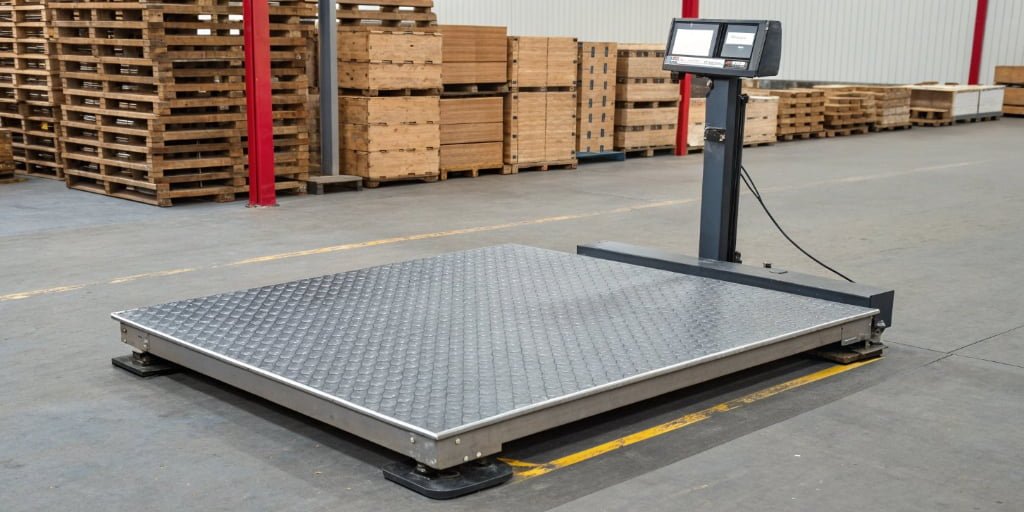
Are you struggling to weigh heavy items with high precision? Inaccurate measurements can disrupt production and increase costs. Specialized industrial scales offer the perfect solution, combining capacity with accuracy.
Yes, there is a solution. High-capacity, high-precision industrial scales are designed for this exact purpose. Unlike standard scales, these can be customized with specific load cells and software to meet your exact weighing needs, ensuring both heavy capacity and precise measurement for your production line.
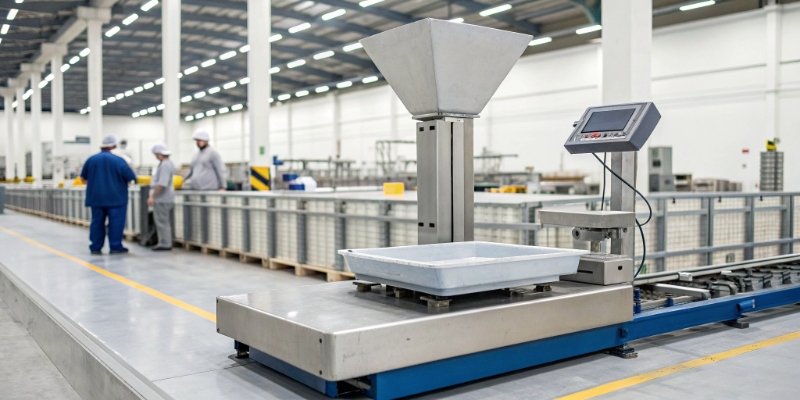
It sounds simple, but getting a scale that handles both weight and precision involves some key choices. To help you find the right solution, it is important to understand what sets these scales apart and what features to look for. Let's dive into the details and explore how to get the performance you need.
How does a high-capacity industrial scale differ from a laboratory balance?
Thinking a lab balance can handle industrial loads? This common mistake leads to damaged equipment and inaccurate results. The key is understanding their very different purposes and construction.
A high-capacity industrial scale is built for durability and heavy loads in harsh environments, prioritizing robustness. A laboratory balance is designed for extreme precision with very small masses in a controlled setting. Their core difference lies in design focus: durability versus sensitivity.
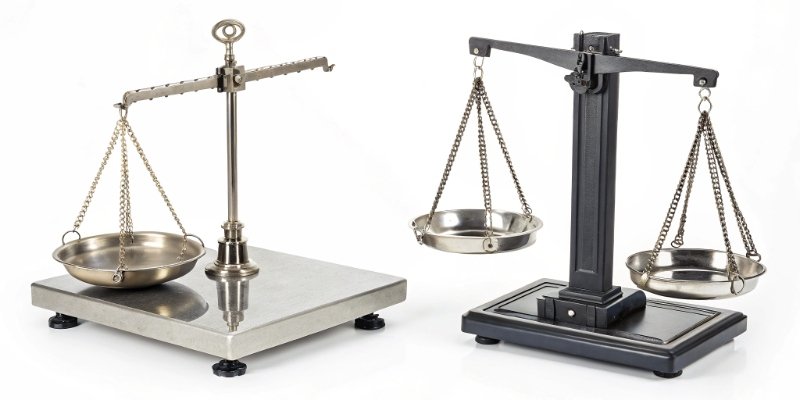
When I talk to clients, especially those from a software or tech background, the concept of a scale seems straightforward. However, the difference between an industrial scale and a lab balance is like the difference between a heavy-duty server and a personal laptop. Both compute, but for vastly different environments and tasks. An industrial scale is built to survive on a factory floor. This means it uses rugged materials like thick stainless steel to handle impacts, dust, moisture, and constant vibration. A lab balance is a delicate instrument that needs a clean, stable, and temperature-controlled room to function correctly. As a software provider, you understand the importance of hardware that reliably runs your code in the field. An industrial scale is that reliable hardware for weighing data.
| Feature | High-Capacity Industrial Scale | Laboratory Balance |
|---|---|---|
| Primary Use | Production, logistics, quality control1 | R&D, scientific analysis, formulation |
| Environment | Harsh (dust, water, vibration) | Controlled (clean, stable) |
| Capacity | High (kilograms to tons) | Very Low (grams to milligrams) |
| Construction | Rugged (steel, sealed components) | Delicate (plastic, glass draft shields) |
| System Integration | Designed for connectivity (PLC, ERP, IoT) | Often standalone or basic PC connection |
What factors are critical when choosing a scale for both high capacity and high precision?
Overwhelmed by specs when choosing a high-capacity scale? A wrong decision can halt production and create data integration nightmares. Focus on these key factors to find the perfect fit.
The most critical factors are the scale's maximum capacity, its readability, and its construction. You must also consider the operating environment and the connectivity options needed to integrate with your systems for seamless data transfer.
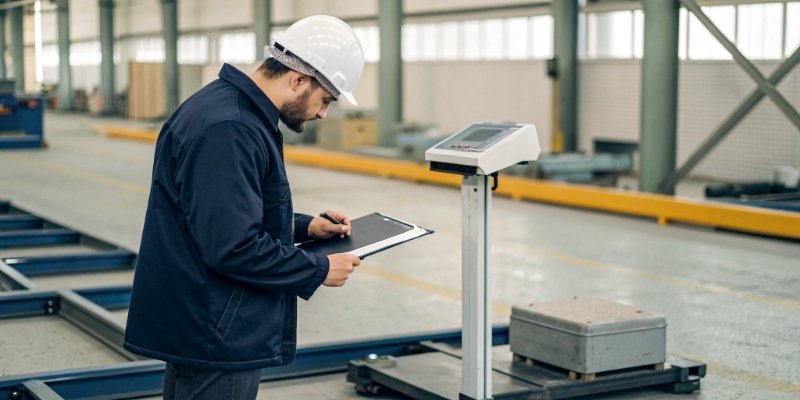
Choosing the right scale is about matching the tool to your specific job. Over the past 18 years, I've seen customers succeed when they focus on a few core requirements.
Understanding Capacity and Readability
First, define the heaviest item you'll ever need to weigh—that's your Capacity. Then, determine the smallest weight increment that matters to your process—that's your Readability or division. For example, you might need a scale with a 150 kg capacity and a 20 g readability. The good news is that with modern industrial scales, you don't always have to sacrifice precision for capacity. We often customize solutions with high-quality load cells2 to achieve the perfect balance for a client's needs.
Environmental Considerations
Where will the scale be used? A dusty warehouse and a wet food processing area require different scales. Look for an IP (Ingress Protection) rating. An IP67 rating3 means the scale is dust-tight and can be submerged in water. This ensures longevity and accuracy in tough conditions.
System Integration and Data Output
This is where we can really help software companies. Your systems thrive on data. Our industrial scales can be equipped with communication ports like RS232, USB, or Ethernet to send weight data directly to your software. We also offer IoT-enabled scales that can integrate into a smart factory network4. This completely eliminates manual data entry, which is slow and prone to errors. We can provide the necessary documentation and support to make integration with your software seamless.
What features are essential for accurate heavy-duty weighing in an industrial setting?
Are inconsistent weights from your heavy-duty scale causing problems? These inaccuracies can ruin product quality and create compliance headaches. Ensure your next scale has these essential features.
Essential features include high-quality load cells, dynamic weighing for unstable loads, and automatic zero tracking to compensate for debris. Also, look for built-in diagnostics and easy calibration access to maintain accuracy over time.
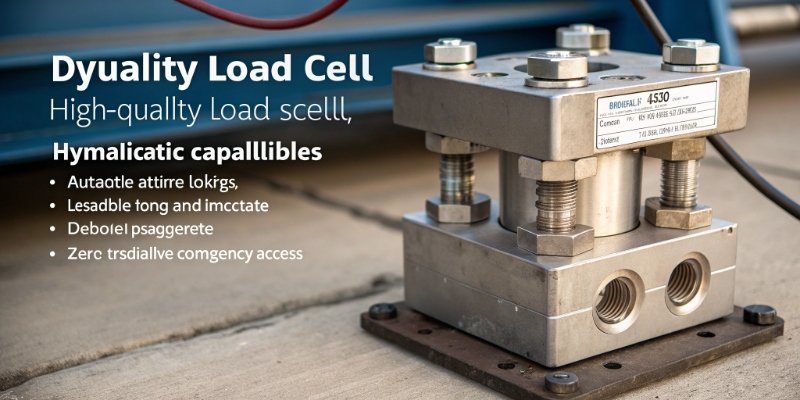
A scale's accuracy goes beyond just its basic specs. In a busy industrial environment, several smart features are essential for getting reliable readings every single time. After years of developing weighing solutions, we know which features make a real difference in daily operations.
The Heart of the Scale: The Load Cell
The load cell is the sensor that converts force into an electrical signal. Its quality is the single most important factor for accuracy and durability. We only use high-quality, fully tested load cells in our products. This ensures our scales provide stable and repeatable measurements, even after years of heavy use. This commitment to quality components is part of our comprehensive quality control process before any product ships.
Smart Features for Real-World Conditions
Industrial weighing is rarely perfect. That's why we build in features to handle real-world challenges:
- Dynamic Weighing: If you are weighing liquids that slosh or an unstable container, this feature averages the readings over a few seconds to provide a single, stable weight. It's incredibly useful.
- Checkweighing: This feature allows you to program a target weight range. The scale will then indicate if a product is underweight, correct, or overweight, often with colored lights or a buzzer. It's perfect for manual packing and quality control.
- Parts Counting: By weighing a small sample of items, the scale can accurately count a large batch. This saves an immense amount of time and reduces human error.
Software and User Interface
As a software expert, you know the user interface5 is critical. Our scales have clear, easy-to-read displays. More importantly, the software functions6 are simple to set up. We specialize in customizing these features and even the data output format to align perfectly with your software's workflow.
How are high-capacity platform scales calibrated to ensure consistent accuracy?
Wondering if your scale will stay accurate over time? Inaccurate scales produce worthless data and can lead to major losses. Regular calibration is the simple, necessary solution.
Calibration involves checking the scale's readings against certified test weights and making adjustments. This can be done through the scale’s software or by a technician. It ensures the scale performs accurately and complies with quality standards.

A scale is a precision instrument, and like any instrument, its accuracy can drift. Environmental factors like temperature changes, physical wear, or even moving the scale to a new location can affect its performance. That's why calibration is not a one-time event; it's a crucial part of an ongoing quality assurance program.
The Calibration Process Explained
The process itself is straightforward. First, you enter the scale's calibration mode, which is easily accessible through the user menu. You then place a certified test weight of a known mass on the platform. The scale's software will prompt you to confirm the weight, and it will adjust its internal settings to match this reference point. For best results, it's good practice to test linearity by checking the reading at several points, for example, at 25%, 50%, and 100% of the scale's capacity.
Why Regular Calibration is Non-Negotiable
For any business that relies on accurate weight data for billing, production, or compliance, regular calibration is essential. Quality management systems like ISO 9001 often require proof of regular calibration. It ensures your data is reliable, your products are consistent, and you are trading fairly. An uncalibrated scale is not just inaccurate; it's a business liability.
Our Commitment to Your Accuracy
Every scale we ship is fully tested and calibrated by our quality inspection department before it leaves our factory. We also provide clear, step-by-step instructions in our manuals so your team can perform routine calibrations easily. And if you ever run into issues, our technical after-sales team is always here to help you. Our job is to make sure your weighing process is always accurate.
Conclusion
In summary, getting high capacity and high precision is achievable with the right customizable industrial scale. We can help you build the perfect weighing solution for your specific needs.
-
Discover how quality control measures ensure accurate and reliable weighing results. ↩
-
Learn about the critical role of high-quality load cells in ensuring scale accuracy. ↩
-
Understand the significance of IP67 ratings for ensuring scale longevity and performance. ↩
-
Explore how industrial scales can connect to smart factory networks for enhanced automation. ↩
-
Discover the features that contribute to an effective user interface in industrial weighing systems. ↩
-
Discover the key software features that enhance user experience and functionality in scales. ↩



Comments (0)