
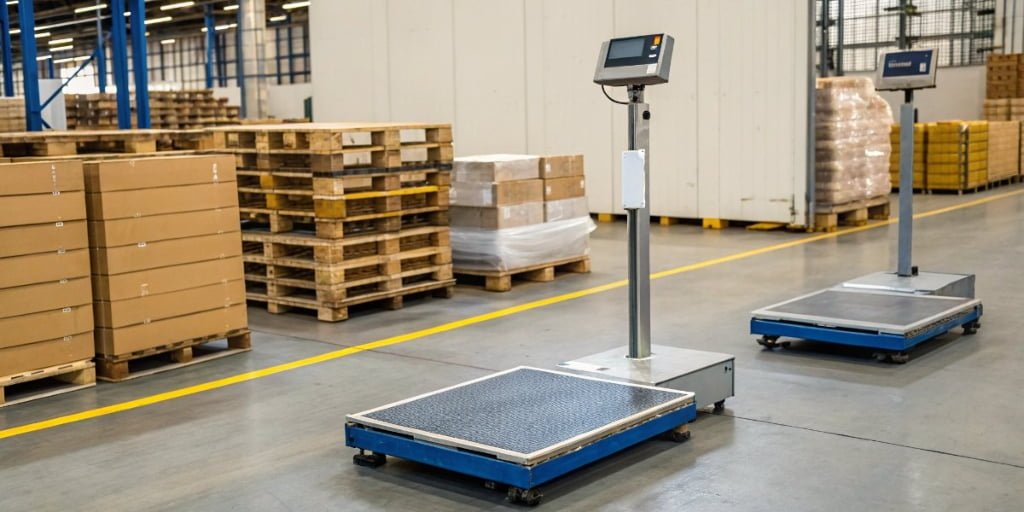
Struggling with inventory discrepancies and surprise operational costs? You may think of industrial scales as simple tools for shipping, but you're missing their true power to streamline your entire operation.
The biggest benefits are precise inventory management through real-time data and enhanced quality control by ensuring product weight standards. These capabilities directly reduce costs, boost production efficiency, and increase overall supply chain transparency.
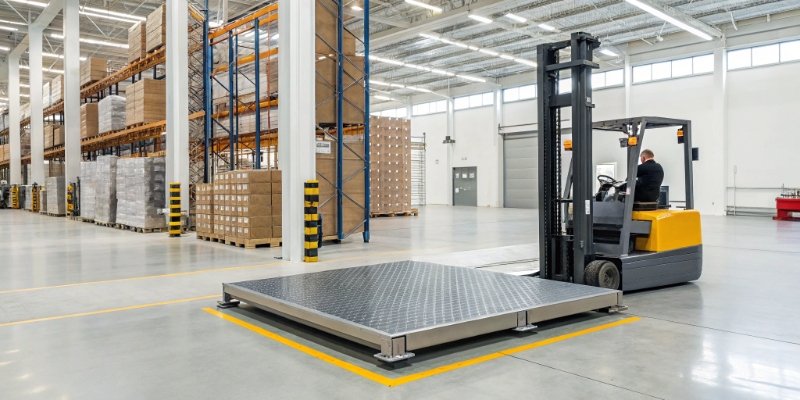
When I first entered the weighing industry 18 years ago, I saw scales as just that—scales. We built them, tested them, and shipped them. But over the years, I've had countless conversations with purchasing managers and technical directors, just like you. I've learned that the true value of our products isn't just in the hardware. It's in the data they generate and the problems they solve. An industrial scale is no longer an isolated tool; it's a critical data-collection point1 that can transform your business. Let's look beyond the obvious and explore how.
Who uses industrial scales?
Wondering if these scales are truly relevant to your specific business? You might think only large logistics companies or massive warehouses need them, but their application is surprisingly broad.
Industrial scales are used across many sectors, including manufacturing, agriculture, waste management, retail, and pharmaceuticals. Any business that needs to weigh items for production, inventory control, batching, or regulatory compliance relies on them daily.

Over my nearly two decades at Weigherps, I've seen our scales installed in places I never would have imagined. They're not just in the shipping departments of global brands. They are on the factory floors of food processors, in the labs of pharmaceutical companies, and at the receiving docks of small retailers. A software vendor I worked with recently was surprised to learn how their system could add value in the agricultural sector. We helped them integrate their inventory software with our scales to track grain yields in real-time. This is why it's so important to understand the user base. It's incredibly diverse.
Where Industrial Scales Drive Value
| Industry | Primary Use Case | Benefit for Software Vendors |
|---|---|---|
| Logistics/Warehousing | Shipping cost calculation, order verification, inventory counts. | Integrate for real-time stock levels and automated shipping manifests. |
| Manufacturing | Raw material receiving, recipe formulation (batching), quality control2 checks. | Provide traceability and quality assurance modules. |
| Agriculture | Weighing harvests, livestock, and feed formulation. | Offer yield management and resource tracking software. |
| Waste Management | Calculating disposal fees, tracking recycling volumes. | Develop compliance and reporting software. |
| Retail | "Pick-and-pack" order fulfillment, inventory receiving. | Link with e-commerce platforms for accurate stock data. |
For you, as a software provider, each of these use cases is an opportunity. Your software can become the brain, and our scales the precise, reliable senses.
How accurate are shipping scales?
Are you worried about the financial penalties and client disputes from inaccurate weights? A small, consistent error on your scale can quickly add up to thousands in surcharges and damage your reputation.
The accuracy of a shipping scale depends on its class and regular calibration. Professional industrial scales, like ours which meet CE certification, are engineered for high precision to prevent costly errors and ensure you meet carrier and legal requirements.
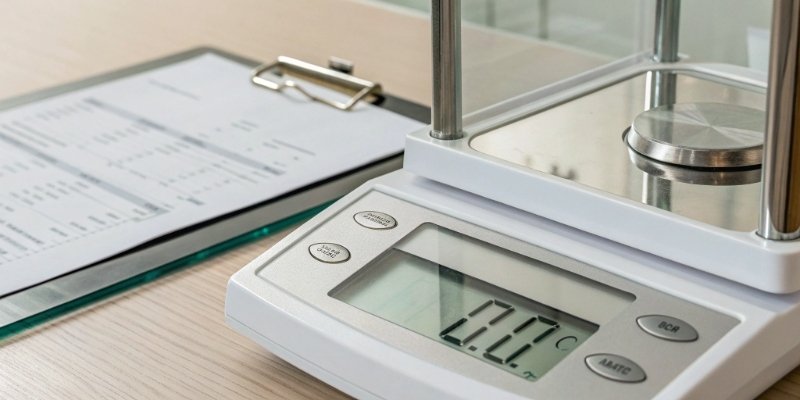
I remember a client, a purchasing manager for a mid-sized e-commerce company, who came to us in a panic. They were being hit with unexpected surcharges from their courier every month. The problem wasn't their process; it was their scale. It was a cheap, consumer-grade model that would drift out of calibration3. They were unknowingly under-reporting weights on hundreds of packages. We equipped them with one of our certified bench scales and guided them on setting up a simple weekly calibration check. The surcharges disappeared instantly. This is why our quality inspection department is so rigorous. Every scale we ship is tested for weight, battery, and software performance. Accuracy isn't a feature; it's a promise. A scale's accuracy is its most fundamental job, and failing at it makes it worthless.
Understanding Scale Accuracy
- Scale Class: Scales are categorized into classes (e.g., Class III is common for commercial and shipping use). This class defines its approved tolerance.
- Readability vs. Accuracy: Readability is the smallest increment the display shows (e.g., 0.01 kg). Accuracy is how close the displayed weight is to the true weight. They are not the same!
- Calibration: This is the process of adjusting a scale to match a known, certified weight. Regular calibration is non-negotiable for any serious business. Our after-sales service team always emphasizes this, as it's the key to long-term reliability.
What is one of the key benefits of using information technology in logistics?
Are you still relying on employees to write down weights and manually enter them into a spreadsheet or system? This process is not only slow and outdated but also a major source of costly errors.
The single most important benefit is creating a real-time, automated flow of accurate data. By integrating industrial scales with warehouse management or ERP software, you eliminate manual entry, prevent human error, and gain instant visibility into your operations.
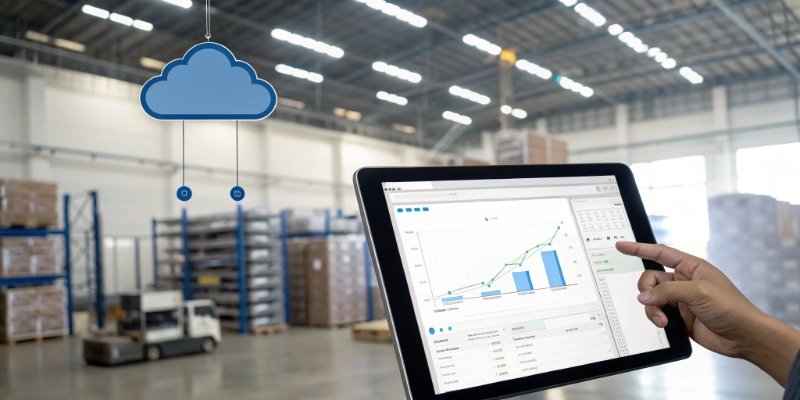
This is where my work gets really exciting. At Weigherps, we've moved beyond just making scales; we create intelligent weighing systems. Our IoT electronic scales4 are designed specifically for you—the software vendor. They are built to communicate. A few years ago, we worked with a technical director whose team was building a new warehouse management system (WMS). They wanted to offer their clients a feature for real-time inventory counts. The missing piece was how to get the data into their system without errors. We provided them with our IoT floor scales and the API documentation. Their developers easily integrated the scales, and suddenly, their WMS could offer live, weight-based inventory tracking. This elevated their software from a simple record-keeping tool to a dynamic operational nerve center.
Manual Weighing vs. Integrated IT Weighing
| Feature | Manual Weighing Process | IoT-Integrated Weighing Process |
|---|---|---|
| Data Entry | Operator reads scale, writes it down, keys it into PC. | Weight is sent automatically to the system. |
| Error Potential | High (transcription errors, typos, delays). | Extremely low (data is transferred digitally). |
| Inventory View | Updated periodically (end of day/week). | Real-time, updated with every weigh event. |
| Labor Cost | High (requires dedicated time for data entry). | Minimal (process is automated). |
| Decision Making | Based on outdated, potentially inaccurate information. | Based on live, accurate data. |
Our vision is to help you leverage technology to revolutionize weighing. This integration is the key to unlocking efficiency and profitability for your clients.
Why is logistics cost analysis important?
Do you feel like hidden operational costs are constantly eroding your profit margins? You meticulously track shipping fees, but what about the costs of overstocking, production waste, or fulfilling incorrect orders?
Logistics cost analysis is crucial because it shines a light on these hidden inefficiencies. Using the precise, reliable weight data from industrial scales, you can accurately track inventory, minimize product waste, and improve quality control, leading to smarter, more profitable decisions.
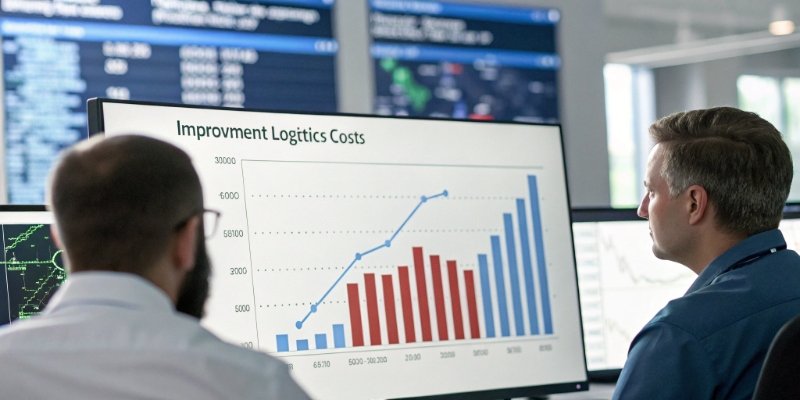
Accurate weight data5 is the foundation of any meaningful cost analysis in logistics. Without it, you're just guessing. I once consulted with a food production company that was struggling with profitability. We installed a custom checkweighing system on their packaging line. Within a week, the data revealed they were consistently overfilling each bag by 2-3%. It seemed small, but across thousands of units per day, it amounted to a huge annual loss in free product. By adjusting their filling machines based on our scale's real-time feedback, they turned that loss into profit. This is what we mean by a targeted, cost-effective weighing solution6. The scale didn't just weigh things; it provided the data needed to perform a crucial cost analysis and solve a core business problem. It empowers you to move from being reactive to proactive.
How Weight Data Drives Cost Reduction:
- Inventory Holding Costs: Real-time weight data prevents overstocking, reducing capital tied up in inventory and storage space.
- Quality Control Costs: Catching under-filled or over-filled packages before they ship avoids returns, redos, and reputational damage.
- Labor Costs: Automating weight-based data entry7 frees up employees for more value-added tasks.
- Shipping Costs: Beyond accurate fee calculation, it prevents hefty penalties for incorrect weight declarations.
This level of analysis turns a simple scale into a powerful business intelligence tool.
Conclusion
Industrial scales are far more than tools for shipping. They are strategic assets for precise inventory management, quality control, and deep cost analysis, driving efficiency and transparency across your supply chain.
-
Learn how data-collection points can enhance your business operations and decision-making. ↩
-
This link provides insights into essential quality control practices that can boost your production quality. ↩
-
Understanding the importance of calibration can help ensure the accuracy of your weighing equipment. ↩
-
Explore how IoT electronic scales can revolutionize your data collection and operational efficiency. ↩
-
This resource explains how weight data can enhance your inventory management practices. ↩
-
Discover the features that contribute to a cost-effective weighing solution for your business. ↩
-
Discover the benefits of automating weight-based data entry for improved accuracy and efficiency. ↩



[…] are the most common and cost-effective mobile scales3. They are simple, tough, and require very little maintenance. You operate them just like a […]