

Are you feeling lost in the world of industrial scales? Picking the wrong one can cause major headaches and cost you money. This guide simplifies the essentials for you.
To get started with industrial scales, you need to understand the main types, key selection factors, and basic maintenance. Scales are primarily classified by structure (mechanical vs. electronic) and function. Choosing the right one involves matching capacity, accuracy, and environmental resistance to your specific job.

Choosing your first industrial scale can feel like a huge task. There are so many options, specifications, and terms to learn. But don't worry. With over 18 years of experience helping businesses find the perfect weighing solutions, we've learned how to make this process simple. We want to empower you with the right knowledge so you can make a confident decision that benefits your operations. Let's walk through the fundamentals together, step by step, so you can find the right tool for the job.
What Should Beginners Know About Industrial Scales?
Confused by all the different types of industrial scales out there? This confusion can make it difficult to even begin your search. Here’s a simple breakdown to get you started.
Beginners should know that industrial scales are categorized by their structure and function. Structural types include older mechanical scales and modern, highly accurate electronic scales. Functional types are designed for specific tasks, like counting scales for inventory or waterproof scales for wet environments.
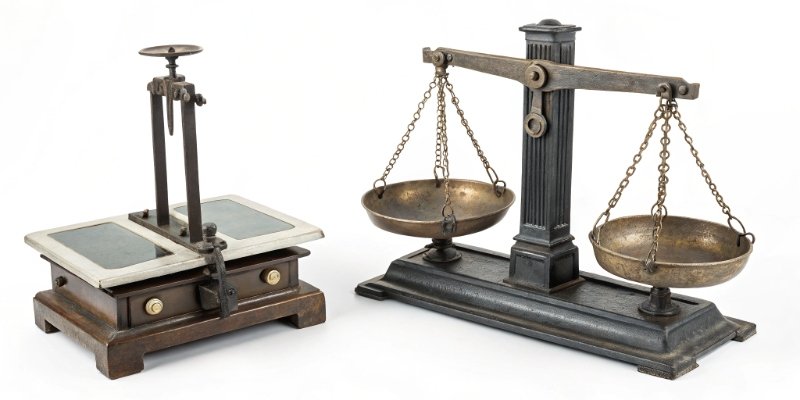
When we talk about industrial scales1, we're looking at two main ways to classify them. This helps break down the options into manageable groups. Understanding these differences is the first step in choosing what you need.
Classification by Structure
The internal mechanics of a scale determine how it works.
- Mechanical Scales: These operate on a lever balance principle. They are often cheaper but offer limited accuracy. Think of the traditional platform scales you might have seen.
- Electronic Scales: These are the modern standard. They use sensors to convert weight into an electrical signal, providing high accuracy and digital features. Almost all our scales at Weigherps are electronic because they offer the reliability our clients need.
- Hybrid Scales: Some scales combine mechanical structures with electronic sensors. They can offer a balance of durability for tough environments and the precision of electronic measurement.
Classification by Function
Scales are also designed for specific jobs.
- Counting Scales: These are amazing for inventory management. You weigh a sample item, and the scale calculates the total quantity in a large batch based on the total weight.
- Waterproof Scales: If you work in a wet or humid environment like food processing2, you need a scale with a high IP rating (like IP67 or IP68). This ensures moisture doesn't damage the internal components.
| Scale Type | Principle of Operation | Best For |
|---|---|---|
| Mechanical | Lever balance system | Low-budget, non-critical weighing |
| Electronic | Load cell sensors | High-accuracy, digital integration |
| Counting | Average piece weight calculation | Inventory, parts packing |
| Waterproof | Sealed components (IP67/IP68) | Food processing, washdown areas |
How Do You Choose the Right Industrial Scale for Your Needs?
Worried you might buy a scale that doesn't fit your daily tasks? Making the wrong choice can waste your budget and even slow down production. Let's ensure that doesn't happen.
To choose the right scale, first define your maximum weighing capacity and required precision. Next, evaluate your work environment for factors like moisture or dust. Finally, consider if you need automation features, like connecting the scale to your other systems for data transfer.
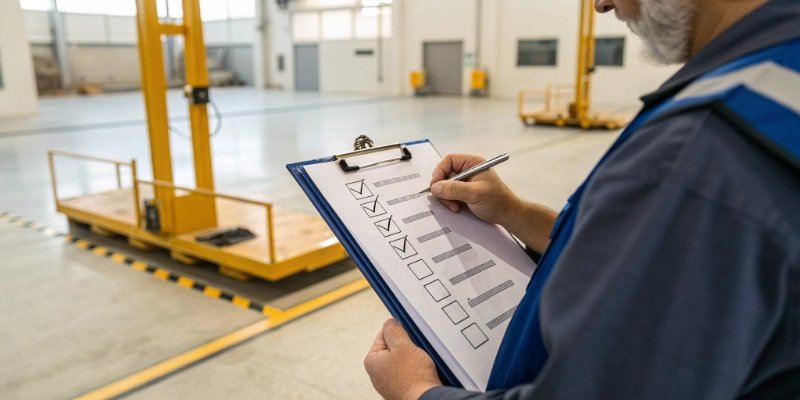
Finding the perfect scale is a process of matching the tool to the task. Rushing this step is a common mistake that we help our customers avoid. Focus on these three core areas, and you'll be on the right track to selecting a scale that serves you well for years.
Capacity and Accuracy
This is the most critical starting point. What is the heaviest item you'll weigh? That's your capacity. How precise do the measurements need to be? That's your accuracy or readability. A lab in the pharmaceutical industry might need milligram-level accuracy, while a logistics warehouse weighing pallets will focus on a high capacity of several tons with kilogram-level accuracy. You must match these to your application.
Environmental Adaptability
Where will the scale be used? The environment plays a huge role.
- For wet or dusty environments, like food manufacturing, a waterproof scale is essential to prevent damage.
- For hazardous areas3 with flammable materials, you need a certified explosion-proof scale for safety.
- For factories with high heat, you need a scale built with components that can withstand high temperatures.
Automation and Connectivity
Think about how the scale will fit into your workflow. Do you need to record weight data automatically? If so, choose a scale with communication ports like RS-232, RS-485, or Ethernet. These allow the scale to connect to computers, printers, or your production management system (like an ERP). This feature is key for businesses looking to improve efficiency and reduce manual data entry errors.
What Are the Basic Features of Industrial Scales in Action?
Do you ever wonder how different scales are actually used in various industries? Without seeing them in action, a list of features can seem abstract. Let's connect features to real-world results.
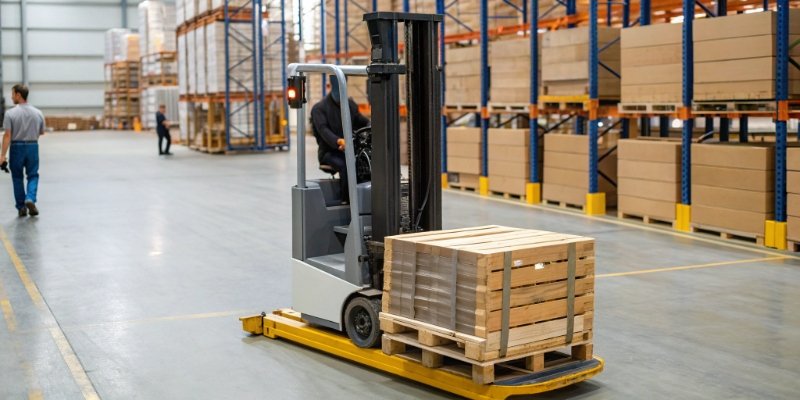
In action, scale features solve real problems. In manufacturing, high-precision weighing ensures every part is perfect. In logistics, forklift scales with dynamic weighing speed up loading, and crane scales allow for safe, efficient weighing of heavy, suspended loads like shipping containers.
The true value of an industrial scale isn't in its technical specifications but in what it helps you achieve. Over my years in this industry, I've seen firsthand how the right scale transforms an operation. From ensuring product quality to speeding up an entire supply chain4, the applications are endless. Let's look at two major sectors.
In Manufacturing
Precision is everything in modern manufacturing.
- Component Consistency: In industries like electronics or automotive, small parts need to be manufactured with incredible consistency. A high-precision bench scale with milligram accuracy helps ensure every component meets the exact required weight, guaranteeing quality.
- Assembly Quality: In car manufacturing, large platform scales are used to weigh the vehicle chassis at different stages. This helps engineers confirm that all parts have been installed correctly and the vehicle's weight distribution is balanced, which is critical for performance and safety.
In Logistics and Warehousing
Efficiency and safety are the top priorities here.
- Dynamic Weighing: A forklift scale is a perfect example of a feature-driven solution. It allows a worker to lift, weigh, and move a pallet in one single motion. This eliminates the need to transport goods to a separate floor scale, saving immense time during loading and unloading.
- High-Capacity Overhead Weighing: For massive items like shipping containers or steel coils, a crane scale (or hanging scale) is used. It weighs the load while it's suspended in the air, ensuring it's within the safe limits for shipping and for the crane itself.
How Can Beginners Properly Maintain Industrial Scales?
So you've chosen a quality industrial scale, what's next? You want to make sure your investment lasts and remains accurate. Neglecting maintenance is a recipe for problems down the road.
To maintain your scale, clean the weighing platform regularly and never overload it past its maximum capacity. Most importantly, schedule a professional calibration every 6 to 12 months using certified weights to guarantee your readings stay accurate and reliable.

A durable scale from a manufacturer like us is built to last, but its long-term performance heavily depends on proper care. Think of it like a car—it needs regular check-ups to run smoothly. Here are the simple yet vital steps you should follow.
Calibration Schedule
Calibration verifies your scale's accuracy. We recommend a full calibration5 by a professional every 6 to 12 months. However, if your scale is used constantly throughout the day, you should shorten this cycle to every 3 to 6 months. This process involves using standard, certified weights to test the scale and adjust it if the readings have drifted. Skipping this is not an option if you rely on accurate measurements.
Daily Maintenance
Simple daily habits make a big difference.
- Cleaning: Use a soft, dry cloth to wipe down the weighing platform and display. This prevents dust, debris, or moisture from affecting the sensors.
- Overload Protection: Every scale has a maximum weight limit. Make it a strict rule to never exceed this capacity. Overloading is the quickest way to permanently damage the internal load cells, which are expensive to repair.
Common Mistakes to Avoid
Based on our experience, here are two common errors beginners make:
- Ignoring the Environment: A scale placed near a vibrating machine, in a draft, or under a heater will give unstable readings. Always ensure your scale is on a level, stable surface away from these disturbances.
- Improper Calibration: Some people try to calibrate their scale using an item of "known" weight, like a bag of sugar. This is not accurate. Always use certified calibration weights for reliable results.
Conclusion
Understanding scale types, choosing based on your specific needs, and performing regular maintenance are foundational. Following these basics will ensure your industrial scale operates accurately and reliably for years.
-
Explore this link to understand the various types of industrial scales and their applications. ↩
-
Learn about the scales that meet the specific needs of food processing. ↩
-
Explore the types of scales designed for safe use in hazardous environments. ↩
-
Explore the role of scales in optimizing supply chain operations. ↩
-
Learn about the importance of regular calibration for maintaining scale accuracy. ↩



Comments (0)