
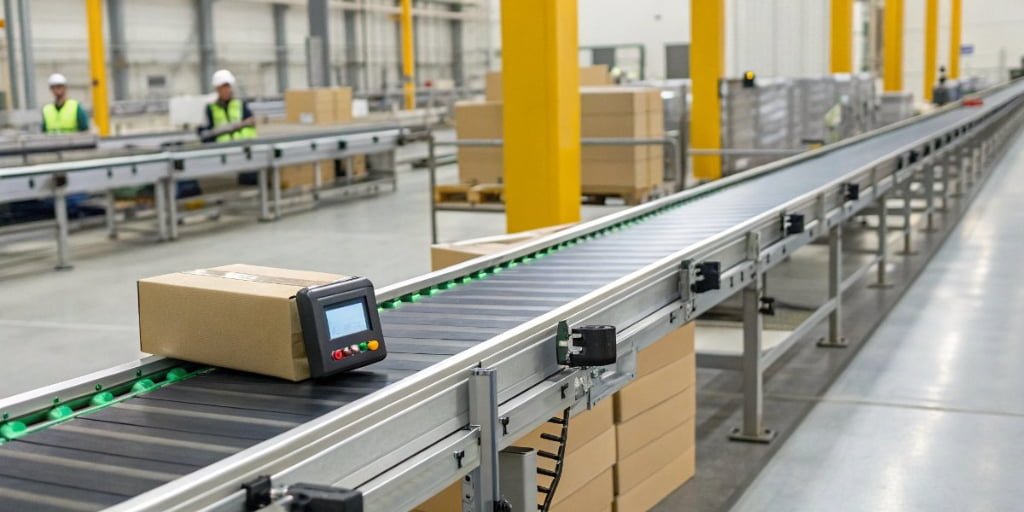
Are production bottlenecks from static weighing slowing you down? You want faster throughput, but worry that a dynamic system will sacrifice the accuracy your business depends on, costing you money.
Yes, an in-motion weighing system is often suitable for businesses that need to increase efficiency. The main trade-off is a slight decrease in precision compared to static weighing. However, modern dynamic scales deliver high accuracy for logistics, manufacturing, and sorting, boosting throughput without significant compromise.
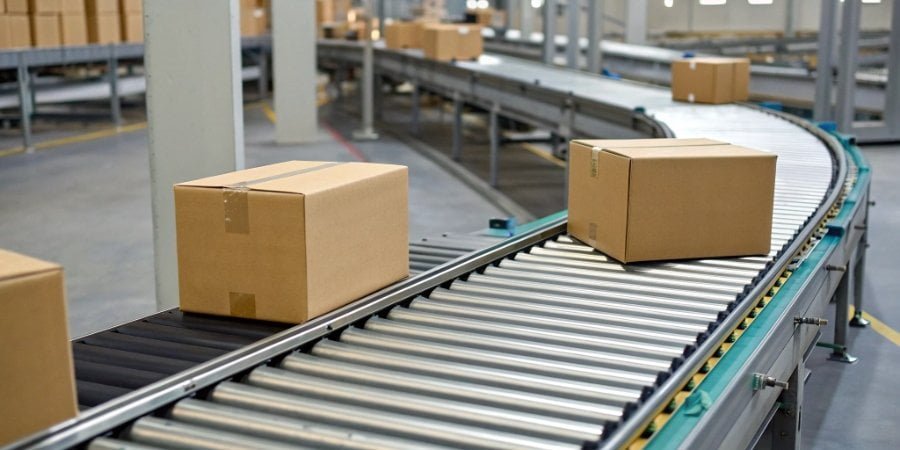
Choosing the right weighing technology can feel like a major decision. You're balancing the need for speed with the non-negotiable requirement for accuracy. In my 19 years of manufacturing industrial scales1, I've helped countless businesses navigate this exact challenge. The truth is, in-motion weighing has become a game-changer, but only when you understand its capabilities and limitations. It's not just about buying a scale; it's about integrating a system that enhances your entire workflow. Let's break down what you really need to know to make a smart investment.
What is weighing accuracy?
Have you ever been frustrated by inconsistent measurements that create doubt and waste? You need reliable data, but the numbers from your scale seem to shift, impacting your inventory and profits.
Weighing accuracy is how close a scale's measurement is to the true, or actual, weight of an object. It is the most critical factor for ensuring fair trade, quality control, and operational efficiency. A highly accurate scale produces consistent and reliable results every single time.
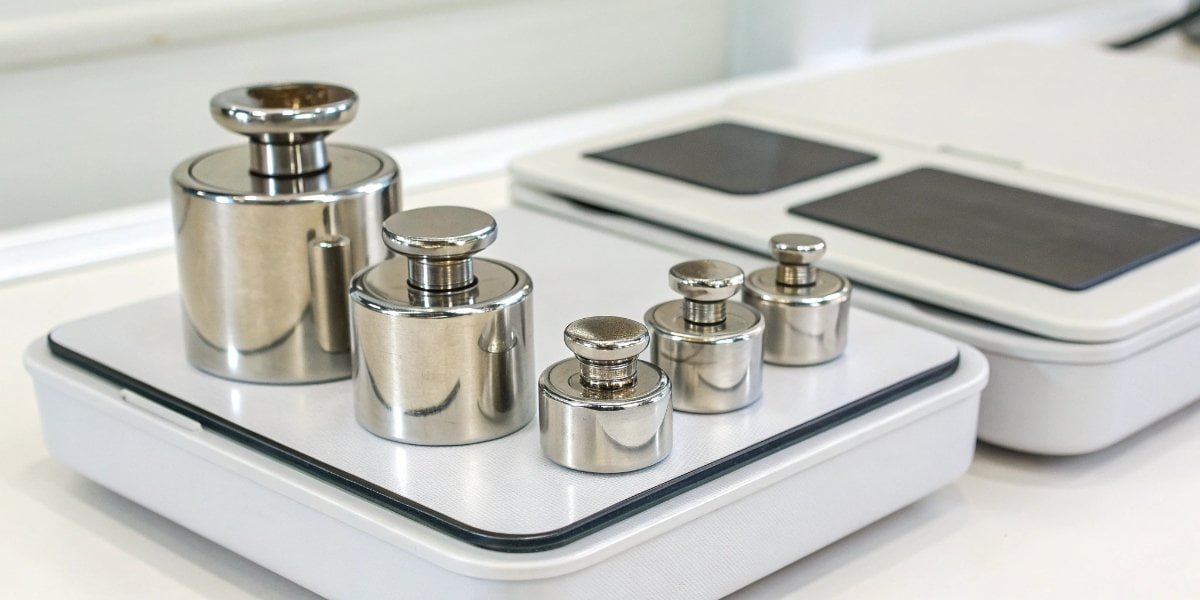
In our industry, accuracy isn't just a single number; it's a combination of factors. As a software vendor, you understand the importance of reliable data inputs, and it's no different for hardware. When my team designs a scale, we focus on several key aspects of accuracy. It's crucial to look beyond the marketing claims some manufacturers make. I've seen too many companies get burned by scales that promise high precision but fail in a real-world factory environment. True accuracy is about consistent performance day in and day out.
To help you understand this better, here are the core components of accuracy:
| Term | What it Means for You |
|---|---|
| Readability | The smallest division the scale can display. It's not the same as accuracy. A scale can show many decimal places but still be inaccurate. |
| Repeatability | The ability of the scale to show the same result when the same object is weighed multiple times. This is key for consistent process control. |
| Linearity | The scale's accuracy across its full capacity range, from the lightest to the heaviest objects it can weigh. |
Understanding these terms helps you ask the right questions and see past misleading specifications.
What will you consider for a weighing scale bought for a business?
Are you worried about investing in a scale that doesn't fit your process? Buying the wrong equipment can lead to costly downtime, integration headaches, and data that your software can't trust.
When buying a business scale, consider its specific application, required accuracy, and integration with existing systems (like software). Also evaluate the operating environment, throughput needs, total cost of ownership, and the supplier's technical support and reliability. These factors ensure you get the right tool.

Over the years, I've seen that the best purchase decisions are made when a business looks at the big picture, not just the price tag. Your goal as a software provider is to deliver seamless solutions, and the hardware you integrate with plays a huge role in that. A cheap scale that provides faulty data can make even the best software look bad. That’s why I always advise clients to think of a scale as a long-term investment in their data quality.
Here's how I guide my clients to break down their needs:
- First, define the job. What exactly are you weighing? Is it for sorting small packages in a logistics hub or checking large pallets in a warehouse? The application determines the type, size, and capacity of the scale you need.
- Second, assess the environment. Will the scale operate in a wet, dusty, or temperature-controlled area? Industrial environments demand robust construction and proper IP ratings to ensure longevity and prevent accuracy drift2.
- Third, think about connectivity. As a tech director or purchasing manager for a software company, this is your territory. You need a scale with modern communication protocols3 (like Ethernet/IP, PROFINET, or a simple API) for easy integration with your smart device software. This is where our expertise in IoT weighing really helps bridge the gap between hardware and software.
Why is it important to use standard weights and measures in trade?
Do you ever worry about customer disputes or regulatory fines due to inaccurate measurements? Without a common standard, trade becomes a matter of guesswork, eroding trust and creating financial risk.
Using standard weights and measures is vital for fair trade and building customer trust. It ensures that both buyer and seller agree on the quantity being exchanged, preventing disputes, guaranteeing regulatory compliance, and creating a transparent, efficient marketplace for everyone involved in the transaction.

In my line of work, standards are everything. They are the foundation of trust. Imagine a world where a kilogram in your facility is different from a kilogram in your customer's facility. It would be chaos. This is why international standards like OIML and national certifications like NTEP exist. They create a level playing field. When we manufacture a scale, we don't just build a weighing machine; we build an instrument of trust. Our quality control4 department rigorously tests every single unit to ensure it meets these global standards before it ever leaves our factory.
For your software business, this is equally important. Your systems rely on the data fed into them. If that data comes from a non-certified, inaccurate scale, your inventory management, shipping calculations, and billing will be wrong. This leads to unhappy customers and supply chain chaos. By insisting on hardware that uses standard measures, you protect the integrity of your software and the reputation of your company. It ensures the data your brilliant system processes is accurate from the very start, preventing a "garbage in, garbage out" scenario.
Do digital scales get less accurate?
You invested in a high-precision digital scale. But can you still trust its readings after months or years of use? It's a common concern that the initial accuracy might not last.
Yes, all digital scales can become less accurate over time. This is known as "drift" and can be caused by regular wear and tear, environmental changes like temperature, or physical damage. To maintain accuracy, regular calibration with certified weights is absolutely essential for any business.
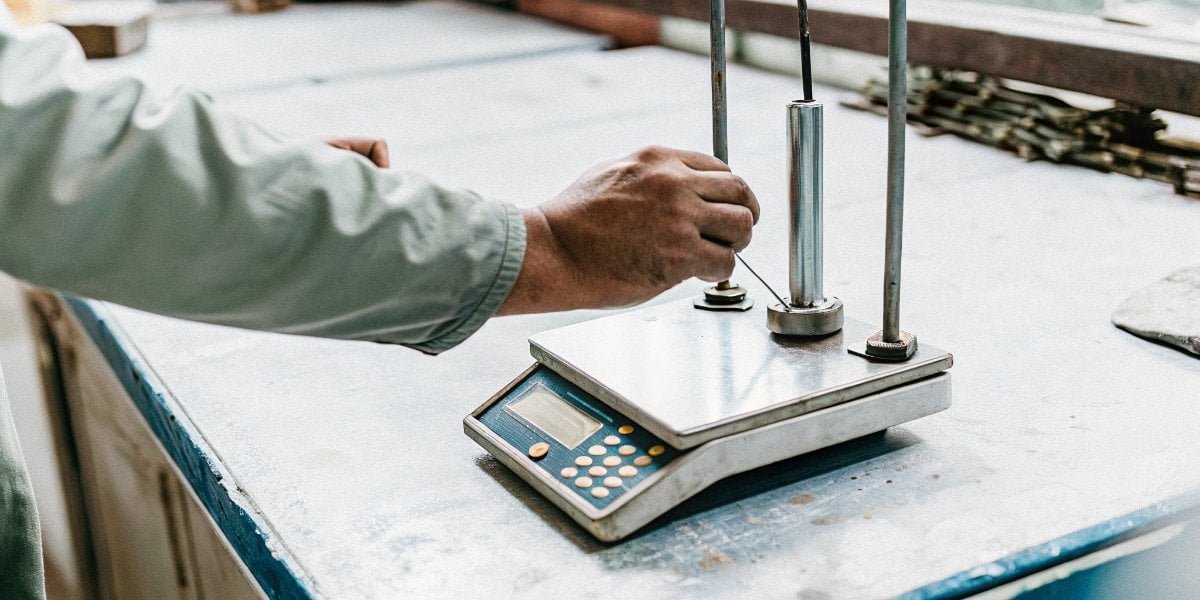
I've heard the frustrated stories from business owners who bought a scale from a supplier that made huge promises about accuracy. A year later, they find themselves dealing with measurement errors5 because the scale has drifted. This is often because the manufacturer used cheaper components that couldn't handle the stress of an industrial environment. This is exactly why my team and I are obsessed with quality. We use robust load cells6 and durable electronics designed to minimize drift.
But even the best-built scale needs maintenance. Think of it like a car; it needs regular tune-ups to perform at its best. Several factors can cause a scale to lose accuracy:
- Temperature Fluctuations: Metal components expand and contract with temperature, which can affect the sensitive load cell's readings.
- Wear and Tear: Constant use, especially with heavy loads or shocks, can physically wear down the internal mechanisms.
- Electrical Interference: Other machinery or power fluctuations can create "noise" that affects the scale's sensitive electronics.
A consistent calibration7 schedule is your best defense. This simple process corrects for any drift and ensures your scale's readings remain true. It's a small investment that protects you from much larger costs down the line.
Conclusion
Choosing an in-motion system means balancing speed and precision. By understanding your true accuracy needs and partnering with a reliable manufacturer, you get a powerful solution for your business growth.
-
Get insights on essential features that make industrial scales reliable and efficient. ↩
-
Discover the common causes of accuracy drift and how to prevent it. ↩
-
Discover which communication protocols facilitate smooth integration with your software. ↩
-
Explore the importance of quality control in manufacturing accurate and reliable scales. ↩
-
Learn strategies to minimize errors and ensure accurate measurements in your operations. ↩
-
Explore the role of load cells in ensuring precise measurements in weighing systems. ↩
-
Understand the importance of regular calibration to maintain accuracy in your scales. ↩



Comments (0)