
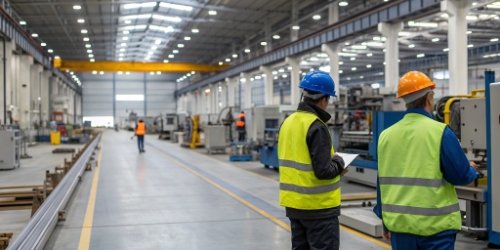
Struggling to find a reliable OEM/ODM scale partner? The risk of poor quality and miscommunication is high. We can guide you to a trustworthy source, ensuring your project's success.
Yes, finding a trustworthy manufacturer can be challenging. The key is to verify their industry experience, assess their direct manufacturing capabilities, and understand their quality control processes. This approach helps you avoid costly mistakes and delays in your project.

I've seen many companies struggle with this over my 19 years in the industry. It’s a critical decision that can make or break your product launch. But with the right approach, you can navigate this process smoothly and find the perfect partner. Let's break down how you can find a team that truly understands your vision and can bring it to life.
What Are Effective Strategies for Finding a Reliable Scale OEM/ODM Manufacturer?
Sourcing a manufacturer feels endless. You risk wasting time on suppliers who can't deliver on their promises. Focus on clear communication and proven experience to find the right partner quickly.
Effective strategies include verifying deep industry experience and speaking directly with the source factory. This avoids misunderstandings. Also, skip overpriced big brands that often use the same factories you can find yourself.

Finding the right partner is about more than just a price quote. It's about finding a team that aligns with your goals. In my experience, the most successful partnerships are built on a foundation of three core strategies. These aren't just theories; they are practical steps that have saved my clients time, money, and headaches. First, prioritize manufacturers who have been in the scale industry for many years. Next, make sure you are talking directly to the factory, not a middleman. Finally, be smart about who you approach; sometimes the biggest names aren't the best choice.
Go Straight to the Source Factory
Nothing is more important than clear communication. When you work with a middleman or a trading company, your specific needs get filtered and can be easily misunderstood. This leads to errors and delays. By dealing directly with the source factory1, you ensure your technical requirements are heard and understood by the people actually building your product. This direct line of communication speeds up development and reduces the chance of costly mistakes.
Prioritize Deep Industry Experience
A manufacturer with years of experience in the weighing industry understands the landscape. They know the technical challenges2, the market demands, and the regulatory requirements. An experienced partner like us can provide valuable insights that improve your product. They can suggest better materials, more efficient designs, or cost-saving production methods. This kind of expertise is something you only get from a team that has been doing this for a long time.
Look Beyond the Big Brand Names
Many well-known brands don't manufacture their own scales. They often outsource production to OEM/ODM factories in China and simply add their logo. When you work with them, you pay a premium for the brand name, not for superior quality. By finding the source factory yourself, you get the same, if not better, quality without the high service costs.
| Strategy | Why It Works | Benefit for You |
|---|---|---|
| Direct Communication | Removes middlemen | Clearer specifications, faster response |
| Industry Experience | Deep product knowledge | Better design, fewer problems |
| Avoid Brand Premiums | Pay for quality, not a logo | Better cost-effectiveness |
How Can You Assess the Trustworthiness of Scale OEM/ODM Suppliers?
Unsure if a potential supplier is trustworthy? A wrong choice leads to production delays and quality issues. You need a clear checklist to vet them effectively and confidently move forward.
Assess trustworthiness by examining their certifications, like CE. Understand their quality control process from start to finish. Also, check their after-sales service guarantee. These factors show their commitment to quality.

Trust isn't built overnight, but you can look for clear signs that a manufacturer is reliable. Before you commit to any partner, you need to do your homework. A truly professional manufacturer will be transparent about their processes and qualifications. They should be proud to show you how they ensure quality at every step, from the initial design to the final shipment. I always tell potential clients to ask tough questions about quality control, certifications, and what happens if something goes wrong after the sale. The answers will tell you everything you need to know.
Check for International Certifications
Certifications aren't just pieces of paper. They are proof that a manufacturer adheres to strict international standards for quality, safety, and performance. For example, the CE marking is essential for products sold in Europe. It shows that the product meets high safety, health, and environmental protection requirements. Always ask a potential partner what certifications their products hold. A lack of recognized certifications is a major red flag that indicates they may cut corners on quality.
Scrutinize the Quality Control Process
A trustworthy supplier will have a rigorous, multi-step quality control (QC) process. Ask them to walk you through it. What checks do they perform? At our facility, every single product undergoes comprehensive testing before it leaves. This includes weight accuracy tests, battery performance checks, and software functionality tests. Only after a product passes every single one of these inspections is it cleared for shipment. A detailed QC process shows that the manufacturer is serious about delivering a reliable product.
Inquire About After-Sales Support
What happens after you receive your order? A reliable partner stands behind their products. Ask about their warranty policy and after-sales support. For example, we offer a 12-month after-sales service guarantee3. This gives our clients peace of mind. It shows that we are committed to a long-term partnership, not just a one-time sale. Strong after-sales support is a clear indicator of a company's confidence in its own products.
| Assessment Area | Key Question to Ask | What a Good Answer Looks Like |
|---|---|---|
| Certifications | "What international certifications4 do your products have?" | "Our products are CE certified and meet other regional standards." |
| Quality Control | "Can you describe your QC process before shipment?" | "We have a multi-step check: weight, battery, and software tests." |
| After-Sales | "What is your warranty and support policy?" | "We provide a 12-month service guarantee and technical support." |
What Challenges Do Companies Face in Sourcing OEM/ODM Scale Manufacturers?
Sourcing OEM/ODM partners is full of hurdles. Communication barriers and quality inconsistencies can derail your project. Understanding these common challenges is the first step to overcoming them successfully.
Companies often face challenges like communication gaps with middlemen, inconsistent product quality, and hidden costs. A lack of customization flexibility is also common. Choosing a direct, experienced manufacturer helps mitigate these risks.

Over the years, I've heard the same stories of frustration from new clients. They come to us after a bad experience with another supplier. The challenges they face are often predictable. The biggest issues usually stem from a lack of transparency and direct control over the manufacturing process. When you're thousands of miles away, you need to trust your partner completely. Unfortunately, many companies learn the hard way that not all manufacturers are created equal. The most common problems are poor communication, getting a product that doesn't meet quality standards, and finding out the costs are higher than you were first told.
Communication and Integration Issues
This is a huge challenge, especially for software-focused companies. You need a scale's hardware to integrate seamlessly with your software. If you're dealing with a salesperson who doesn't understand the technical details, your requirements can get lost in translation. This leads to compatibility problems and endless troubleshooting. Direct access to the manufacturer's technical team is essential. It ensures that both the hardware and software teams are perfectly aligned from day one, which prevents integration headaches down the road.
Inconsistent Product Quality
One of the biggest fears in OEM/ODM is inconsistency. The sample you approved was perfect, but the full production run has flaws. This often happens with manufacturers that have weak quality control systems. They might cut corners on materials or rush the assembly process to save money. This not only hurts your brand's reputation but also leads to high costs from returns and repairs. A reliable partner must have a proven track record of delivering consistent quality on every single unit, not just the samples.
Hidden Costs and Uncertain Returns
The initial quote you receive might look attractive, but hidden costs5 can quickly inflate your budget. These can include fees for tooling, unexpected shipping charges, or extra costs for minor customizations. Furthermore, if the product quality6 is low or the after-sales support is poor, your return on investment suffers. You end up spending more on maintenance and customer support. It is critical to work with a manufacturer who provides transparent pricing and focuses on long-term value, not just a low initial price.
| Common Challenge | How to Solve It |
|---|---|
| Communication Gaps | Work directly with the factory's technical team. |
| Inconsistent Quality | Choose a partner with a documented, multi-stage QC process. |
| Hidden Costs | Ask for a detailed quote and discuss all potential charges upfront. |
How Do Industry Leaders Choose Trustworthy OEM/ODM Partners for Scale Production?
Wondering how successful brands choose their partners? They seem to avoid the common pitfalls. Their secret lies in a strategic approach that focuses on long-term value and true partnership.
Industry leaders prioritize partners with strong R&D teams, proven technical expertise, and the ability to offer customized solutions. They look beyond the product to find a manufacturer who acts as a strategic ally.

Successful companies don't just look for a supplier; they look for a partner. They understand that the right manufacturer can be a powerful asset that helps them innovate and grow. This is a shift in mindset. Instead of focusing only on the cost per unit, they evaluate a manufacturer's overall capabilities. They want to know if the potential partner has a strong engineering team and if they are investing in new technology. They look for a company that can work with them to develop custom solutions that meet specific market needs. This strategic approach is how they build a competitive advantage.
They Prioritize a Strong R&D Team
Industry leaders know that innovation is key to staying ahead. That's why they actively seek out OEM/ODM partners who have a dedicated research and development (R&D) team. A manufacturer with experts in industrial weighing, automation, and IoT can do more than just build a product to your specifications. They can collaborate with you to create something truly new and powerful. They can help you integrate cutting-edge technologies like cloud connectivity or AI into your products, giving you a significant edge in the market.
They Demand Customization and Flexibility
One size never fits all. Leading companies need partners who can tailor products to their specific market. This could mean developing a scale for a specialized industry, creating custom software features, or designing unique enclosures. A generic, off-the-shelf product is not good enough. They choose manufacturers who listen to their needs and have the engineering talent to provide targeted, cost-effective solutions. This flexibility allows them to quickly respond to market changes and customer demands.
They Build a Win-Win Partnership
The best business relationships are built on mutual success. Leaders don't view their manufacturer as a disposable vendor. They see them as a long-term partner in growth. They look for a company whose vision aligns with their own. The goal is to create a win-win situation where the manufacturer helps the client grow their sales and profits. In return, the manufacturer gets a loyal, long-term customer. This collaborative approach leads to better products, smoother processes, and shared success.
| Partner Characteristic | Why It's Important for Leaders |
|---|---|
| Strong R&D Capabilities | To drive innovation and stay competitive. |
| Customization Flexibility | To meet specific and evolving market needs. |
| Partnership Mindset | To build a reliable, long-term supply chain for growth. |
Conclusion
Finding a trustworthy OEM/ODM partner is crucial. Prioritize experience, direct factory communication, and robust quality control. Let us be the expert guide you need for success and fewer detours.
-
Learn about the concept of a source factory and its importance in the manufacturing process. ↩
-
Identifying technical challenges can help you prepare for potential issues in your projects. ↩
-
An after-sales service guarantee can provide peace of mind; discover its significance in partnerships. ↩
-
Explore the importance of international certifications for ensuring product quality and safety. ↩
-
Identifying hidden costs can prevent budget overruns and ensure better financial planning. ↩
-
Ensuring product quality is vital; explore strategies to maintain high standards. ↩



[…] Partnering with a hardware manufacturer like us allows you to do the latter. We have 19 years of OEM/ODM experience4. We provide robust, certified scales that are built to last and ready to be integrated. We handle […]