
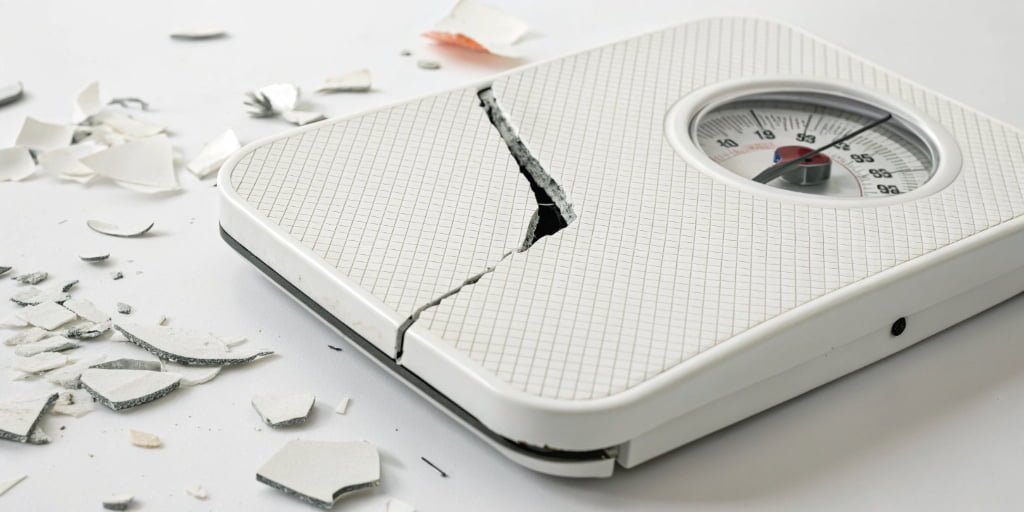
A broken scale halts your operations and costs you money. You're stuck wondering whether a quick fix or a new purchase is the smarter financial move.
Deciding whether to repair or replace a broken scale depends on the cost. If the repair is less than 30-50% of the replacement price, repair it. If it's more, or if the scale is over 5 years old, replacing it is often the better long-term investment.

The decision to repair or replace isn't always simple. It’s not just about the immediate cost. You also need to think about how old the equipment is, how urgently you need it back online, and whether you can even get the right parts. As a manufacturer with 18 years of experience, I've guided many clients through this exact problem. Let's break down the factors so you can make a confident choice that benefits your business not just today, but for years to come.
Can a weighing scale be repaired?
Your scale is broken, stopping work. You worry a repair isn't possible, forcing you to buy a new one. The good news is, most scales can indeed be fixed.
Yes, most commercial and industrial weighing scales can be repaired. Common fixes include recalibrating sensors, replacing screens, fixing power issues, or swapping out a damaged load cell. The feasibility depends on the extent of the damage and the availability of spare parts for your specific model.
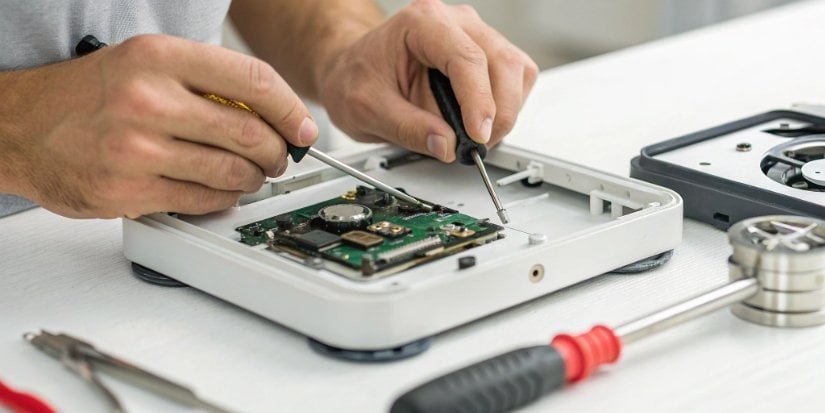
In my experience building and servicing scales, I can tell you that they are designed to be serviceable. Many issues that seem catastrophic are actually routine fixes for a qualified technician. The key is to understand what can and cannot be easily repaired.
Common Repairable Issues
- Calibration Drift: This is when the scale loses its accuracy. A technician can easily recalibrate it.
- Display Malfunction: A blank or flickering screen can usually be fixed by replacing the display unit.
- Power Problems: Issues with power adapters, internal batteries, or connections are often straightforward to diagnose and repair.
- Load Cell Damage: While more serious, a single damaged load cell in a multi-cell system can often be replaced without needing a whole new scale.
When a Scale is Beyond Repair
Sometimes, repair is not practical. If the scale has suffered a crushed frame from a major impact, or extensive corrosion from chemical spills or water damage, the structural integrity is compromised. Another major hurdle is when a scale is so old that the manufacturer, like us, no longer produces spare parts for it. In these cases, replacement becomes the only option.
What should you do if your scale is broken?
Your scale just failed. Production is at a standstill, and you don't know what to do first. Don't worry. Following a clear plan can resolve the issue efficiently.
First, stop using the scale and perform basic troubleshooting like checking the power. Next, contact the original supplier or a certified repair technician for a professional diagnosis and a quote. This information is essential for deciding whether to repair or replace the unit.

When a crucial piece of equipment fails, the first instinct might be to panic. But a methodical approach will save you time and money. Here is the step-by-step process we recommend to our own clients when they face this situation.
Step 1: Troubleshoot the Basics
Before calling for help, take a moment to check the easy things. Is the power cord plugged in firmly? Is the outlet working? Look for any debris under the weighing platform that could be obstructing movement. Sometimes, a simple power cycle—turning the scale off and back on again—can resolve a minor software glitch. This simple checklist can sometimes save you the cost of a service call.
Step 2: Get a Professional Diagnosis
If basic troubleshooting doesn't work, it's time to call in an expert. Contact the company you bought the scale from or a certified technician. As a manufacturer, we provide technical support because we know our equipment inside and out. Give the technician as much detail as possible. What was the scale doing before it failed? Did it show an error code? This information helps them diagnose the problem faster.
Step 3: Evaluate the Quote
The technician will provide a diagnosis and a quote for the repair. This is the most critical piece of information you need. With the repair cost in hand, you can now compare it directly against the price of a new scale and make an informed, cost-effective decision.
What is the typical lifespan of an industrial digital scale?
You have an older scale and you're thinking about repairing it. But how long should it even last? Investing in a repair for equipment near its end-of-life is a waste.
The lifespan of a high-quality industrial digital scale is typically between 5 and 8 years with proper maintenance. Heavy-duty or specialized scales can last even longer, while cheaper, lighter-use models might only last 3 to 5 years before needing replacement.
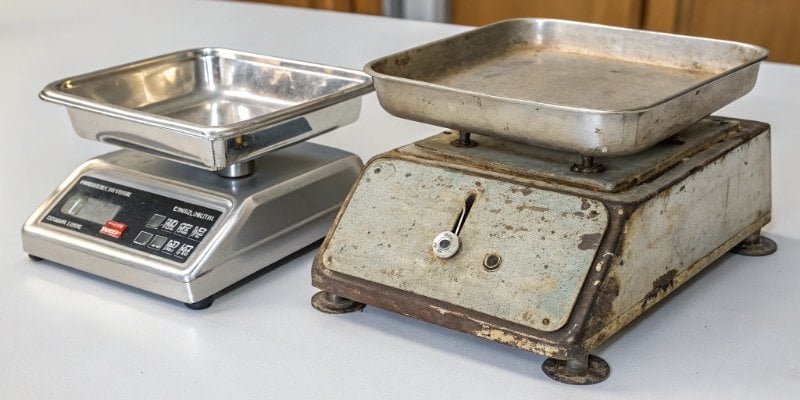
As someone who oversees the production of industrial scales, I can tell you that not all scales are created equal. The expected lifespan depends heavily on its build quality1, the environment it's used in, and how well it is maintained. Understanding this helps you gauge whether a repair is a sensible investment or just a temporary patch.
Factors That Determine a Scale's Lifespan
- Build Quality: This is paramount. Our scales use high-grade materials like stainless steel and certified components because we know it makes them last longer. A scale with a cheap plastic housing and unprotected electronics simply won't survive long in an industrial setting.
- Operating Environment: A scale used in a clean, dry office will outlast one used in a wet, dusty, or high-vibration factory floor. Scales designed for harsh environments, often called washdown scales, have special seals and construction to protect them and extend their life.
- Maintenance Schedule: Regular cleaning and professional calibration are not expenses; they are investments. A well-maintained scale remains accurate and functional for much longer.
| Scale Type | Average Lifespan (with proper care) | Key Factor |
|---|---|---|
| Basic Commercial Scale | 3-5 years | Light-duty use in a clean environment. |
| Standard Industrial Scale | 5-8 years | Designed for daily, heavy use with regular maintenance. |
| High-End/Washdown Scale | 8-10+ years | Built with robust materials for harsh environments. |
If your scale is already more than five years old, replacing it could offer better long-term value, giving you a new warranty and access to modern technology.
How do you decide if a repair is worth the cost?
You have the repair quote and the price of a new scale. The numbers are close, making the decision hard. You need a clear framework to choose the best financial option.
Use the 30/50 rule. If the repair costs less than 30% of a new scale's price, repair it. If it costs more than 50%, replace it. For costs in between, consider the scale's age and the impact of downtime before making your choice.

Making the right financial decision goes beyond just comparing two numbers. Over my 18 years in this industry, I've helped countless partners develop a simple but effective framework for this choice. It balances immediate savings with long-term value and operational stability.
The Cost-Benefit Decision Framework
This table breaks down the simple rule we use to advise our clients. It provides a clear, data-driven starting point for your decision.
| Repair Cost vs. New Price | Recommendation | Rationale |
|---|---|---|
| Under 30% | Repair | This is a cost-effective fix2 for a minor problem. It gets your equipment back online quickly without a major capital expense. |
| 30% - 50% | Evaluate | Here, you need more information. If the scale is fairly new and has over 2 years of expected life left, a repair makes sense. If it's old, replacement is smarter. |
| Over 50% | Replace | Spending this much on an old unit is risky. You could face another repair soon. Replacement gives you a new warranty, updated technology, and peace of mind. |
Other Factors You Must Consider
- Downtime Cost: How much revenue do you lose for every hour the scale is out of service? Sometimes, a quick replacement is cheaper than waiting a week for a repair part to arrive.
- Technology & Integration: A new scale offers more than just a warranty. For you as a software provider, newer models with IoT capabilities can offer seamless data integration with your systems—a powerful selling point for your own customers.
- Parts Availability: If your scale is an old or obscure model, finding parts can be impossible. As an OEM, we stock parts for our clients, but not all manufacturers do. A lack of parts forces you to replace the unit.
Conclusion
The repair vs. replace decision for a scale depends on cost, age, and downtime. Use the 30%/50% rule as a guide, but always consider the long-term value of a new device.


Comments (0)