
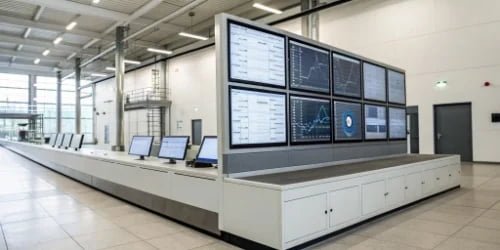
Are you tired of juggling data from different scales? This disjointed approach often leads to errors and wasted time. A centralized platform offers a powerful solution to streamline your entire weighing operation.
Yes, you can absolutely manage multiple scales from one centralized platform. Modern scale management software connects your weighing instruments over a network, allowing you to monitor, control, and collect data from all devices through a single, user-friendly interface for maximum efficiency and data consistency.
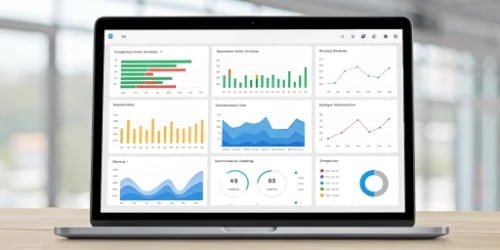
In my 19 years of manufacturing industrial scales, I’ve seen countless companies struggle with disconnected systems. They spend more time trying to reconcile conflicting data than actually using it to make decisions. The move to a centralized system is often the single biggest leap forward they make in operational efficiency1. It simplifies complexity and provides the clear, coherent data needed to run a modern business. Let’s dive deeper into how this works and the benefits it can bring to your operations.
How can you control multiple scales using a centralized system?
Do your scales operate like isolated islands, making unified control impossible? This separation leads to inconsistent settings and costly manual errors. A central system connects them all for streamlined command and control.
You control multiple scales using software that connects to each instrument via a network like Ethernet or Wi-Fi. This provides a central dashboard to remotely calibrate, tare, and monitor readings for all connected scales at once from a single computer, tablet, or another smart device.
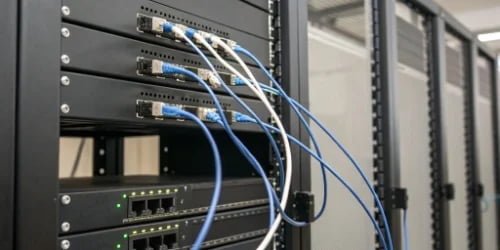
The core idea is to create a digital bridge between your physical scales and a single software hub. From my experience, this technology is no longer a future concept; it's a practical solution we implement for clients every day. Each scale is equipped with a communication module that transmits data over your local network or the internet. The central software then acts as the command center, collecting this data and allowing you to send instructions back to the scales.
The Core Components of Centralized Control
You can perform critical functions remotely, which dramatically changes how you manage your workflow2. Instead of an operator walking to each scale to perform a task, they can execute it from a control room. This is especially crucial in large facilities or for processes that require synchronized actions3 across multiple weighing points. Imagine adjusting tare weights for an entire production line with a single click. That's the power we're talking about.
| Feature | Manual Management | Centralized Management |
|---|---|---|
| Calibration | On-site, one by one | Remote, multiple at once |
| Data Logging | Manual entry, prone to error | Automatic, real-time |
| Troubleshooting | Requires physical inspection | Remote diagnostics |
| Workflow | Disjointed and slow | Synchronized and fast |
This unified management approach gets rid of the integration headaches I see so often. You are no longer trying to make different systems talk to each other. Instead, you have one coherent system providing a single source of truth for all your weighing data.
What are the benefits of managing multiple scales from a single platform?
Is managing each scale individually slowing down your operations? This inefficiency eats into your time and profits. Centralized management is the key to unlocking major operational benefits and cost savings.
The main benefits are improved efficiency through simultaneous control, higher data accuracy by removing manual entry, real-time visibility across all operations, and cost savings from reduced labor and better resource management. It gives you a complete, unified view of your weighing process.
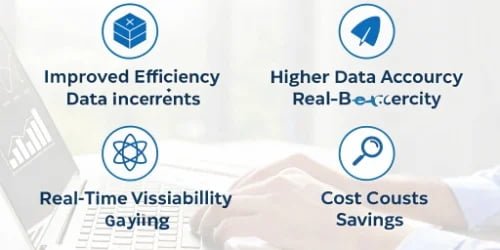
When we help clients switch to a centralized platform4, the impact is immediate and measurable. The most obvious change is the boost in productivity. But the advantages go much deeper, affecting data quality, decision-making, and your bottom line. Centralizing data collection eliminates the risk of human error from manual transcription, a common pain point that leads to costly mistakes in inventory or batching.
Enhanced Data Integrity
Real-time data access is another game-changer. Waiting for end-of-shift reports is a thing of the past. With a central system, managers can see live data from every scale, allowing them to spot issues and make informed decisions instantly. This ensures data timeliness, which is crucial for dynamic production environments5. For my clients who are software vendors, this is vital. Their systems need clean, real-time data, and our centralized platform provides exactly that.
| Benefit | Impact on Operations |
|---|---|
| Efficiency | Reduces labor time for data collection and scale management. |
| Accuracy | Eliminates manual data entry errors, ensuring reliable information. |
| Visibility | Provides a real-time, comprehensive view of all weighing activities. |
| Cost Savings | Lowers labor costs and reduces waste from inaccurate measurements. |
Ultimately, these benefits lead to a more streamlined, reliable, and profitable operation. You're not just buying scales; you're investing in an intelligent system6 that enhances your entire business process.
Can a centralized interface improve efficiency in scale management?
Does your team waste hours walking between scales and manually writing down numbers? These repetitive and slow tasks destroy productivity and create opportunities for error. A single interface can revolutionize your entire workflow.
Absolutely. A centralized interface eliminates the need for manual, one-by-one scale management. Operators can execute tasks for multiple scales from one screen, reducing physical movement and repetitive work. This accelerates workflows, minimizes human error, and frees up your team for more critical tasks.
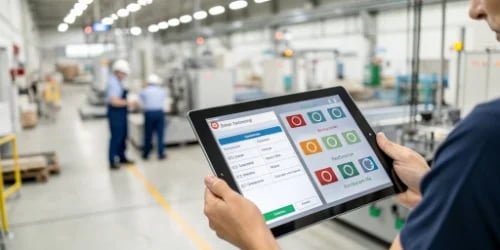
Think about a typical day for an operator in a facility with ten scales. Before centralization, a lot of their time is spent just moving from one station to the next, checking readings, and logging them in a notebook or local computer. It’s an inefficient and outdated process. I've worked closely with technical directors to map out their workflows, and the amount of time saved by switching to a central interface is often staggering.
Streamlining Daily Operations
A "before and after" comparison makes the benefit clear. Before, a task like starting a new batch recipe might involve visiting five different scales to set parameters. After, the operator can load the recipe from a central console, and all five scales are configured automatically in seconds. This not only saves time but also ensures consistency and reduces the chance of someone setting a parameter incorrectly.
A Simplified Workflow Example:
- Old Way: Operator walks to Scale A, sets tare. Walks to Scale B, sets tare. Repeats for all scales.
- Centralized Way: Operator selects a group of scales on the dashboard and clicks "Tare All".
This simplification means your team needs less training because they only have to learn one system. It empowers them to manage more complex processes without feeling overwhelmed, directly improving your operational capacity and output.
How does integrated scale management enhance operational coherence?
Is your data from different scales telling different stories? This lack of harmony creates confusion and disrupts the entire flow of your production line. Integration is the solution to create a single, coherent operational picture.
Integrated management ensures all scales follow the same protocols and data standards. This creates a unified data stream that connects seamlessly with other business systems, like your ERP or WMS, building a cohesive operational view from raw material intake to final shipping.
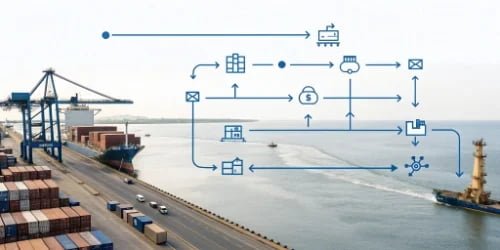
One of the biggest problems I help clients solve is data silos7. This happens when each scale, or each department, operates on its own island. The data from receiving doesn't easily talk to the data from production, which doesn't talk to the data from shipping. My insight from years in this field is simple: a centralized system avoids these fusion problems entirely. It acts as a universal translator, ensuring everyone is working with the same, up-to-the-minute information.
Breaking Down Data Silos
This integration is especially important for my clients in the software industry. Their solutions often need to pull data from many sources to provide valuable insights. A unified weighing system with a clean API makes their job of integrating our hardware into a larger digital ecosystem much easier. It removes compatibility issues and ensures the data they receive is reliable and timely. This enhanced coherence means your weighing system is no longer just a measurement tool; it's a vital, connected part of your overall business intelligence strategy8.
| Data Management | Siloed Systems | Integrated System |
|---|---|---|
| Data Consistency | Low; prone to discrepancies | High; single source of truth |
| System Interaction | Difficult; requires manual fusion | Seamless; automatic data flow |
| Decision Making | Slow; based on fragmented data | Fast; based on a complete picture |
| Reporting | Time-consuming and complex | Automated and comprehensive |
By creating operational coherence, you turn isolated data points into a powerful, interconnected network of information that drives smarter, faster, and more profitable business decisions.
Conclusion
Centralized scale management is possible and essential for modern operations. It drives efficiency, guarantees data accuracy, and creates a unified, coherent view of your entire business, paving the way for growth.
-
Understand the impact of centralized management on your overall operational efficiency. ↩
-
Learn best practices to streamline your workflow and improve efficiency. ↩
-
Learn about the benefits of synchronized actions for improved workflow. ↩
-
Explore how a centralized platform can streamline your operations and enhance efficiency. ↩
-
Explore common challenges in production environments and how to overcome them. ↩
-
Discover the characteristics of an intelligent system that enhances operations. ↩
-
Explore strategies to break down data silos for better data flow. ↩
-
Understand the role of scale management in enhancing your business intelligence. ↩



Comments (0)