
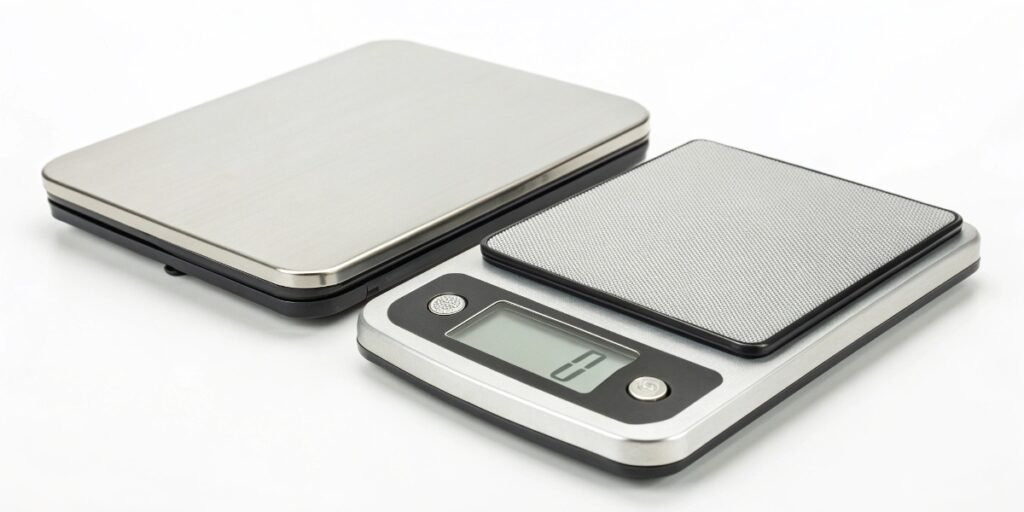
Inaccurate weights costing your business money? Frustrated by inconsistent readings? A high-quality digital scale can eliminate these problems and save you more in the long run.
Yes, for business use where precision and reliability are critical, a high-quality industrial scale is a valuable investment. It reduces errors, boosts efficiency, and cuts hidden costs. For casual home use, a standard scale is usually enough.
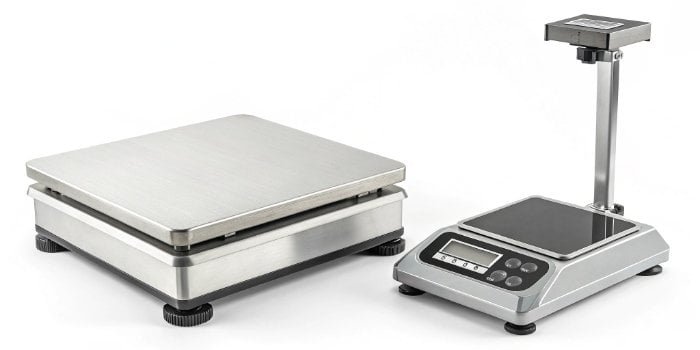
This seems straightforward, but the real value is more than just the price tag. As a manufacturer with nearly two decades of experience, I've seen firsthand how the right scale can transform an operation. The difference between a basic scale and an industrial-grade one is the difference between a recurring problem and a permanent solution. Let’s break down the key questions I hear from clients to help you decide if the investment is right for your business.
Are digital scales more accurate than analog scales?
Tired of squinting at a wobbly needle on an old analog scale? Guessing the exact weight costs you time, accuracy, and money. Digital scales provide instant, precise readings you can trust.
Generally, yes. Digital scales offer higher precision, resolution, and readability than most analog (mechanical) scales. They eliminate human error from reading a dial and provide consistent results, which is crucial for any business operation.
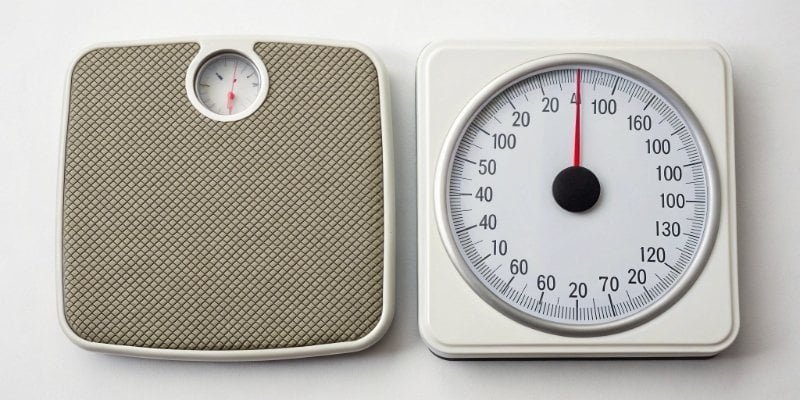
In my years of designing weighing solutions, the debate between digital and analog comes up often. While a high-end mechanical scale can be very robust, for most modern business applications, digital is the clear winner. The accuracy isn't just about what the scale is capable of; it's about usable, repeatable accuracy in a real-world environment. Digital scales remove the guesswork. There's no parallax error from viewing a needle at an angle, and features like the "tare" function—which resets the display to zero—are standard. This is essential for net weight calculations in packaging or formulation.
For a software vendor or any tech-focused business, the biggest advantage is data integration1. Our industrial scale2s can connect directly to your systems, feeding weight data into inventory management, quality control, or shipping software automatically. This eliminates manual data entry errors and streamlines your entire workflow. An analog scale simply can't do that.
Here is a quick comparison:
| Feature | Digital Scale | Analog (Mechanical) Scale |
|---|---|---|
| Precision | Very high, can measure small increments | Moderate to low |
| Readability | Clear, backlit digital display | Manual reading of a dial/needle |
| Features | Tare, unit conversion, data output | Basic weighing only |
| Calibration | Electronic, often simple to perform | Mechanical, may require a technician |
| Integration | Can connect to software and other devices | Not possible or very limited |
Can digital scales give wrong readings?
You invested in a new digital scale, but are you certain it’s always right? Small, hidden errors can easily add up to huge financial losses over time. Knowing why scales fail is the first step to preventing it.
Absolutely. Digital scales can give wrong readings due to several factors. These include improper calibration, environmental influences like temperature or vibrations, an unlevel surface, low batteries, or internal component damage. Regular checks are essential.
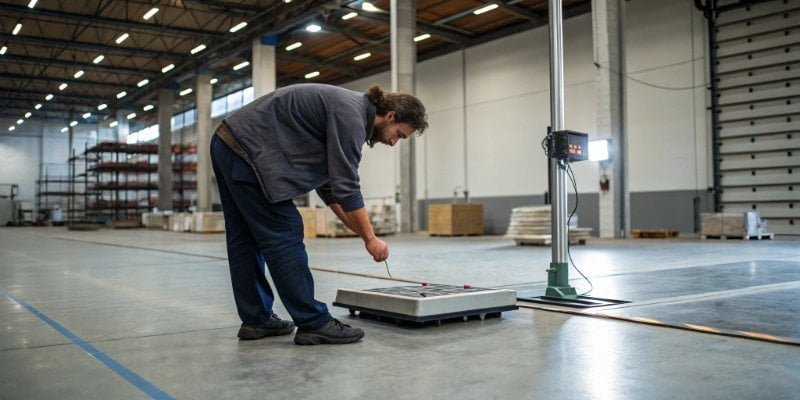
A digital scale is a precision instrument, and like any instrument, it can be thrown off. It's not that the scales are inherently faulty; it's that they are sensitive to their surroundings and require proper handling. I once visited a client whose inventory counts were consistently off, causing major headaches. We discovered their main floor scale was placed right next to a large piece of machinery that vibrated constantly. These tiny vibrations were enough to skew every single reading.
To avoid wrong readings, you need to control for three main areas:
-
### Environmental Factors
Sudden temperature changes, air drafts (from a fan or open door), humidity, and physical vibrations can all affect the sensitive load cell3s inside the scale. For best results, a scale should be used in a stable, controlled environment. -
### User Error
The most common mistake is using the scale on an unlevel surface. Most of our industrial scales come with adjustable feet and a level bubble for this exact reason. Overloading the scale beyond its capacity can also cause permanent damage and lead to future inaccuracies. -
### Maintenance Issues
This is the big one. A scale is only as accurate as its last calibration4. Over time, all scales drift. Regular calibration with certified weights is non-negotiable for any serious business. Also, something as simple as low battery power can cause fluctuating, incorrect readings.
What is the lifespan of a good scale?
Investing in new equipment can feel like a gamble. Will it last one year or ten? Understanding the expected lifespan of a scale helps you budget and plan for the future without costly, unexpected replacements.
The lifespan of a good industrial digital scale can range from 10 to 20 years, or even longer with proper care. This depends heavily on the build quality, usage environment, and consistent maintenance schedules. Cheaper, consumer-grade scales may only last a few years.
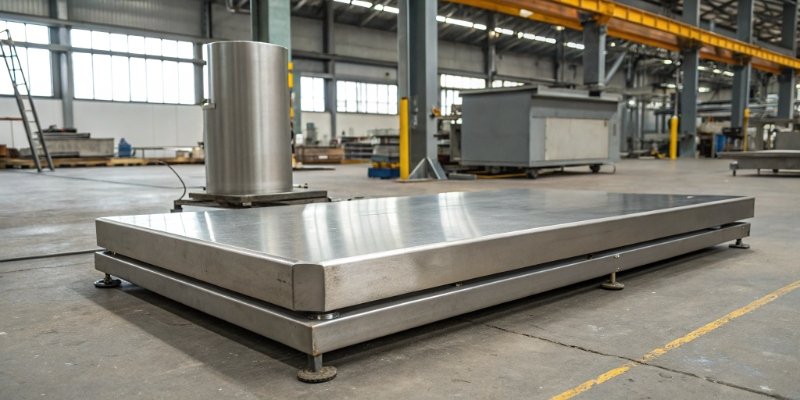
When you invest in a high-quality industrial scale, you are paying for longevity. It's not just a piece of equipment; it's a long-term asset. We design our scales at Weigherps with this in mind. The difference in lifespan comes down to a few key areas that are often overlooked when just comparing prices.
First is the build quality5. A cheap scale might use a thin plastic casing, while our industrial scales use thick stainless steel or powder-coated steel. This protects the delicate internal electronics and load cells from impacts, moisture, and chemicals. The IP (Ingress Protection) rating is also crucial. An IP67-rated scale, for example, is fully protected from dust and can withstand being submerged in water, making it ideal for harsh or food-processing environments.
Second is the quality of the components themselves, especially the load cell. This is the heart of the scale. High-quality load cells are more resistant to drift, temperature changes, and wear over time.
Finally, a proper maintenance routine is key. A scale that is cleaned regularly and calibrated professionally once or twice a year will vastly outlast one that is neglected. This is why we provide a 12-month service guarantee and comprehensive support—we want your investment to last.
How to tell if a digital scale is accurate?
You rely on your scale for critical business data, from shipping weights to ingredient portions. But how can you be sure that trust isn't misplaced? An inaccurate scale can be a silent profit killer.
The most reliable way is using certified calibration weights. Place a known weight on the scale and see if it displays the correct value. You can also use a common object with a known, consistent weight for a quick spot-check.
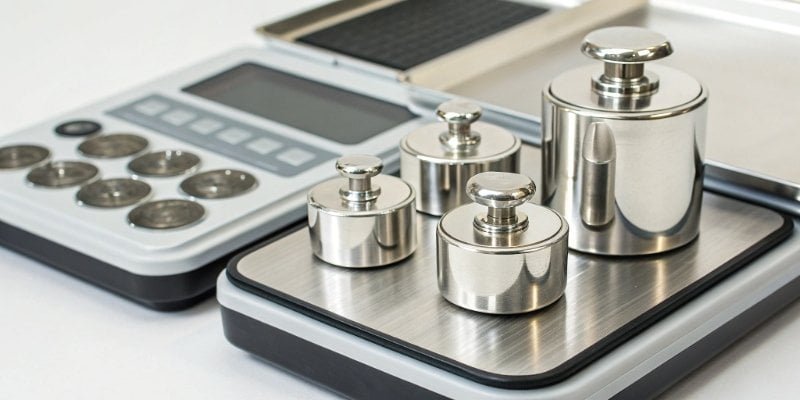
At Weigherps, every single scale that leaves our factory has gone through a comprehensive testing process with certified weights. But once it's in your facility, you should have your own process for verifying its accuracy. You don’t have to be a Metrology expert to do it. Here are a few simple but effective tests you can perform regularly.
-
### The Calibration Weight Test
This is the gold standard. Calibration weights are manufactured to an extremely precise weight. If you place a 10kg calibration weight on your scale, it should read exactly 10.00kg (within its specified tolerance). For any business, investing in at least one certified weight is a smart move. -
### The Repeatability Test
Place an object on the scale and note the weight. Remove it, then place it back on the scale again. Do this 5-10 times. A reliable scale will show the exact same weight every single time. If the numbers fluctuate, it indicates a problem. -
### The Corner Load Test
This one is crucial for platform scales. Place your test weight in the center of the scale, then move it to each of the four corners. The reading should remain the same regardless of where the weight is on the platform. If it changes, this points to a faulty load cell or a damaged frame.
Performing these quick checks can give you confidence in your measurements and alert you when professional service or recalibration is needed.
Conclusion
So, is a more expensive scale worth it? For your business, the answer is a clear yes. It’s an investment in accuracy, reliability, and efficiency that pays for itself.
-
Explore the benefits of integrating digital scales with inventory and quality control systems. ↩
-
Learn why industrial scales are crucial for precision and reliability in business settings. ↩
-
Learn about the critical function of load cells in ensuring precise weight measurements. ↩
-
Discover the significance of regular calibration in maintaining scale accuracy. ↩
-
Explore how the materials and construction of a scale influence its durability and accuracy. ↩

[…] initial cost4, better […]