

You need an animal's weight but have no scale nearby. Guessing can lead to wrong feeding amounts or medicine doses. Luckily, practical methods exist for a very close estimation.
Yes, you can estimate an animal's weight without a scale by using body measurements and specific formulas for livestock like cattle or pigs. Alternative methods include using water displacement for smaller animals or simple leverage tools for a rough, but useful, weight approximation.
In my 18 years in the industrial scale business, I’ve heard countless stories from farmers and vets who found themselves in situations where a scale just wasn't available. These clever estimation methods are born from necessity. They are incredibly resourceful. But they also show us exactly why precise weighing is so important in professional settings. It's a constant balance between finding a convenient estimate and needing absolute accuracy. As a manufacturer, we aim to close that gap with technology. Let’s look at some of these traditional methods.
How can you estimate an animal’s weight without using a scale?
You need a quick weight check for your livestock. But you're in the field with no scale, risking miscalculation on important decisions. Use simple body measurements for a reliable estimate.
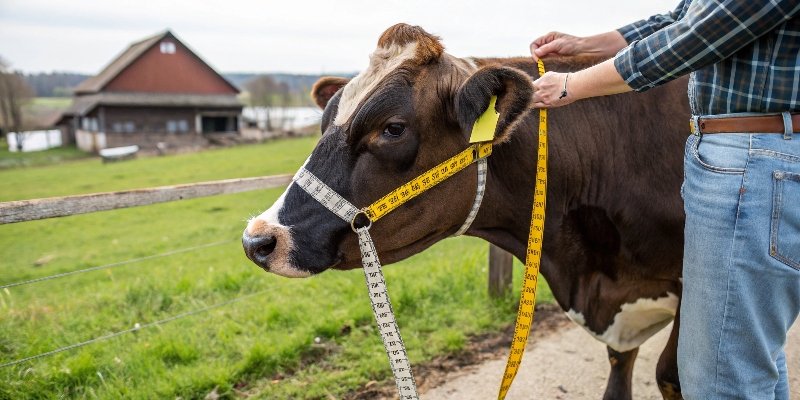
You can estimate animal weight by measuring its body length and chest girth. By plugging these numbers into a species-specific formula, you get a surprisingly close weight. It's a practical field method used by farmers and vets when a scale is out of reach.
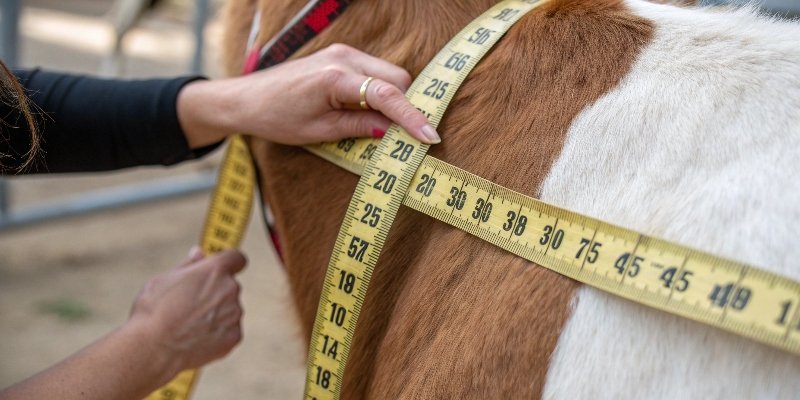
This method is surprisingly effective and has been used for generations. The key is to take the measurements correctly and use the right formula for the specific animal. I remember talking to a long-time cattle rancher who used this method for his herd for over 20 years. He said it was great for general tracking. However, he ran into trouble when he needed to administer expensive medication based on weight. A small error in his estimate led to a significant financial loss1. That experience is what prompted him to invest in one of our professional livestock scales. He saw firsthand that while estimates are useful, precision pays for itself.
Key Body Measurements
- Body Length: Measure from the midpoint between the ears to the base of the tail (in cm).
- Chest Girth: Wrap the tape measure around the widest part of the animal's chest, just behind the front legs (in cm).
| Animal | Formula | Estimated Error |
|---|---|---|
| Pig | Weight (kg) = (Body Length × Chest Girth) / 160 | ± 2.5 kg |
| Cattle | Weight (kg) = (Body Length × Chest Girth²) / 10800 | ± 2.5 kg |
Are there alternative methods to accurately weigh livestock when a scale is not available?
Body formulas are not always practical, especially for smaller or unusually shaped animals. You're stuck without a way to get a weight reading. Try using basic physics for a clever workaround.
Yes, alternative methods exist. For smaller animals, the water displacement method works well. For larger ones, a simple lever balance can be made with a sturdy pole and a known counterweight, like a bag of sand, to find the approximate weight.

As engineers and manufacturers, we have a deep respect for the fundamental principles of physics. After all, our advanced digital scales are built upon these same ideas. Seeing them applied in such a low-tech, creative way is fascinating. These methods show incredible ingenuity. They form the very foundation of weighing technology. Our high-tech load cells are, in essence, just a highly sophisticated and precise application of the same lever principle you can create with a plank and a rock. It’s a great reminder that technology is about refining basic concepts to achieve greater accuracy and reliability for our customers.
Water Displacement Method
This technique is based on Archimedes' principle and is perfect for small-to-medium animals that can be safely handled.
- Fill a large container with water and mark the water level.
- Carefully submerge the animal in the water.
- Mark the new, higher water level.
- Remove the animal and measure the volume of water needed to raise the level from the first mark to the second. One liter of displaced water is equal to one kilogram of weight.
Leverage Balance Method
For larger animals, you can build a makeshift balance.
- Find a strong, long pole or plank and a pivot point (like a sturdy log or rock).
- Place the animal securely on one end of the lever.
- On the other end, add items of a known weight (e.g., bags of feed, sand, or water containers) until the plank balances.
- The total weight of the items on the other end is your animal's approximate weight.
What tools or formulas can be used to calculate an animal’s weight in the absence of a weighing scale?
You have the measurements but dislike doing manual math in your head. Calculating on the spot can be slow, and you might make errors. Let modern technology on your phone help.
Your smartphone can be a powerful tool. Many apps, like "Pet Weight Calculator," let you input an animal's measurements (length, girth) and species. The app then automatically calculates the estimated weight for you, saving time and reducing errors.
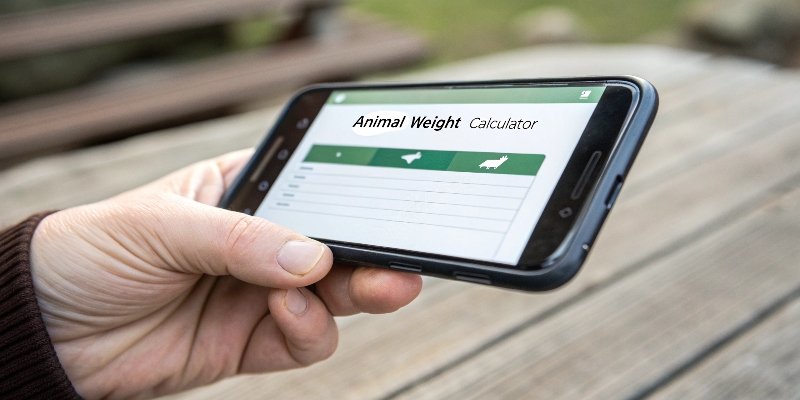
We are a company that empowers customers with technology, so we see the value in these apps. They make estimations faster and more accessible. For a pet owner at home, this is a fantastic tool. You can measure your dog or cat with a simple tape measure, enter the numbers into an app, and track their weight as a fun family activity. But it is important to remember the limitations. A difference of more than 5% between the estimated weight and their actual weight should prompt a visit to the vet for a precise measurement.
For our professional clients, especially software vendors who integrate with weighing systems, data integrity is everything. An estimation from an app is not the same as a certified weight from a calibrated scale. Our industrial scales provide the precise, reliable, and legally compliant data that professional supply chains, automated factories, and commercial farms depend on. For them, an estimate is a starting point, but our CE-certified scales provide the final, trusted answer.
Conclusion
Estimating animal weight without a scale is possible using simple formulas and tools. However, for accuracy in farming or veterinary care, a professional, reliable scale is always the best choice.
-
Learn how miscalculating animal weight can result in significant financial consequences. ↩



Comments (0)