
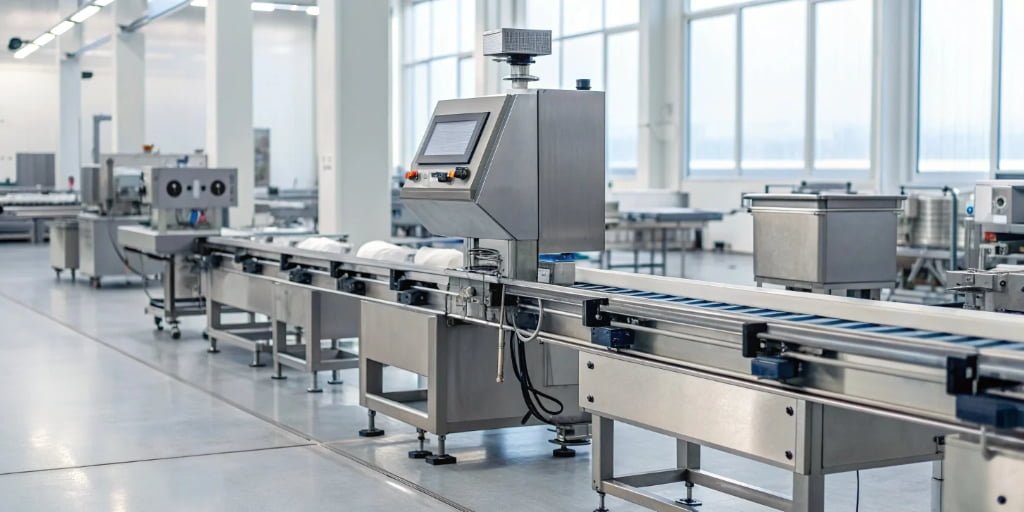
Struggling with production waste and inefficiency? Small mistakes can lead to massive losses. The solution might be simpler than you think, hidden in the foundation of your operations.
Yes, weighing technology is the unseen engine of modern industry. It provides the foundational data for everything from resource management and quality control to automation and regulatory compliance. Without accurate weight data, entire production lines can fail, proving its critical, foundational role.
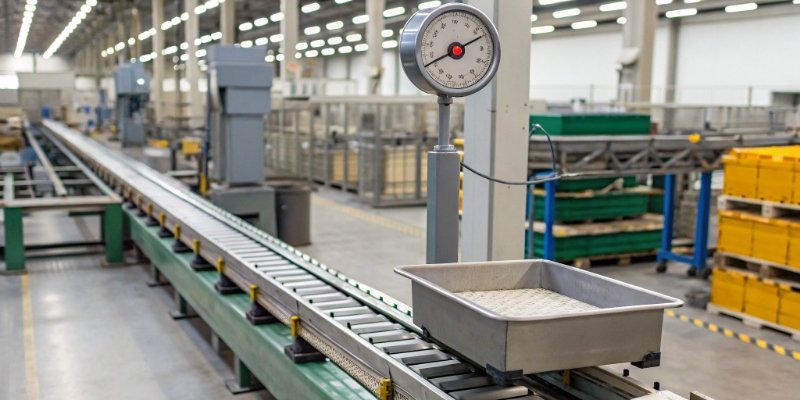
For over 18 years in this business, I've seen countless companies focus on high-level software and automation1. They sometimes forget that all these advanced systems rely on one simple truth: accurate input data. This data is the lifeblood of their operations. But what makes this data so fundamental? Let's explore why getting the weight right is the first step to success, especially for partners like you in the software space who depend on reliable data streams.
Why is accurate weighing fundamental to modern industry?
Are you making decisions based on guesswork? Inaccurate data creates risk in every step of production. Accurate weighing provides the reliable facts you need to operate with absolute confidence.
Accurate weighing is fundamental because it is the source of truth for your physical assets. It ensures fair trade, meets legal requirements, and provides the basic data point for inventory management, recipe formulation, and shipping. It’s the first link in a reliable data chain.

My insight has always been that a small error at the start can become a huge disaster by the end. This is especially true in weighing. Think about it. If the initial weight of your raw materials is off by just 1%, your entire batch formulation2 is compromised. Your expensive software might execute a flawless process, but it's working with bad information.
The Ripple Effect of Inaccuracy
A mistake in weight data doesn't just stay in one place. It ripples through your entire supply chain3.
- Production: Wrong recipes lead to failed batches.
- Inventory: Miscounted stock leads to surprise shortages or expensive overstock.
- Shipping: Incorrect weights can lead to compliance fines and customer disputes.
Foundational Data for Systems
As a software vendor, you know your systems are only as good as the data they receive. We provide the hardware that guarantees data integrity4 from the physical world. Our scales are designed to be the trustworthy source for your ERP, MES, or WMS, ensuring your software’s decisions are based on reality, not on flawed inputs.
| Area of Operation | Impact of Inaccurate Weighing |
|---|---|
| Raw Material Intake | Incorrect inventory, wasted materials |
| Batching/Formulation | Poor product quality, failed batches |
| Quality Control | Defective products reach customers |
| Shipping/Logistics | Compliance fines, shipping overcharges |
How does precision weighing boost industrial productivity and quality control?
Do production delays and inconsistent quality drain your resources? These problems often trace back to manual errors and variation. Precision weighing automates checks, boosting speed and ensuring perfect results every time.
Precision weighing boosts productivity by automating material handling and portioning, reducing manual labor and speeding up cycle times. For quality control, it ensures every product or batch meets exact specifications, automatically flagging deviations and preventing defective items from moving down the line.
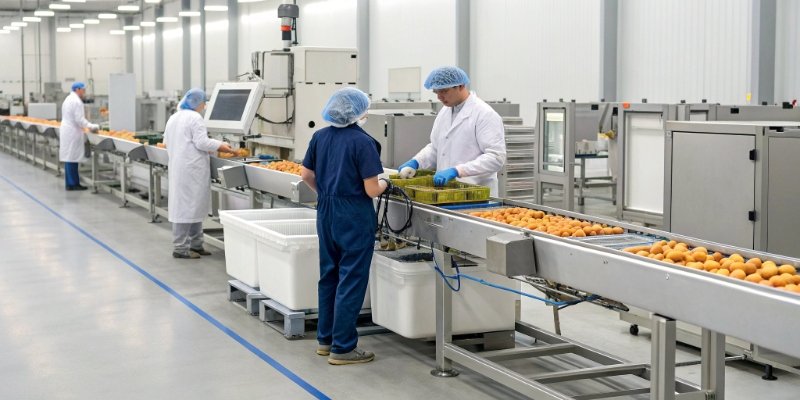
I remember visiting a client who was manually weighing ingredients for a food product. The process was slow, and human error meant batches were inconsistent. We installed an automated batching system. Not only did their production speed triple, but their product consistency became a major selling point.
From Manual to Automated
The biggest leap in productivity comes from removing manual steps. An automated weighing system doesn't get tired and doesn't make typos.
- Speed: A system can weigh, dose, and discharge materials in seconds.
- Consistency: Every single batch is made to the exact same formula. This is the core of modern quality control5.
Real-Time Quality Gates
Think of a precision scale not just as a measurement tool, but as an automated quality inspector6. On a packaging line, a checkweigher instantly weighs every single item. If a package is underweight or overweight, it's automatically rejected. This prevents customer complaints and ensures compliance with packaging laws. This is a simple, powerful form of quality control that operates 24/7 without fail. By integrating this data, your software can generate real-time reports on production line efficiency and material giveaway.
What is the role of weighing technology in industrial automation and data management?
Building a smart factory but struggling to connect digital systems to physical processes? Data silos prevent true automation. Modern weighing technology acts as the crucial bridge, translating physical weight into actionable data.
In automation, weighing technology acts as a primary sensor, triggering actions like filling, sorting, or stopping a conveyor. For data management, it provides the raw data that feeds into ERP, MES, and WMS systems, enabling real-time inventory tracking, production analysis, and complete traceability.
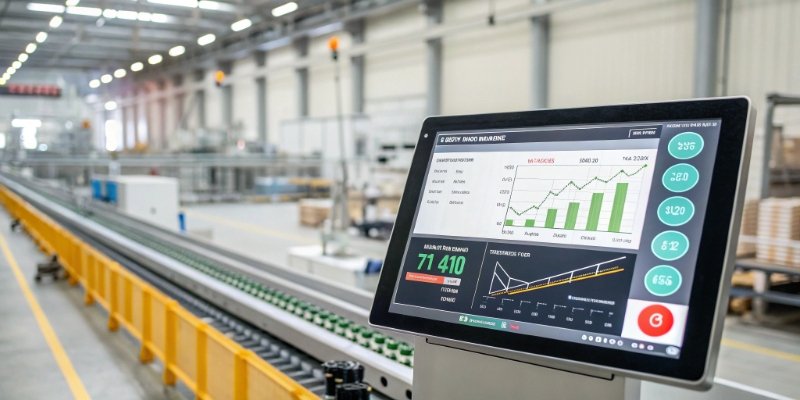
Your world is software, data, and integration. Our world is making sure that data is accurate and accessible. For years, we've focused on not just building a great scale, but building a scale that talks to other systems seamlessly. That's why we provide robust communication options and support for our partners. Your software needs a reliable translator between the physical and digital worlds, and that's the role our weighing systems play.
The Scale as a System Sensor
A modern scale is an intelligent sensor. For example, a scale under a mixing tank can do more than just display weight. It can be programmed to:
- Open a valve to begin filling (Action).
- Monitor the weight until it hits a target of 500 kg (Data).
- Close the valve and start a mixer (Action).
This simple loop is the heart of industrial automation, and it all starts with reliable weight data.
Seamless Data Integration
We understand that as a software provider, you need easy integration. Our products are designed with this in mind. They support common industrial protocols, and we provide the technical documentation and support your team needs to connect our hardware to your software. This allows you to pull weight data directly into your systems, creating a complete and accurate picture of your client's operations and enabling powerful analytics.
How is the IIoT (Industrial Internet of Things) transforming weighing systems?
Are your weighing instruments just isolated devices? This means you are blind to their status until it is too late. The Industrial Internet of Things (IIoT) connects them into a smart network.
The IIoT transforms weighing systems from simple measurement tools into intelligent, networked assets. It enables remote monitoring, predictive maintenance, and centralized data collection in the cloud. This allows managers to access real-time performance data from anywhere, making operations more proactive and efficient.
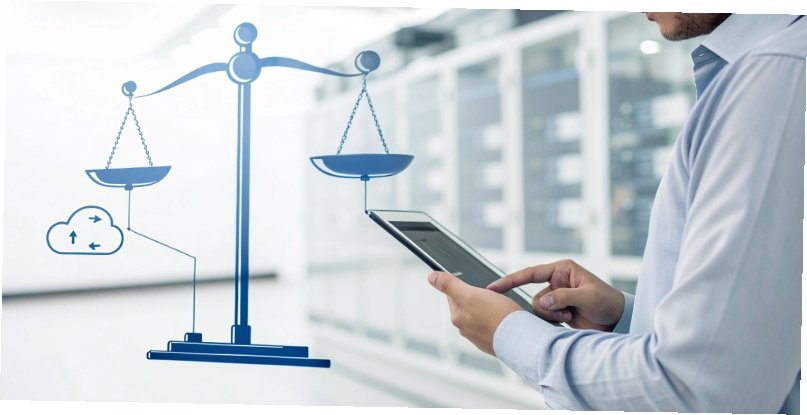
The idea of a "smart factory7" excites me because it's where our vision for weighing truly comes to life. A scale is no longer just a standalone machine on the factory floor. With IIoT8, it becomes a node in a factory-wide, or even global, network. This is a game-changer for a purchasing manager or technical director because it fundamentally changes how you manage and maintain your physical assets.
Predictive Maintenance and Remote Support
An IIoT-enabled scale can monitor its own health. It can detect if a load cell is showing signs of drift or if a component is close to failing. It then sends an alert before it breaks down, preventing costly unplanned downtime. As your partner, we can even provide remote diagnostics, logging into the system to troubleshoot an issue without an expensive site visit. This speaks directly to the need for responsive, professional technical support that minimizes operational disruption.
New Business Models and Insights
For software vendors, IIoT weighing opens up incredible possibilities. You can develop dashboards that show a client their real-time material usage across multiple factories around the world. You can use historical weight data combined with AI to predict future raw material needs. This transforms a simple hardware component into a source of deep business intelligence, enabling your customers to achieve that quantum leap in business development we are all aiming for.
Conclusion
Accurate weighing is more than measurement. It is the reliable foundation for industrial automation, quality control, and smart data management, driving a new era of efficiency and growth.
- Understand the transformative effects of automation on efficiency and productivity in industries. ↩
- Discover the critical role of accurate weighing in achieving successful batch formulations. ↩
- Explore the challenges in supply chain management and how accurate data can mitigate risks. ↩
- Understand the significance of data integrity and how it impacts operational success. ↩
- Find out how quality control practices can be enhanced with accurate weighing technology. ↩
- Explore the role of automated quality inspectors in ensuring product quality and compliance. ↩
- Understand the characteristics of smart factories and their reliance on advanced technologies. ↩
- Learn about the transformative impact of the Industrial Internet of Things on industrial processes. ↩



Comments (0)